Learning addition Normal Math Worksheets for Ages 4-7
4 filtered results
-
From - To
Introduce your child to the world of math with our "Learning Addition Normal Math Worksheets" designed for ages 4-7. These worksheets make learning fun and engaging, helping kids build essential addition skills through a variety of activities. Perfect for preschool through first grade, each page offers practice problems to boost their confidence and proficiency in addition. Interactive designs and kid-friendly themes keep young learners interested, while gradually increasing difficulty ensures steady progress. Ideal for classroom use or at-home practice, these worksheets will set a strong foundation for your child's future math success. Download now and start adding up the fun!
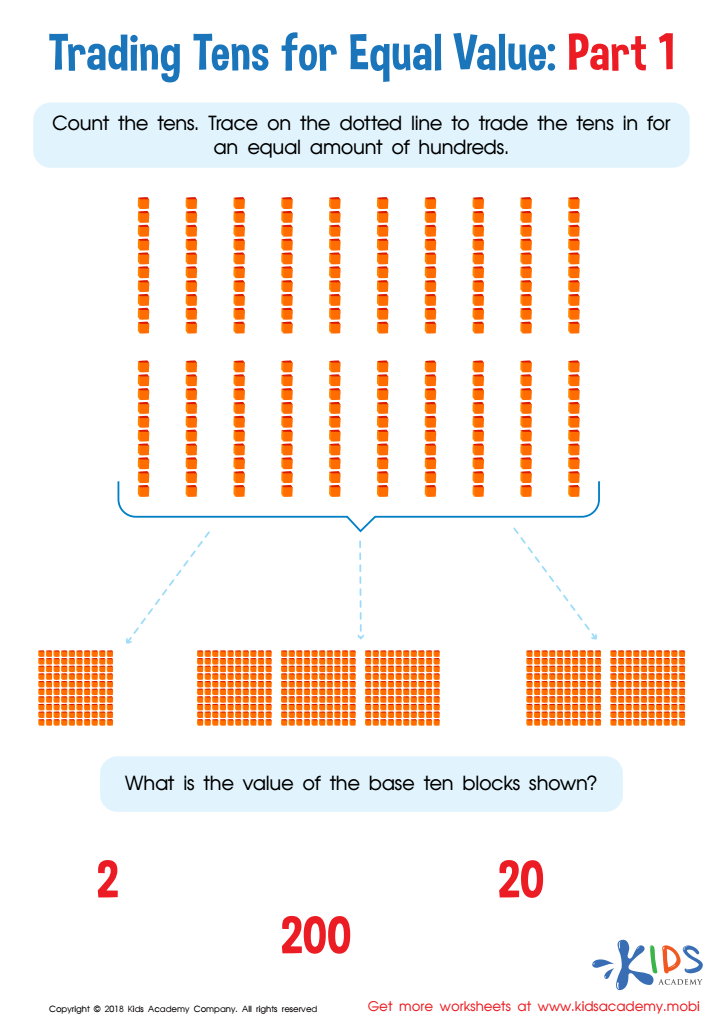
Trading Tens for Equal Value Worksheet: Part 1
 Assign to My Students
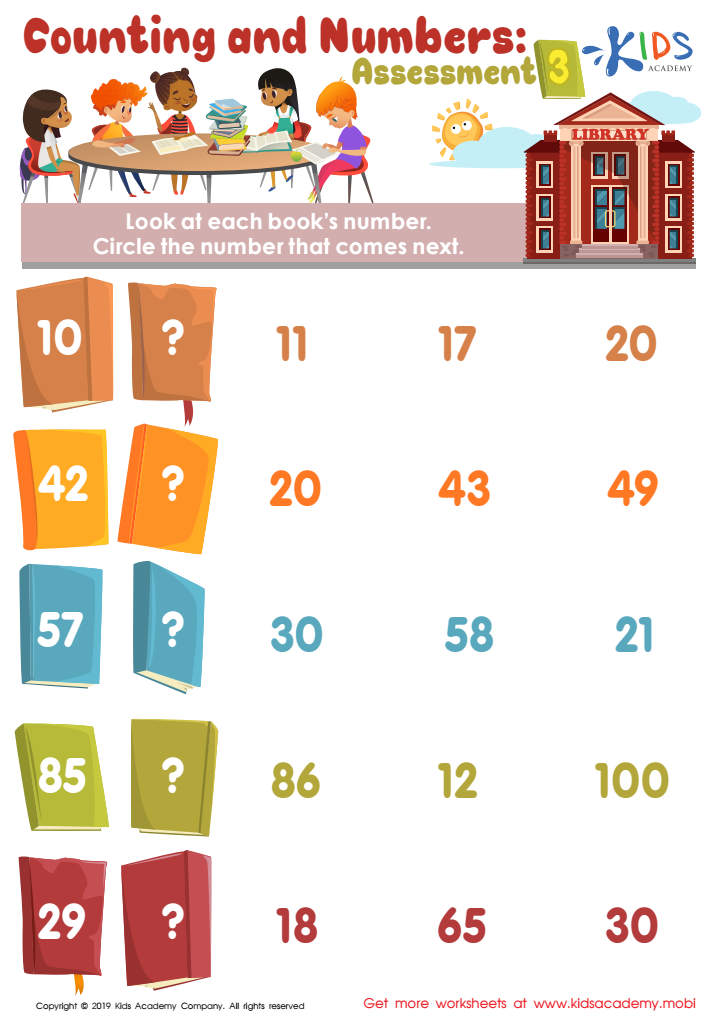
Counting and Numbers: Assessment Worksheet
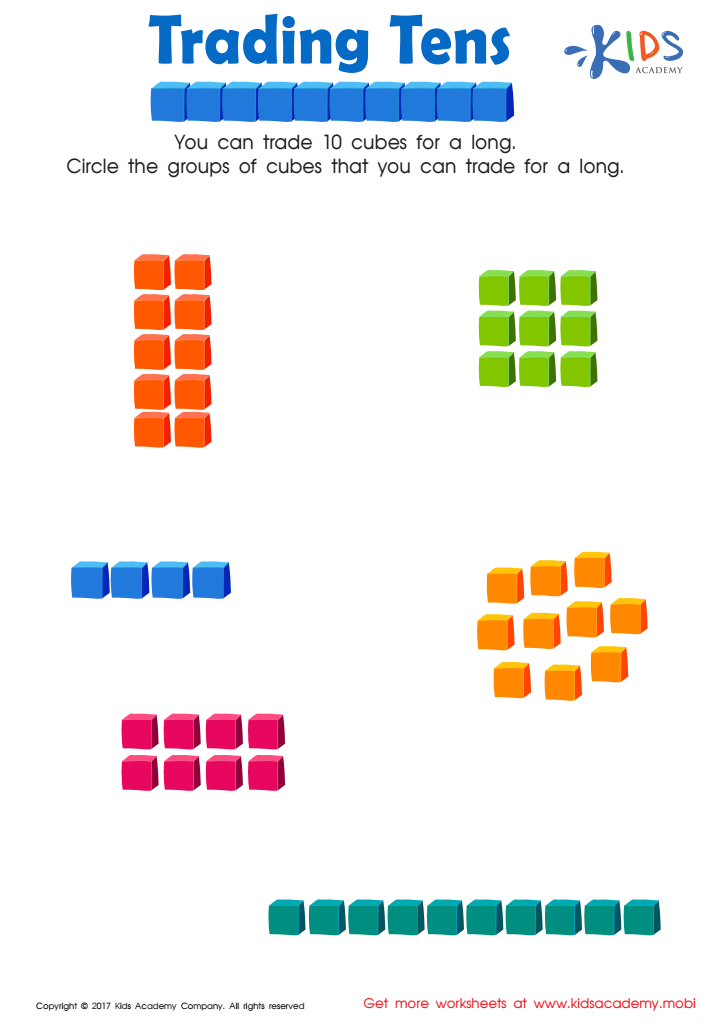
Trading Tens Worksheet
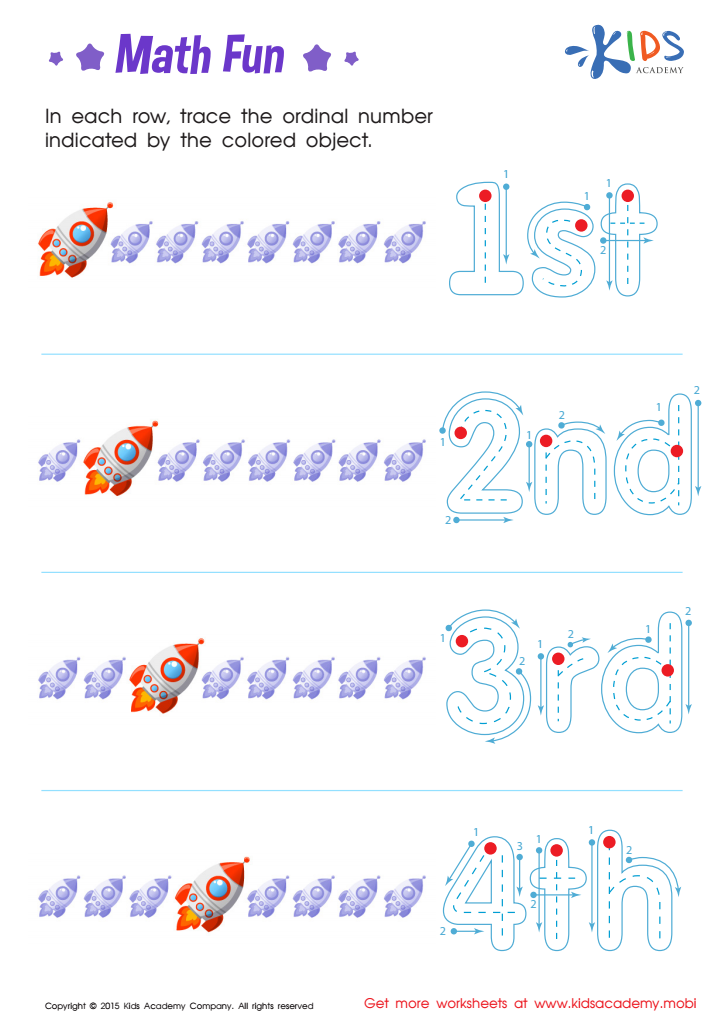
Ordinal Numbers: Math Fun Worksheet








Teaching addition to children ages 4-7 lays a crucial foundation for their entire mathematical journey and beyond. During these formative years, children’s brains are incredibly receptive to new information, making it the optimal time to introduce basic math concepts. Understanding addition not only equips children with essential arithmetic skills but also fosters logical thinking, problem-solving abilities, and confidence in handling numbers.
When children grasp addition early on, they build a solid base for more complex math operations such as subtraction, multiplication, and division. This early comprehension makes future learning smoother, as they can relate new concepts to familiar ones. Additionally, addition is not confined to the classroom; it’s a practical skill that impacts daily life, from counting toys to managing snacks.
Parents' and teachers' involvement is pivotal in making math enjoyable and relevant. Positive early experiences with math can dispel any anxiety related to the subject, creating a lifelong affinity. Activities such as counting games, interactive apps, and real-life scenario problems can make learning addition fun and engaging. By fostering an encouraging environment, caregivers and educators help children integrate math into their everyday thinking, supporting academic success and everyday competencies. Ultimately, a solid grasp of early math skills opens doors to numerous opportunities in both academia and daily life.








