Addition Practice Normal Place Value Worksheets for Ages 4-7
5 filtered results
Difficulty Level
Grade
Age
-
From - To
Subject
Activity
Standards
Welcome to our Addition Practice worksheets designed for children aged 4 to 7! These engaging resources are perfect for helping young learners grasp the fundamentals of addition and place value. Our carefully crafted worksheets provide a variety of fun exercises that promote essential skills like number recognition, counting, and basic addition strategies. Tailored to various learning styles, these worksheets support children in developing confidence and competence in math. With vibrant visuals and interactive activities, our Addition Practice worksheets make learning math enjoyable and effective. Start your child’s journey to mathematical mastery with our fun-filled resources today!
Favorites
With answer key
Interactive
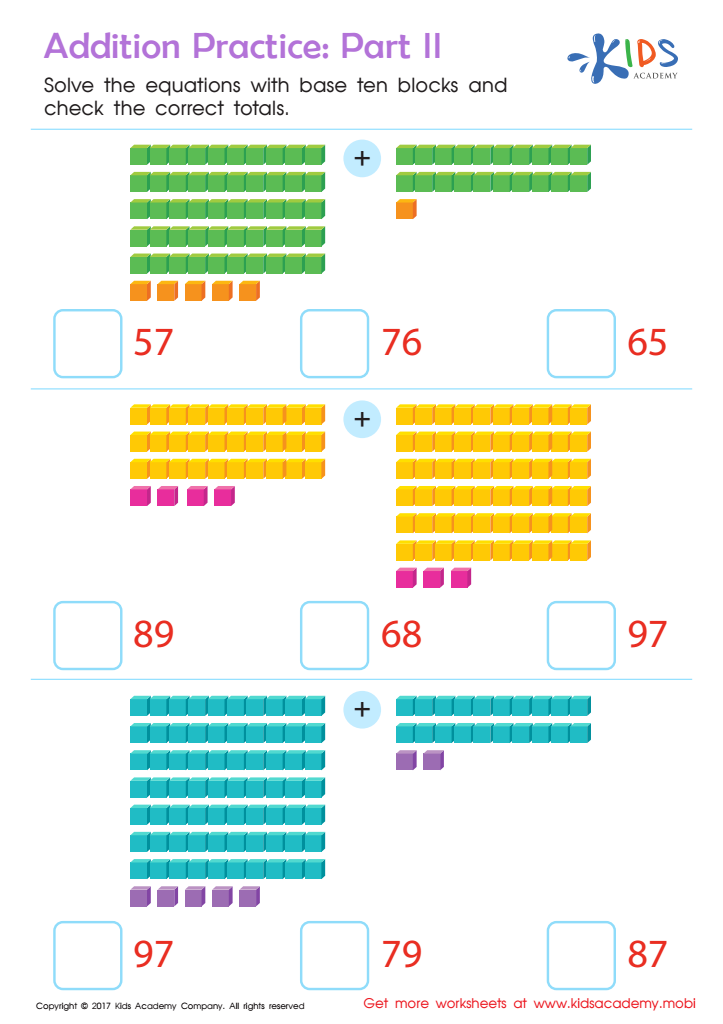
Addition Practice Sheet: Part 2
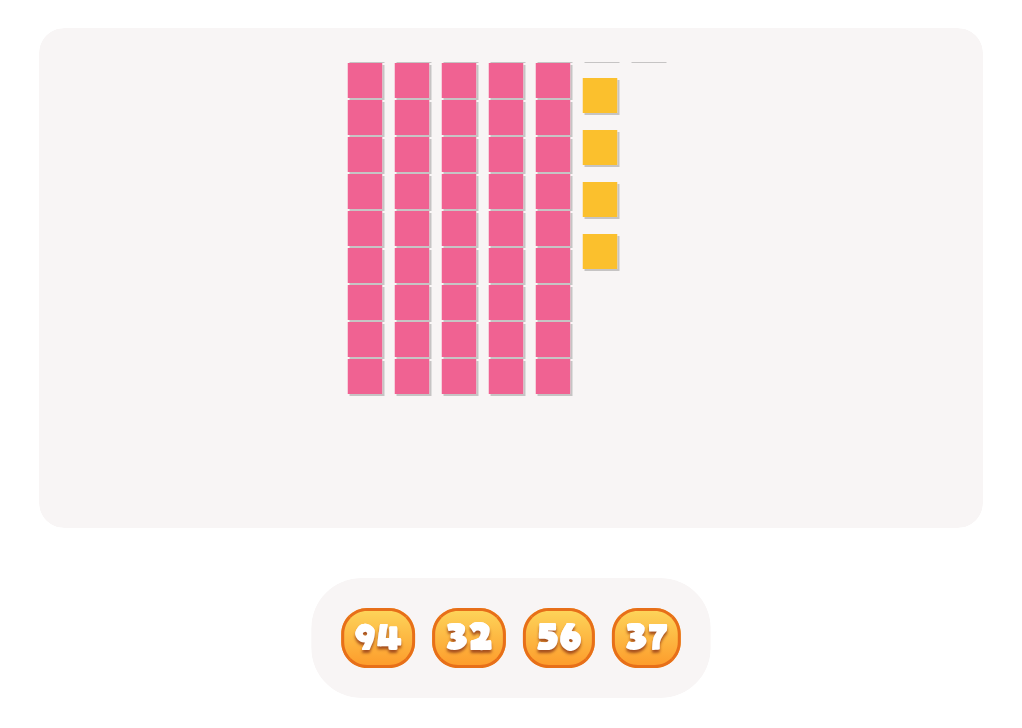
Make sure your kids understand place value before introducing two/three-digit addition. To help, use Kids Academy's colorful cube worksheet. It provides all the manipulatives needed to solve the problem and find totals. A great way to explain the concept behind the addition!
 Assign to My Students
Addition Practice Sheet: Part 2
Worksheet
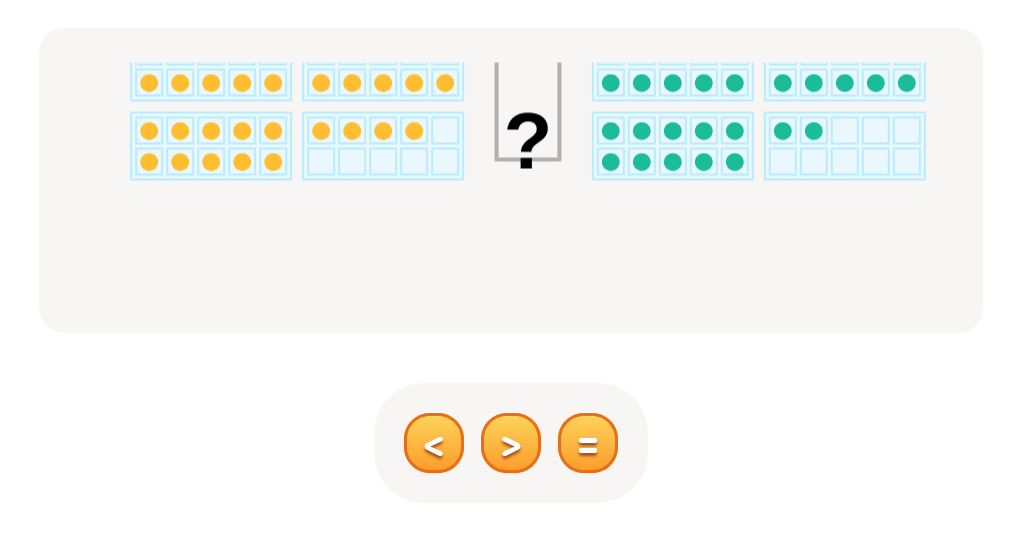

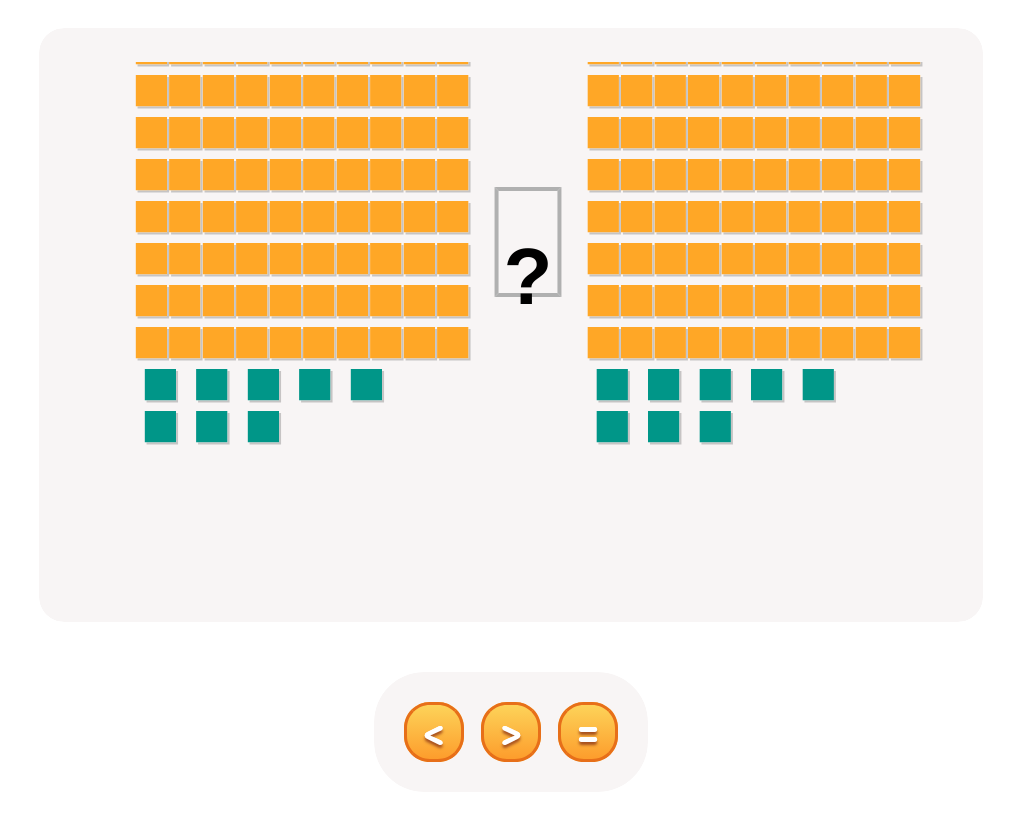
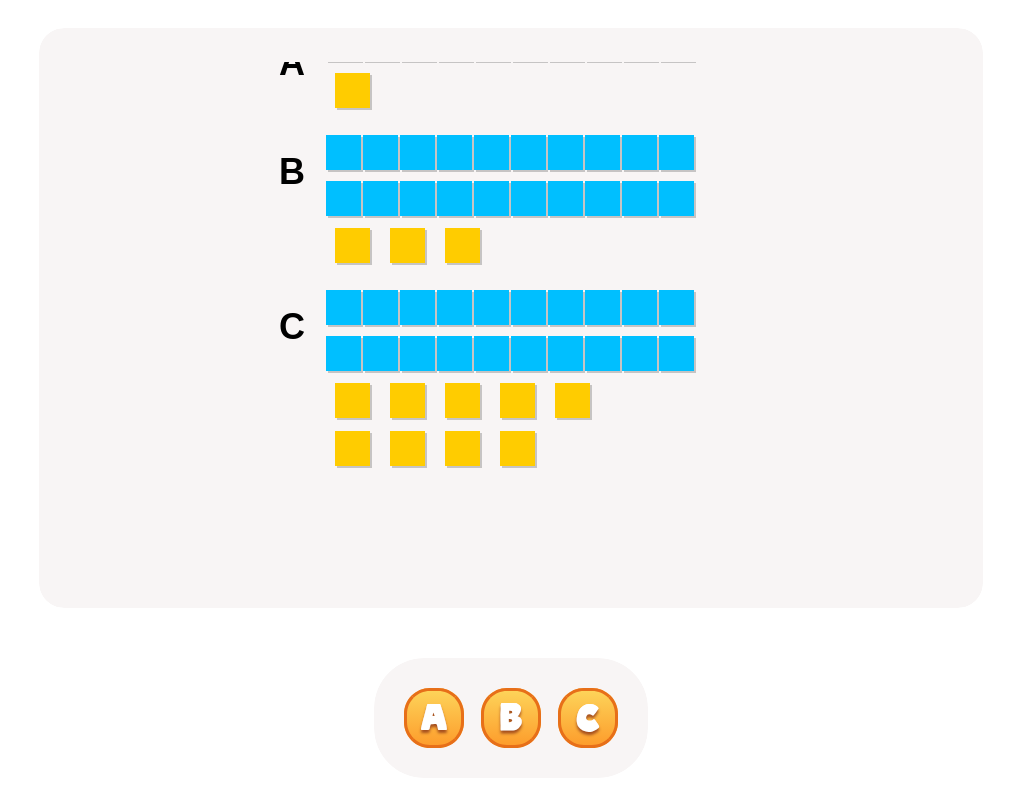
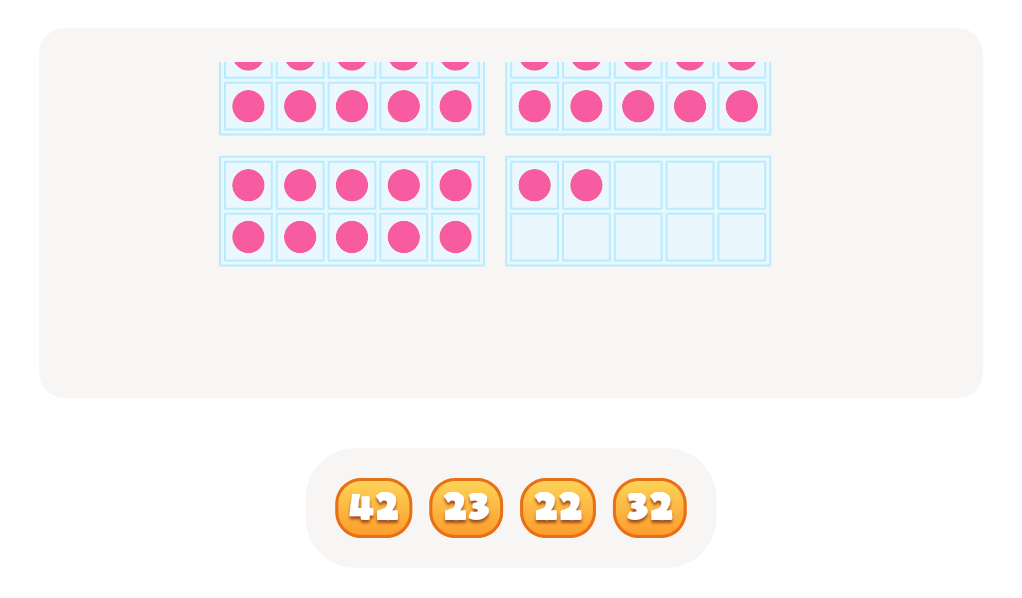
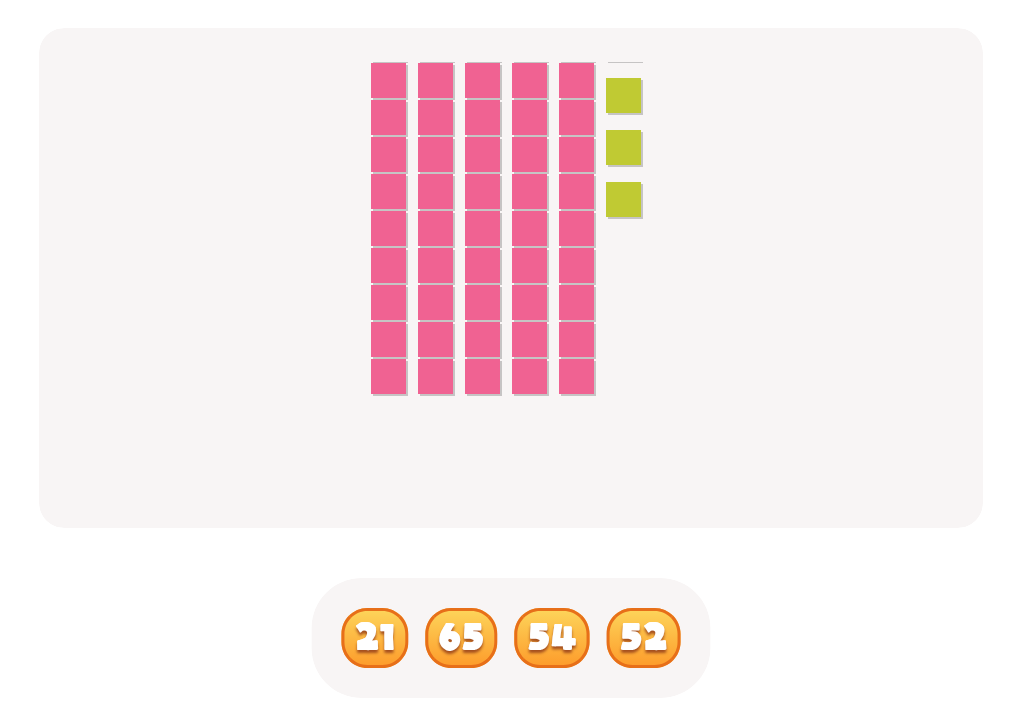
Place Value: Assessment 3 Worksheet
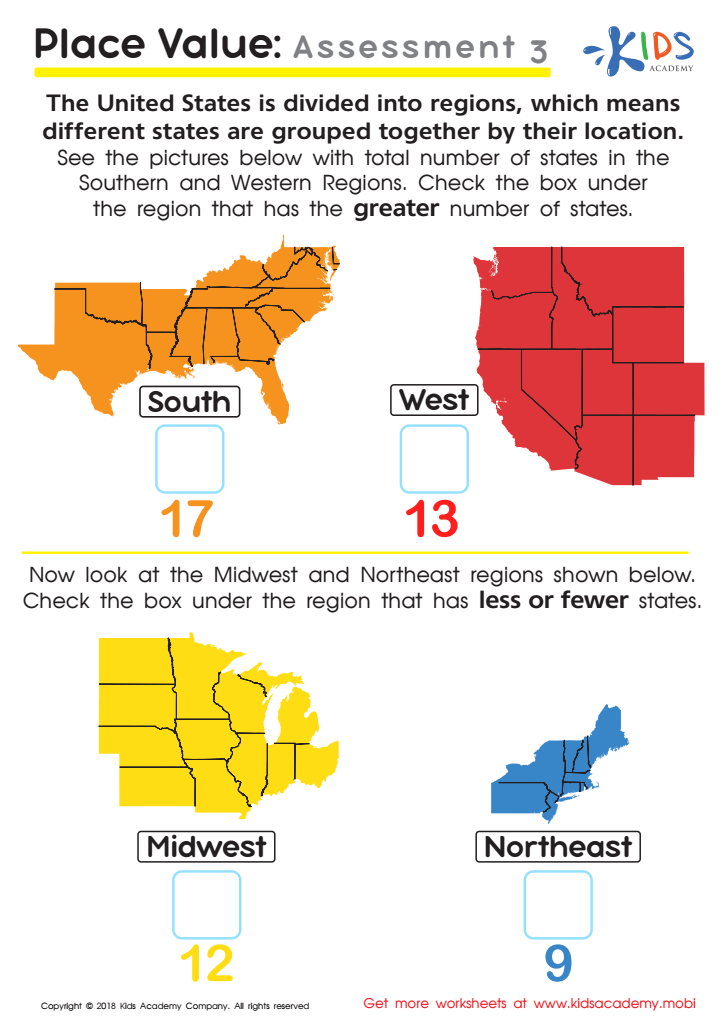
Test your child's math skills without them realizing it! This fun worksheet looks at the states and regions of the U.S. and your child can compare numbers greater or lesser than the other. It's the perfect way to assess your child's number sense without them knowing.
Place Value: Assessment 3 Worksheet
Worksheet
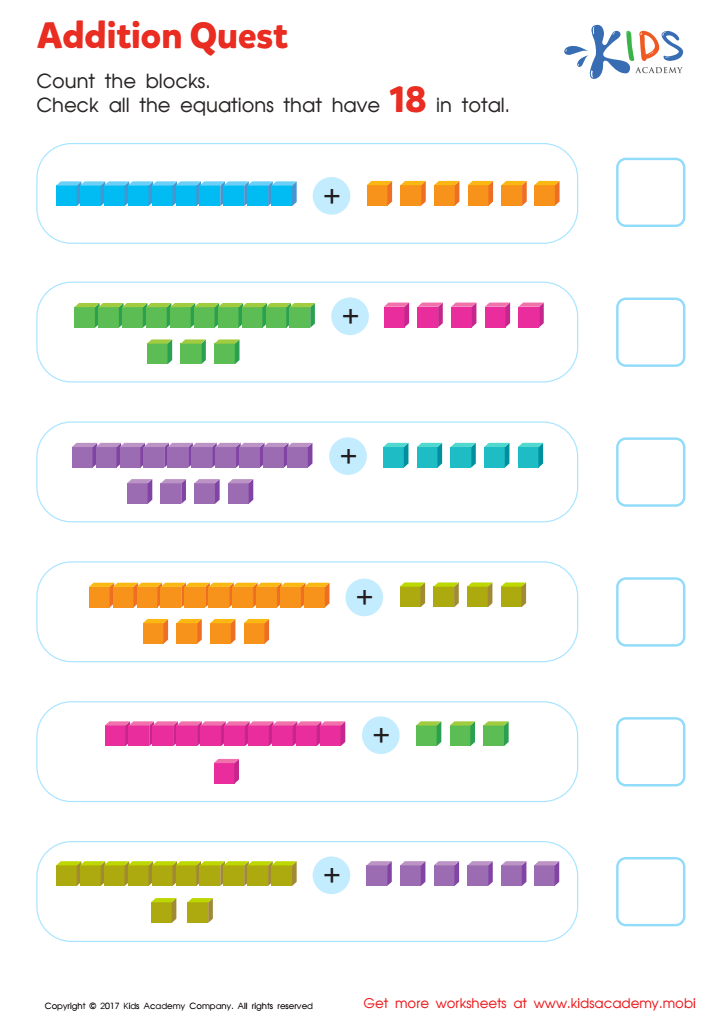
Addition Quest Worksheet: Part 2
Does your child or student struggle with math? Help them conquer their fears with this fun matching worksheet! It can help them learn to count and add numbers confidently. This colourful printout is sure to make math learning enjoyable, so they can easily work through the numbers and add up results with ease.
Addition Quest Worksheet: Part 2
Worksheet
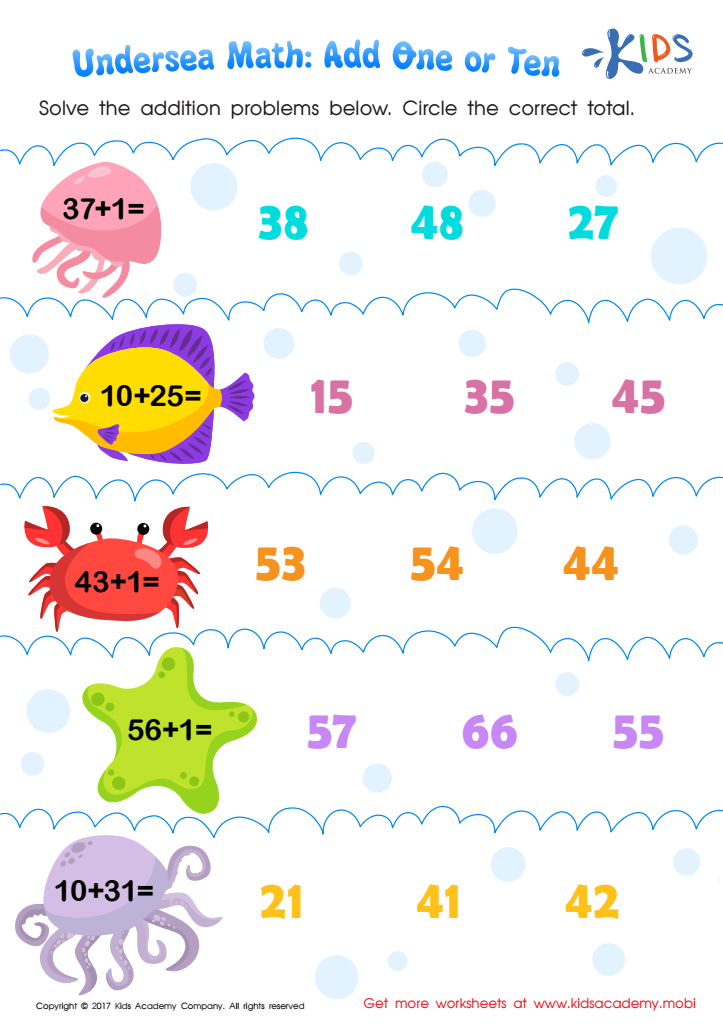
Undersea Math Worksheet
Dive under the sea and practice addition with place value! This fun sea-themed math worksheet will help your child add ones and tens to 2-digit numbers. Kids need to practice to gain an understanding of math processes and this worksheet uses vibrant tropical fish to entertain and build important skills.
Undersea Math Worksheet
Worksheet
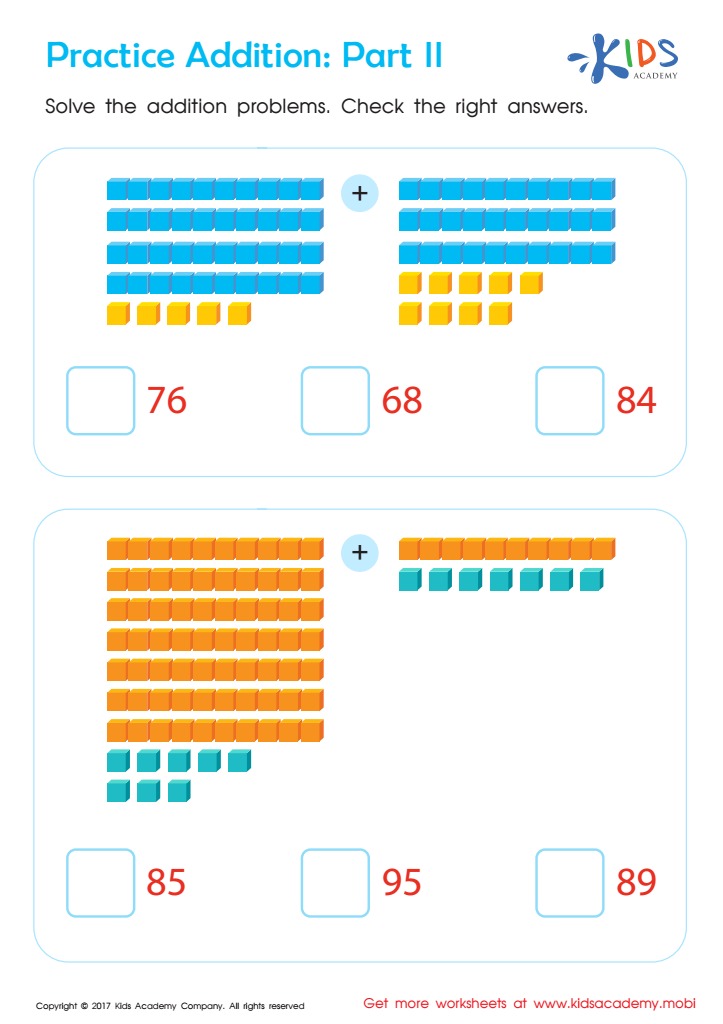
Practice Addition: Part 2 Worksheet
Try this printable worksheet to practice addition! It contains longer, tougher addition equations for 1st graders. Colorful blocks give kids the opportunity to visualize how big numbers are combined. Multiple choice answers help kids gain confidence in problem solving.
Practice Addition: Part 2 Worksheet
Worksheet
Join Kids Academy for Free
Who is primarily going to use this learning content?








Addition practice and understanding normal place value are foundational skills for children aged 4-7, crucial for their mathematical development. Parents and teachers should prioritize these concepts for several reasons. Firstly, mastering addition helps children develop computational fluency, allowing them to solve problems efficiently and accurately. This skill is not only vital for academic success but also for everyday situations, like handling money or measuring ingredients while cooking.
Normal place value introduces children to the concept of numbers being composed of tens and units, which is essential for understanding the number system. Grasping this concept lays the groundwork for more complex mathematical operations and helps in developing number sense, which is critical for all future math learning.
Additionally, engaging in addition practice and place value exercises builds a child's confidence in math. Positive early experiences in math can foster a lifelong love for the subject and promote resilience in problem-solving. Encouraging practice can also be fun! Creative activities like games, manipulatives, and visual aids can make learning enjoyable. By focusing on these skills, parents and teachers can equip children with the tools necessary for academic success, paving the way for future learning in mathematics and beyond.