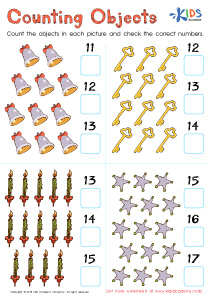
Counting practice Normal Place Value Worksheets for Ages 4-7
3 filtered results
Difficulty Level
Grade
Age
-
From - To
Subject
Activity
Standards
Welcome to our Counting Practice Normal Place Value Worksheets for ages 4-7! These engaging worksheets are designed to help young learners master fundamental counting skills and understand place value concepts. Carefully crafted to cater to the developmental stage of early learners, our resources feature colorful visuals and interactive activities that make learning fun. Kids can strengthen their number sense by practicing counting in various formats, recognizing how numbers fit into the broader place value system. Perfect for home practice, classroom use, or distance learning, these worksheets offer a solid foundation for future math success. Start your child’s counting adventure today!
Favorites
With answer key
Interactive
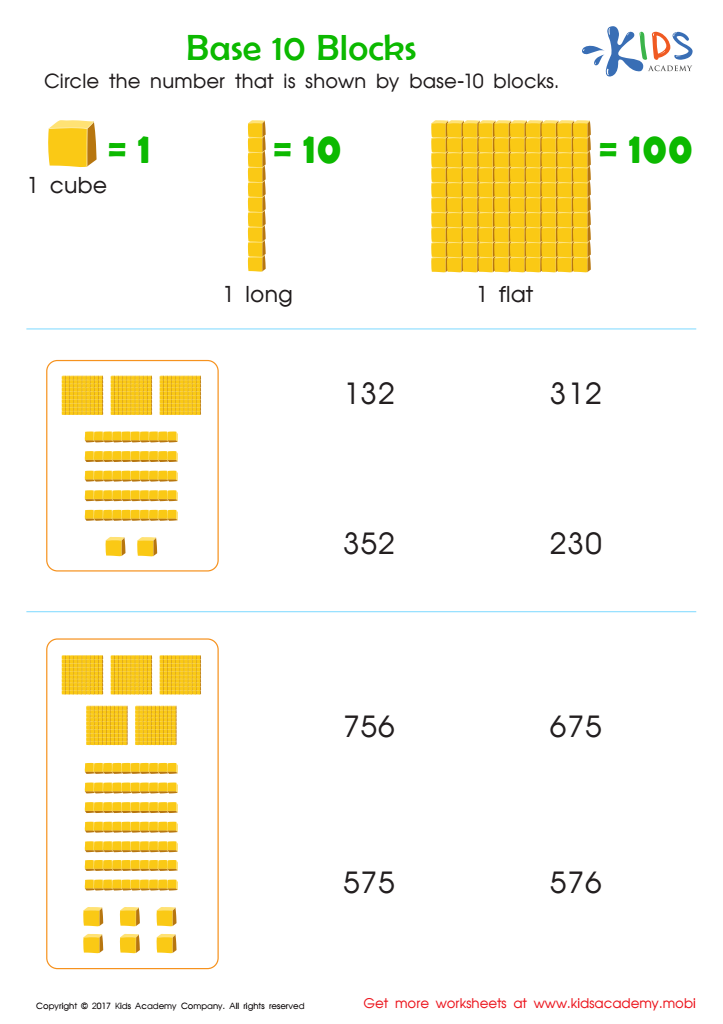
Base Ten Blocks Worksheet
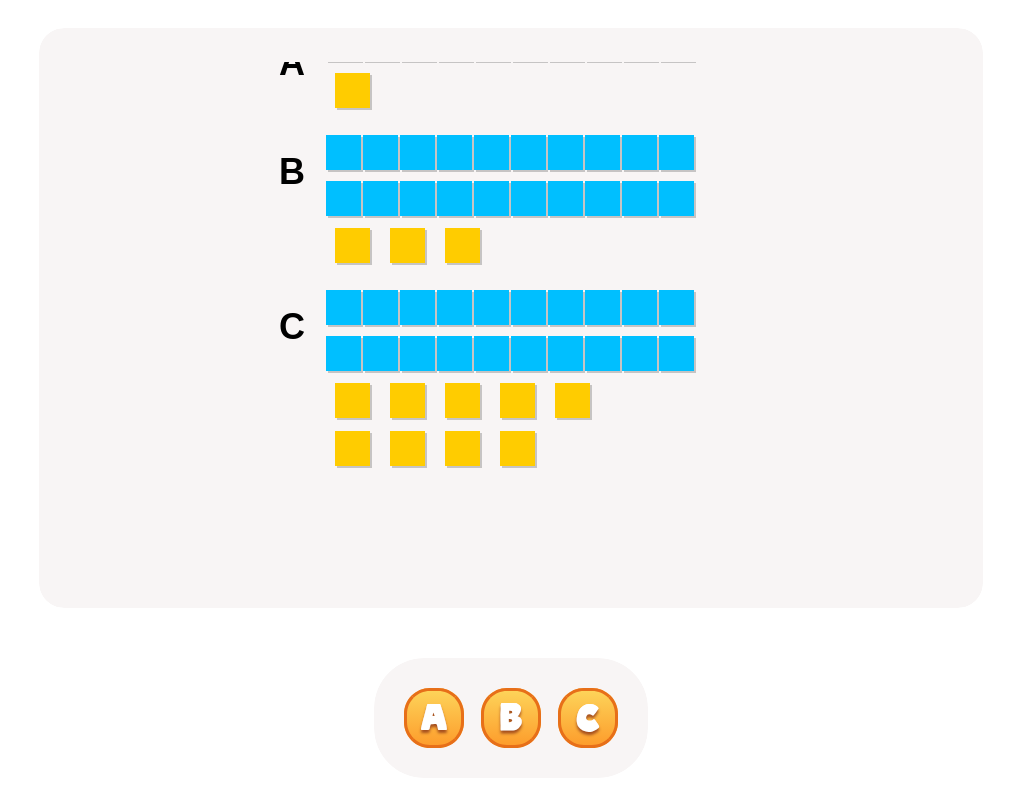
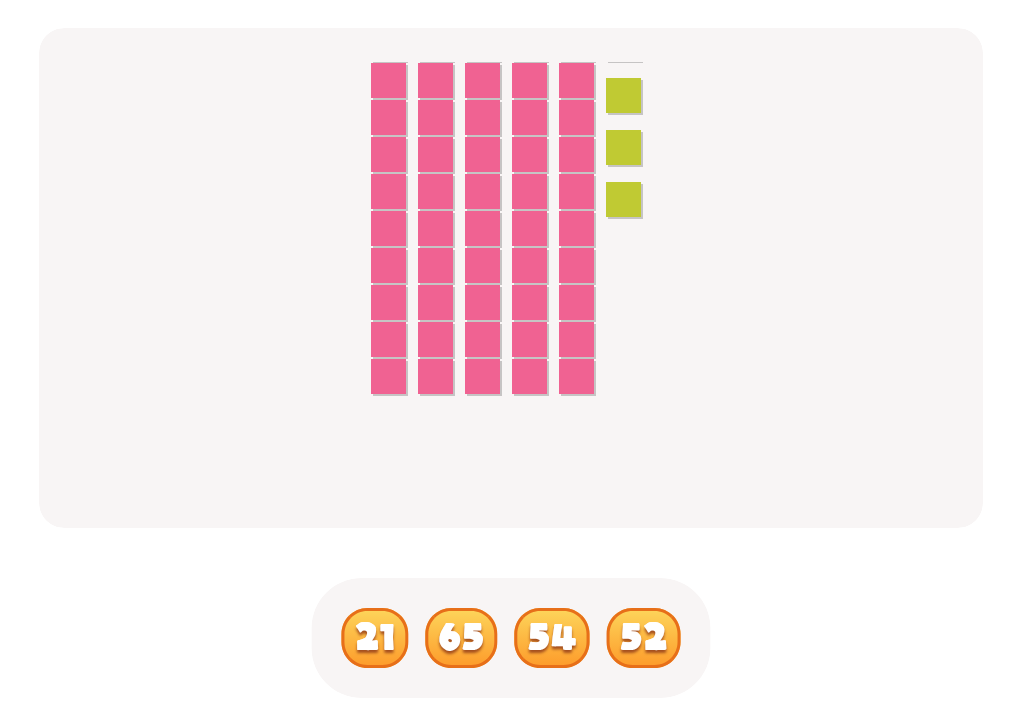
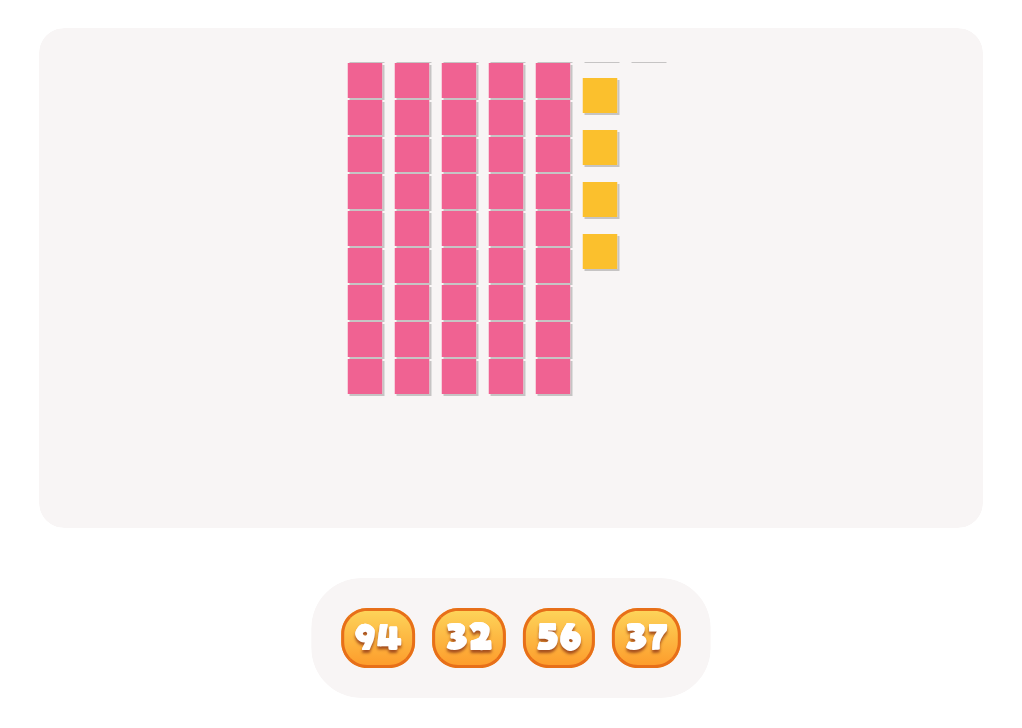
When school ends, your child can still practice place value at home with this base ten blocks worksheet. They'll count and circle the right number, gaining mastery of the concept. It's a fun, easy way to hone their skills!
 Assign to My Students
Base Ten Blocks Worksheet
Worksheet

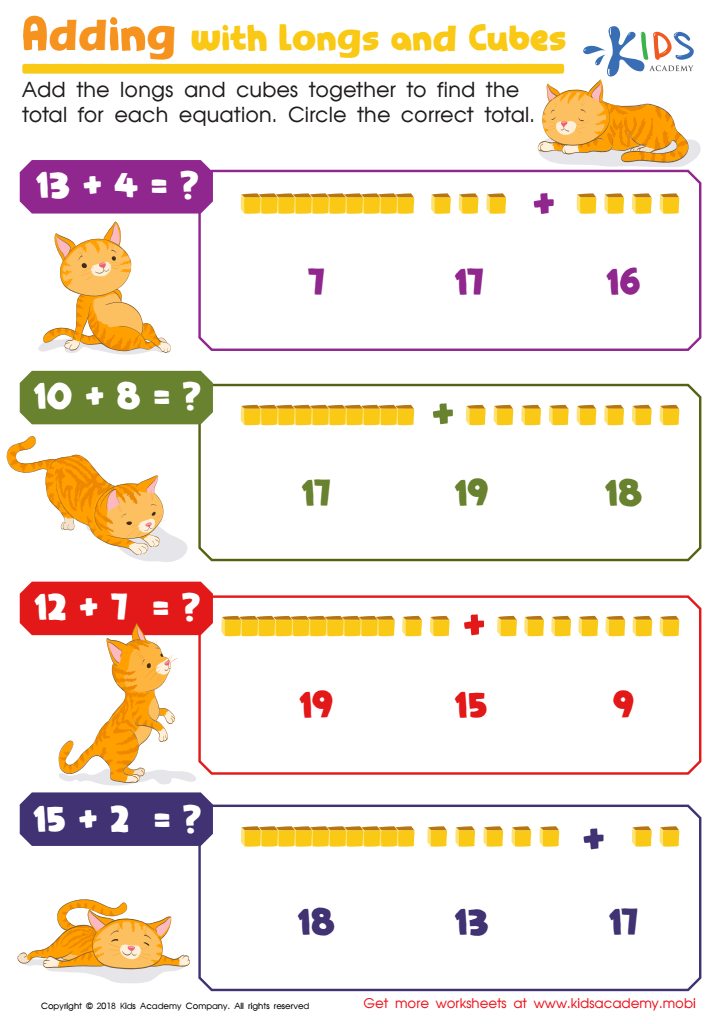
Adding With Longs and Cubes Worksheet
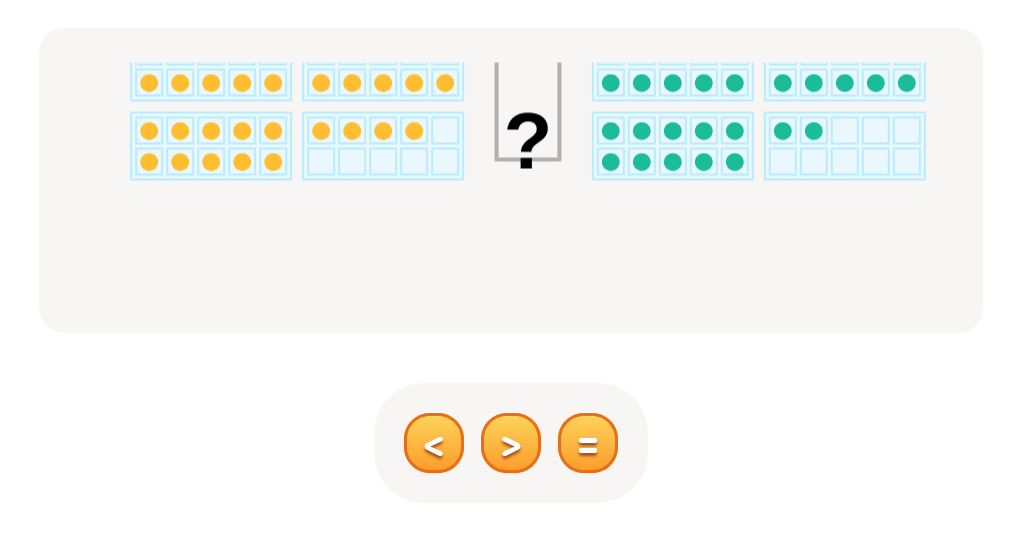
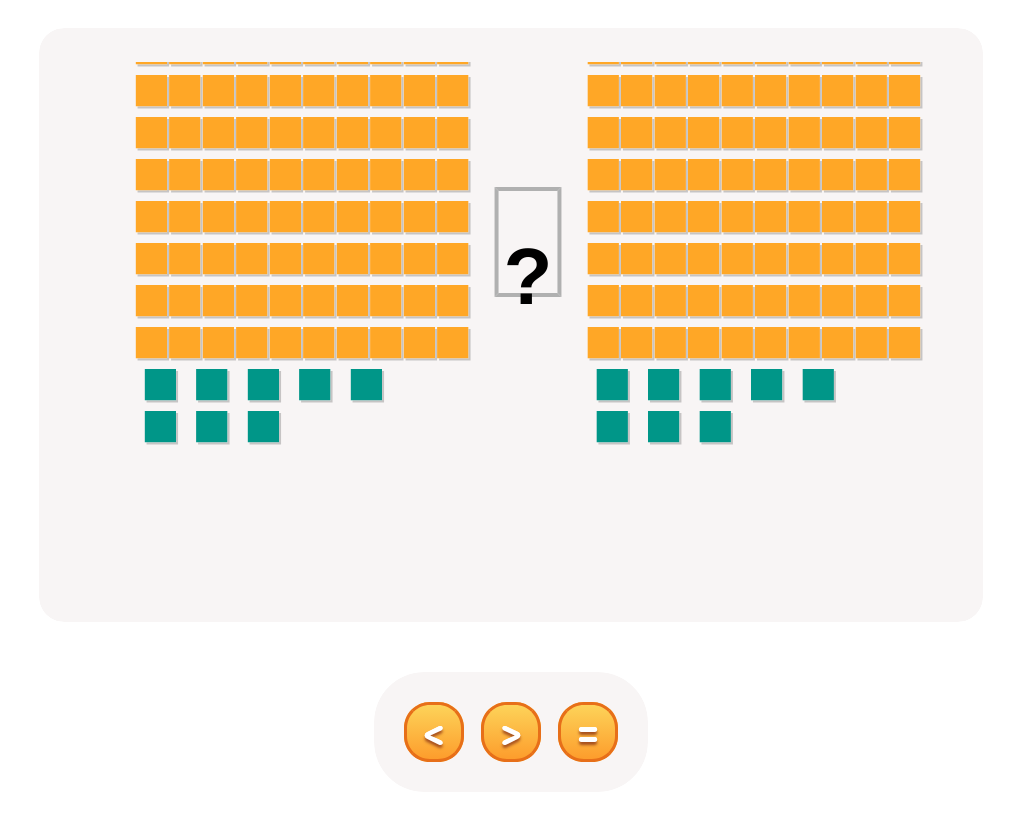
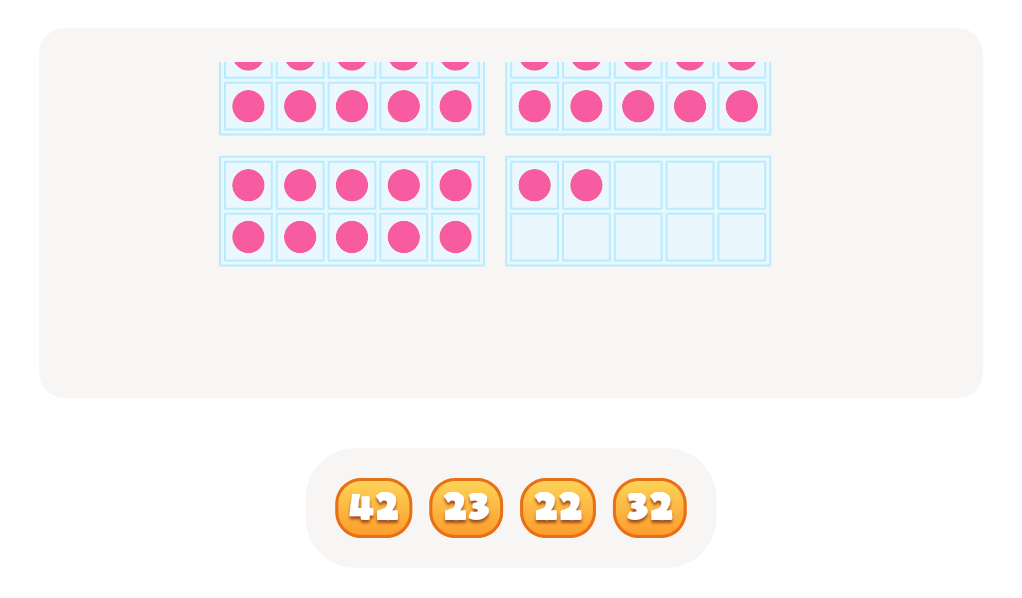
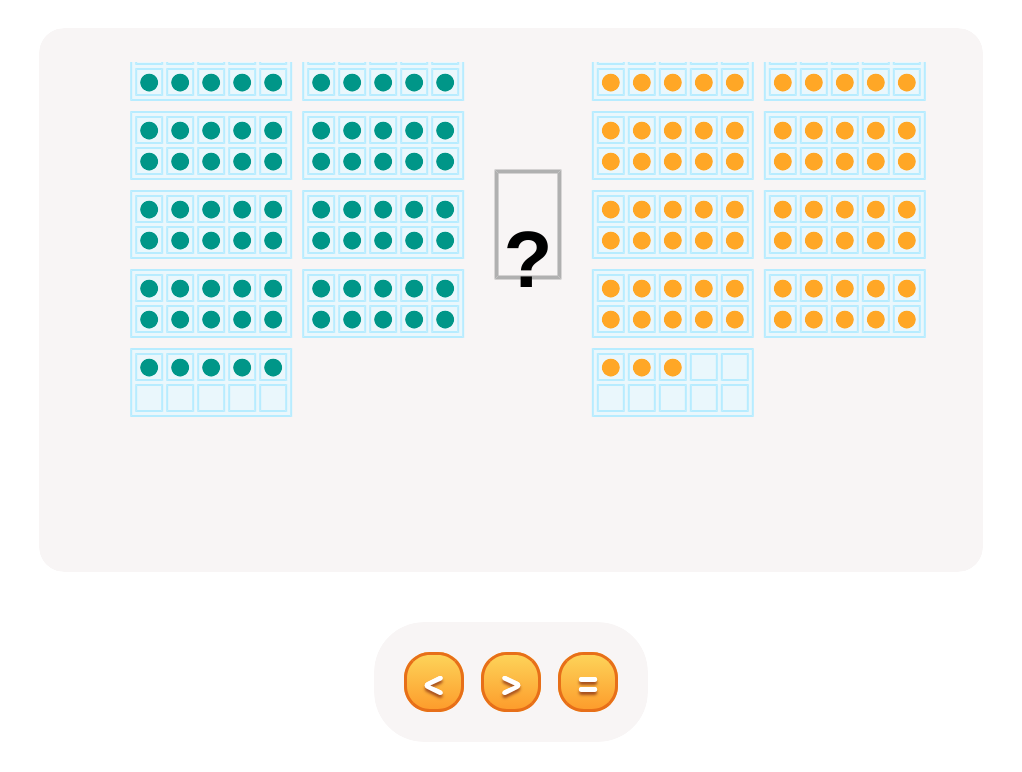
Math might not be your child's favorite, but they must master it to advance. If they're having difficulties or don't like it, use this worksheet to make it easier. Have them add longs and cubes together to find the total for each question, then circle the correct answer. This exercise can help make math experiences better.
Adding With Longs and Cubes Worksheet
Worksheet
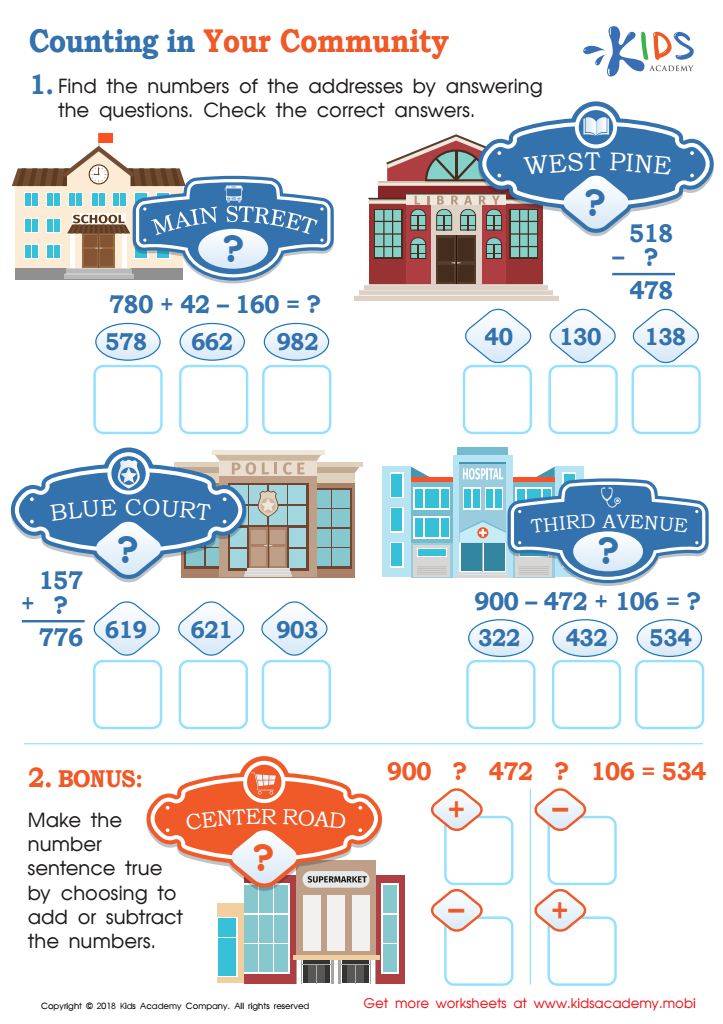
Counting in Your Community Worksheet
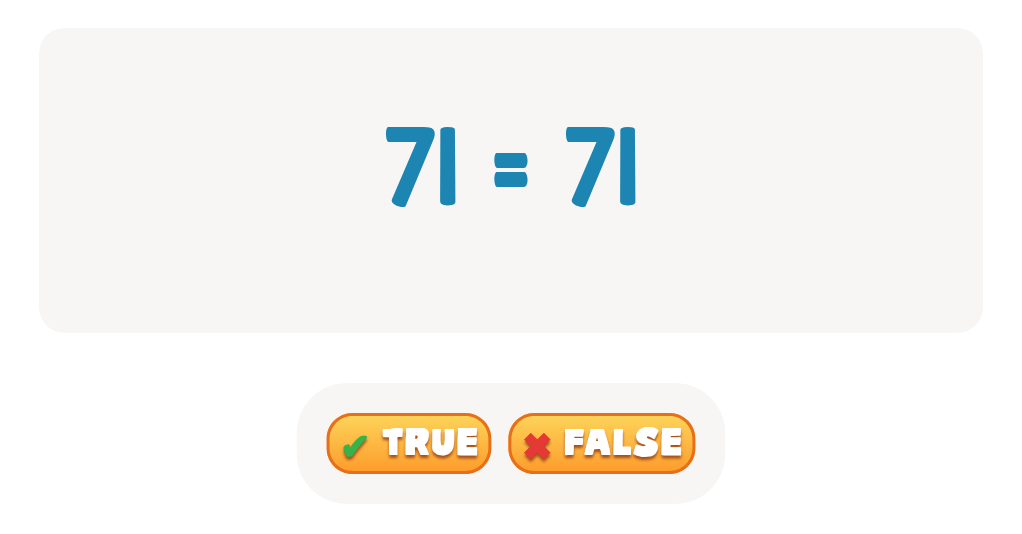
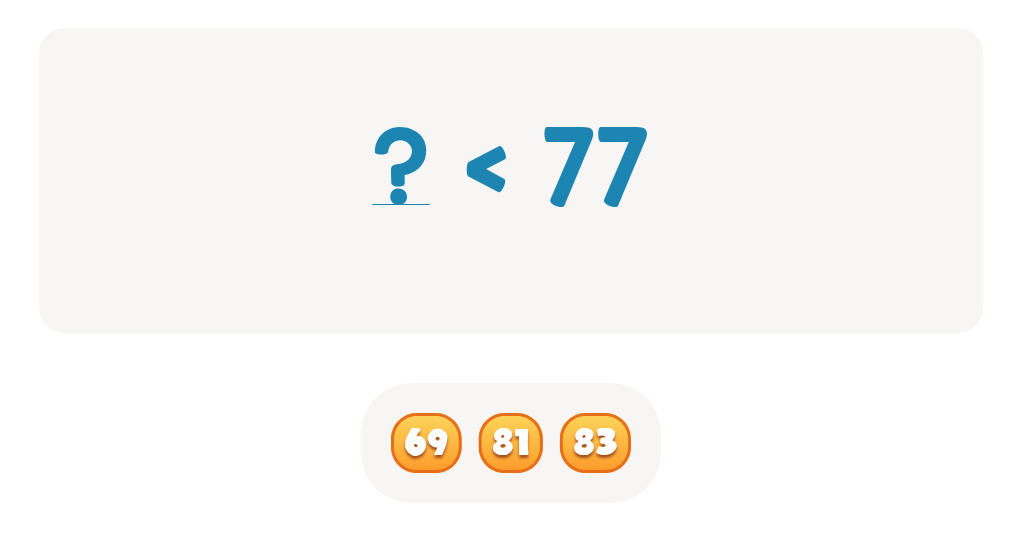
Introduce your kids to the idea of a community, where different people and buildings co-exist, each playing their part for the community's progress. Ask them to name the buildings they see in their community. Then work through this worksheet to find the numbers of the addresses by answering the questions. Check the answers once they've solved the equations.
Counting in Your Community Worksheet
Worksheet
Join Kids Academy for Free
Who is primarily going to use this learning content?








Counting practice and understanding normal place value are foundational skills essential for children aged 4-7. During these formative years, children build the groundwork for their future mathematical knowledge, and grasping the concepts of counting and place value is critical to this process.
First, counting helps children develop number sense, enabling them to recognize amounts and understand the relationship between numbers. It aids in everyday situations—like counting toys, understanding time, or measuring ingredients for a recipe—empowering children with practical skills.
Furthermore, place value is the key to understanding larger numbers. When children learn that the position of a digit affects its value (e.g., in 24, the '2' represents 20 due to its place), they start processing numbers more strategically. This knowledge supports essential operations like addition and subtraction, making math less daunting and more intuitive as they progress in their education.
Moreover, early mastery of these concepts fosters confidence in young learners. Parents and teachers play pivotal roles in providing engaging activities that promote counting and place value understanding. By prioritizing these skills, they can ensure that children develop a strong mathematical foundation, critical thinking abilities, and a positive attitude toward learning math, ultimately setting them up for future academic success.