Understanding place values Normal Place Value Worksheets for Ages 4-7
6 filtered results
-
From - To
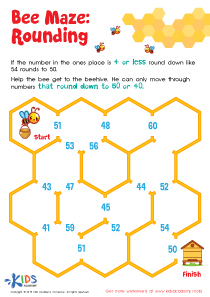
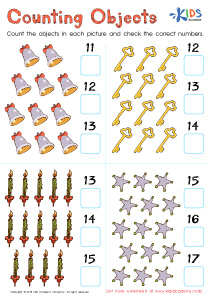
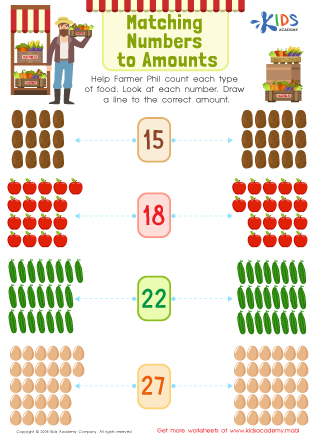
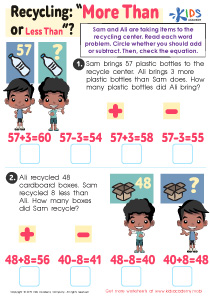
Understanding Place Values is a crucial mathematical skill for young learners aged 4-7, setting the foundation for future math success. Our carefully crafted Normal Place Value Worksheets introduce children to the concept of units, tens, and hundreds using engaging and age-appropriate activities. These worksheets help kids visually and logically grasp the idea of place value, enhancing their problem-solving and critical thinking skills. By providing fun and interactive exercises, our printable resources make learning place values enjoyable and effective. Visit Kids Academy to download these essential tools and aid your child in gaining confidence and competence in early math.
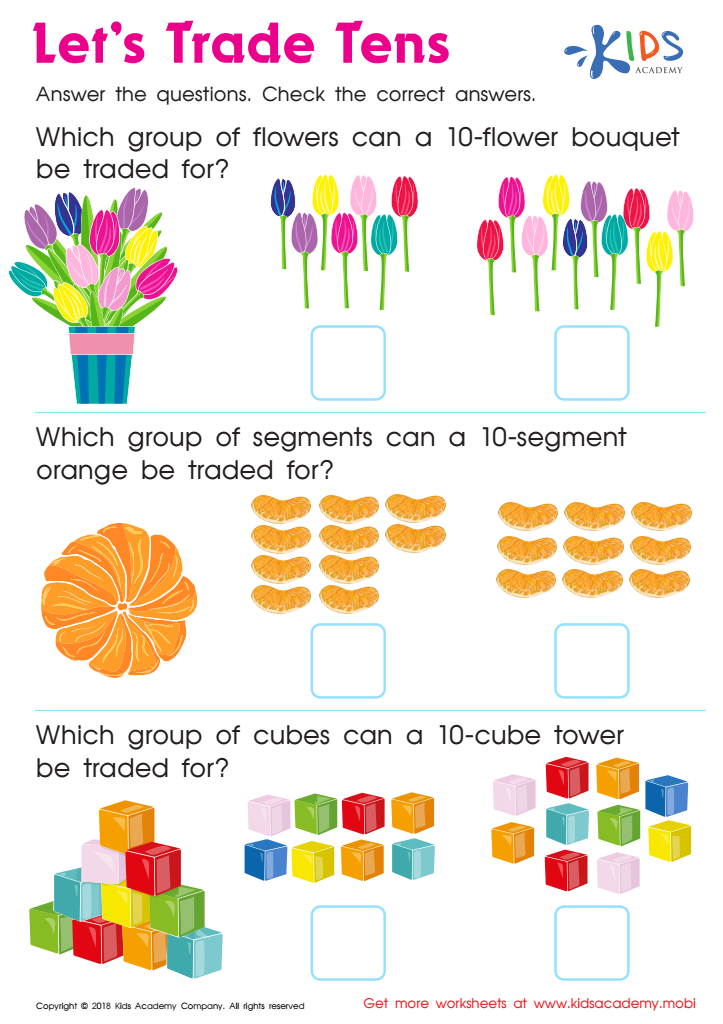
Lets Trade Tens Worksheet
 Assign to My Students
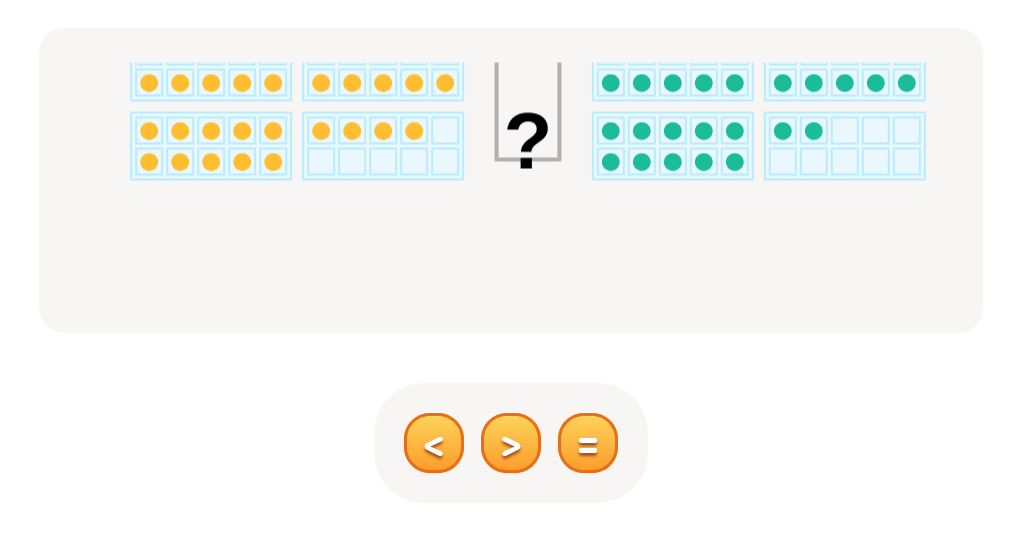

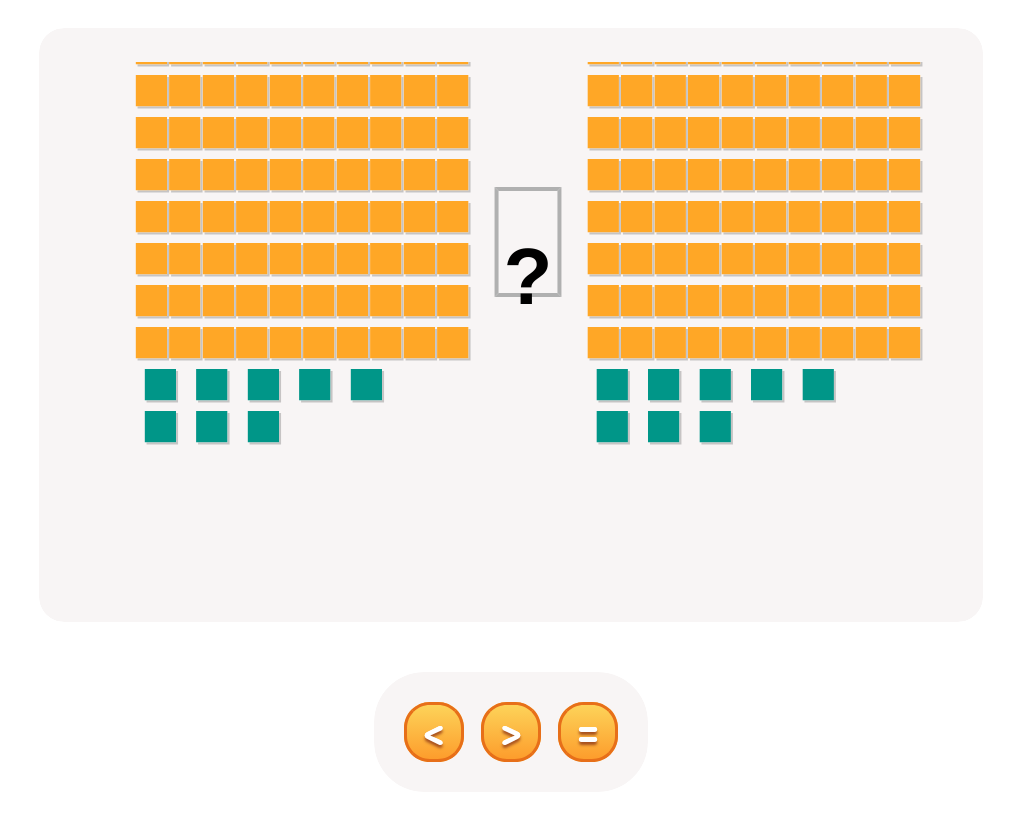
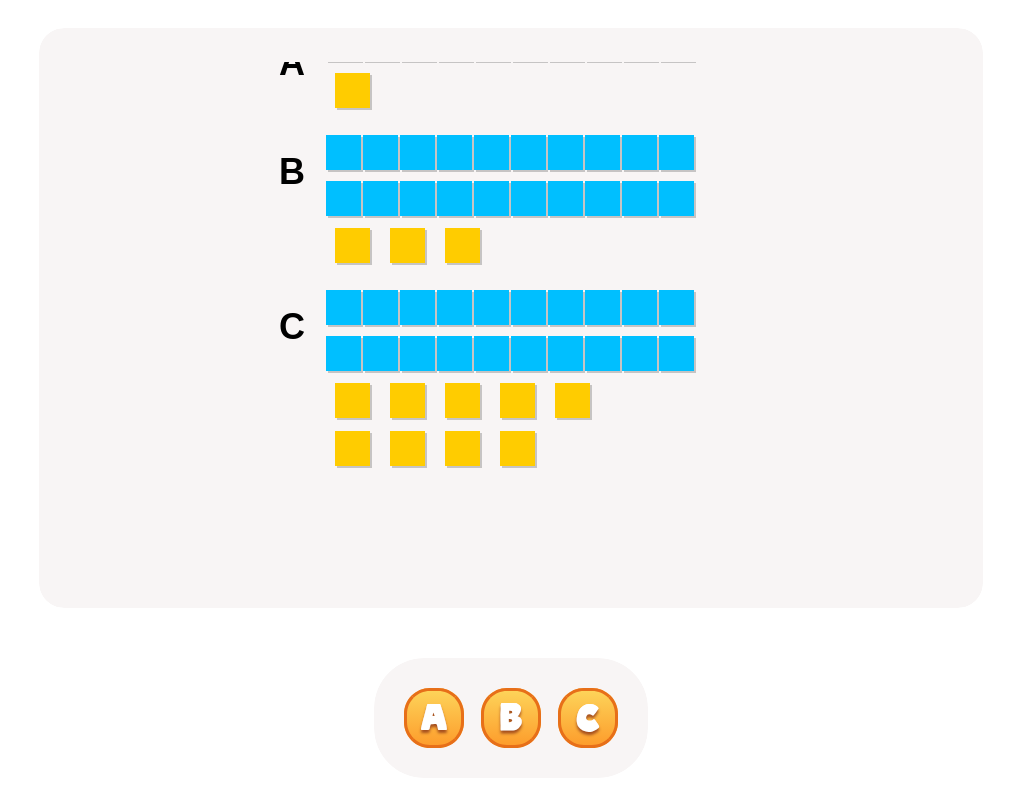
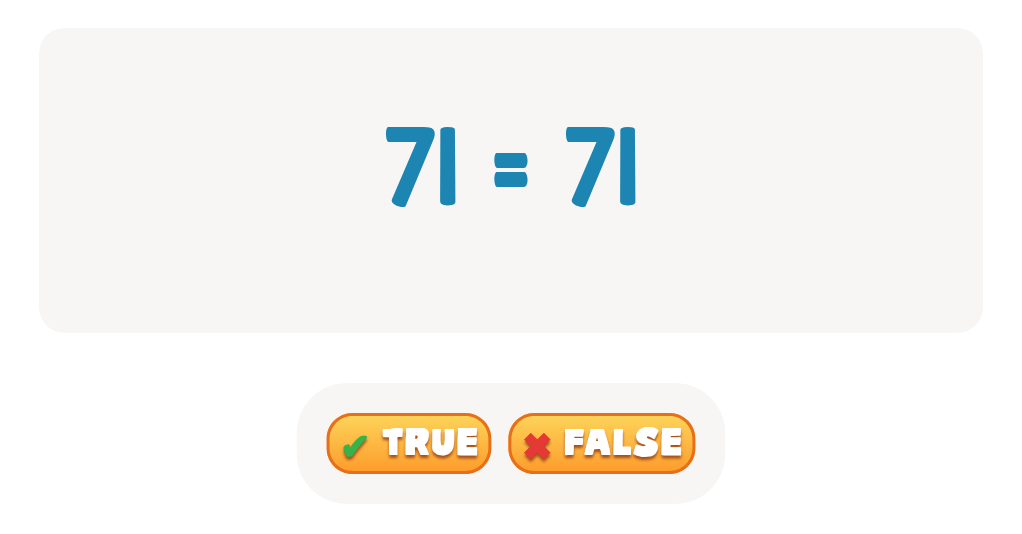
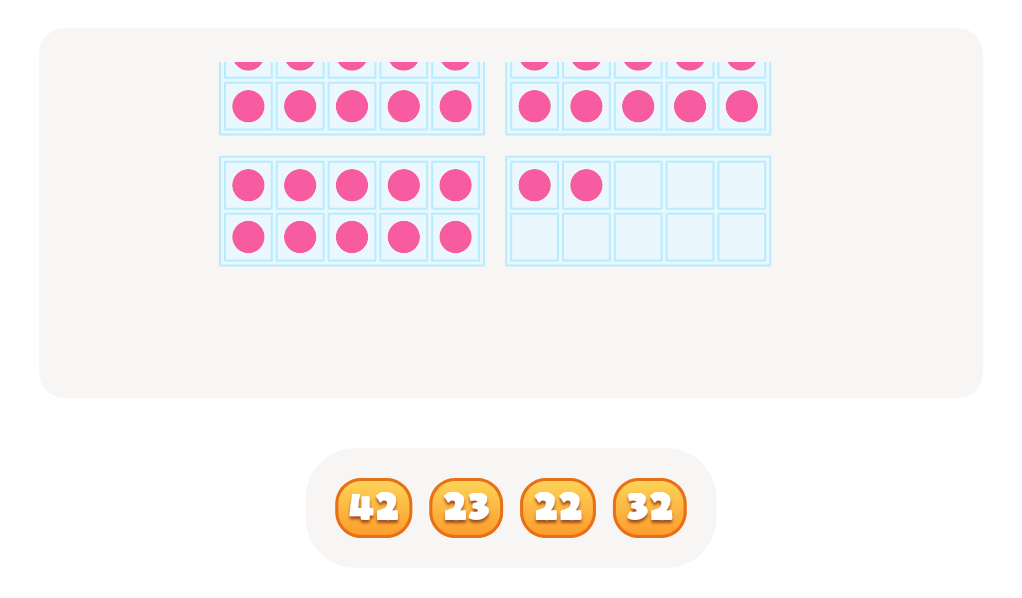
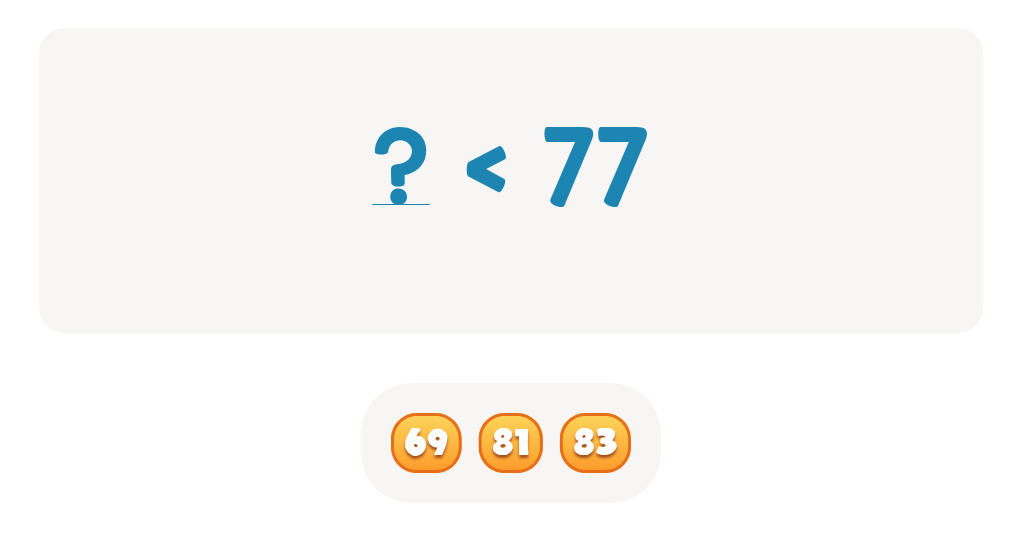
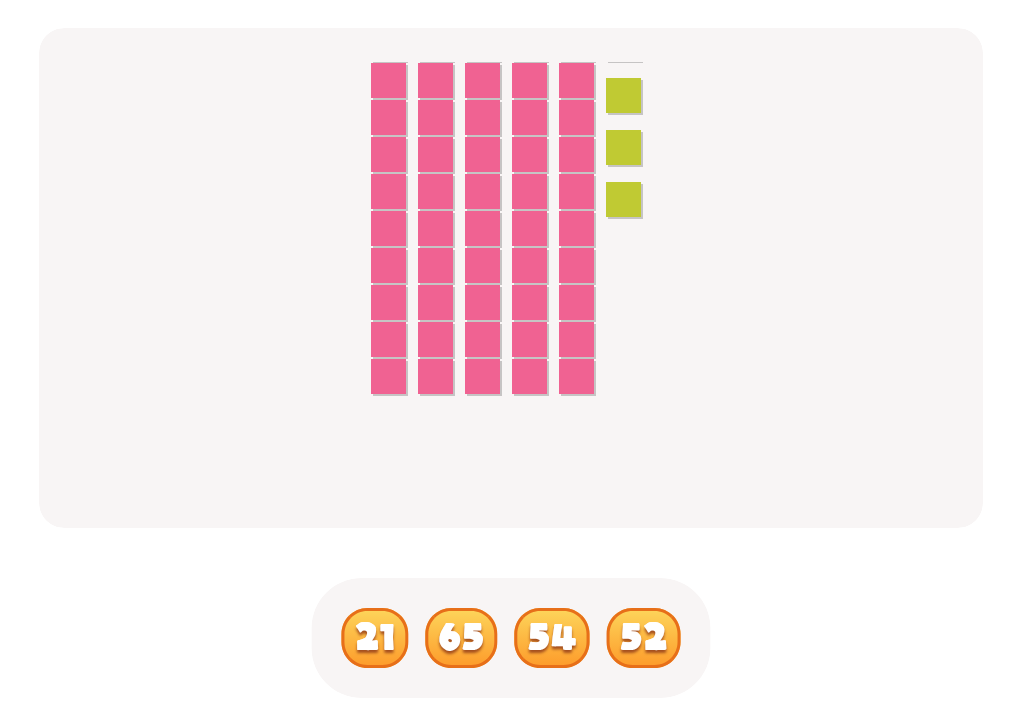
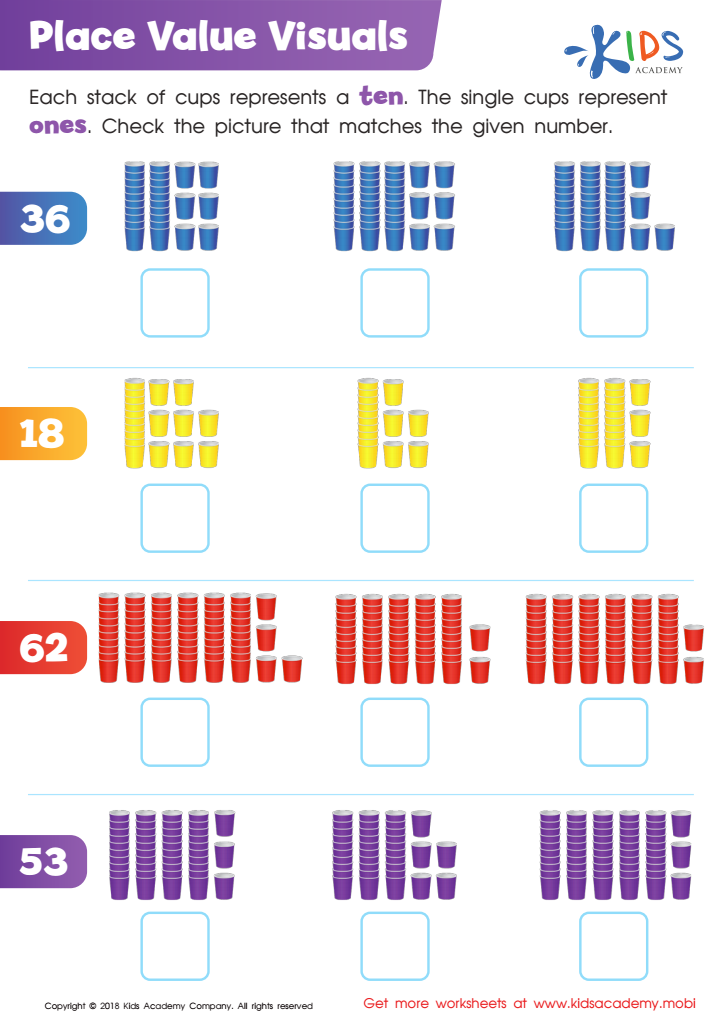
Place Value Visuals Worksheet
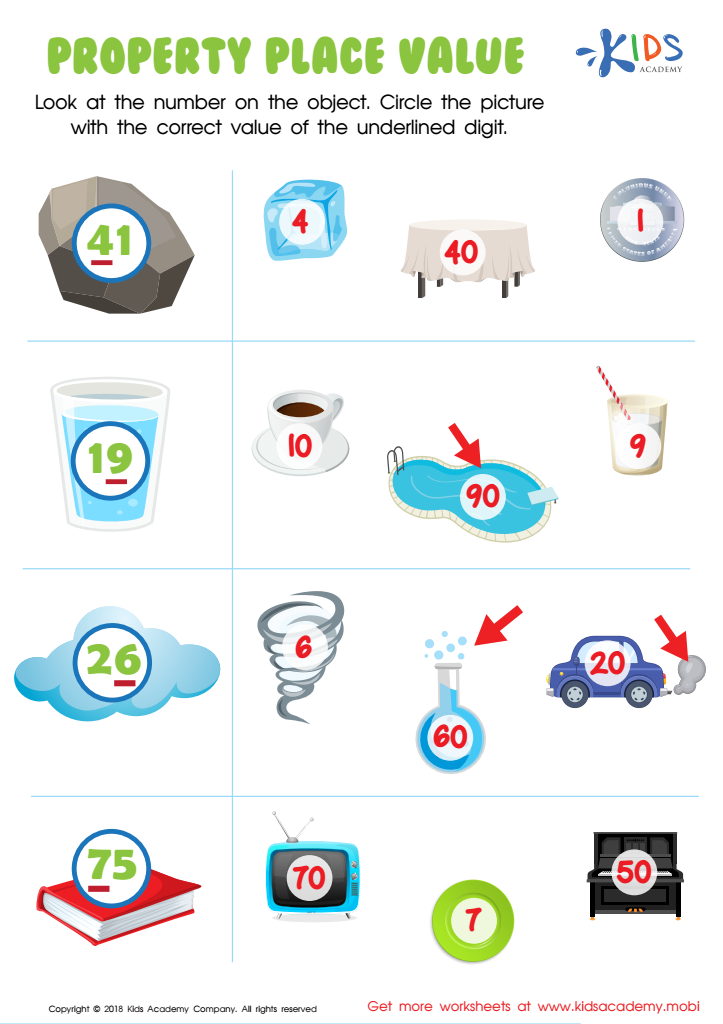
Property Place Value Worksheet
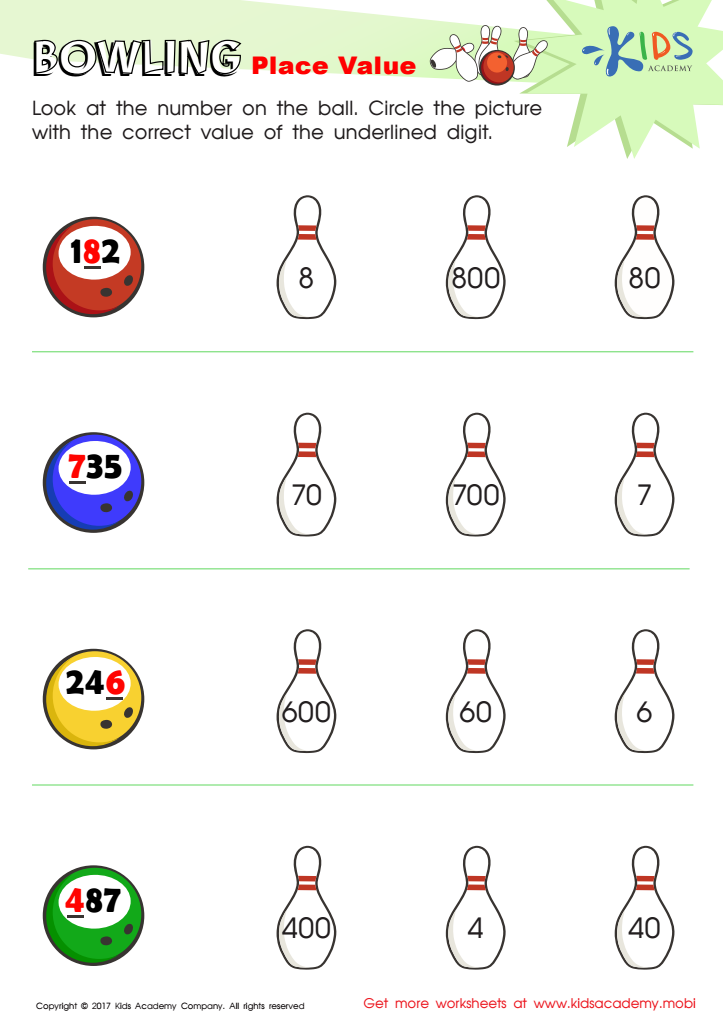
Place Value Worksheet
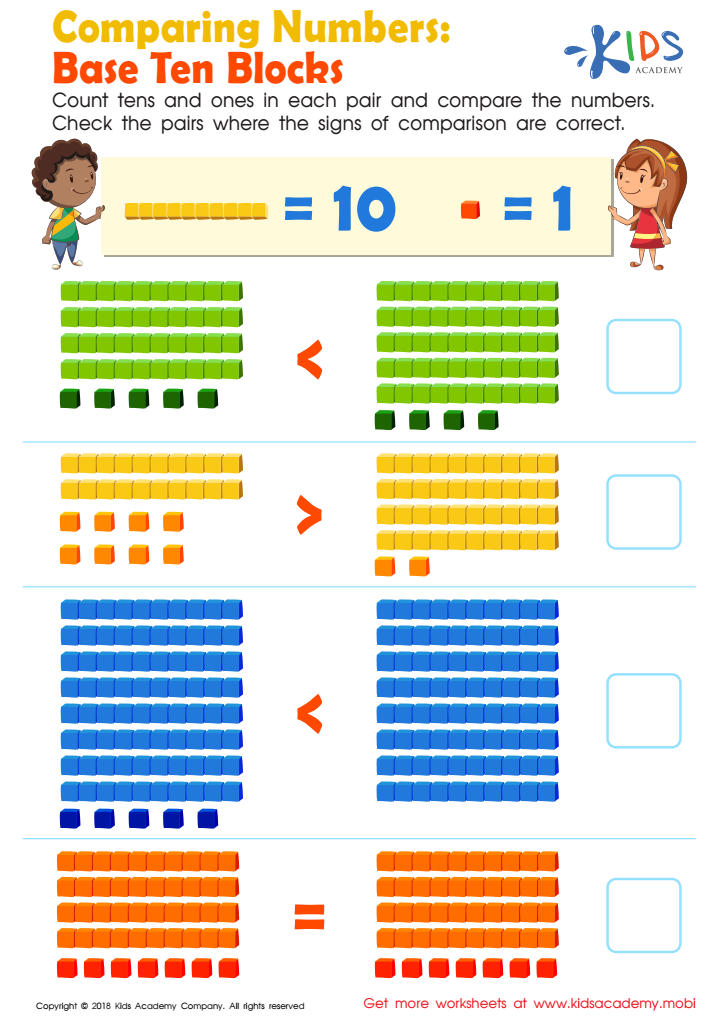
Comparing Numbers: Base Ten Blocks Worksheet
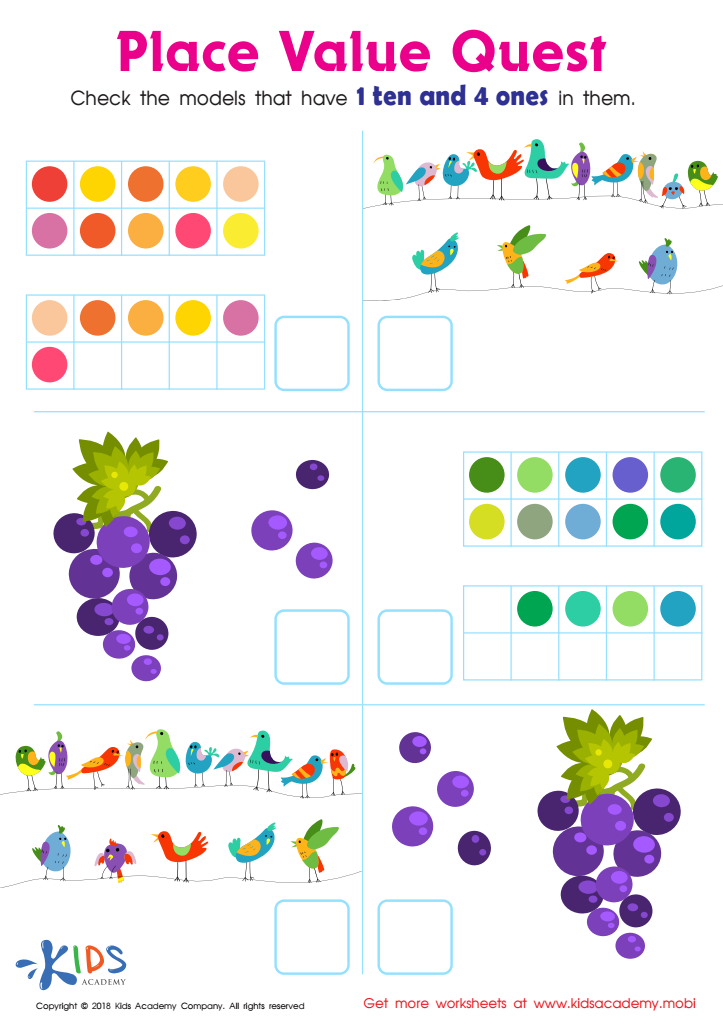
Place Value Quest Worksheet








Understanding place values is crucial for young children, particularly those ages 4-7, as it lays the foundation for essential math skills. At this formative age, grasping the concept of place value enables children to comprehend and perform arithmetic operations such as addition, subtraction, multiplication, and division with greater ease.
Place value refers to the value of each digit in a number based on its position. For instance, in the number 347, the digit 3 is in the hundreds place, making its value 300. Learning this helps children not just to recognize numbers, but to understand what they represent. This understanding is critical for advancing in math, making mental calculations, and solving problems efficiently.
For teachers and parents, emphasizing place value helps to build a strong numerical literacy. It aids children in recognizing patterns and making connections between numbers, which are essential skills for higher-level math concepts. This fundamental understanding supports future learning in all STEM disciplines and daily life tasks, such as telling time and handling money.
Moreover, fostering a child's comprehension of place value encourages logical thinking and boosts confidence in their problem-solving abilities. As children become more adept in math, they are more likely to enjoy the subject and pursue more challenging mathematical endeavors. Therefore, effectively teaching place value is an investment in a child's academic growth and future success.