Reading comprehension Normal Building Vocabulary Worksheets for Ages 4-7 - Page 3
52 filtered results
-
From - To
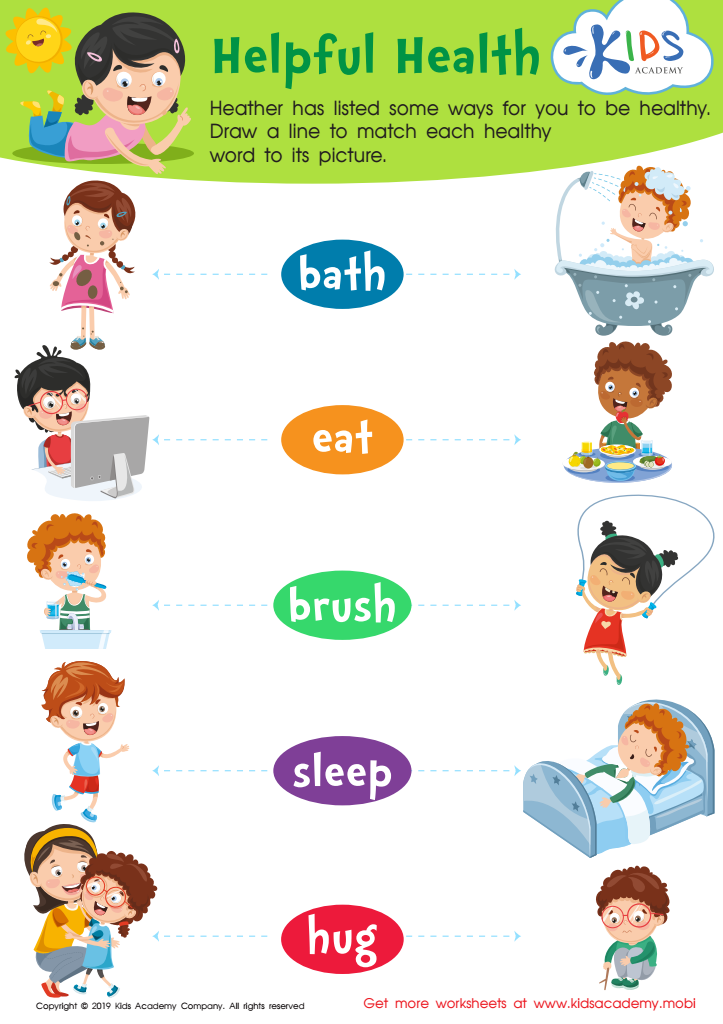
Helpful Health Worksheet
 Assign to My Students











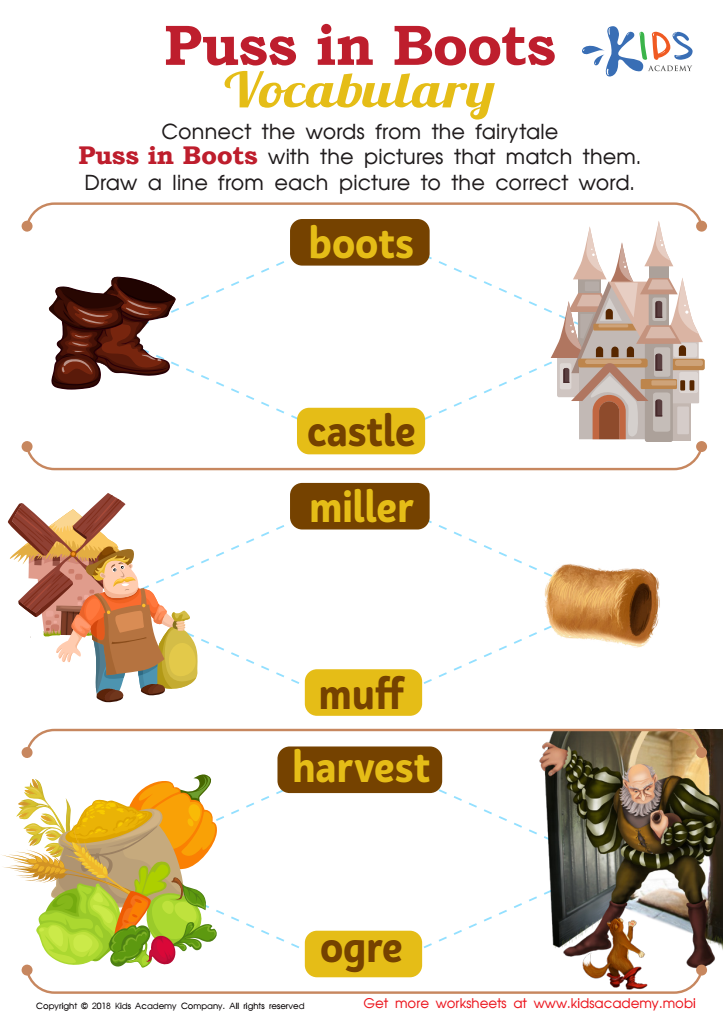
Puss in Boots Vocabulary Worksheet
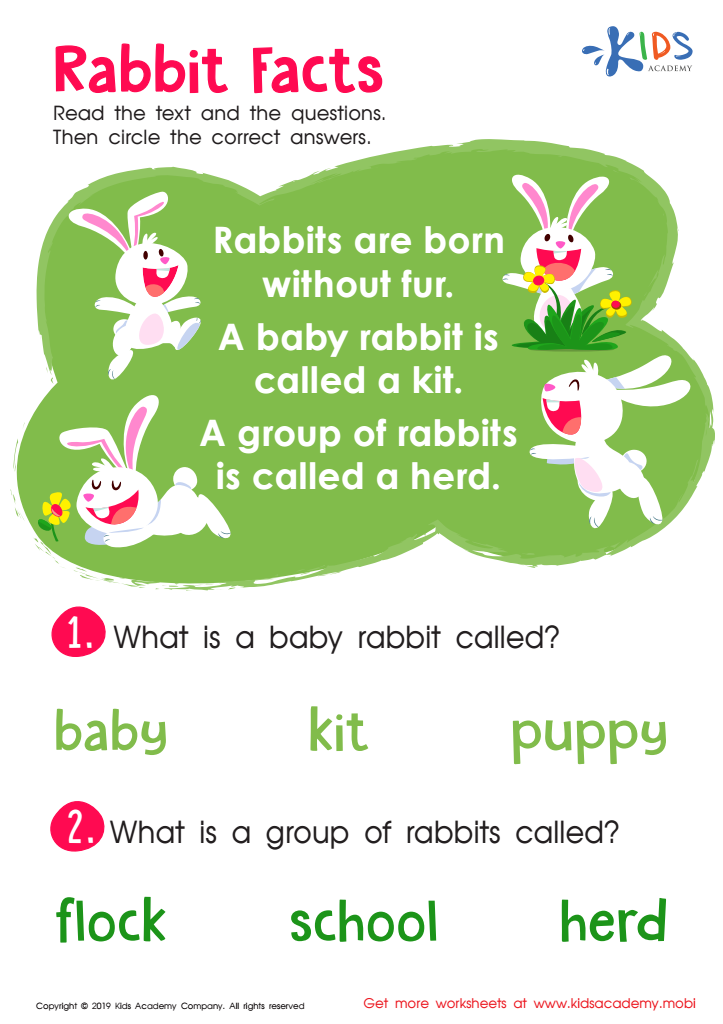
Rabbit Facts Worksheet
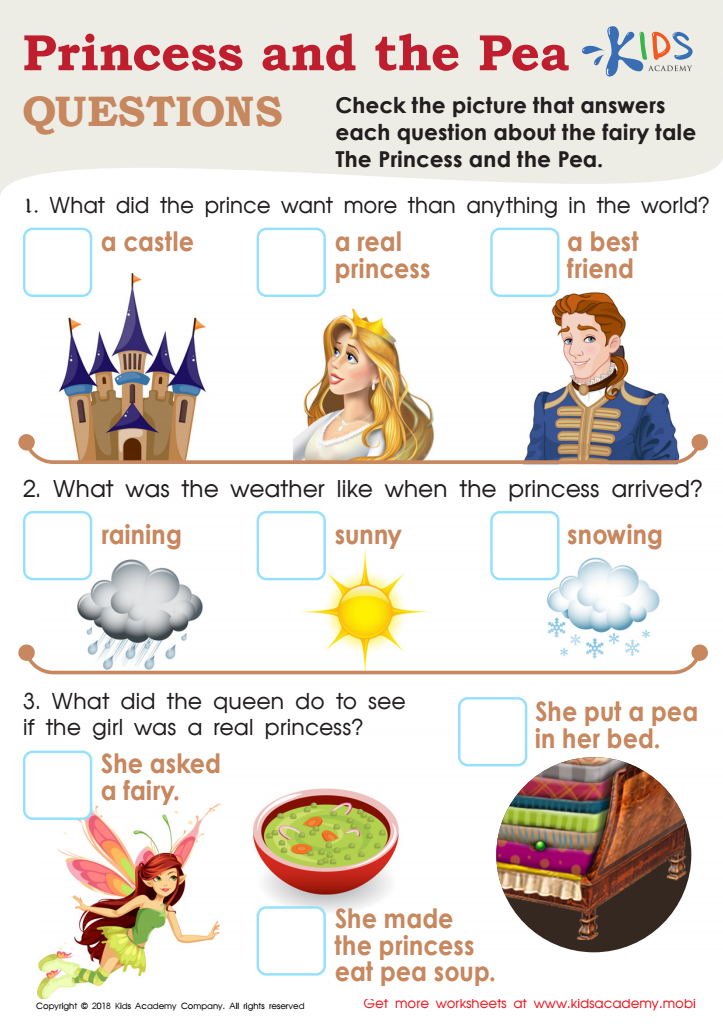
Princess and the Pea Questions Worksheet







Reading comprehension and vocabulary building are crucial skills for young learners aged 4-7. Understanding why these skills are important can help parents and teachers prioritize them in early education.
First, strong reading comprehension skills enable children to grasp the meaning of not just the text in front of them, but also broader concepts and ideas. A child who understands what they read is more likely to become an independent learner, capable of enjoying and engaging with books, instructions, and even their peers' stories or classroom content.
Second, a rich vocabulary is foundational for reading comprehension. When children know the meanings of words, they can decode and understand texts more easily. As children learn new words, they can describe their thoughts, feelings, and surroundings more effectively, which enhances their communication skills and creativity.
Moreover, developing these skills early sets the stage for academic success. Strong readers with broad vocabularies tend to perform better across all subjects, from math to history, because they can follow instructions, understand questions, and articulate their thoughts coherently.
Lastly, early achievement in reading and vocabulary helps foster a love for learning and intellectual curiosity. By supporting these areas, parents and teachers can help children become confident, articulate, and capable individuals, both inside and outside the classroom.








