Spelling improvement Normal Building Vocabulary Worksheets for Ages 4-7
7 filtered results
-
From - To
Enhance your child’s spelling skills with our expert-designed normal building vocabulary worksheets for ages 4-7. These worksheets are tailored to introduce young learners to essential spelling strategies through engaging and age-appropriate activities. Specifically crafted by educators, our resources support the development of foundational vocabulary and spelling proficiency. Through a blend of fun exercises and critical thinking tasks, children will learn to recognize word patterns, improve phonemic awareness, and elevate their confidence in spelling. Ideal for early grade learners, our worksheets are perfect for both classroom and home use, laying the groundwork for future literacy success.
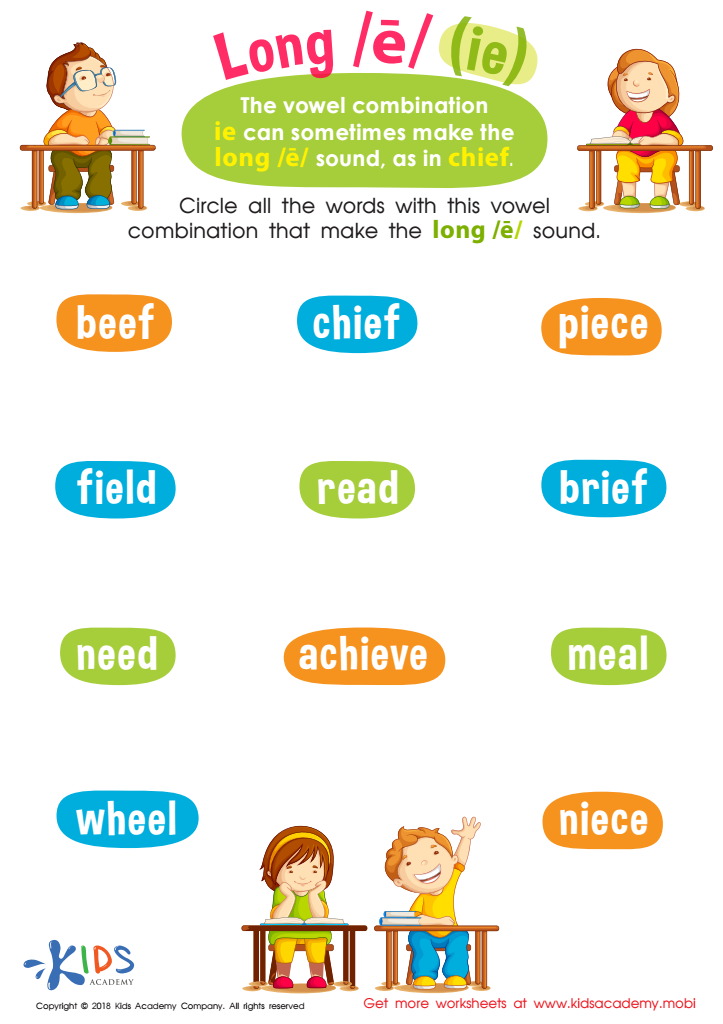
Reading: Long E and IE Worksheet
 Assign to My Students











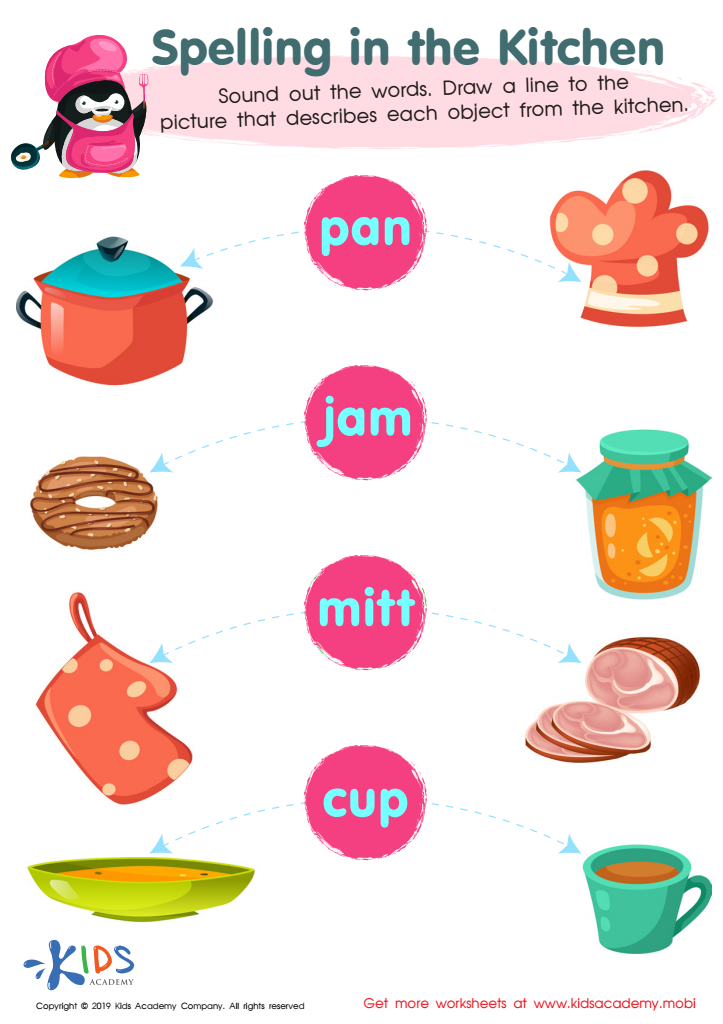
Spelling in the Kitchen Worksheet
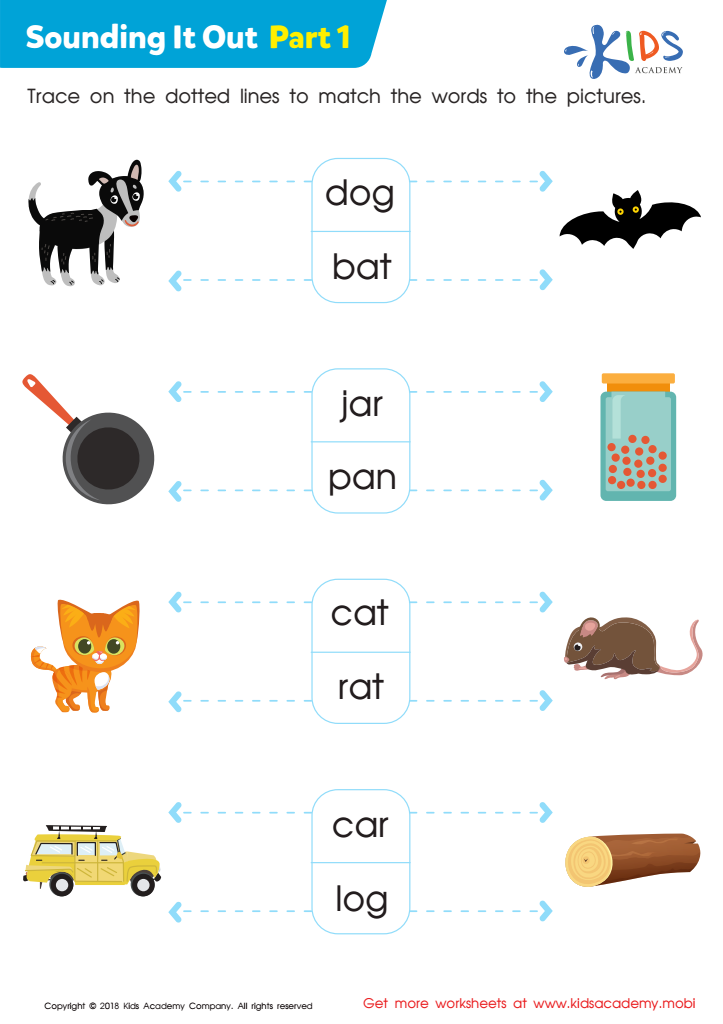
Sounding it Out: Part 1 Worksheet
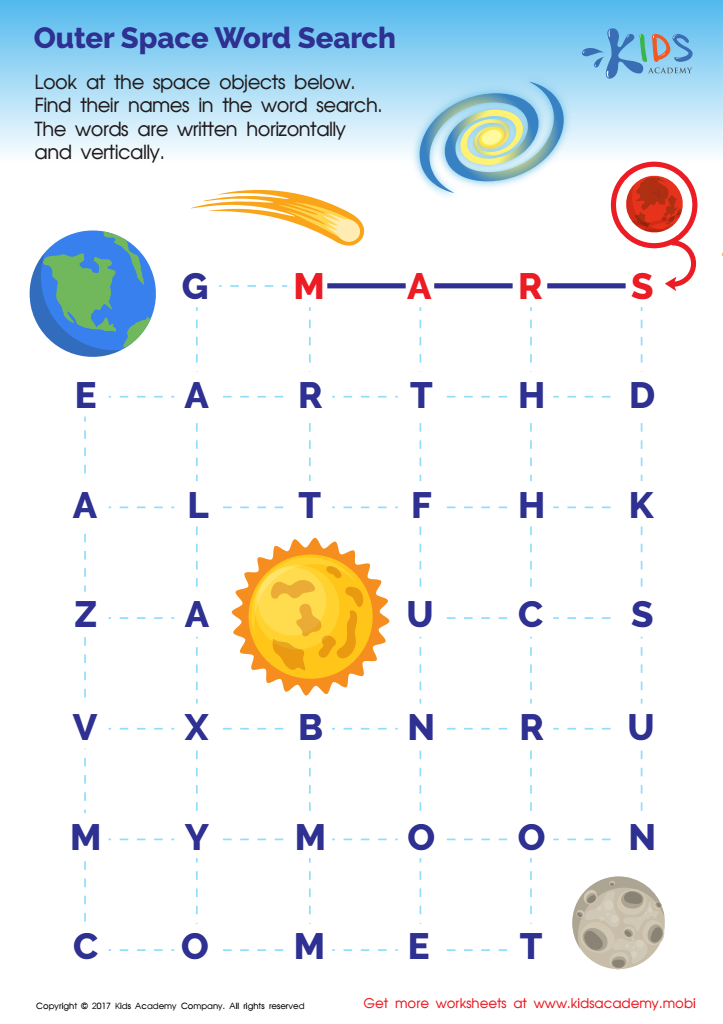
Outer Space Word Search Printable
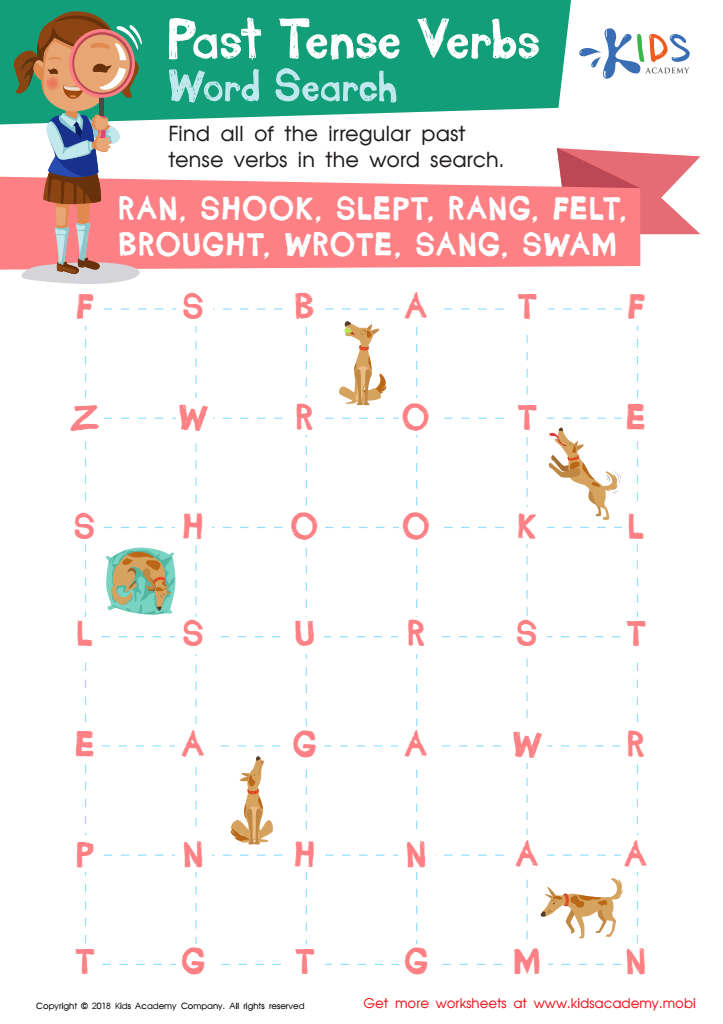
Past Tense Verbs Word Search Worksheet
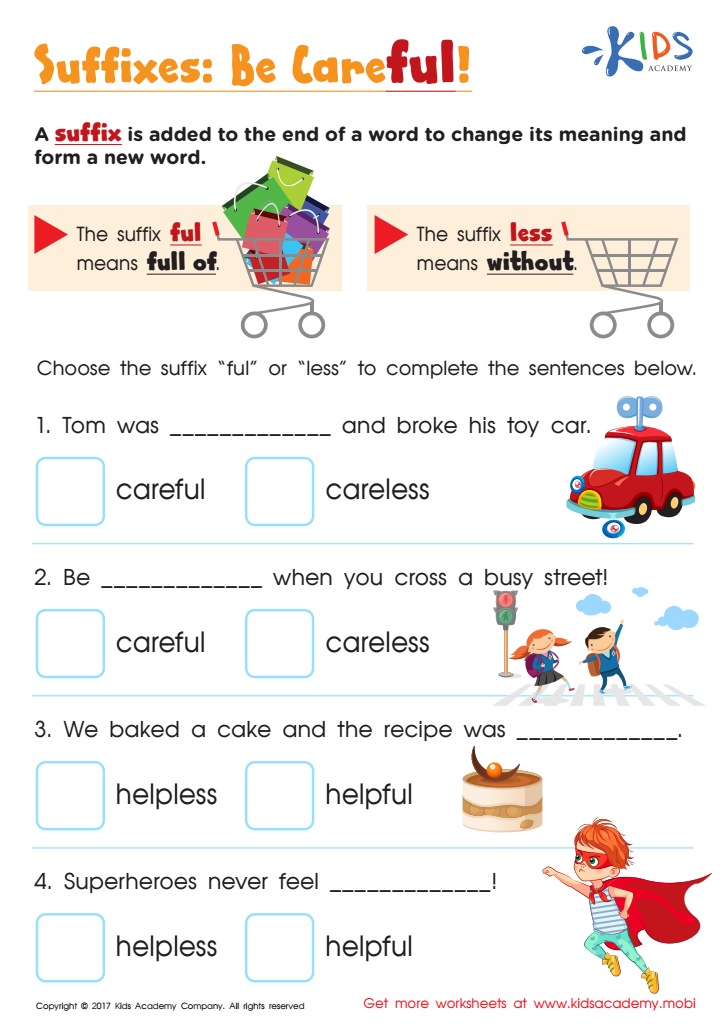
Suffixes Ful and Less Worksheet
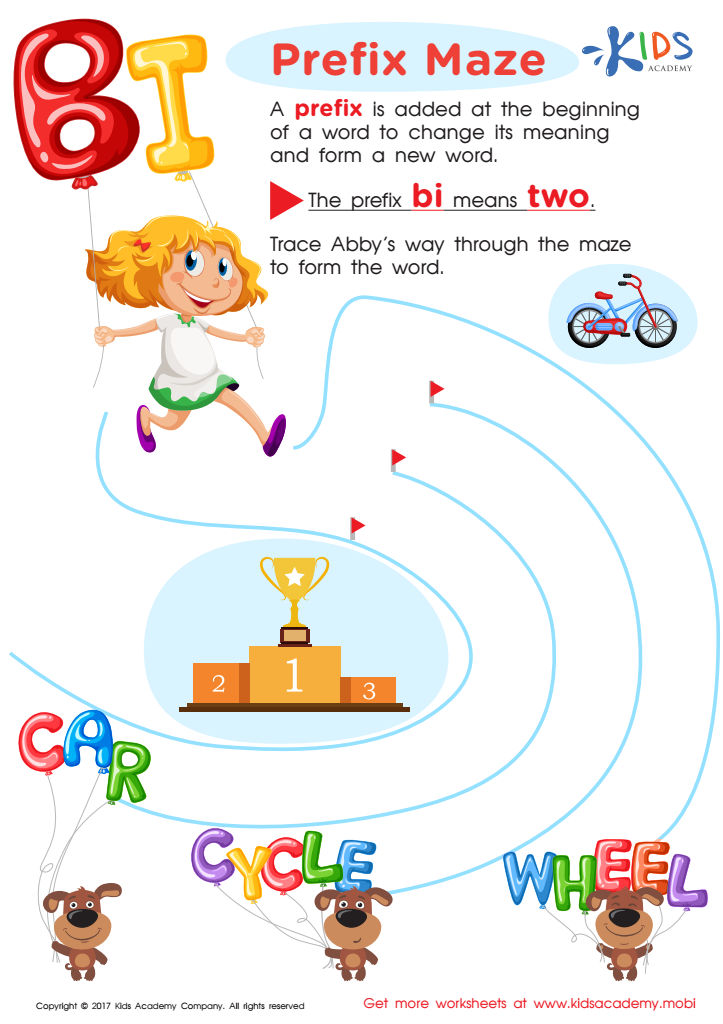
Prefix Bi Words Worksheet








Spelling improvement and vocabulary building are vital cornerstones in the early education of children aged 4-7. At this developmental stage, children’s brains are exceptionally receptive to learning new information, laying a critical foundation for future academic and communication skills.
Spelling proficiency aids in reading fluency and comprehension. When children recognize the correct arrangement of letters in words, they read more quickly and with greater understanding, fostering a love for reading. Improved spelling also fine-tunes phonemic awareness—the ability to hear, identify, and manipulate sounds—which is crucial for decoding new words.
Vocabulary development, on the other hand, significantly enhances children’s ability to express themselves clearly and accurately. A rich vocabulary allows children to describe their thoughts, emotions, and experiences more precisely, boosting their communication skills. This not only aids in academic success, as most subjects require strong language skills, but also supports social interactions and emotional expression.
In essence, by emphasizing spelling improvement and vocabulary expansion, parents and teachers empower children with the fundamental tools necessary for effective communication, critical thinking, and academic success. These early efforts cultivate lifelong learning skills, instill confidence, and prepare children to navigate complex ideas and concepts as they progress in their educational journey and daily interactions.








