Hand-eye Coordination Normal Reading Worksheets for Ages 4-7
5 filtered results
-
From - To
Enhance your child's learning journey with our Hand-eye Coordination Normal Reading Worksheets, designed for kids aged 4-7. These engaging worksheets are specifically created to improve motor skills while developing reading proficiency. Each activity guides young learners through fun exercises that combine visual perception and hand movements, fostering coordination necessary for reading and writing. As children trace, color, and match letters and words, they build essential skills that pave the way for academic success. Perfect for home or classroom use, these worksheets will captivate kids’ attention while promoting focus and creativity. Join our learning adventure today and watch your child flourish!
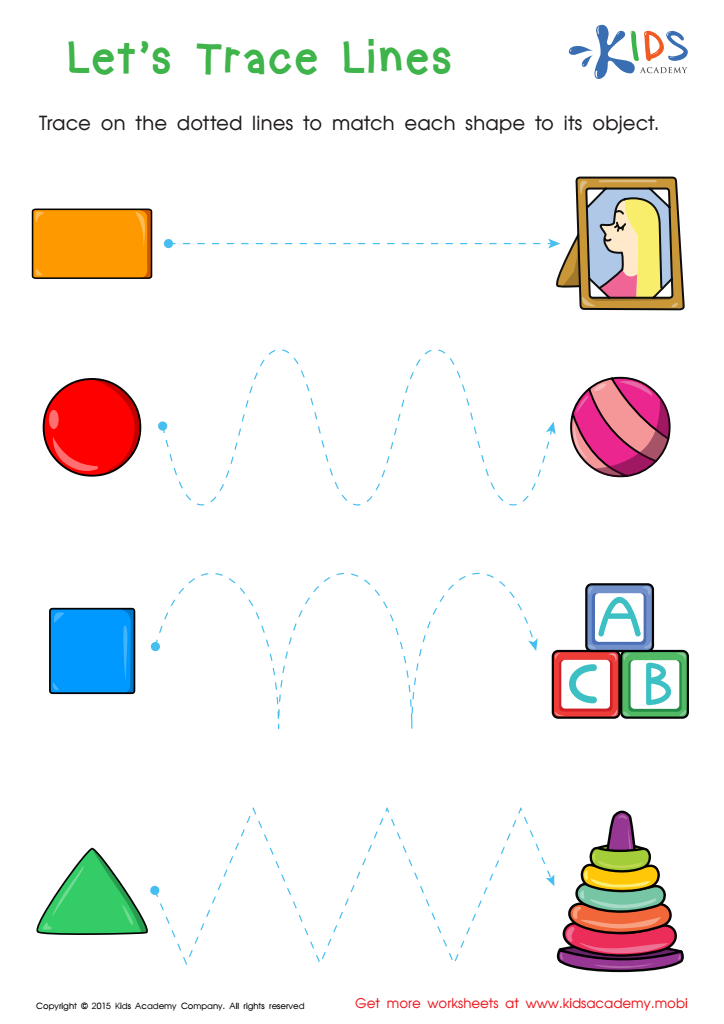
First Words: Let's Trace Lines Worksheet
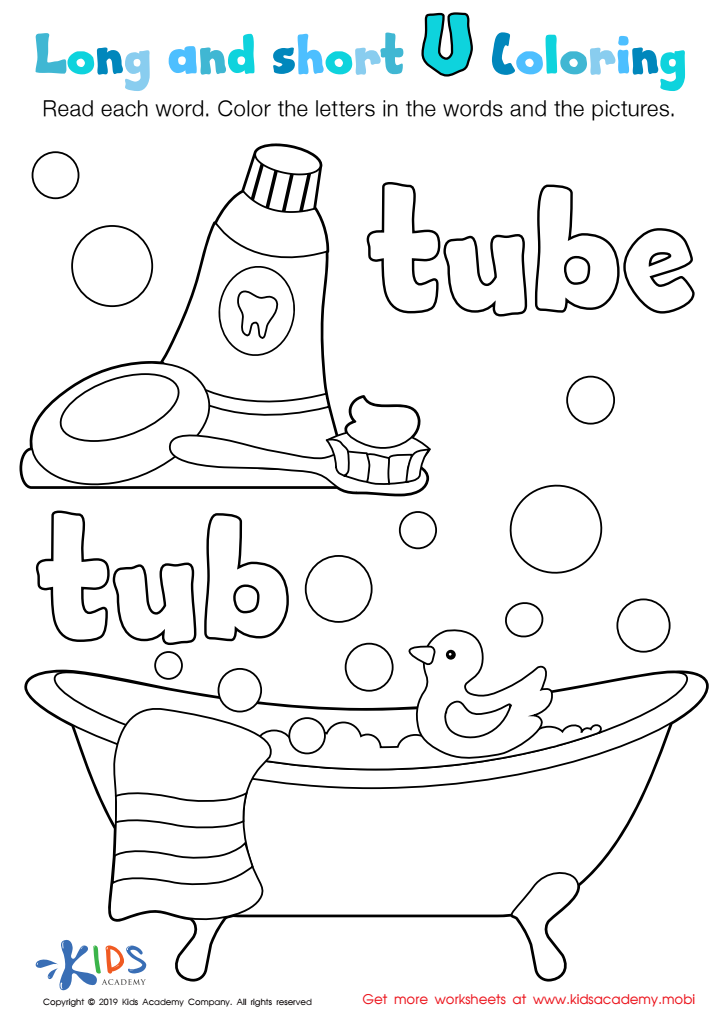
Long and Short U Worksheet
 Assign to My Students
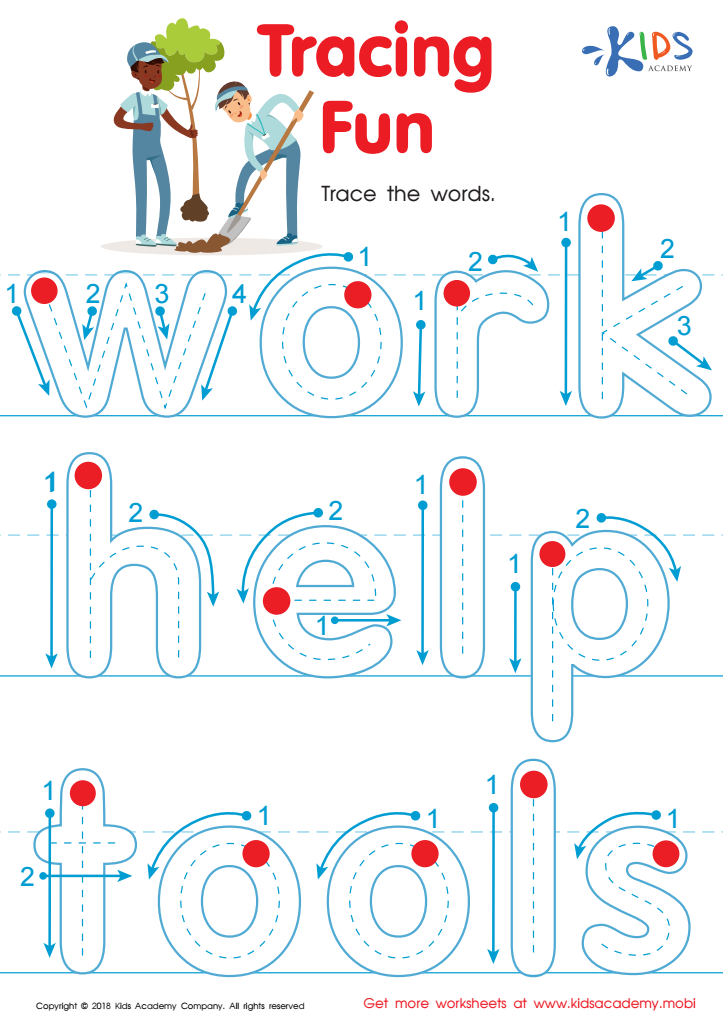
Tracing Fun Worksheet
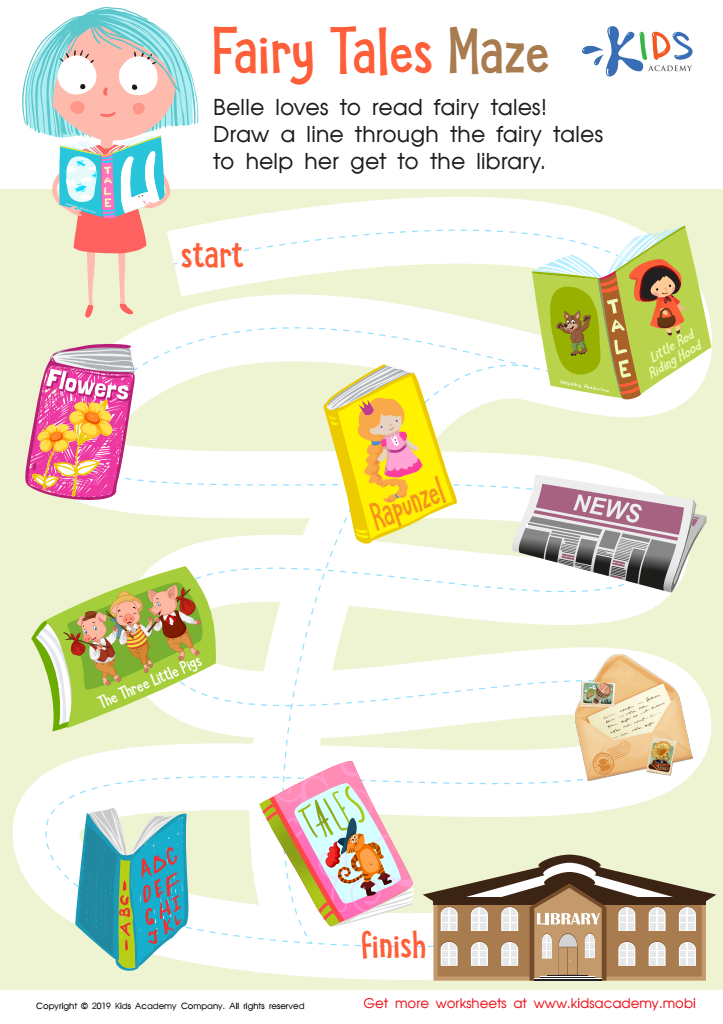
Fairy Tales Maze Worksheet
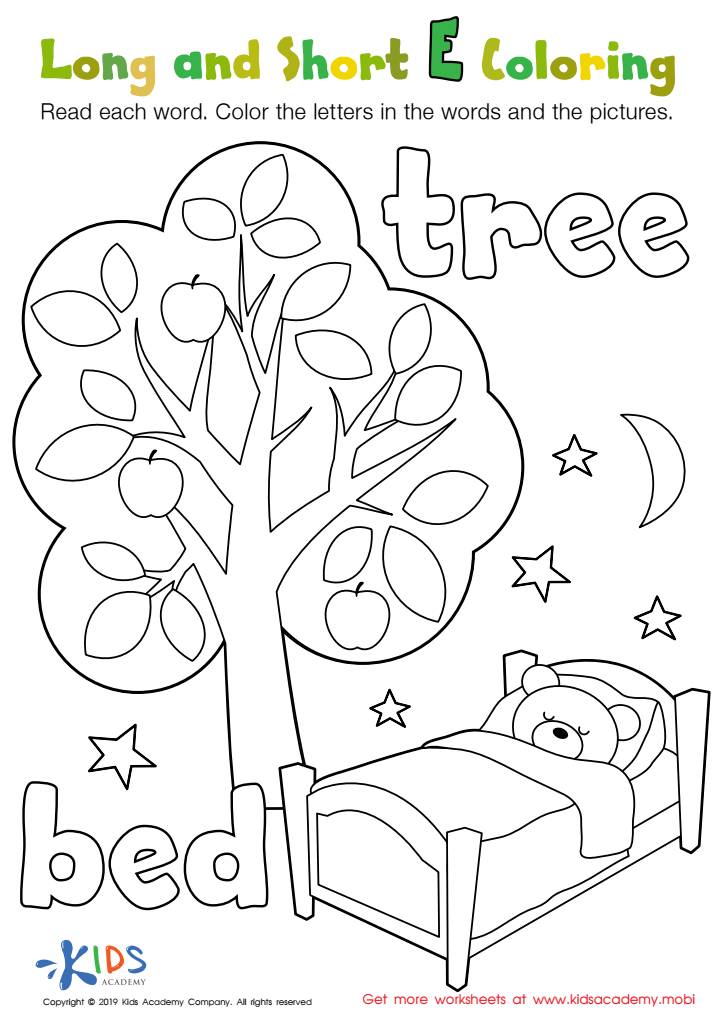
Long and Short E Worksheet
Assign to My Students


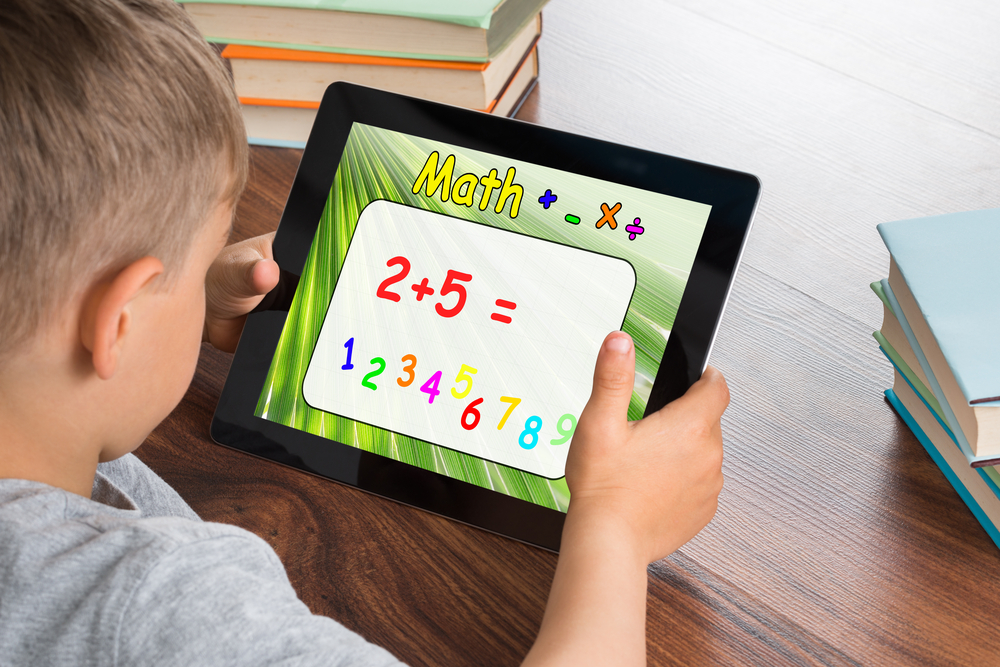




Hand-eye coordination is a crucial skill for children aged 4 to 7, as it lays the foundation for successful reading and learning. This skill enables children to effectively track text on a page, helping them connect visual letters and words with their meanings. As they develop hand-eye coordination, children gain the ability to control their eye movements while simultaneously engaging their hands, which is essential not only for reading but also for writing.
Attention to hand-eye coordination in early education can help identify and address any potential difficulties before they impact academic performance. Strong coordination skills also encourage fine motor development, which is critical for tasks such as holding a pencil, cutting with scissors, or manipulating learning materials. Furthermore, engaging in activities that promote hand-eye coordination—such as puzzles, drawing, or playing catch—can enhance a child’s concentration and cognitive skills, further enriching their overall learning experience.
Parents and teachers who understand the importance of hand-eye coordination can create supportive learning environments that include play-based activities, ensuring children are prepared for the more complex tasks of reading and writing as they grow. Ultimately, fostering this skill not only boosts literacy but also boosts self-confidence in young learners.








