Problem-Solving Skills Normal Reading Fiction Worksheets for Ages 4-7
5 filtered results
-
From - To
Welcome to our engaging collection of Problem-Solving Skills Normal Reading Fiction Worksheets, designed specifically for children ages 4-7! These worksheets help young learners enhance their critical thinking and reasoning abilities through interactive fiction stories. Kids will enjoy reading captivating tales while developing essential problem-solving skills in fun and imaginative ways. Each worksheet features age-appropriate exercises that encourage creativity and analytical thinking, allowing students to explore scenarios and make decisions based on the stories. Perfect for classroom or home use, these worksheets provide a delightful learning experience, fostering a love for reading while equipping children with vital skills for their future.
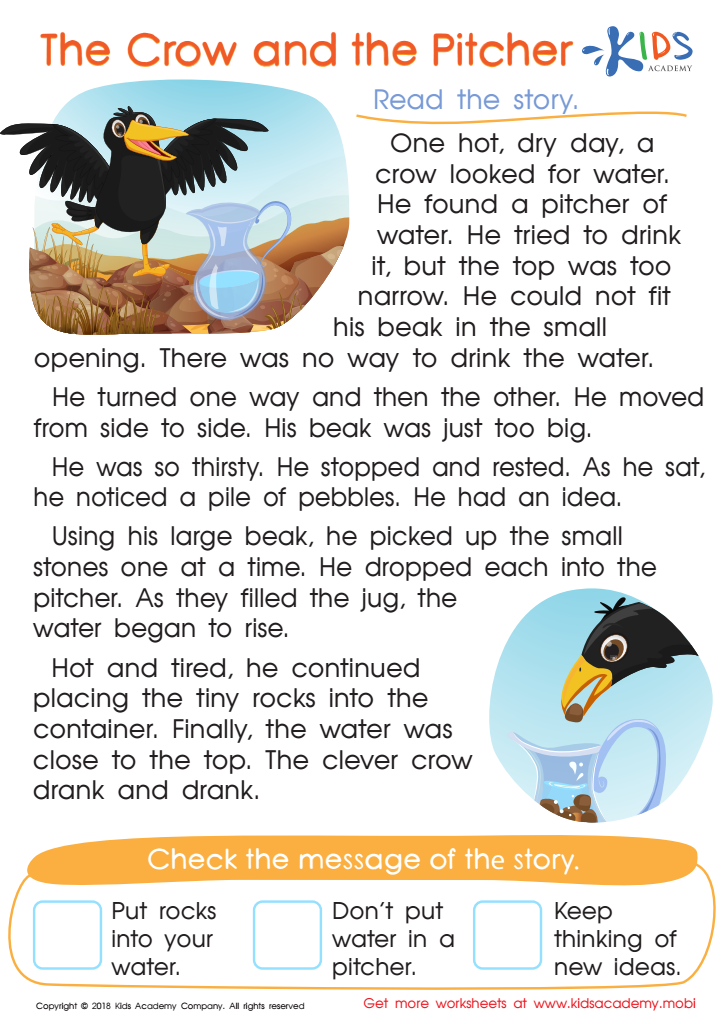
The Crow and the Pitcher Worksheet
 Assign to My Students
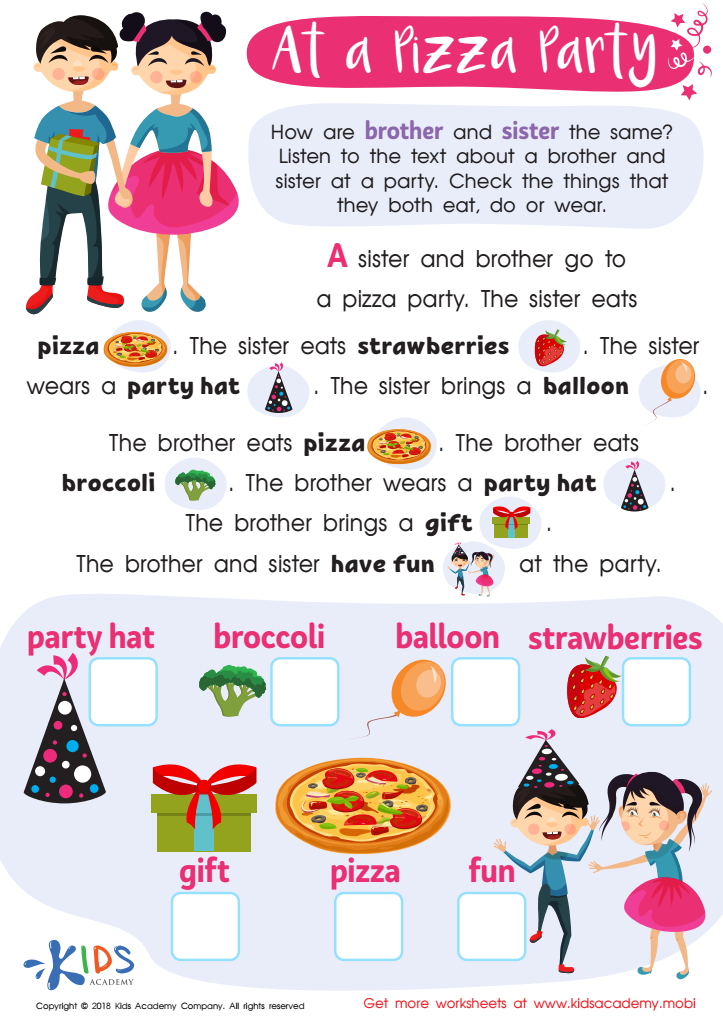
At a Pizza Party Worksheet
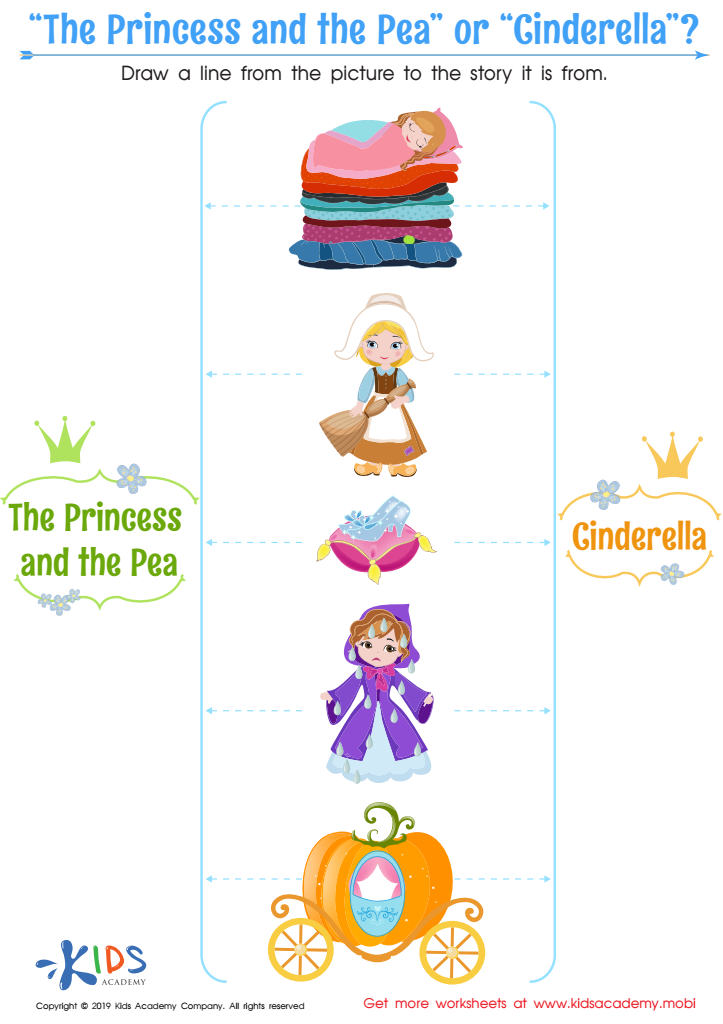
“The Princess and the Pea” or “Cinderella” Worksheet
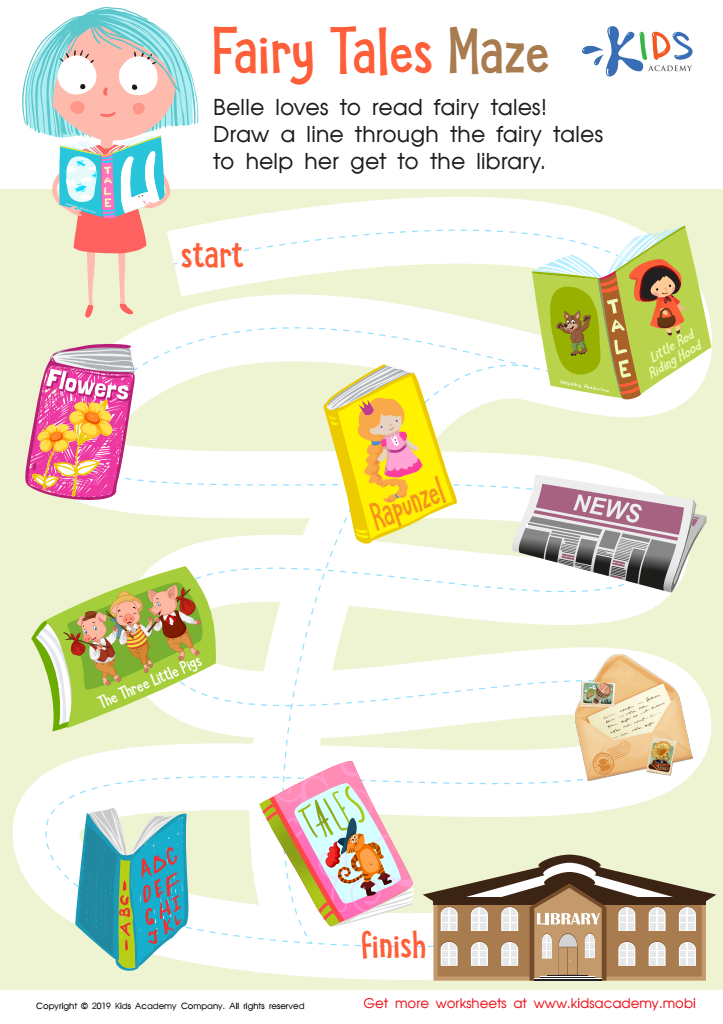
Fairy Tales Maze Worksheet
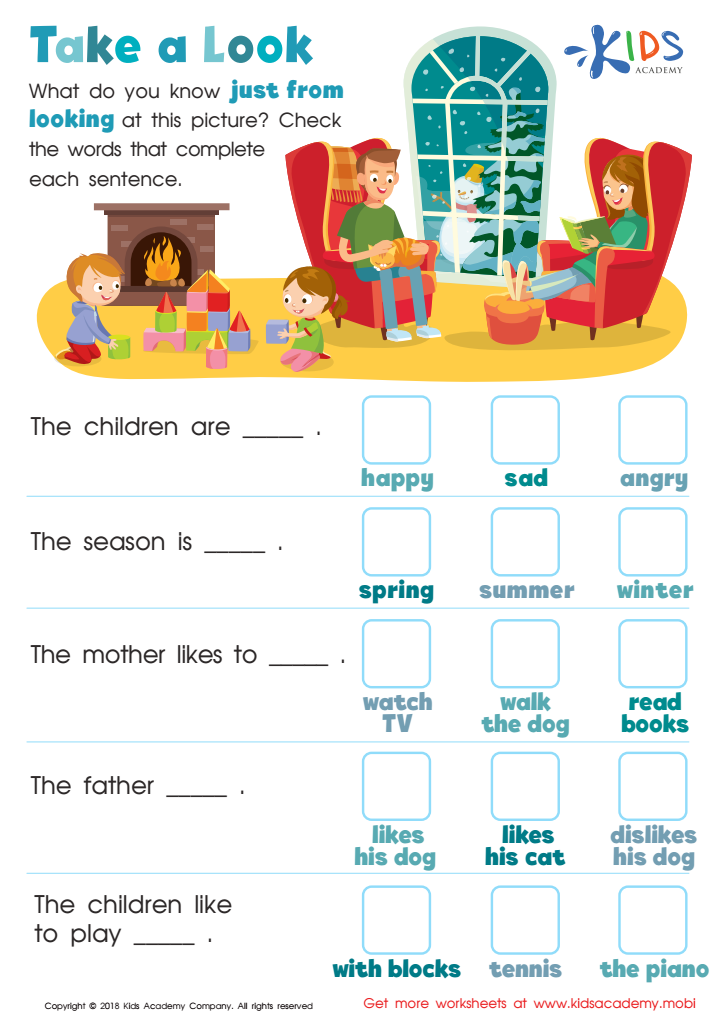
Take a Look - Part 1 Worksheet




.jpg)



Parents and teachers should prioritize problem-solving skills in children aged 4-7, particularly through normal reading fiction, for several reasons. First, stories offer relatable situations where characters encounter conflicts and challenges. Engaging with these narratives allows young readers to observe and analyze how problems are approached and resolved, fostering critical thinking. Children begin to understand different perspectives, enhancing their emotional intelligence and empathy.
Moreover, early exposure to problem-solving through fiction encourages imagination and creativity. When young readers consider various possible outcomes and solutions presented in stories, they not only develop cognitive skills but also boost their confidence in tackling challenges. This skill set translates into real-life situations, equipping children with the tools to face and overcome obstacles as they grow.
Additionally, storytime fosters language development and enhances communication skills. As children discuss the narratives with parents or teachers, they articulate their thoughts on the characters' decisions, which nurtures their ability to share ideas and collaborate.
In essence, normal reading fiction serves as a platform for young learners to build foundational problem-solving skills that are crucial for academic success and personal development. By valuing this aspect of literacy, adults can support lifelong learning habits in children.







