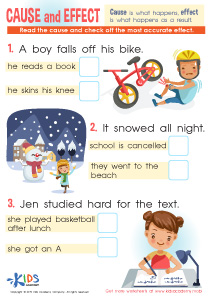
Comprehension skills Normal Reading Non-Fiction Worksheets for Ages 4-7
5 filtered results
Difficulty Level
Grade
Age
-
From - To
Subject
Activity
Standards
Unlock your child's potential with our "Comprehension Skills Normal Reading Non-Fiction Worksheets" designed for ages 4-7. These engaging worksheets provide young learners with the tools they need to understand and enjoy non-fiction texts. Through interactive activities, kids will develop essential comprehension skills such as identifying main ideas, recognizing details, and making connections. Each worksheet is crafted to foster critical thinking and encourage a love for reading while adapting to different learning styles. Perfect for home or classroom use, these resources ensure that emerging readers build confidence and competence in their reading abilities. Start your child's educational journey today!
Favorites
With answer key
Interactive
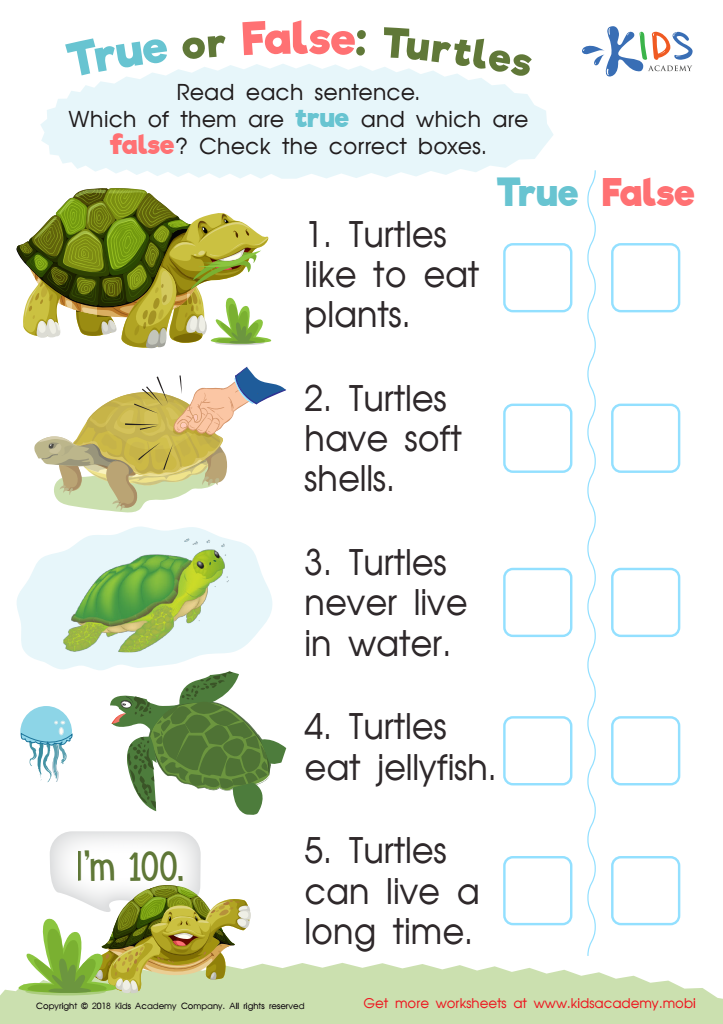
True or False: Turtles Worksheet
Print this free downloadable worksheet to strengthen your child's reading comprehension. Assist them to read each sentence and recall facts about turtles. Check true or false for each statement to verify their knowledge. Perfect for early learners!
 Assign to My Students
True or False: Turtles Worksheet
Worksheet
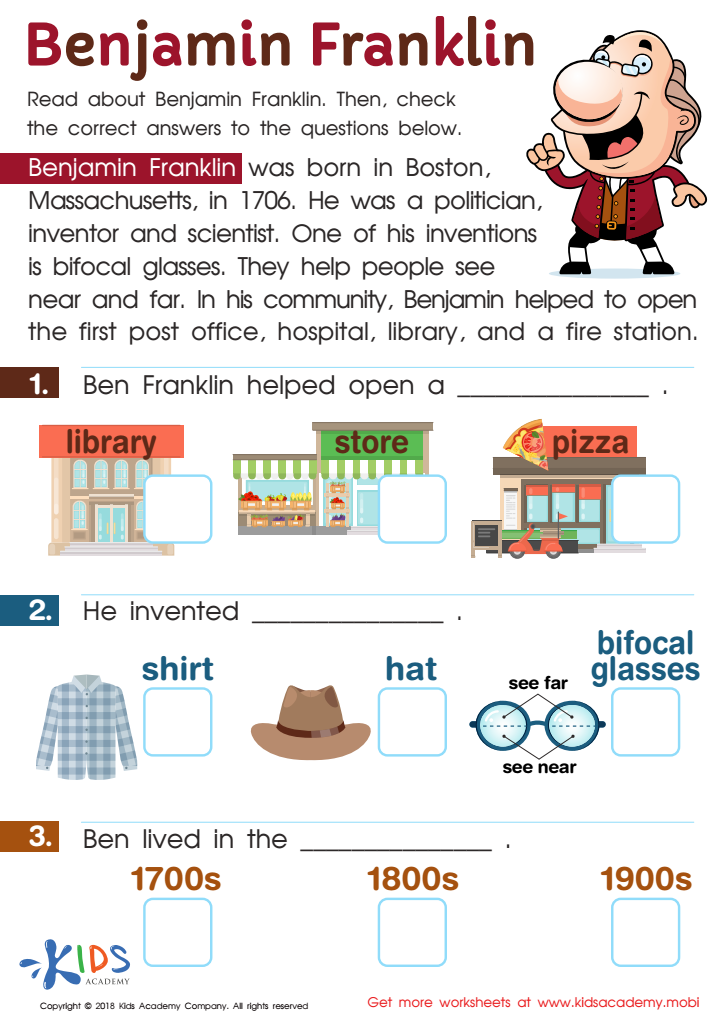
Benjamin Franklin Worksheet
Introduce your kids to one of history's most important figures - Benjamin Franklin! Tell them all about his remarkable contributions to the world and then use this worksheet to teach them even more. Read the text to them and check their answers against the questions afterwards.
Benjamin Franklin Worksheet
Worksheet
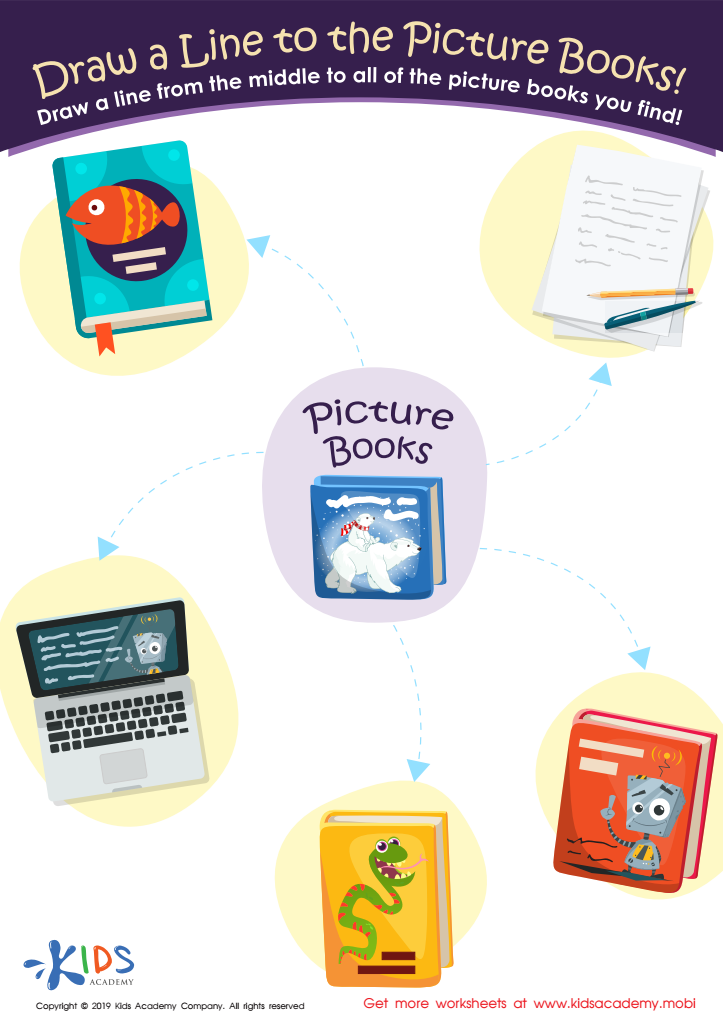
Draw a Line to the Picture Books Worksheet
Encourage your students to read and explore with this fun exercise! They'll draw a line from the word 'picture books' to the five objects. Picture books are exciting, with stories and colorful images. Make story time even more enjoyable with this worksheet!
Draw a Line to the Picture Books Worksheet
Worksheet
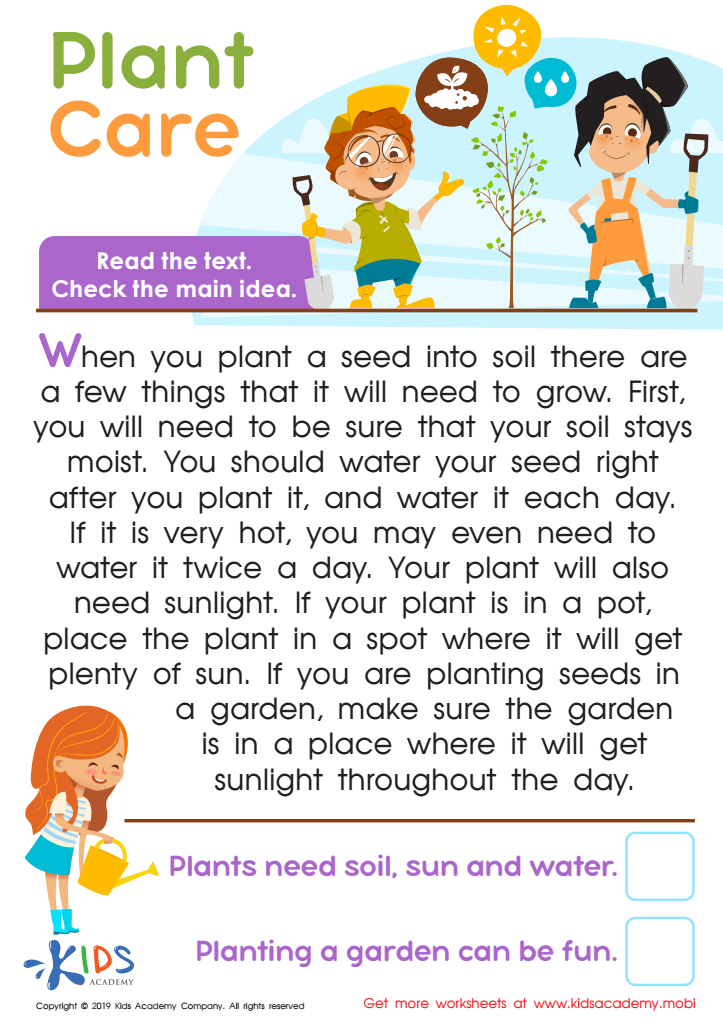
Plant Care Worksheet
Encourage your children to read by helping them practice. Print out the worksheet and read the text with them. Help them understand the words and find the main idea. This will improve their reading skills and prepare them for school.
Plant Care Worksheet
Worksheet
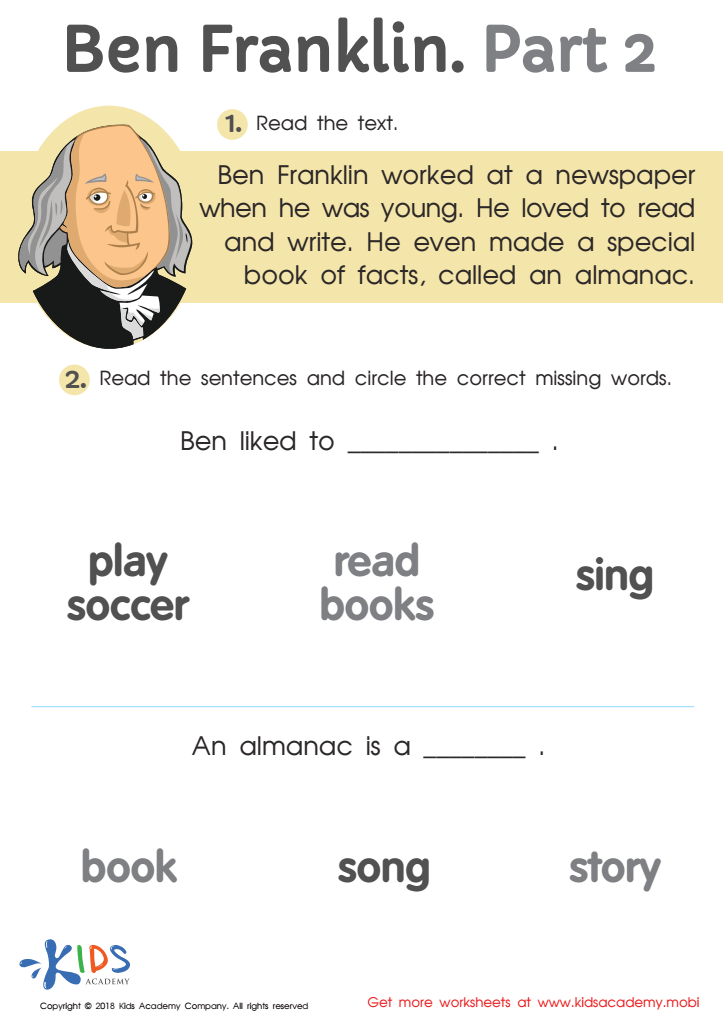
Ben Franklin Part 2 Worksheet
History is filled with great figures, like Benjamin Franklin. Let your kids in on the legacy by introducing them to the founder of the US fire department, diplomat, and inventor. Then, use a worksheet to have them fill in the blanks with the correct word to teach them more. Read the text, then read the sentences and have them circle the missing word.
Ben Franklin Part 2 Worksheet
Worksheet
Join Kids Academy for Free
Who is primarily going to use this learning content?








Parents and teachers should prioritize comprehension skills, particularly for normal reading non-fiction, for children ages 4-7 because these abilities form the foundation for lifelong learning. At this crucial developmental stage, children are naturally curious and eager to understand the world around them. Non-fiction texts introduce them to realistic topics, expanding their knowledge about nature, science, cultures, and social concepts.
By developing strong comprehension skills, children enhance their ability to think critically and engage with information. These skills also encourage them to ask questions, make connections, and relate their reading experiences to their everyday lives. Such interactions foster a love for reading and promote greater self-confidence in their abilities.
In addition, these skills are essential for academic success as they transition into more advanced topics later in their education. Good comprehension sets the stage for effective learning across subjects, boosting overall academic performance. Ultimately, focusing on reading non-fiction and comprehension during these formative years equips children with vital skills they will use throughout their lifetime, reinforcing the understanding that learning is a continual journey driven by inquiry and exploration. Parents and teachers play crucial roles in nurturing these skills, ensuring children grow up as informed and engaged citizens.