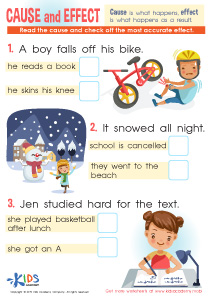
Improve reading comprehension Normal Reading Non-Fiction Worksheets for Ages 4-7
5 filtered results
-
From - To
Enhance your child’s reading skills with our engaging Normal Reading Non-Fiction Worksheets for ages 4-7! Designed to boost reading comprehension, these worksheets provide young readers with exciting, informative content. Each worksheet features age-appropriate non-fiction passages that teach kids about the world while improving their understanding and retention. Through guided questions and fun activities, children can practice identifying main ideas, details, and new vocabulary. Ideal for early readers, these resources help build essential reading habits and ignite a lifelong love for learning. Perfect for parents and teachers alike, these worksheets are aligned with educational standards and are easily accessible through our user-friendly platform.
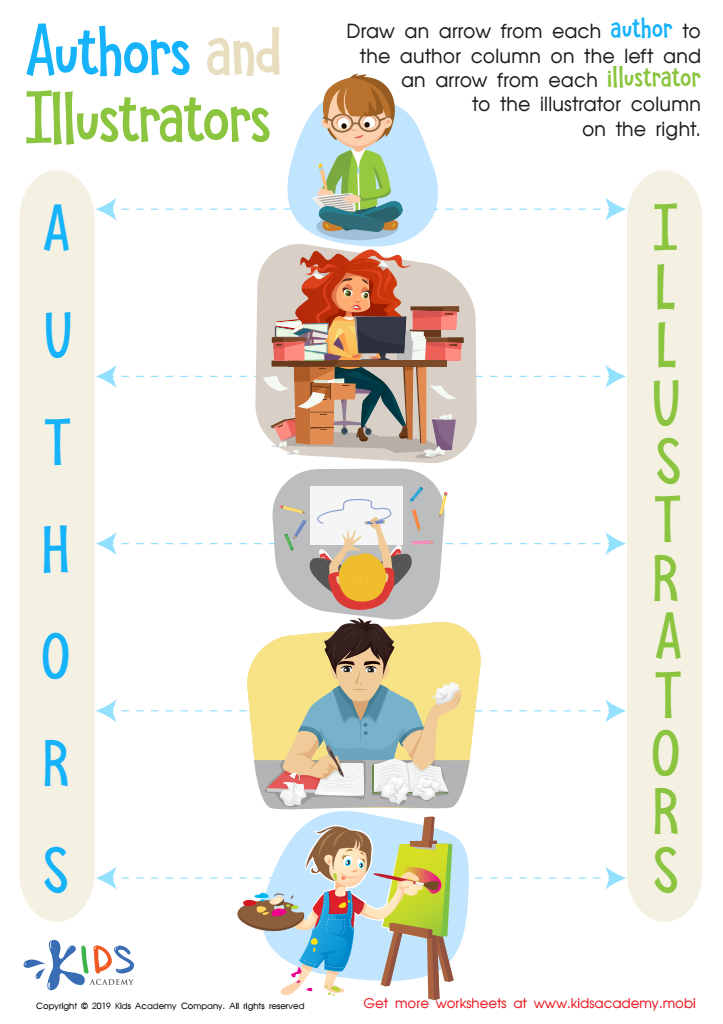
Authors and Illustrators Worksheet
 Assign to My Students
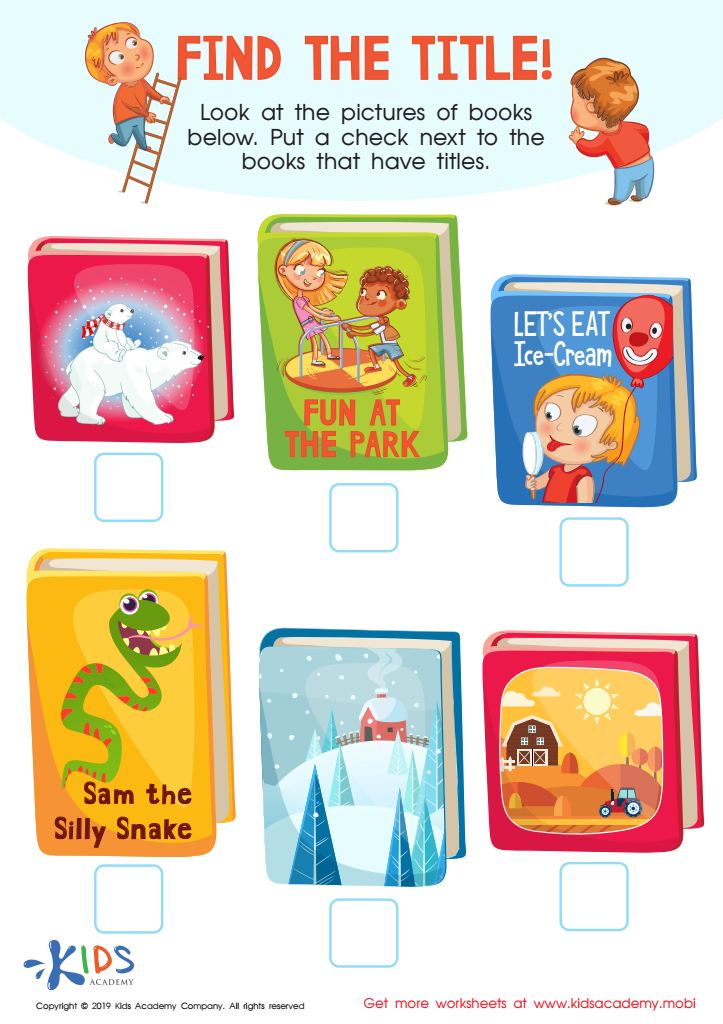
Find the Title Worksheet
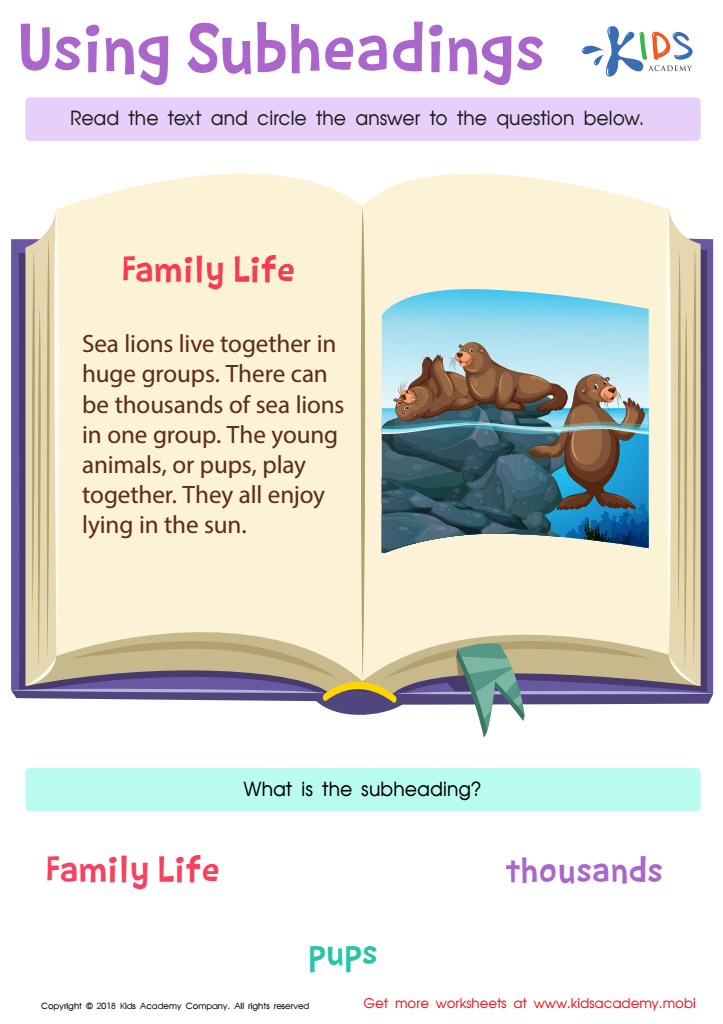
Using Subheadings Worksheet
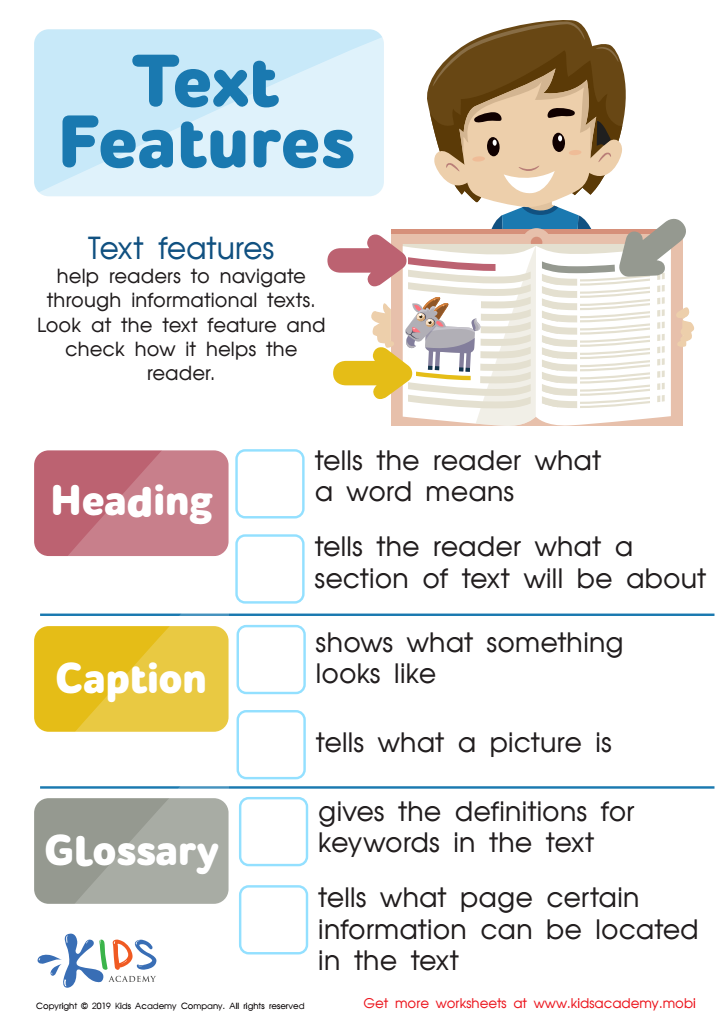
Text Features Worksheet
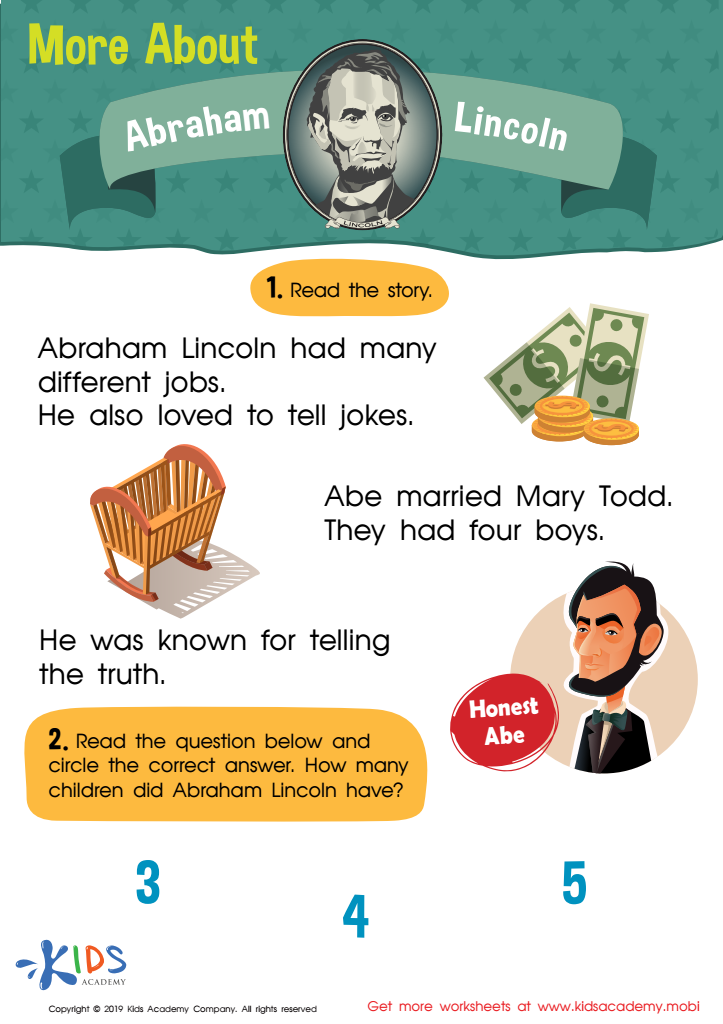
More About Abraham Lincoln Worksheet








Reading comprehension is pivotal for early learners, ages 4-7, as it lays the foundation for their academic success and lifelong learning. Parents and teachers should prioritize improving reading comprehension skills within this age group, especially when engaging with non-fiction texts. Non-fiction reading introduces young children to real-world concepts, critical thinking, and varied vocabulary, which are essential for their intellectual development. By understanding expository texts, children learn to extract important information, differentiate between fact and opinion, and make connections between different pieces of information, fostering analytical thinking skills.
Moreover, strong reading comprehension skills boost children's confidence and instill a love for reading, impacting their eagerness to learn across subjects. When children comprehend what they read, they are better equipped to follow instructions, participate in discussions, and complete tasks successfully. This foundational skill also increases their ability to absorb and retain information in science, history, and social studies, subjects enriched with non-fiction content.
In essence, fostering reading comprehension in young learners ensures they possess the tools to navigate an information-rich world effectively. Engaging with non-fiction texts at an early age enhances linguistic abilities, cognitive development, and overall academic preparedness, making reading comprehension an essential focus for both parents and educators.