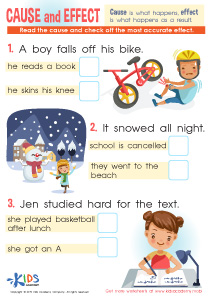
Vocabulary development Normal Reading Non-Fiction Worksheets for Ages 4-7
4 filtered results
-
From - To
Unlock your child’s potential with our Vocabulary Development Non-Fiction Worksheets, tailored for ages 4-7. These engaging and educational worksheets are designed to enhance reading comprehension and vocabulary in young learners. Featuring a variety of non-fiction topics, children will expand their knowledge while building essential language skills. Our expertly crafted activities are perfect for early grade learners, making reading fun and informative. Help your child explore the world of non-fiction and develop a strong vocabulary foundation. Discover the joy of learning through our comprehensive worksheets at Kids Academy, where education meets excitement!
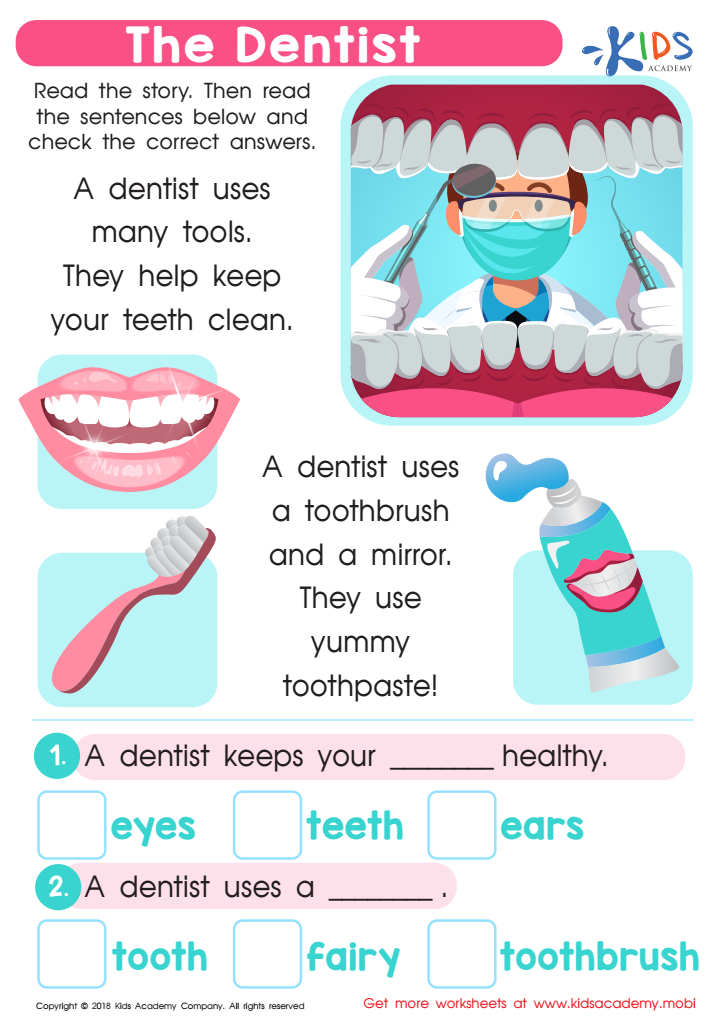
The Dentist Worksheet
 Assign to My Students
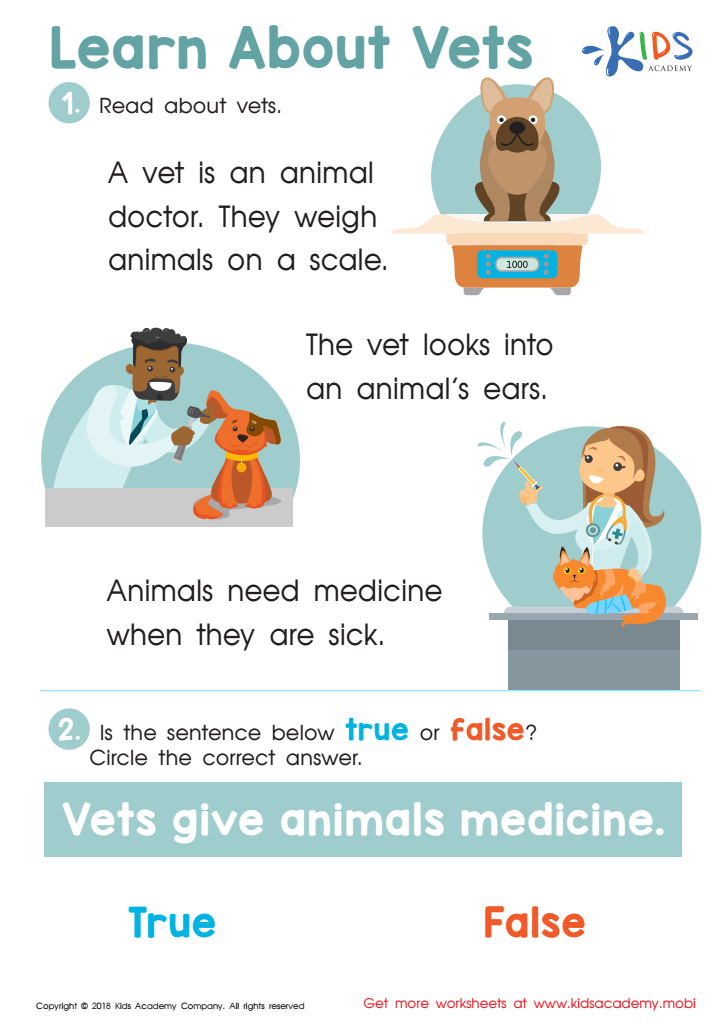
Learn About Vets Worksheet
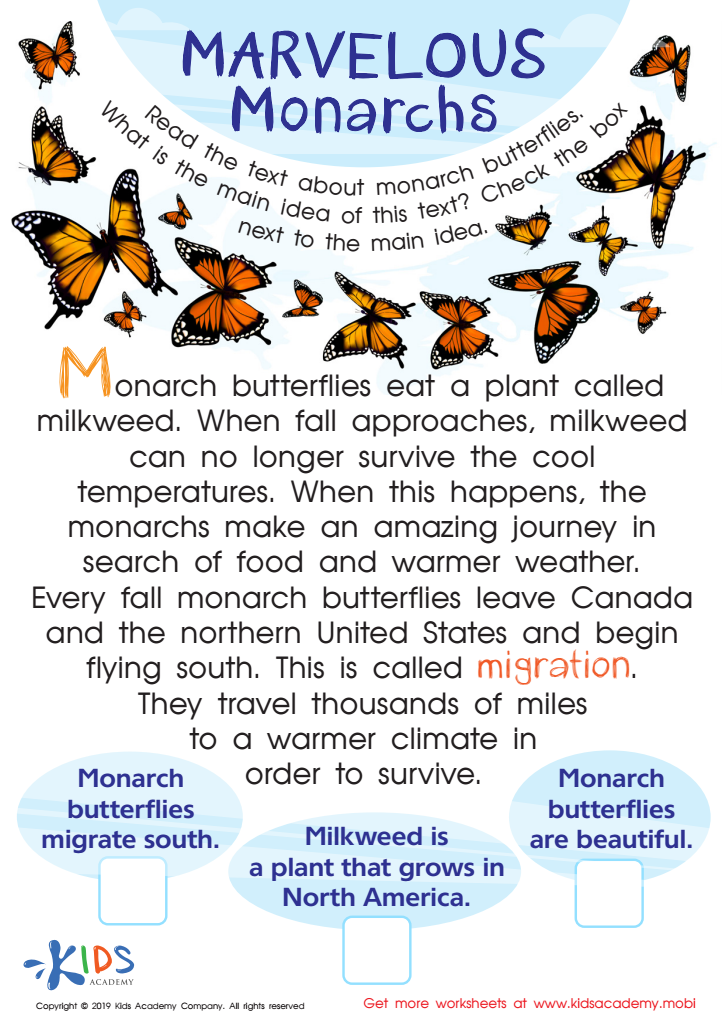
Marvelous Monarchs Worksheet
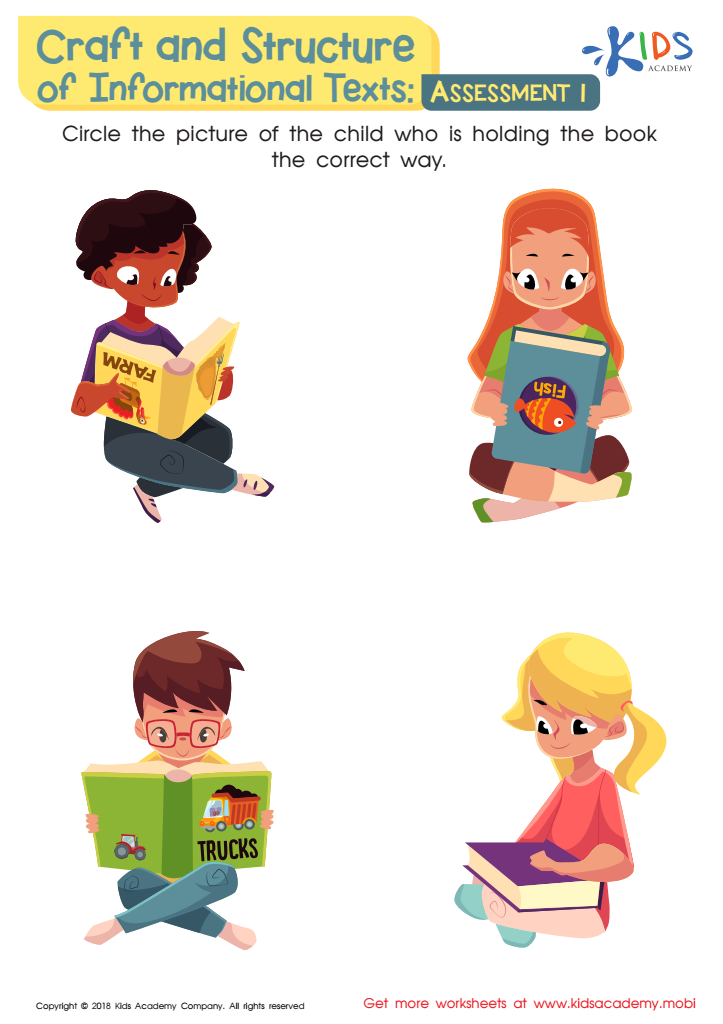
Craft and Structure of Informational Texts: Assessment 1 Worksheet








Vocabulary development is a cornerstone of literacy and intellectual growth in children aged 4-7, making it a pivotal focus for both parents and teachers. During these formative years, children's brains are highly receptive to language acquisition, making it an optimal period for introducing new words and concepts. Developing a robust vocabulary enhances children's comprehension skills, making it easier for them to understand and engage with new texts, thereby fostering a lifelong love for reading.
Reading non-fiction specifically offers unique advantages. Non-fiction books expose children to a wide range of topics and real-world knowledge, broadening their understanding of the world and sparking curiosity. This type of reading material introduces technical and domain-specific language that isn't usually found in everyday conversation, thereby diversifying their vocabulary. Such enriched vocabulary allows children to articulate their thoughts more clearly and builds confidence in both verbal and written communication.
Furthermore, strong vocabulary skills are closely linked to academic success. Proficiency in understanding and using a variety of words can influence performance across subjects, as reading is foundational in learning math, science, history, and more. Parents and teachers should therefore prioritize vocabulary development to equip children with the tools necessary for both academic and life successes.