Matching skills Normal Science Worksheets for Ages 4-7
4 filtered results
-
From - To
Discover our engaging Matching Skills Normal Science Worksheets designed for children aged 4-7. These printable resources make learning fun and interactive, helping young learners to match images with science concepts in a way that captures their interest. Our age-appropriate sheets focus on fundamental scientific ideas, encouraging kids to explore the world around them. Perfect for early grade students, these worksheets enhance cognitive development, critical thinking, and pattern recognition. Explore our collection today and give your child a head start in science with activities that are both educational and entertaining!
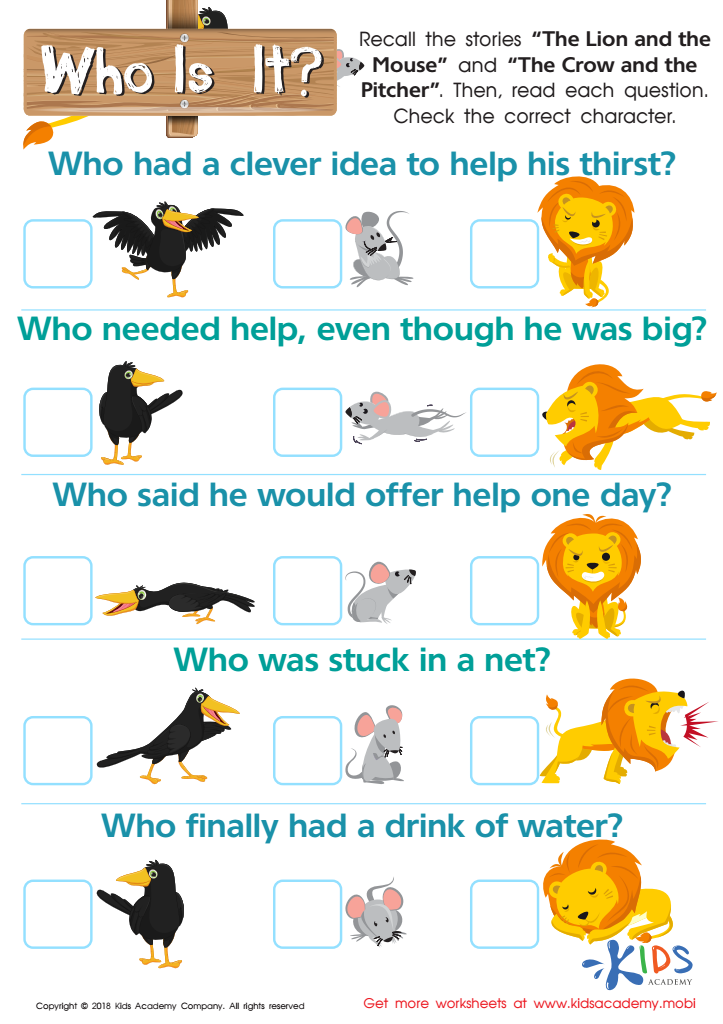
Who Is It? Worksheet
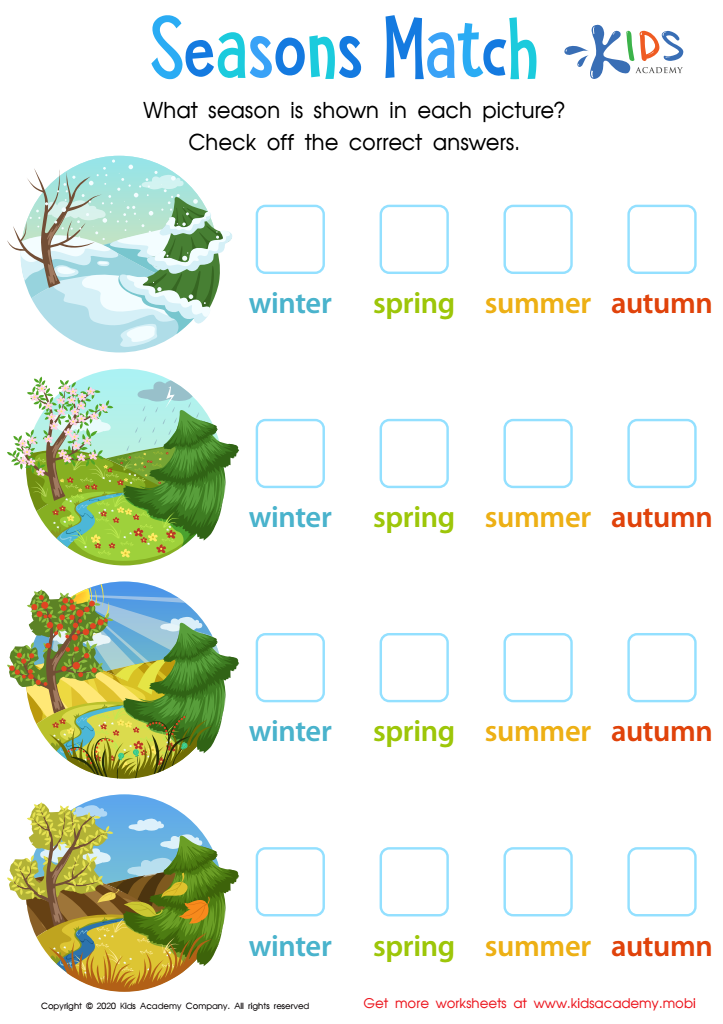
Seasons Match Worksheet
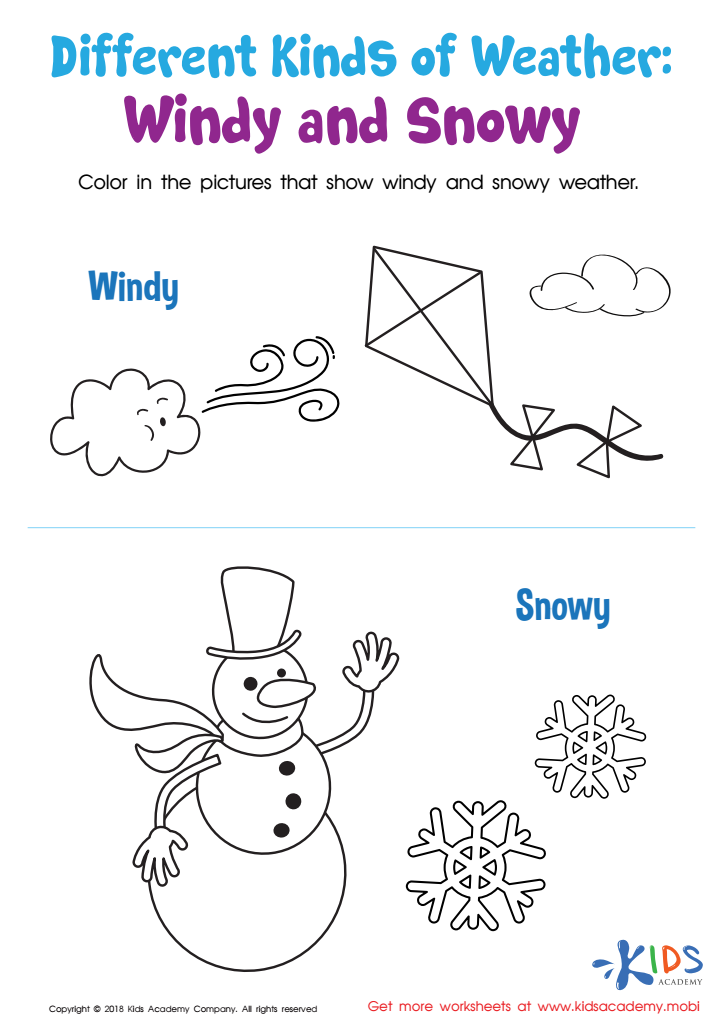
Different Kinds of Weather: Windy and Snowy Worksheet
 Assign to My Students
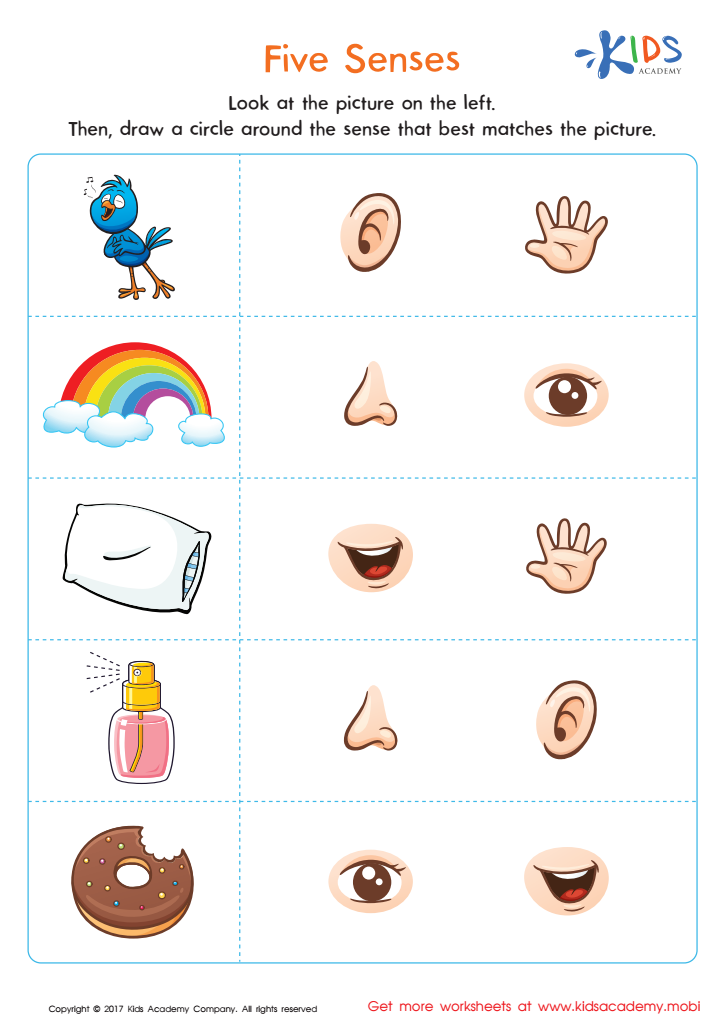
Five Senses Printable





Matching skills in early childhood lay the foundation for numerous critical cognitive abilities. At ages 4-7, children are highly receptive to learning and development, making it an ideal time to cultivate these essential skills.
Firstly, matching activities sharpen observational abilities. Whether they're pairing socks, shapes, or colors, children learn to notice similarities and differences, honing their attention to detail. This skill translates to improved reading and mathematical capabilities as they grow older, helping them recognize patterns in letters, words, numbers, and equations.
Secondly, matching nurtures critical thinking. Young minds learn the concept of classification by organizing objects based on shared attributes. This cognitive skill is crucial for scientific reasoning, where understanding how or why things are grouped reinforces concepts of sorting and categorization fundamental to scientific inquiry.
Additionally, matching exercises enhance memory. When kids recall where a particular item belongs, it engages their working memory, a cornerstone of effective learning and information retention.
Socially, collaborative matching games foster communication and cooperative skills among peers. This can build confidence, encourage positive interactions, and develop language abilities as children describe their matching choices.
Early emphasis on matching skills not only builds a structure for academic success but also supports overall mental agility and social development, preparing young learners for future educational and life challenges.







