Understanding life cycles Normal Science Worksheets for Ages 4-7
4 filtered results
-
From - To
Explore "Understanding Life Cycles" with our engaging science worksheets designed for ages 4-7. These printable activities from Kids Academy offer a fun and educational way to teach young learners about the life cycles of animals and plants. Perfect for early grade students, each worksheet incorporates simple illustrations and exercises to help kids grasp the stages of life—from birth and growth to reproduction and death. Foster curiosity and foundational science skills with these expertly crafted resources that make learning about life cycles an adventure. Ideal for both classroom and home use, start your child's scientific journey today!
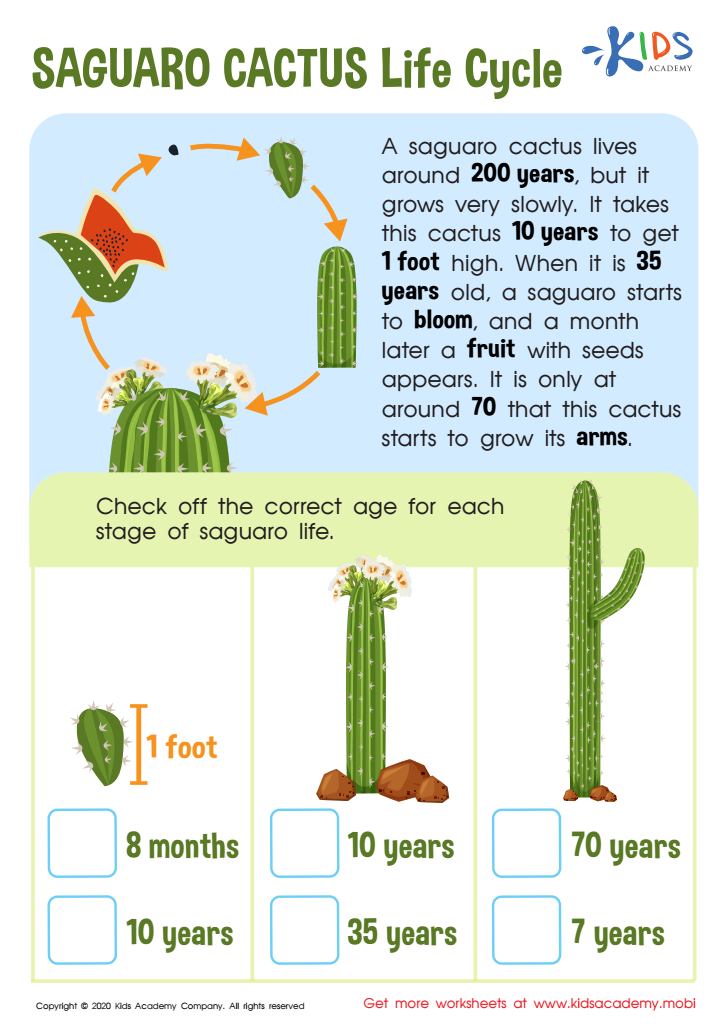
Saguaro Cactus Life Cycle Worksheet
 Assign to My Students
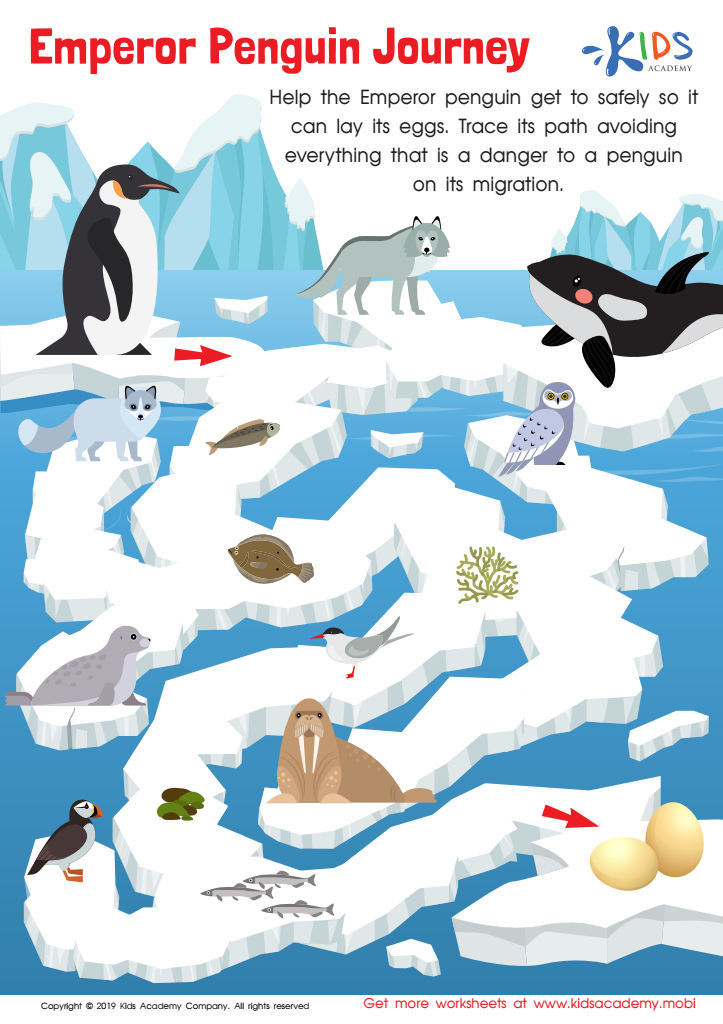
Emperor Penguin Journey Worksheet
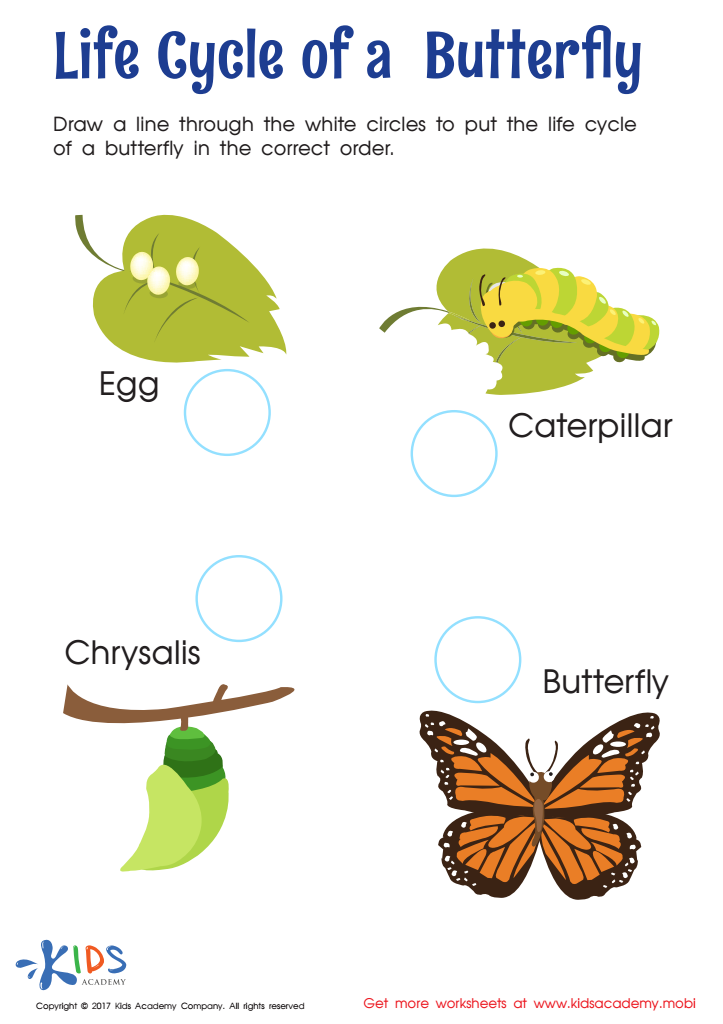
Life Cycle of Butterfly Worksheet
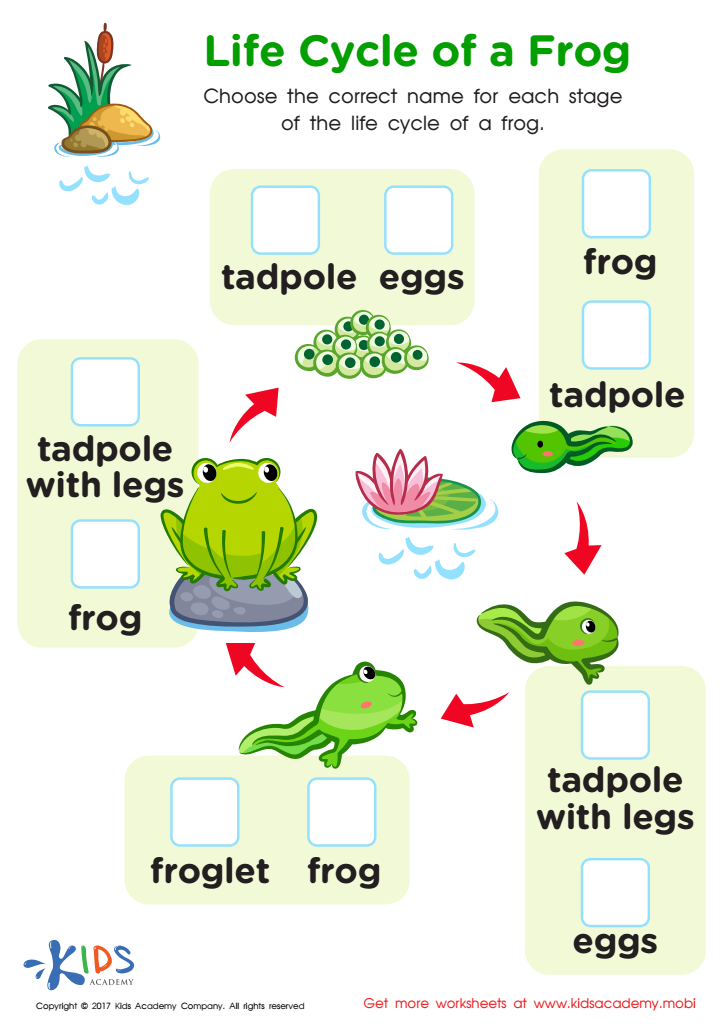
Life Cycle Frog Printable







Understanding life cycles is crucial for young children aged 4-7 as it lays the foundation for scientific curiosity and environmental awareness. During these formative years, kids are naturally curious about the world around them, making it an ideal time to introduce them to basic scientific concepts.
Teaching life cycles—such as those of plants, animals, and insects—helps foster a sense of curiosity and appreciation for nature. When children understand that living things grow and change in a natural, predictable manner, they begin to see the interconnectedness of life, leading to a deeper respect for all forms of life.
Furthermore, understanding life cycles can aid in the development of critical thinking skills. Observing different stages of life allows children to make predictions and ask questions, sharpening their observational and analytical abilities. It can also help children grasp more complex biological concepts later on, such as ecosystems, food chains, and biological evolution.
Incorporating lessons on life cycles into early education can also have social and emotional benefits. It teaches patience, responsibility, and empathy as children care for classroom plants or pets, learning that their actions can impact the life and well-being of other living things.
Overall, parents and teachers who prioritize this aspect of early science education enable children to become more knowledgeable, responsible, and empathetic stewards of the environment.







