
Understanding forces Normal Physical Science Worksheets for Ages 4-7
3 filtered results
Difficulty Level
Grade
Age
-
From - To
Subject
Activity
Standards
Explore the fascinating world of forces with our "Understanding Forces" Normal Physical Science Worksheets, designed specifically for children aged 4 to 7. These engaging worksheets introduce young learners to basic concepts of force, motion, and interaction in a fun and interactive way. Each activity encourages curiosity and critical thinking, allowing children to experiment with push and pull, gravity, and friction through colorful illustrations and simple instructions. Perfect for parents and educators, these worksheets provide a delightful learning experience that enhances foundational science knowledge while keeping kids excited about discovering the world around them. Dive into the fun of science today!
Favorites
With answer key
Interactive
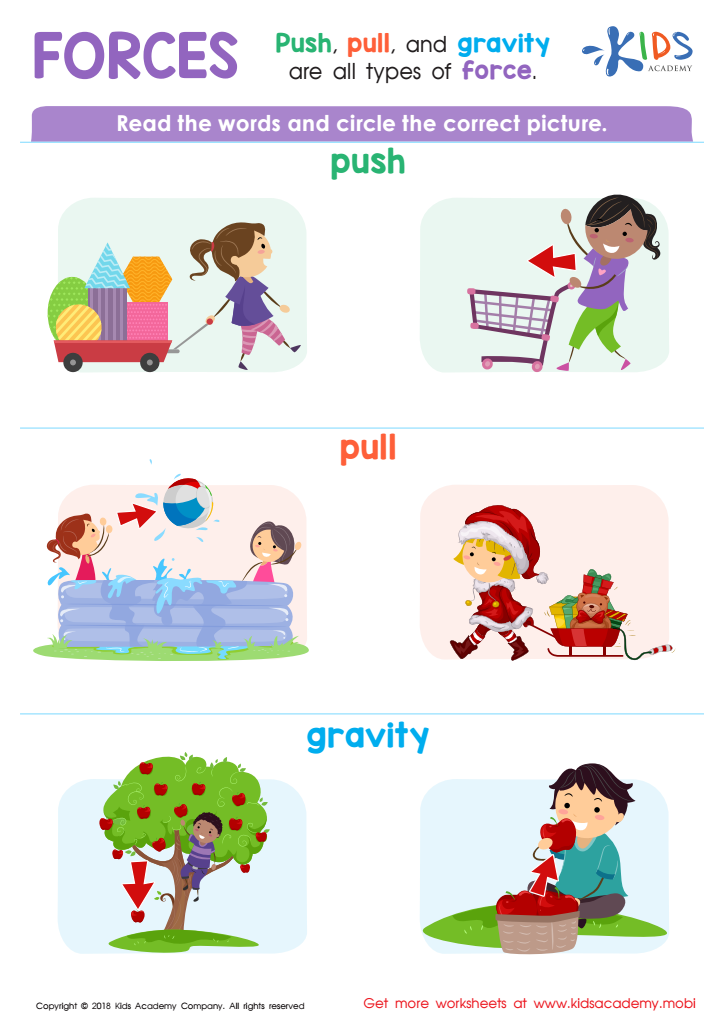
Forces Worksheet
Teach your child about forces! Ask them to identify which of six pictures shows push, pull or gravity. Read the words beside each picture and have them circle the correct one. It's a great way to learn about forces; push, pull and gravity!
 Assign to My Students
Forces Worksheet
Worksheet
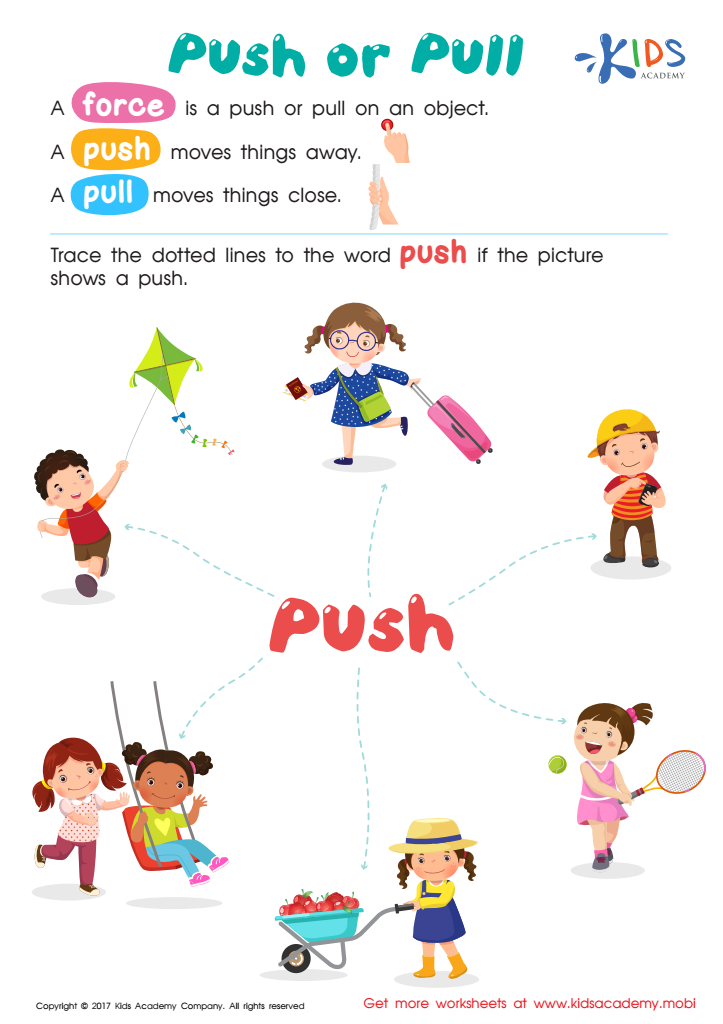
Push or Pull Worksheet
and which involve pulling! With this fun worksheet, your child will learn about force and its simple application in everyday activities. Get them started with Push or Pull! (80 words)
Push or Pull Worksheet
Worksheet
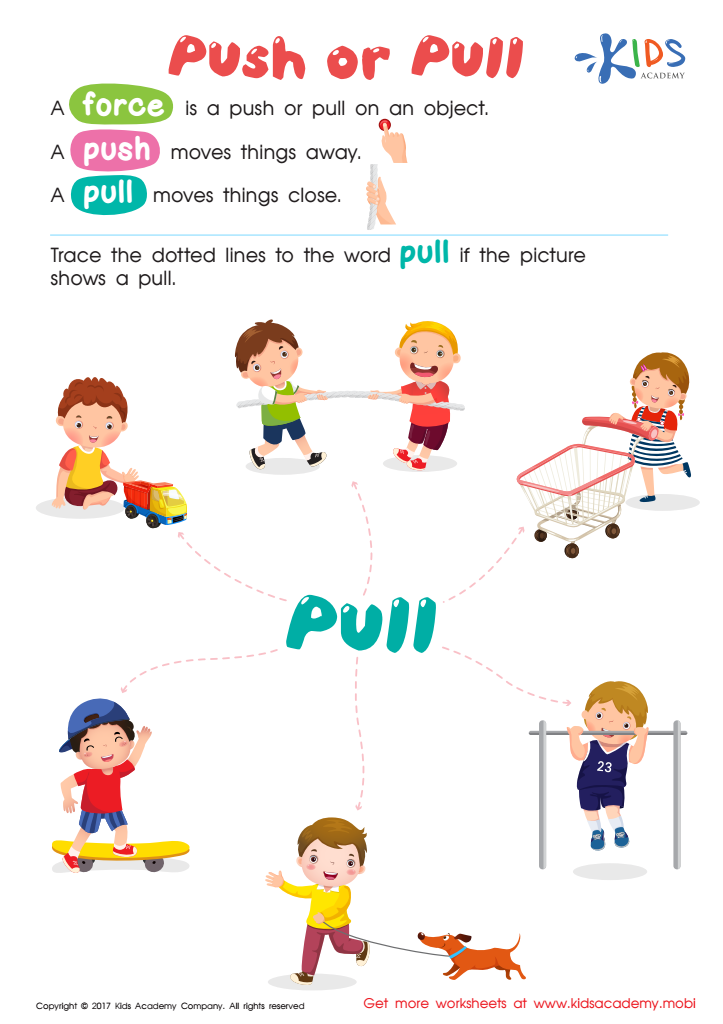
Pull or Push Worksheet
With this fun worksheet, they'll explore physics by sorting objects into categories according to their mode of motion. It's a great way to get them interested in science.
Pull or Push Worksheet
Worksheet
Join Kids Academy for Free
Who is primarily going to use this learning content?



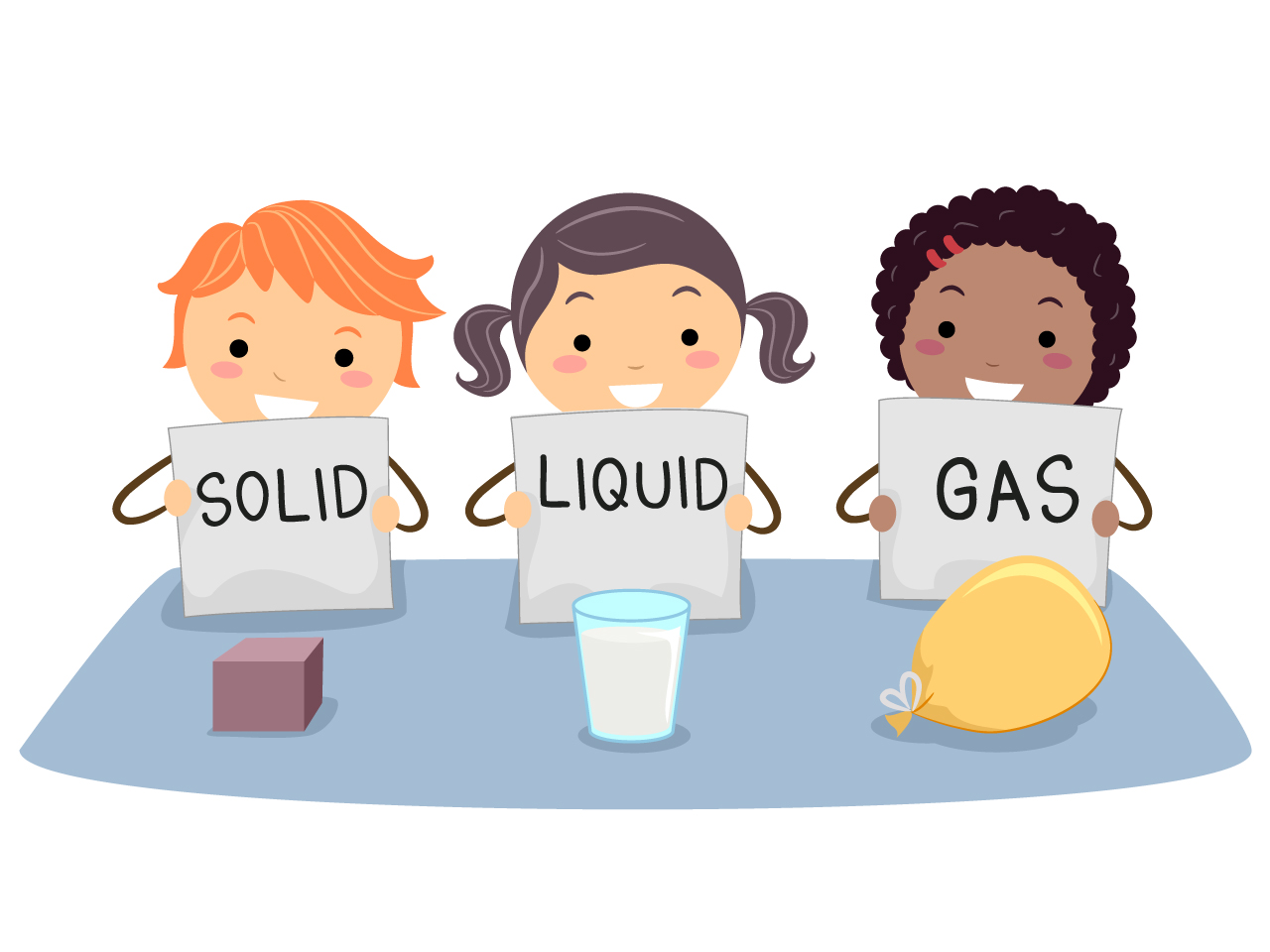




Understanding forces is a fundamental aspect of early education, especially in physical science for children aged 4-7. At this age, children are naturally curious about the world around them. Introducing concepts of forces—like pushing, pulling, and gravity—helps them explain how things move and interact in their environment. This foundation fosters critical thinking and encourages exploration.
Parents and teachers should emphasize the importance of forces because it enhances problem-solving skills. When children engage in hands-on activities, such as playing with toys that roll or experimenting with different materials, they learn to predict outcomes and understand cause-and-effect relationships. This experiential learning promotes cognitive development and enhances their scientific literacy.
Additionally, a solid grasp of forces supports interdisciplinary learning. For instance, art projects involving balance or simple machines allow students to see the connection between science and creativity. Understanding forces also prepares children for more complex science lessons in later grades, creating a seamless learning journey.
Moreover, engaging in discussions about forces promotes language development and communication skills, as children describe their observations. In essence, teaching young learners about forces not only enriches their scientific knowledge but also cultivates curiosity, creativity, and critical thinking—skills essential for lifelong learning.







