Vocabulary Building Normal Geography Worksheets for Ages 4-7
3 filtered results
-
From - To
Introduce your child to the wonders of geography with our Vocabulary Building Normal Geography Worksheets, designed for ages 4-7. These vibrant and engaging worksheets help young learners develop essential geographic vocabulary and concepts while having fun. Through interactive activities, children will explore maps, landforms, directions, and more. Each worksheet is carefully crafted to foster curiosity, enhance critical thinking, and build foundational social studies skills. Perfect for both classroom use and homeschool settings, our worksheets are a valuable resource for nurturing a lifelong love for geography. Start your child’s learning adventure today with Kids Academy’s expertly designed geography worksheets!
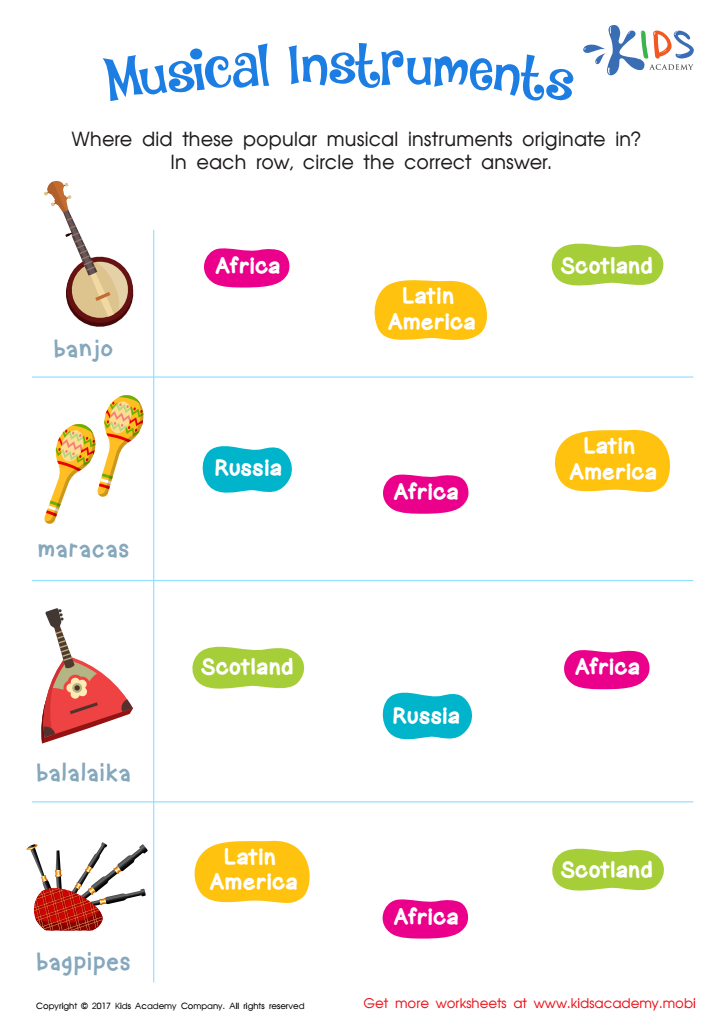
Musical Instruments Printable
 Assign to My Students
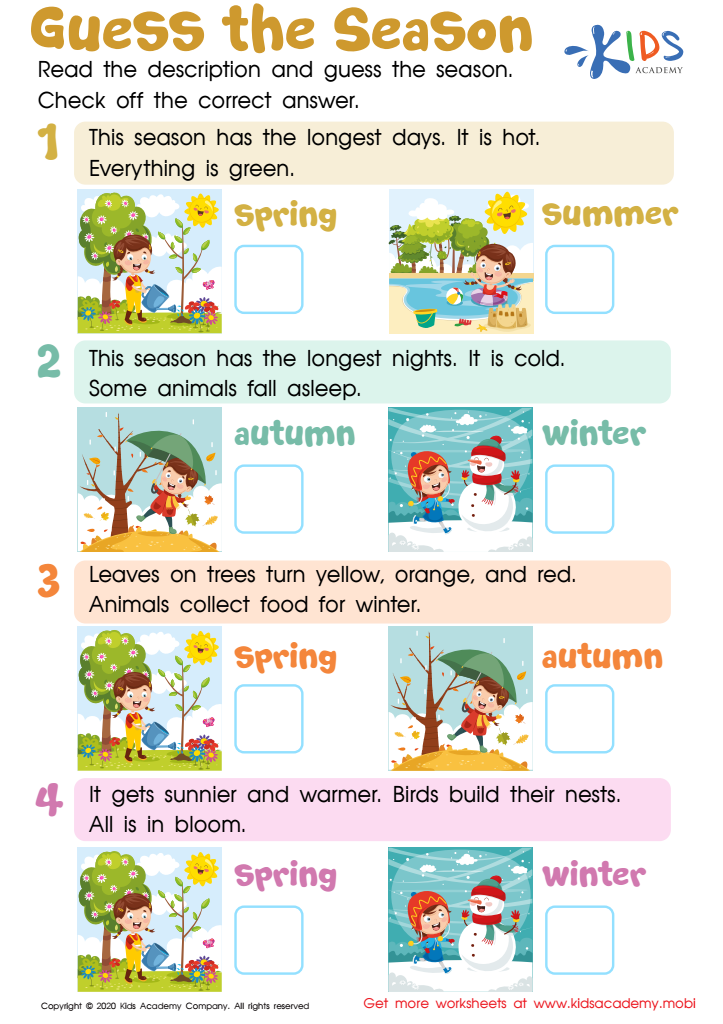
Guess the Season Worksheet
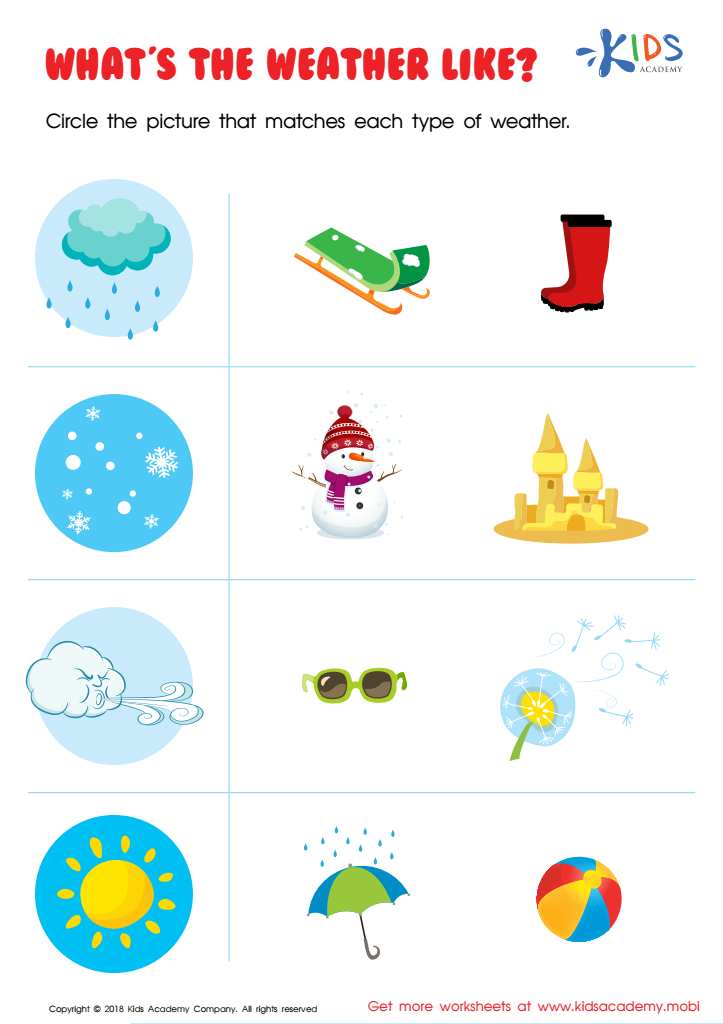
What's the Weather Like? Worksheet






Vocabulary building for normal geography concepts in children ages 4-7 is crucial for several reasons. At this developmental stage, children's brains are particularly receptive to learning new words, which can significantly impact their cognitive and academic growth.
Understanding geographic terms like “mountain,” “river,” “continent,” “country,” and “ocean” not only expands children’s vocabularies but also enhances their comprehension of the world around them. Early exposure to geography helps kids develop spatial awareness and environmental literacy, fostering an appreciation for natural landscapes and cultural diversity.
Children who build a strong geographic vocabulary are better prepared for more complex subjects in the future, including social studies, science, and environmental education. This foundational knowledge promotes critical thinking and problem-solving skills as children learn to identify and categorize different landforms and bodies of water.
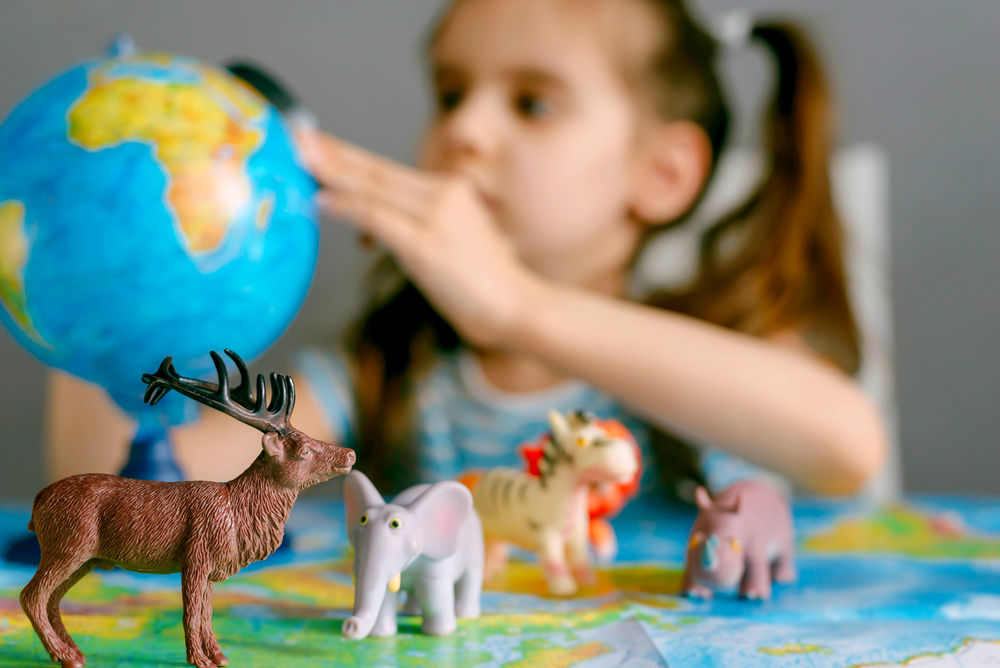
Furthermore, engaging with geographic vocabulary can be a fun and interactive learning experience. Parents and teachers can use maps, globes, stories, and outdoor activities to introduce these concepts, making learning both enjoyable and effective. By prioritizing vocabulary building in geography, parents and teachers are helping children build a more comprehensive and connected understanding of the world, setting the stage for lifelong learning and curiosity.








