Vocabulary expansion Normal Geography Worksheets for Ages 4-7
3 filtered results
-
From - To
Explore our engaging Vocabulary Expansion Normal Geography Worksheets designed specifically for children aged 4-7! These worksheets provide a fun and interactive way for young learners to enhance their geographical vocabulary. With colorful illustrations and easy-to-follow activities, kids will build essential vocabulary skills related to maps, landforms, and environmental features. Our resources focus on fostering a solid understanding of geography through playful learning, encouraging curiosity about the world around them. Ideal for homeschooling or classroom activities, these worksheets are perfect for reinforcing vocabulary while making learning enjoyable. Start your child’s geographical adventure today with our captivating worksheets!
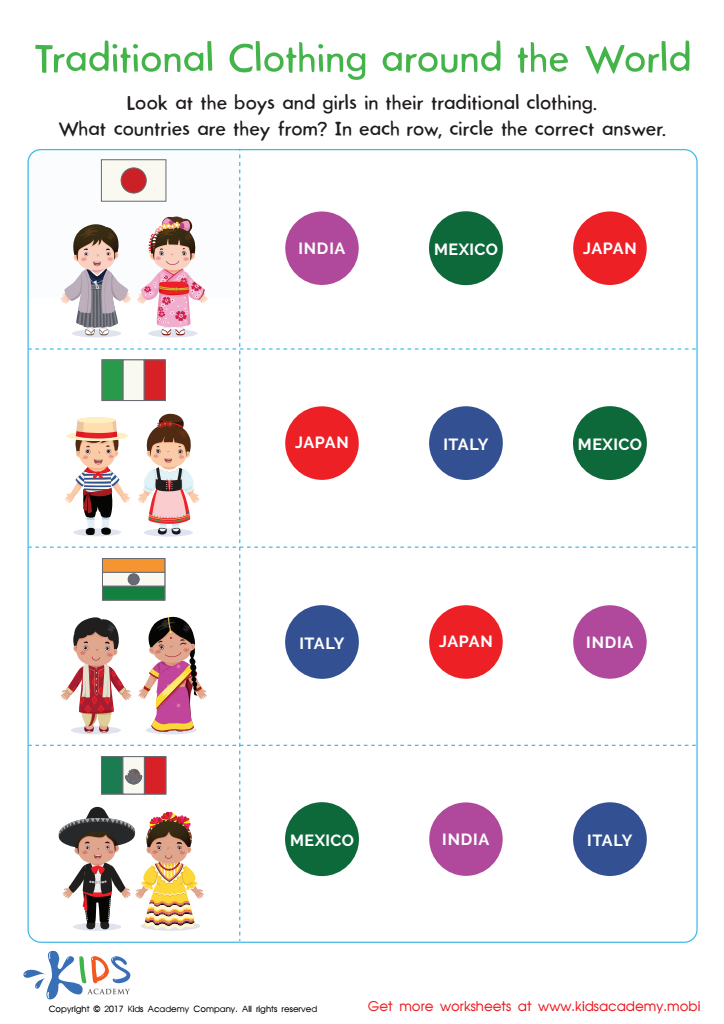
Traditional Clothing Worksheet
 Assign to My Students
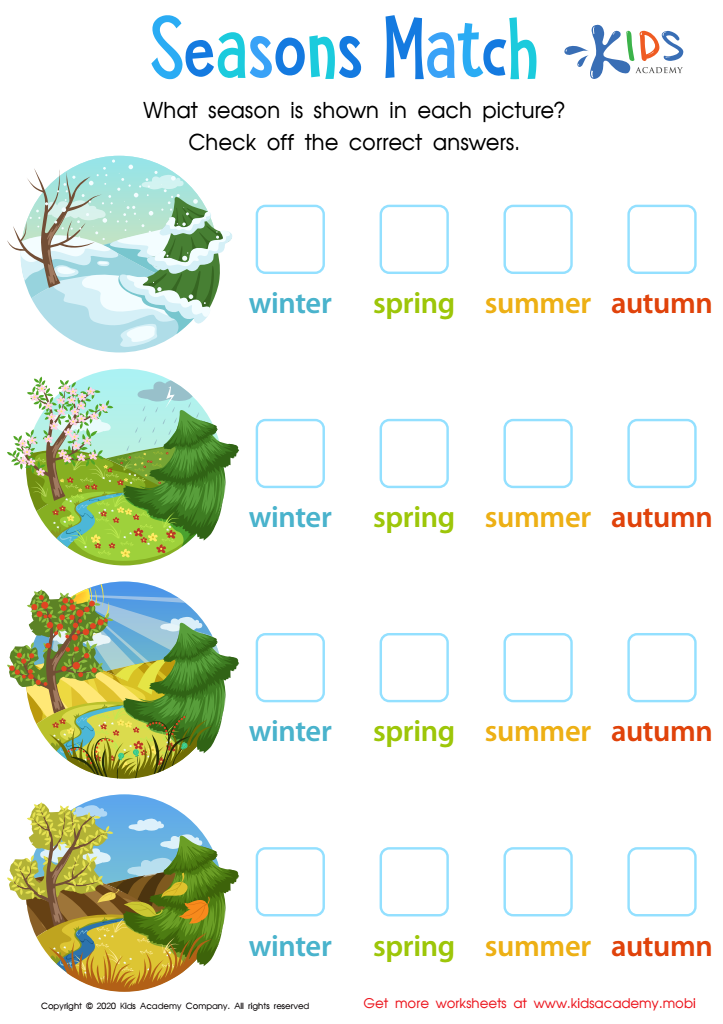
Seasons Match Worksheet
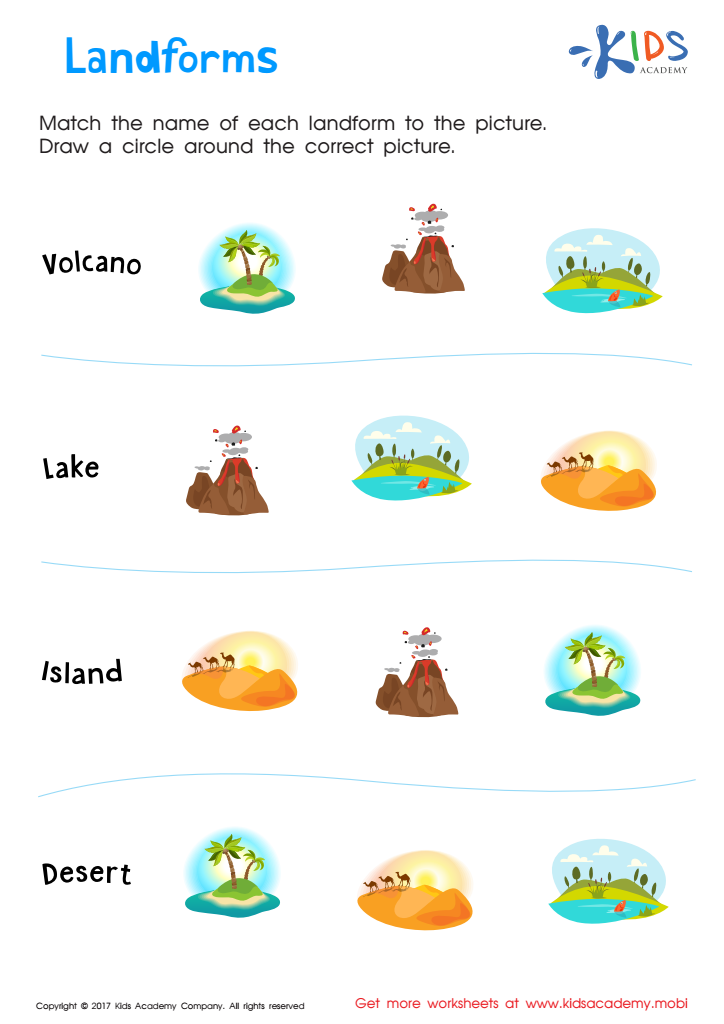
Landforms Printable






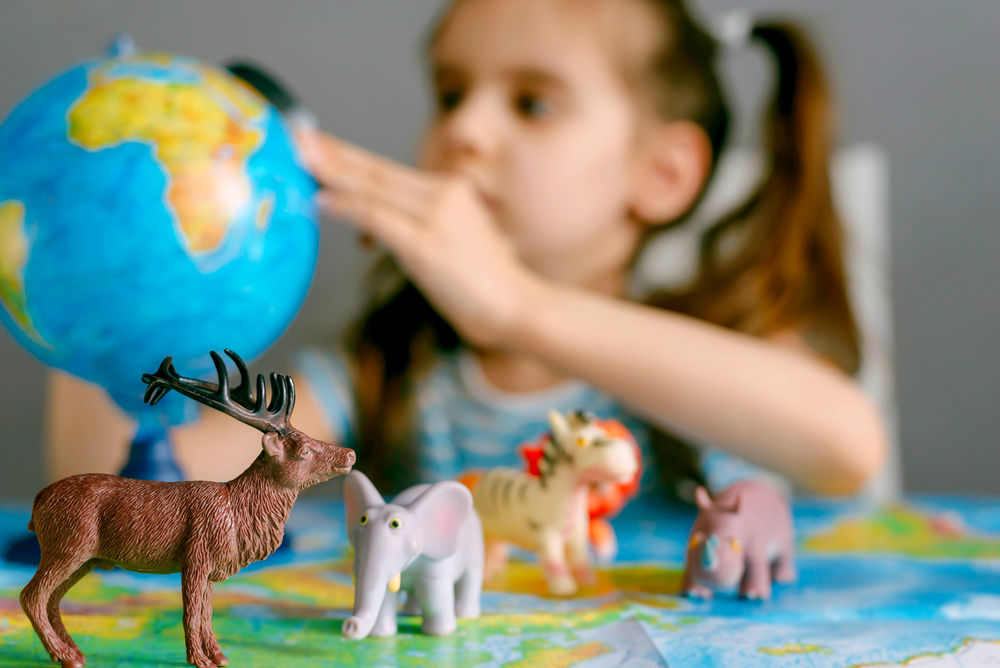
Vocabulary expansion in the context of normal geography is crucial for children ages 4-7 because it lays the foundation for their understanding of the world around them. During these formative years, children's cognitive abilities are rapidly developing, and they are naturally curious about their environment. Teaching young learners vocabulary related to geography—such as landforms, countries, cultures, and climates—enables them to articulate their thoughts and questions about their surroundings.
By exposing children to geographic terms, parents and teachers cultivate critical thinking skills. For instance, understanding words like "river," "desert," or "city" can foster discussions about location, nature, and the differences between various places. Such vocabulary can also improve children's reading comprehension, as many educational and story resources will reference geographical concepts.
Moreover, early geospatial knowledge encourages awareness and respect for cultural diversity, essential traits in an increasingly interconnected world. Children learn to appreciate global differences and similarities, which fosters empathy and social cohesion.
In essence, vocabulary expansion in geography can ignite a lifelong interest in exploration and learning, helping children develop a sense of place, community, and a broader perspective on their role in the world. This knowledge is key not just for academic success, but for social development and well-rounded citizenship.