Historical Knowledge Normal Social Studies Worksheets for Ages 4-7
6 filtered results
-
From - To
Explore our engaging Historical Knowledge Normal Social Studies Worksheets designed specifically for children ages 4-7! These interactive and age-appropriate worksheets provide young learners with an introduction to history in a fun and accessible way. Through colorful visuals and captivating activities, kids will discover important historical events, figures, and concepts that shape our world today. Each worksheet promotes critical thinking, encourages curiosity, and strengthens essential skills while adhering to early learning standards. Ideal for classroom use or at home, these resources help children build a solid foundation in historical knowledge, fostering a lifelong love for social studies. Start the adventure today!
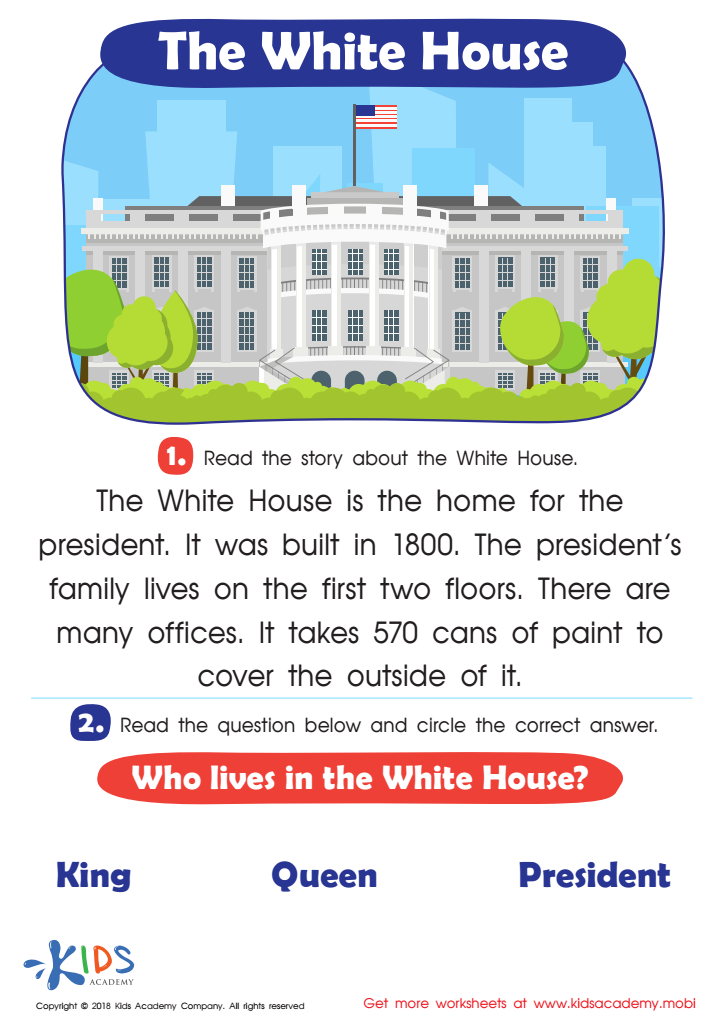
White House Worksheet
 Assign to My Students
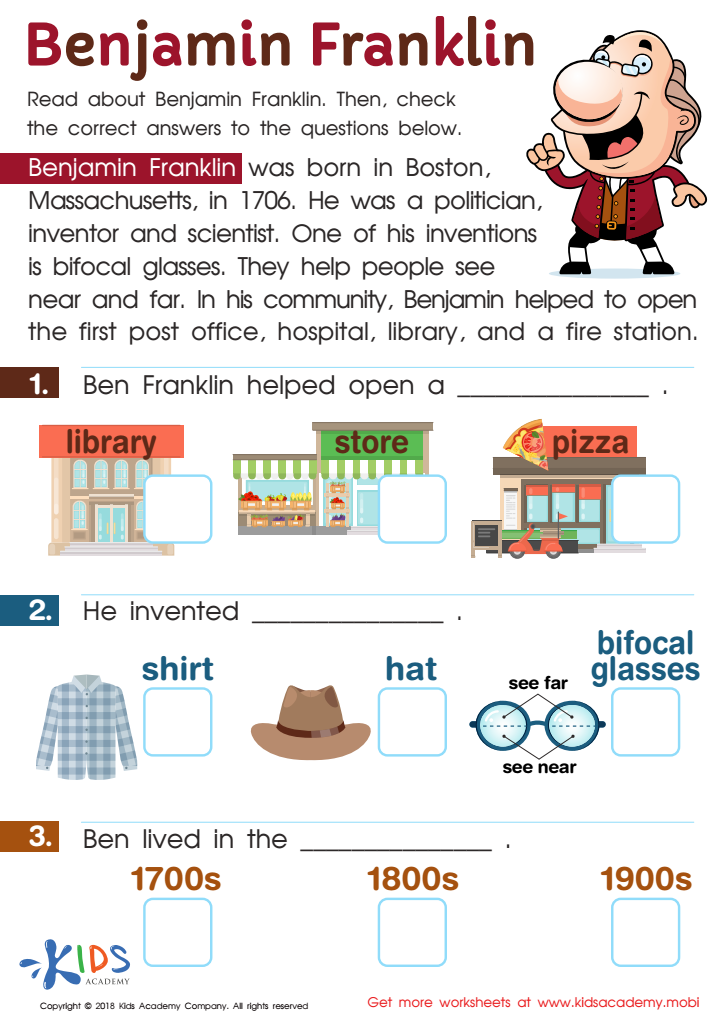
Benjamin Franklin Worksheet
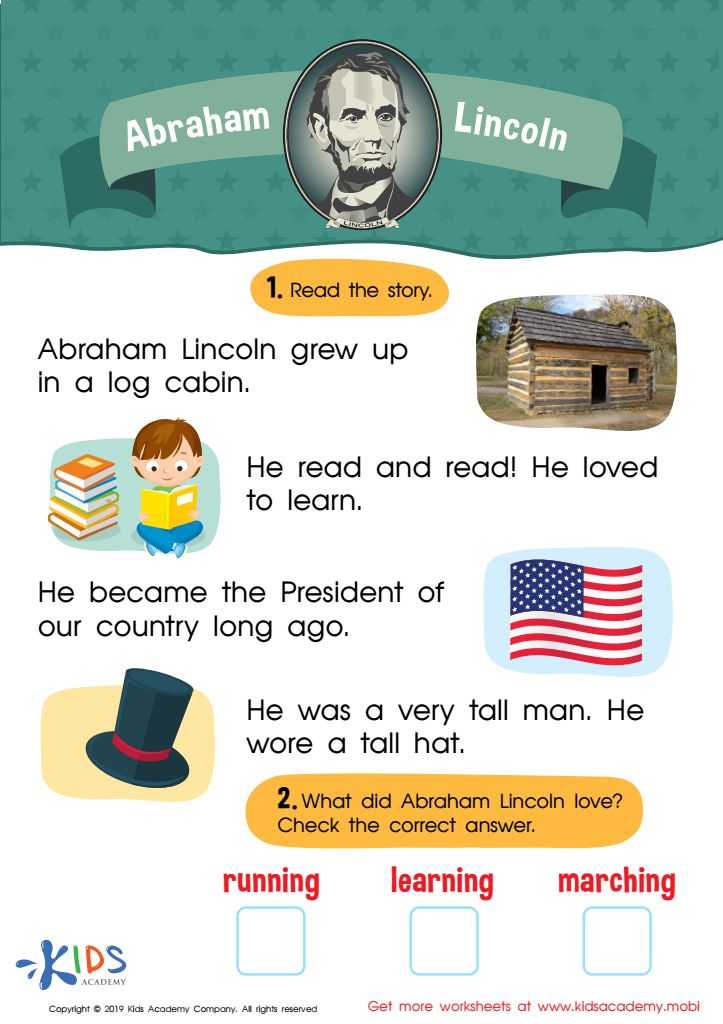
Abraham Lincoln Worksheet
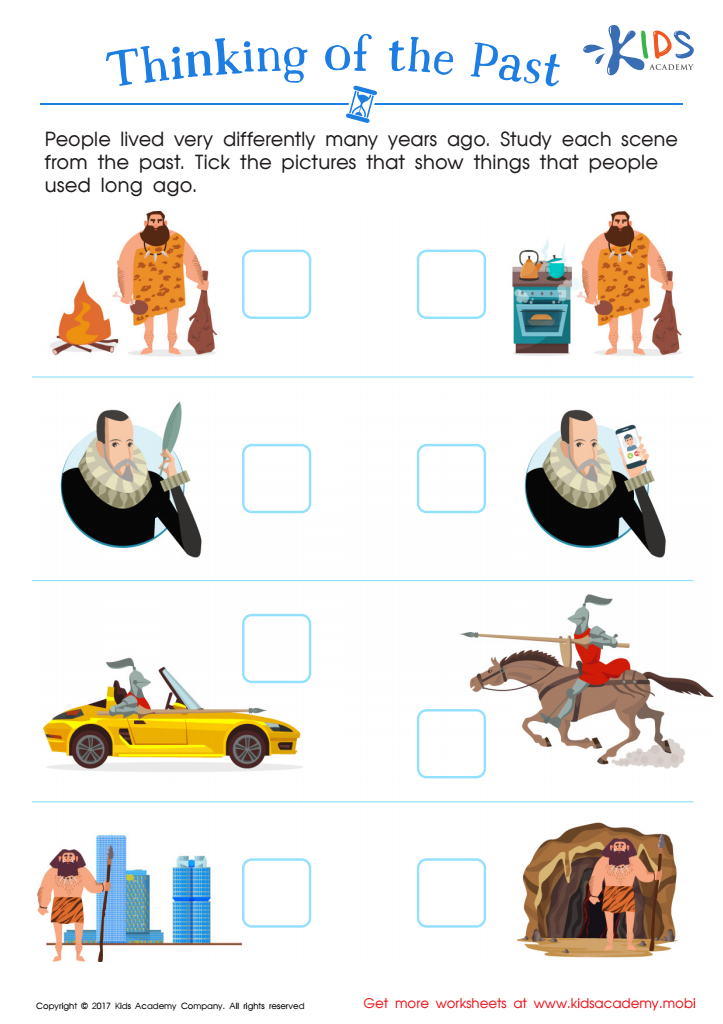
Thinking Past Printable
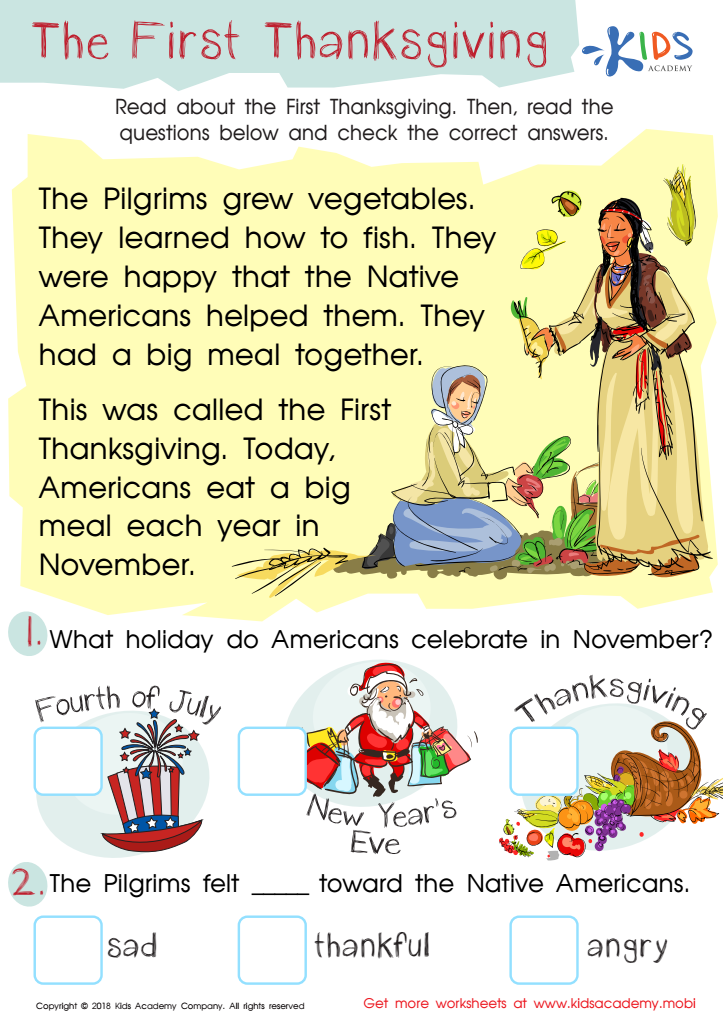
Assessment: First Thanksgiving Worksheet
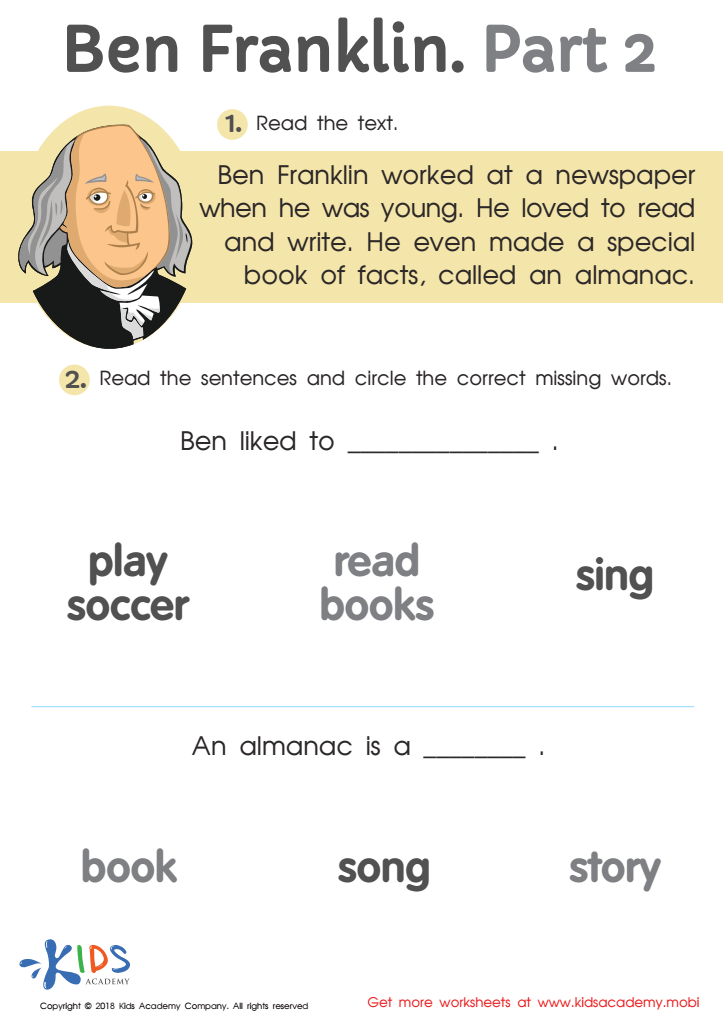
Ben Franklin Part 2 Worksheet






.jpg)
Understanding historical knowledge is crucial for children aged 4-7, as it helps them develop a sense of identity and community. At this age, children are naturally curious about the world around them, making it an ideal time to introduce them to the concept of history. Learning about historical figures, events, and cultures broadens their perspectives and fosters empathy, as children recognize the diversity of experiences that shape society today.
Parents and teachers play a vital role in nurturing this knowledge. By integrating historical concepts into daily learning, they can encourage children to ask questions, think critically, and connect with the past. Simple storytelling, role-playing, and visual aids can make history engaging and relatable, laying the foundation for lifelong learning.
Moreover, historical knowledge contributes to essential social skills. It helps children learn about respect, fairness, and cooperation by examining various societies' challenges and achievements. When educators and parents introduce historical narratives that highlight voices from different backgrounds, they instill values of inclusion and understanding.
In summary, fostering historical knowledge in young children helps shape informed, caring individuals capable of contributing positively to society, making it imperative for parents and teachers to prioritize this aspect of social studies education.