Vocabulary enhancement Normal Grammar Worksheets for Ages 4-7 - Page 2
28 filtered results
-
From - To
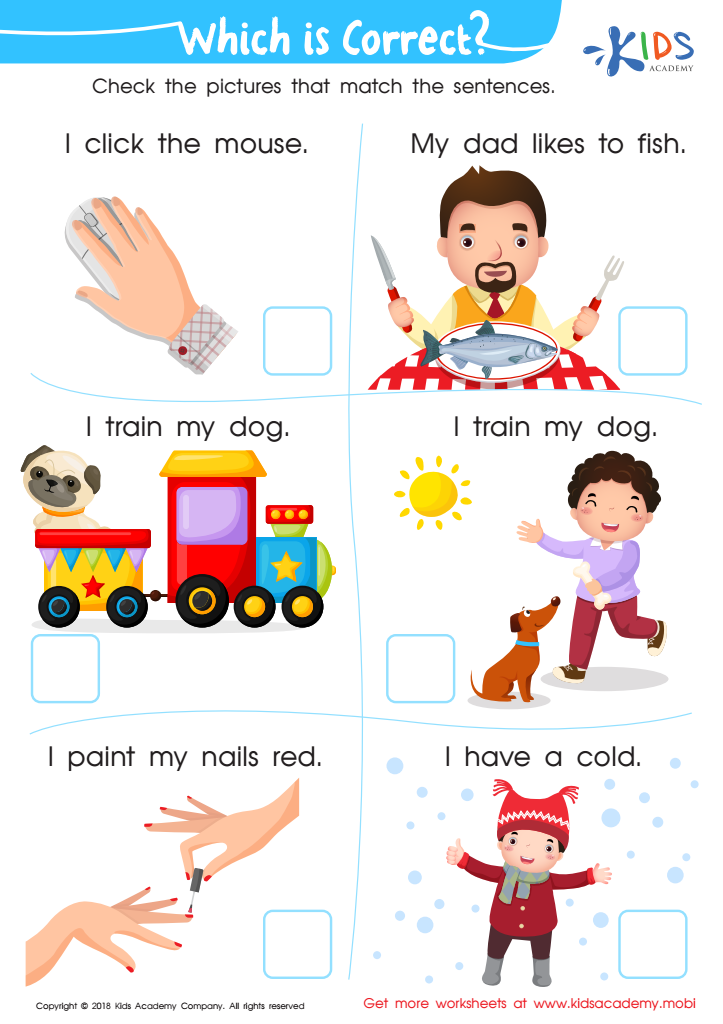
Which Is Correct? Worksheet
 Assign to My Students
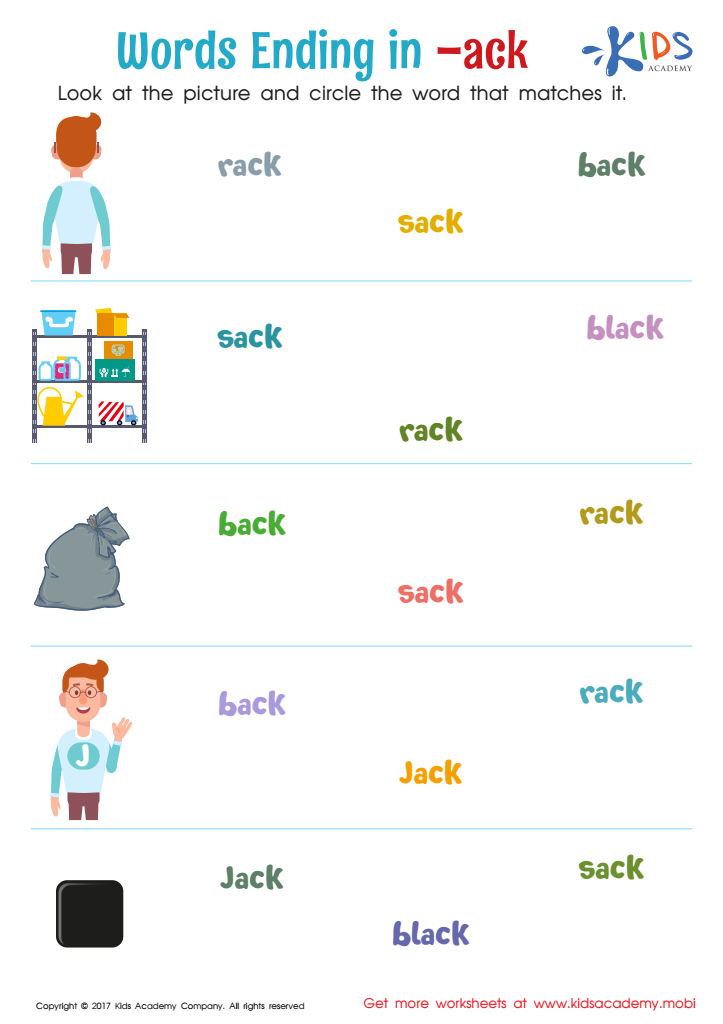
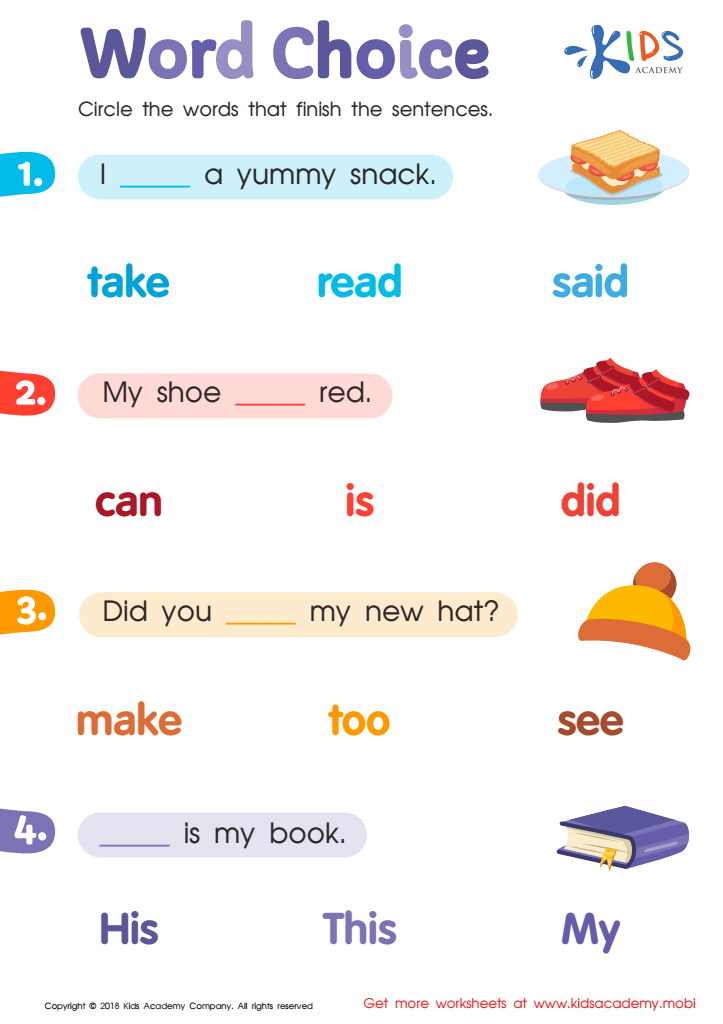
Word Choice Worksheet
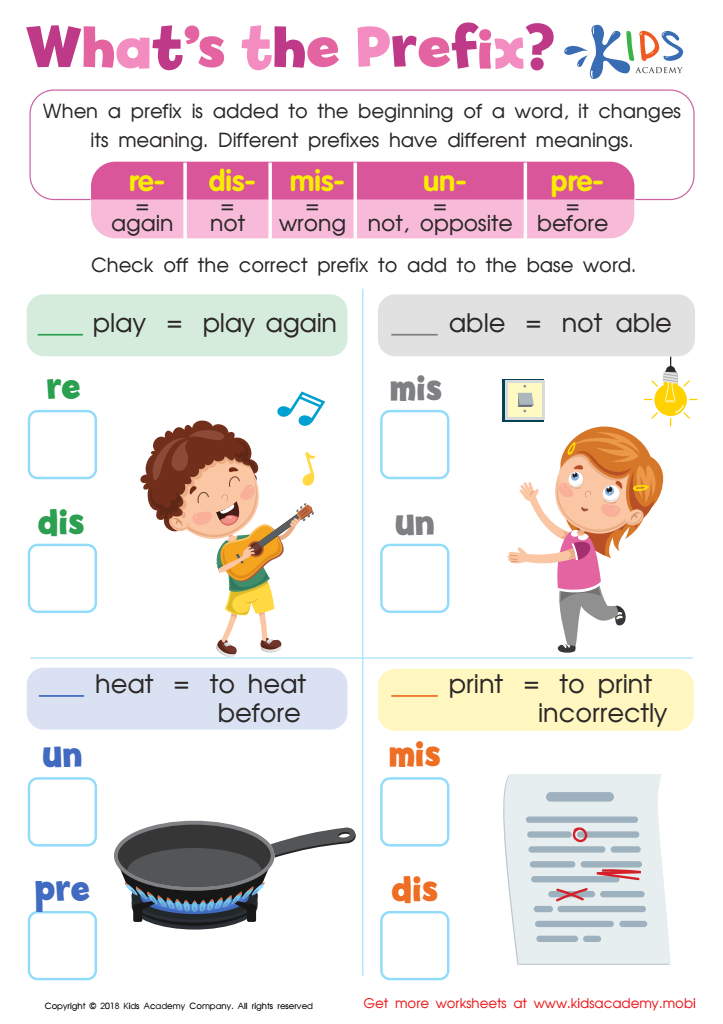
Reading: What Is the Prefix Worksheet



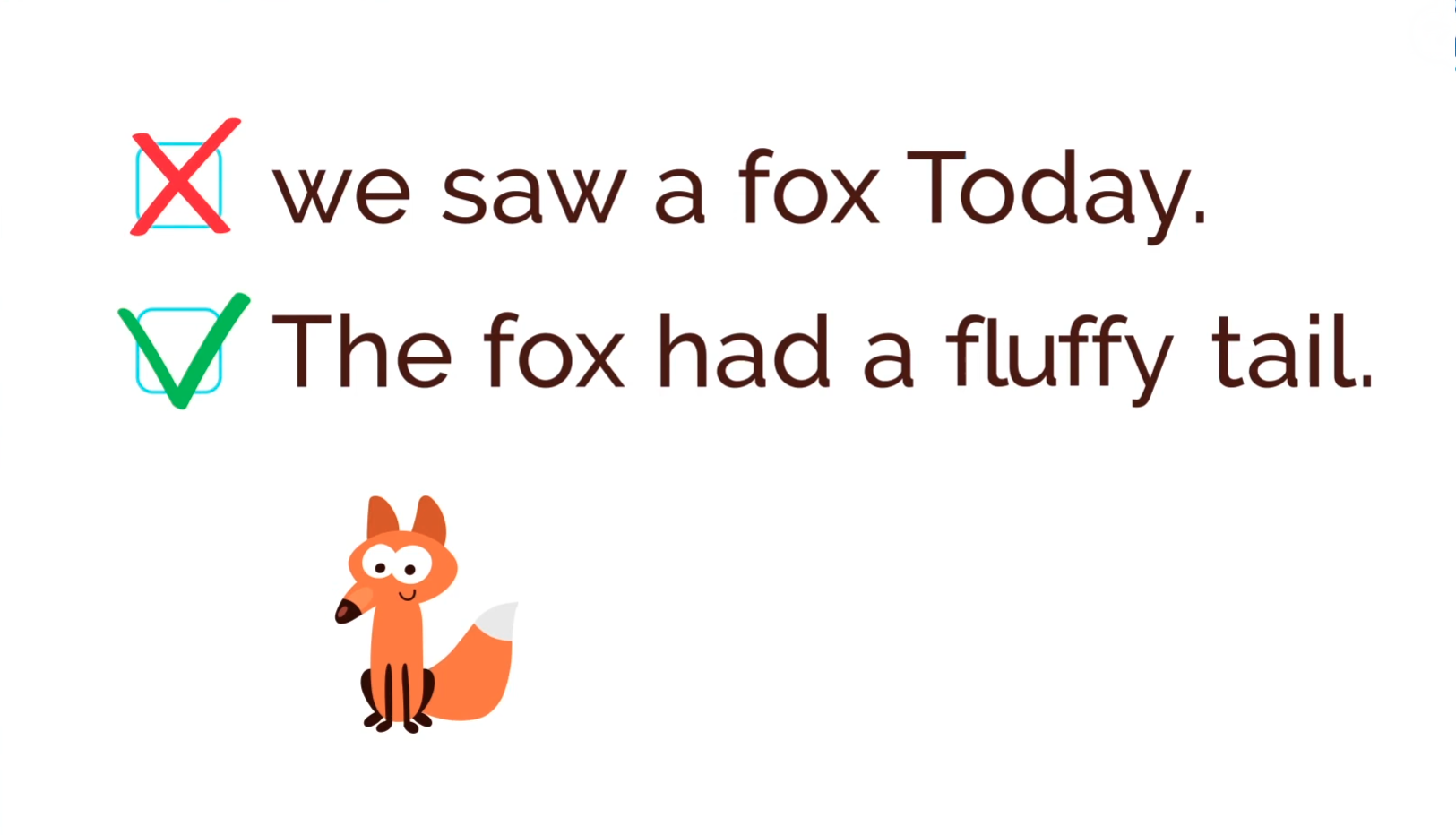



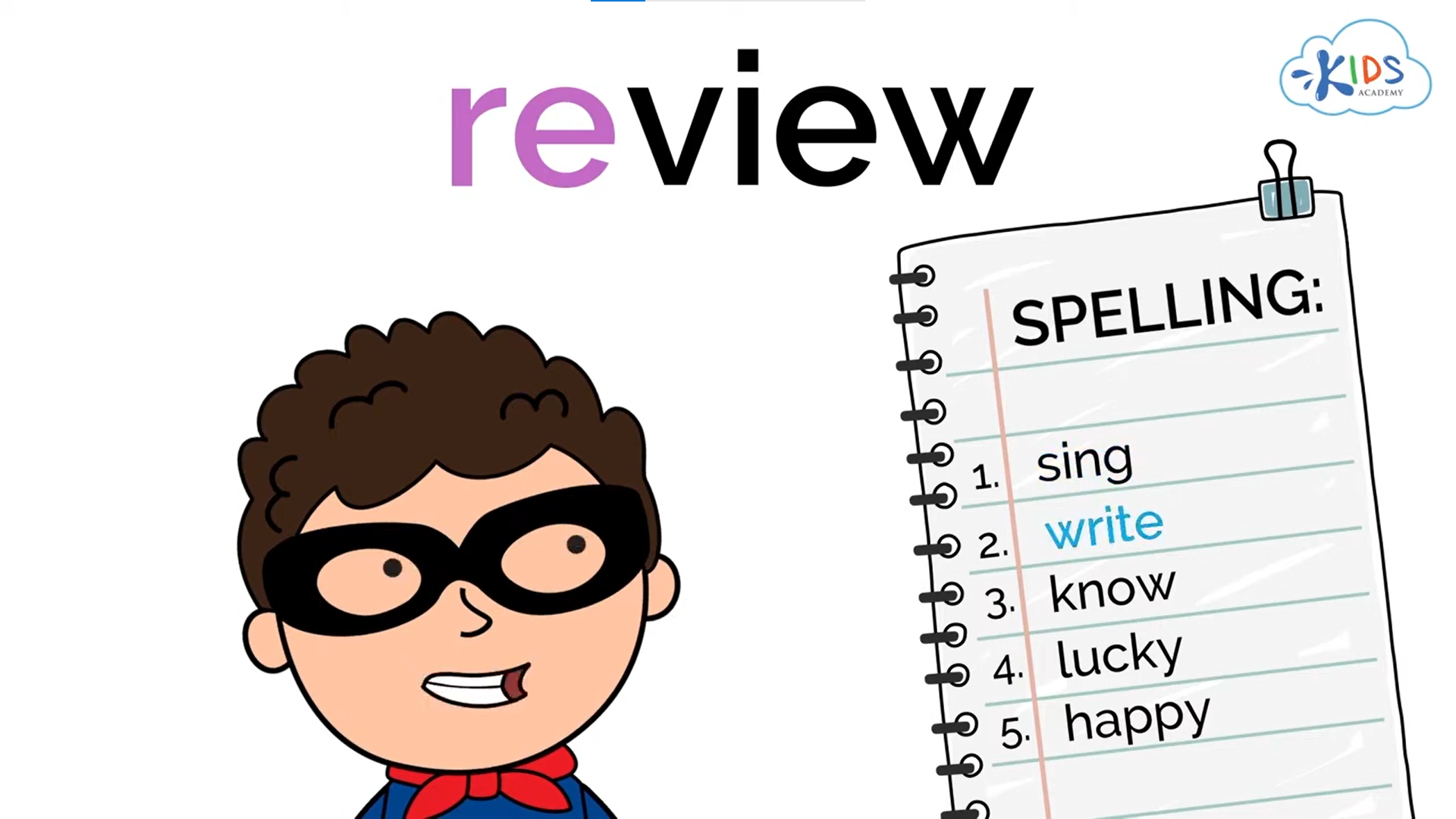
Vocabulary enhancement is critical for children aged 4-7 as it lays the foundation for their language development, literacy skills, and overall communication abilities. At this crucial developmental stage, children are like sponges, eager to absorb new words and concepts. A rich vocabulary enhances their ability to express thoughts, emotions, and ideas, fostering their self-confidence and interpersonal skills.
Teachers and parents play a vital role in cultivating an enriching language environment. By introducing varied vocabulary through meaningful contexts—like storytelling, play, and interactive discussions—they can help children make meaningful connections with words. This exposure not only enhances children’s understanding but also fuels their curiosity and thirst for learning.
Furthermore, a strong vocabulary is closely linked to reading comprehension and academic success. The better children understand language, the better they can engage with texts, facilitating a love for reading that will immensely benefit them throughout their educational journey.
Last but not least, mastery of vocabulary contributes to better grammar usage. Understanding how words fit together allows children to form coherent sentences. In an increasingly interconnected world, equipping children with robust vocabulary and grammar skills ensures they can communicate effectively, opening doors to future opportunities.