Vocabulary development Normal Writing Worksheets for Ages 4-7
6 filtered results
-
From - To
Boost your child's vocabulary with our engaging Normal Writing Worksheets designed specifically for ages 4-7! These worksheets provide a fun and interactive way for young learners to enhance their word recognition, spelling, and writing skills. Our carefully crafted activities encourage creativity while teaching essential vocabulary in various contexts. From identifying images to word association exercises, each worksheet is designed to captivate children's imaginations and make learning enjoyable. Perfect for at-home practice or classroom activities, these resources support early literacy development and lay the foundation for future academic success. Help your child become confident communicators with our exceptional vocabulary development worksheets!
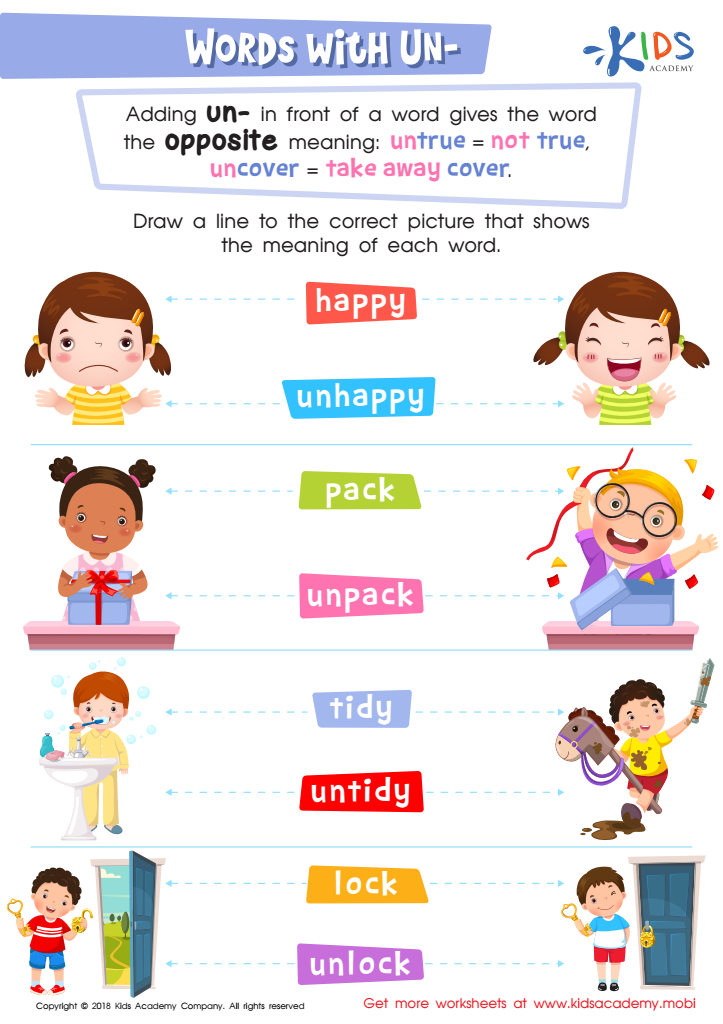
Words with Un– Worksheet
 Assign to My Students
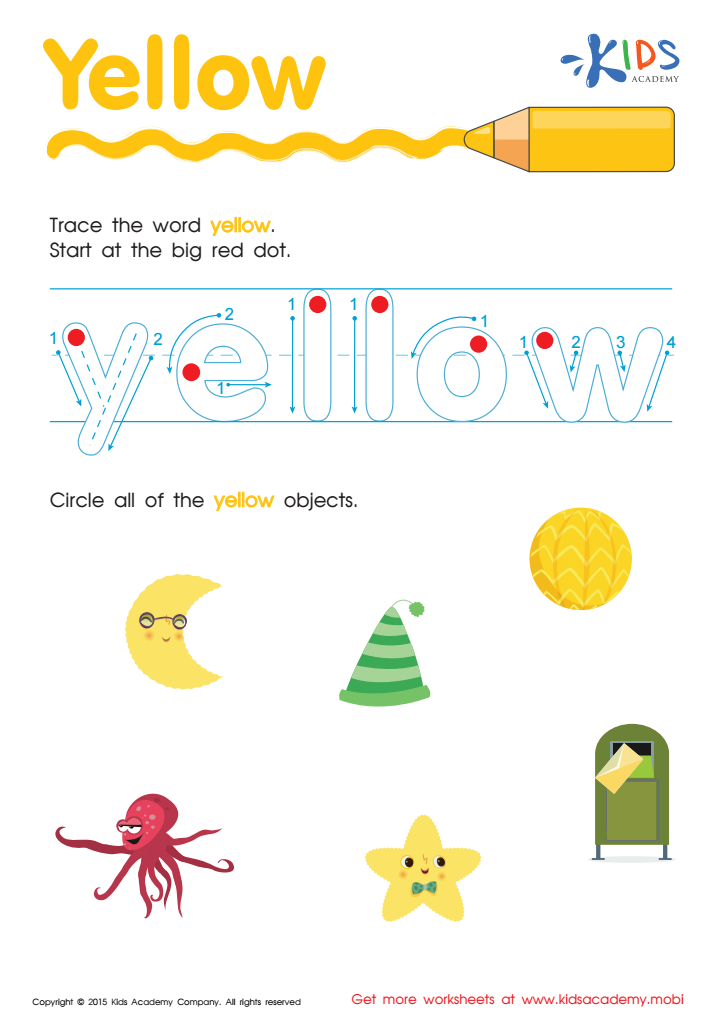
Yellow Tracing Color Words Worksheet
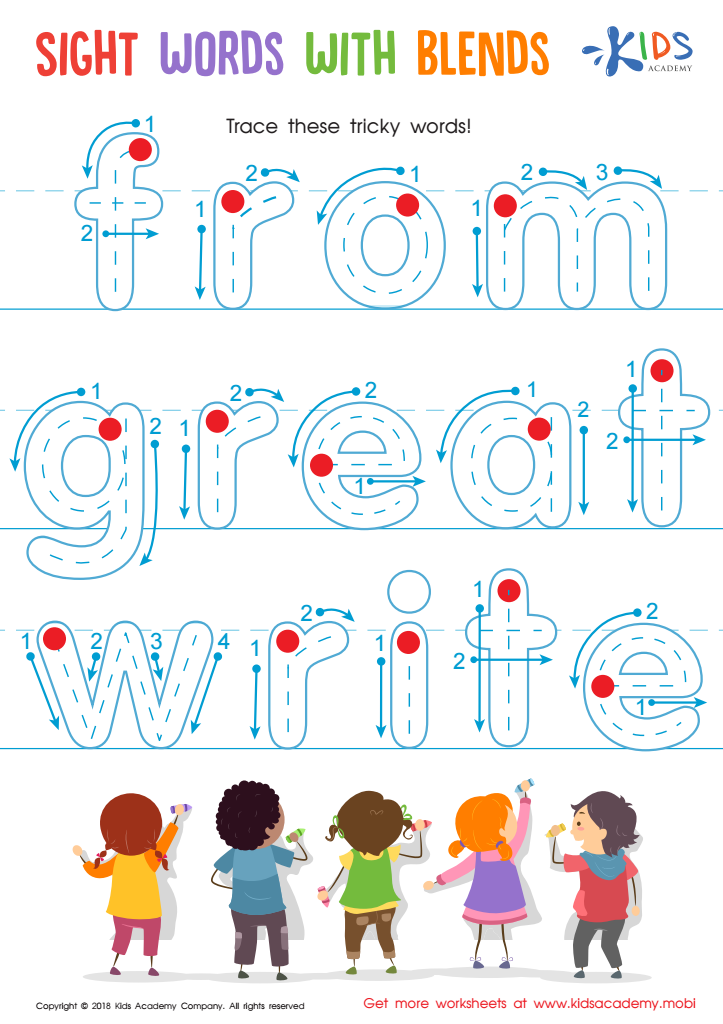
Sight Words with Blends Worksheet
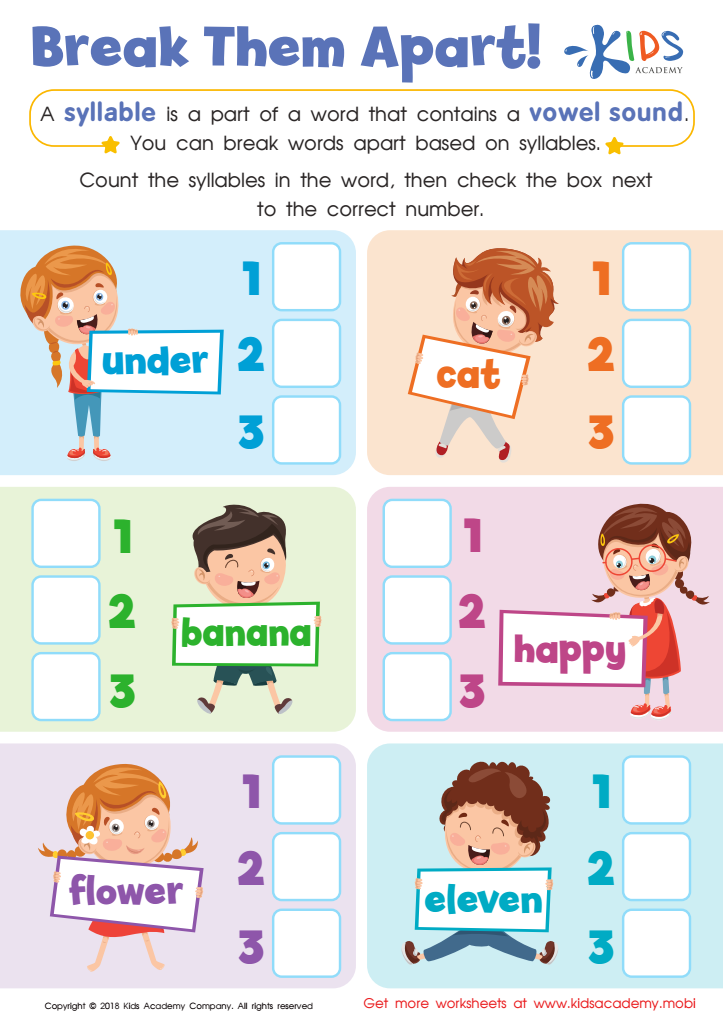
Reading: Break Them Apart Worksheet
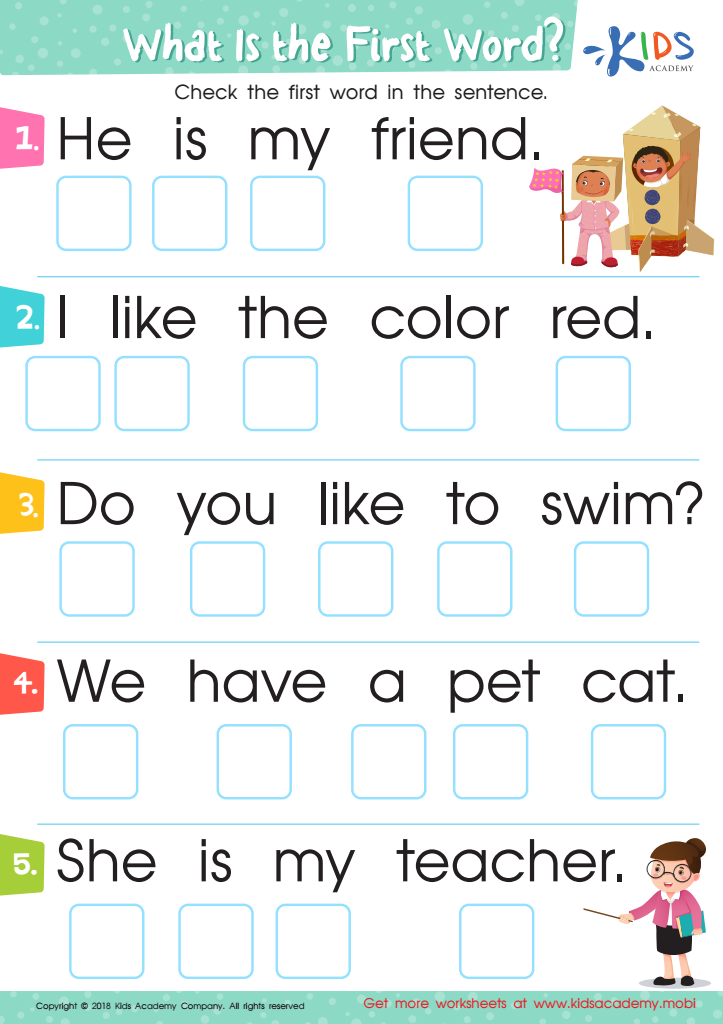
What is the First Word? Worksheet
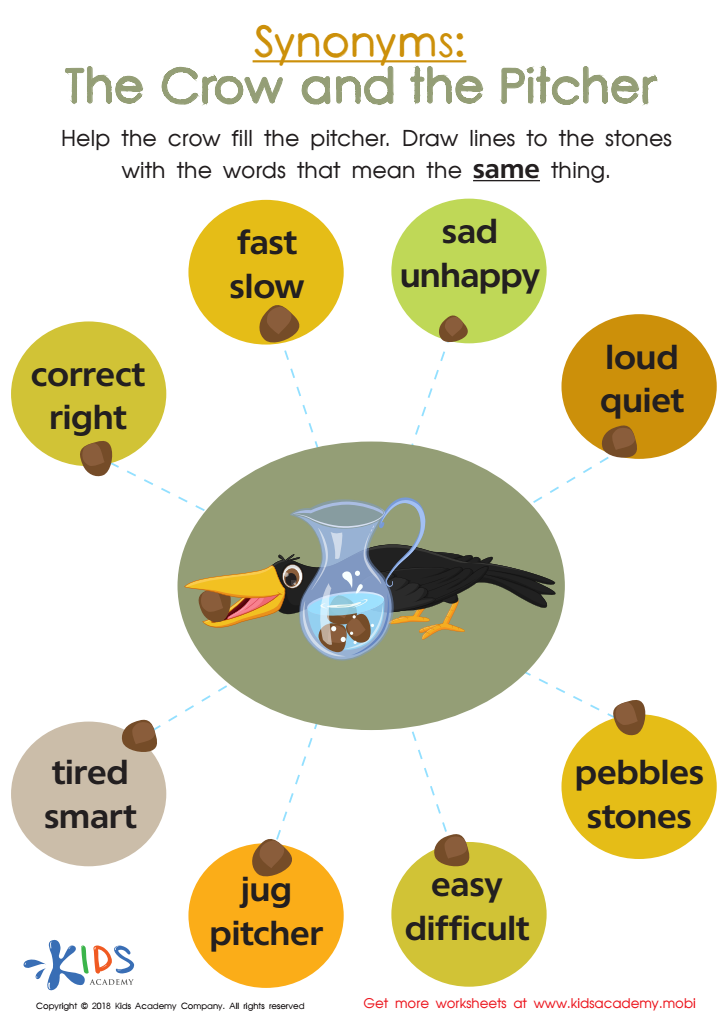
The Crow and the Pitcher Synonyms Worksheet





Vocabulary development is essential for young children, especially between the ages of 4 to 7, as it lays the foundation for effective communication, literacy, and overall learning. During these formative years, children are rapidly acquiring language skills, and a robust vocabulary enhances their ability to express thoughts, feelings, and ideas clearly.
Parents and teachers play a crucial role in fostering vocabulary growth. A rich vocabulary enables children to understand what they read and hear, which is vital for academic success. It allows them to engage in conversations, ask questions, and build social connections with peers and adults. When children have more words, they can articulate their needs and emotions, leading to better social interactions and improved self-esteem.
Moreover, vocabulary development correlates with cognitive skills. Engaging in discussions, reading diverse stories, and introducing new words through play stimulates critical thinking and creativity. As children encounter new words, they also develop curiosity about the world around them, encouraging lifelong learning.
Supporting vocabulary development through everyday experiences helps children become confident communicators and proficient readers. This focus on language at a young age ensures a stronger foundation for their educational journey and overall development. Parents and teachers should prioritize vocabulary-building activities to unlock each child's fullest potential.