Fine Motor Skills Normal Alphabet Worksheets for 4-Year-Olds - Page 3
51 filtered results
-
From - To
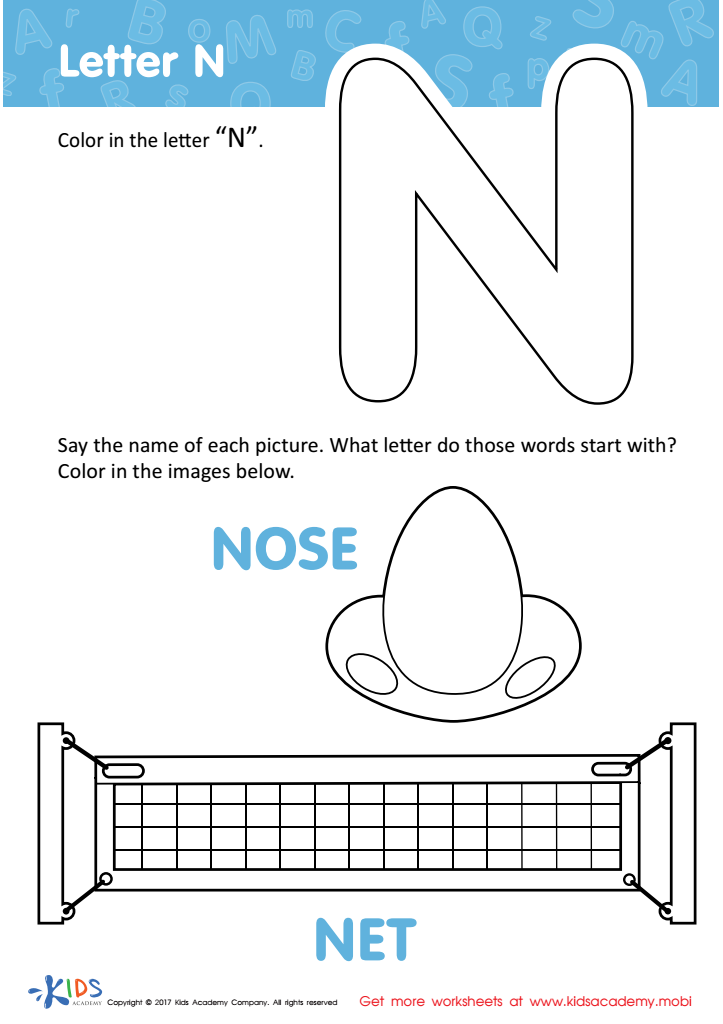
Letter N Coloring Sheet
 Assign to My Students

Letter D Tracing Page
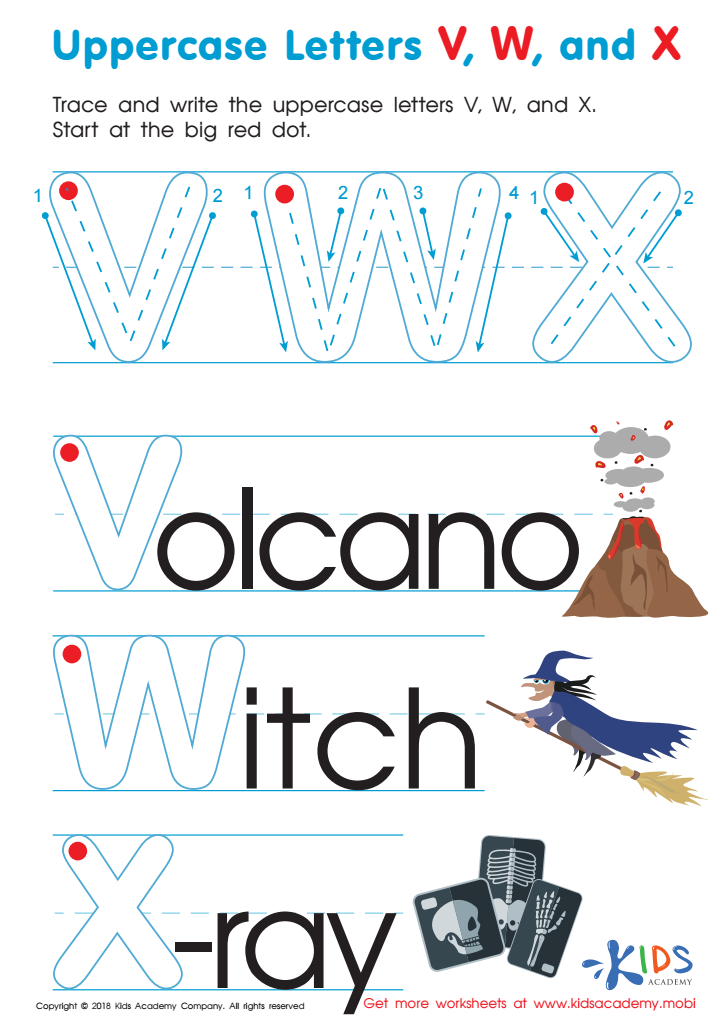
Uppercase Letters V, W, and X Worksheet







Fine motor skills are vital for 4-year-olds as they set the foundation for essential everyday tasks and academic success. Developing these skills helps children effectively control their hand movements, which is crucial for writing, drawing, and manipulating small objects. As children engage in activities that enhance fine motor skills, such as cutting with scissors, threading beads, or playing with clay, they not only gain confidence but also improve their hand-eye coordination.
Parents and teachers should care about these skills because they are closely linked to a child's overall development—socially, emotionally, and cognitively. Fine motor skill proficiency can lead to increased independence in completing tasks like dressing, feeding, and writing; it boosts self-esteem when children master new activities. Furthermore, there is a noticeable correlation between fine motor skills and later academic performance, particularly in literacy and math.
By investing time in activities that promote fine motor skills, parents and teachers equip children with necessary tools for lifelong learning. Creating stimulating environments, offering hands-on tasks, and encouraging practice at home helps children thrive in a world that increasingly values precision and dexterity. Ultimately, fostering these skills is essential for ensuring children's readiness for school and beyond.







