Handwriting Skills Normal Alphabet Worksheets for 4-Year-Olds
5 filtered results
-
From - To
Our "Handwriting Skills Normal Alphabet Worksheets for 4-Year-Olds" are expertly designed to help young learners enhance their writing abilities. Crafted by educational professionals, these worksheets introduce children to the alphabet in a fun and engaging way. Each sheet provides practice for letter recognition and accurate formation, laying a solid foundation for future writing tasks. By integrating playful activities, children remain motivated and excited as they develop essential handwriting skills. Perfect for classroom use or at-home learning, these worksheets ensure a smooth, enjoyable learning experience, boosting confidence and proficiency in young writers. Download today and watch their skills flourish!
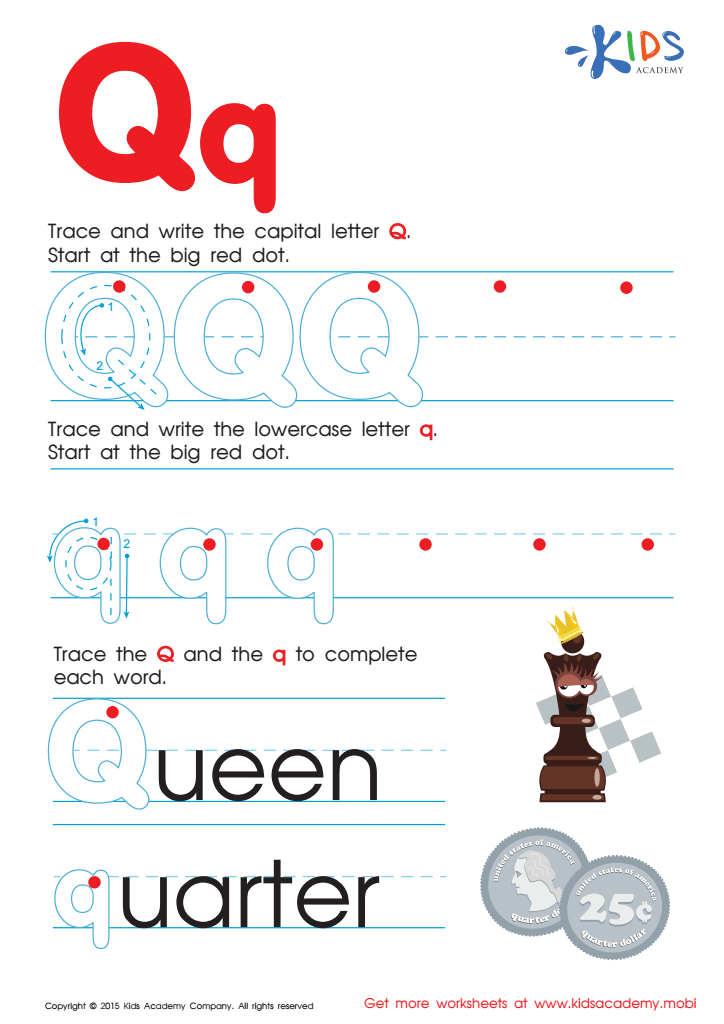
Letter Q Tracing Page
 Assign to My Students
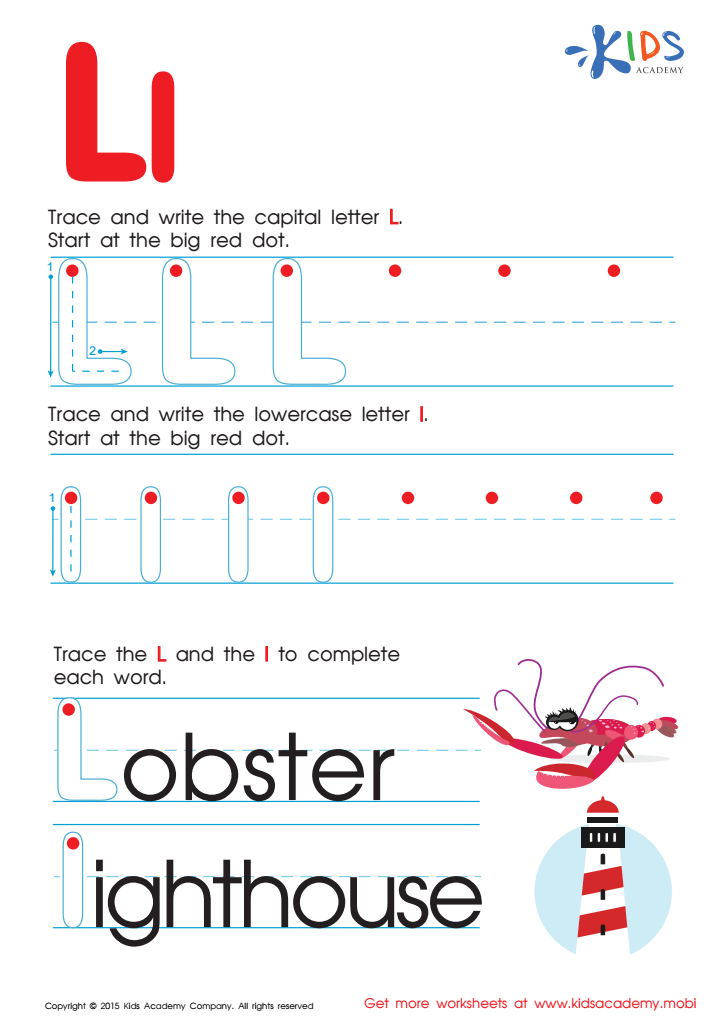
Letter L Tracing Page
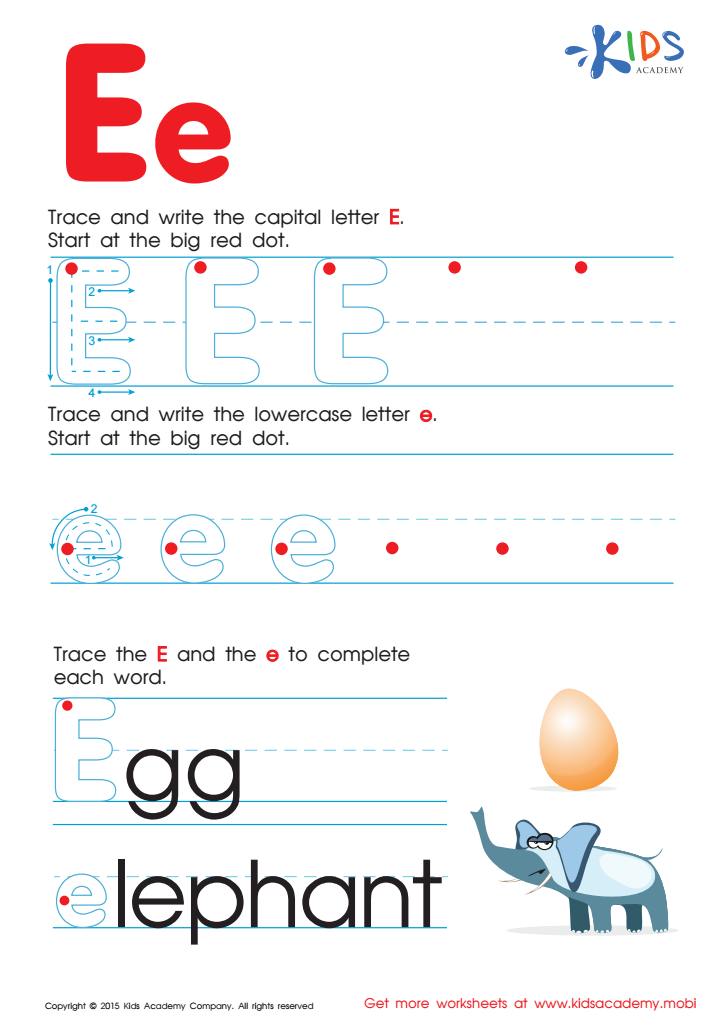
Letter E Tracing Page
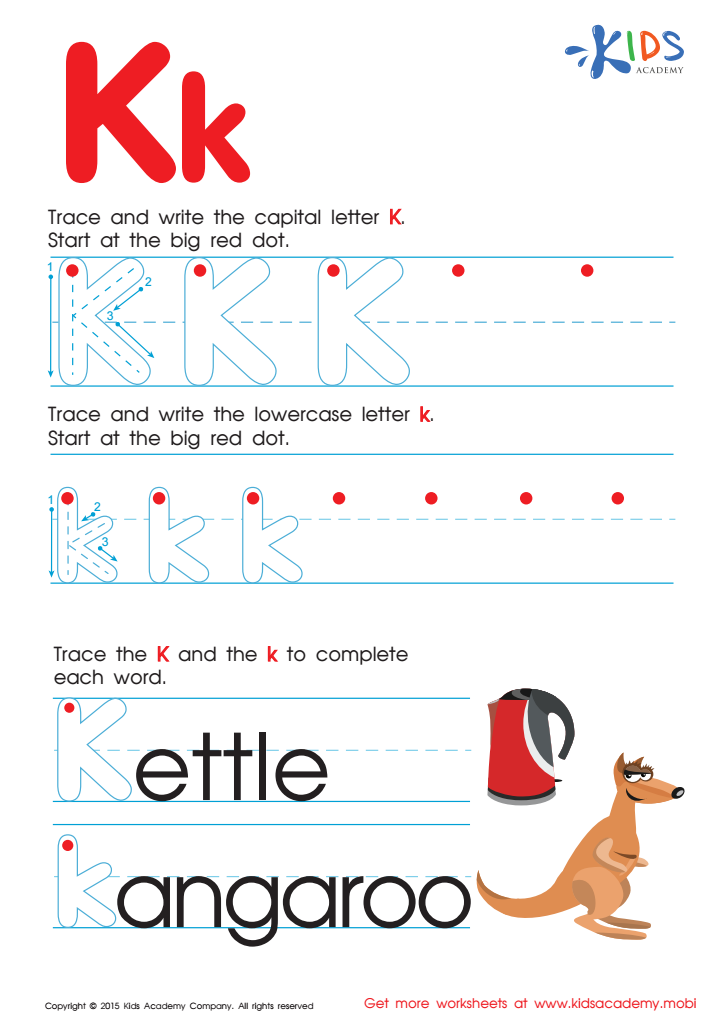
Letter K Tracing Page

Letter F Tracing Page





.jpg)


Handwriting skills are vitally important for 4-year-olds as they enter an essential phase of early childhood development. For parents and teachers, focusing on handwriting skills with the normal alphabet paves the way for numerous cognitive and academic benefits. First and foremost, practicing handwriting helps with fine motor coordination, strengthening the small muscles in children's hands and fingers. This development is crucial for other daily tasks such as buttoning clothes or using utensils.
Handwriting practice also reinforces letter recognition and phonics, the building blocks of literacy. By repeatedly tracing and writing letters, children consolidate their understanding of the alphabet, phonetic sounds, and word formation, which directly impacts their ability to read and write proficiently later on. Moreover, the tactile activity of writing imprints the learning process more deeply in their brains compared to just visual learning.
Cognitive benefits extend beyond literacy as handwriting activities encourage focus, memory, and visual coordination. When children learn to form letters correctly, it sets a solid foundation, preventing future learning difficulties and promoting confidence in their academic skills.
Lastly, the act of handwriting—especially in a classroom setting—fosters discipline, patience, and attention to detail. These early lessons in consistency and effort translate into better academic and social skills as children grow. Parents and teachers prioritizing handwriting skills are, therefore, equipping children with tools that promise long-term educational success.







