Phonics recognition Normal Alphabet Worksheets for 4-Year-Olds
5 filtered results
-
From - To
Welcome to our Phonics Recognition Normal Alphabet Worksheets for 4-Year-Olds! These engaging worksheets are designed to help young learners develop essential phonics skills while recognizing the normal alphabet. Each activity encourages children to identify letter sounds, match letters with corresponding images, and strengthen their reading readiness. Our user-friendly layouts and colorful illustrations make learning enjoyable and accessible for preschoolers. These worksheets are a perfect tool for parents and educators to facilitate early literacy development, ensuring a solid foundation for future reading success. Download these fun and educational resources today and watch your child thrive in their phonics journey!
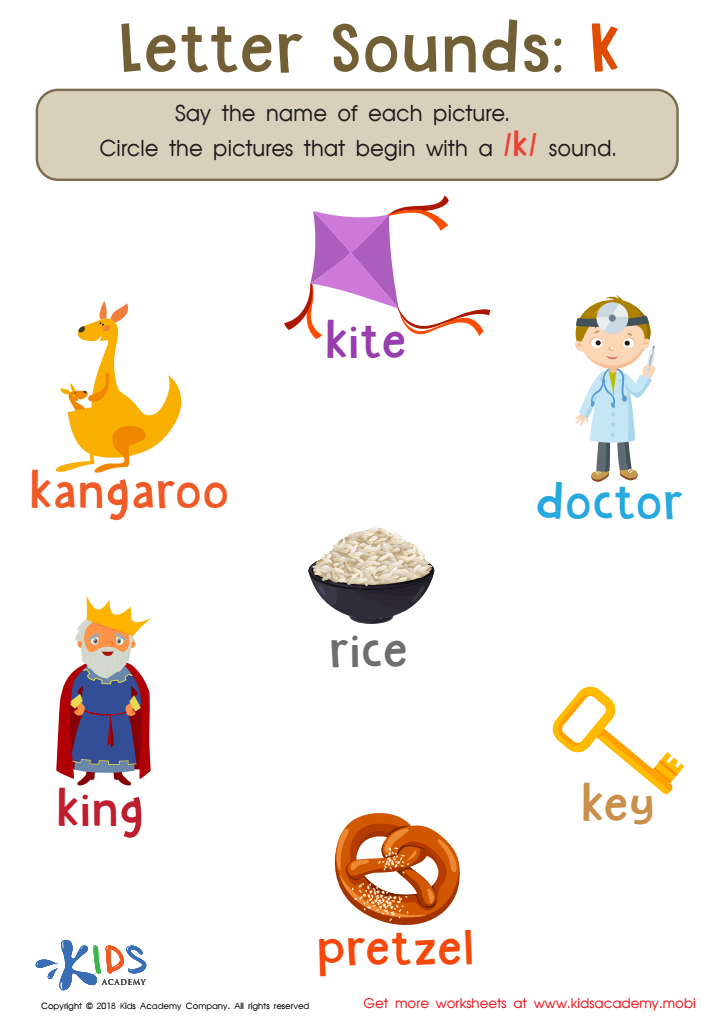
Letter K Sounds Worksheet
 Assign to My Students
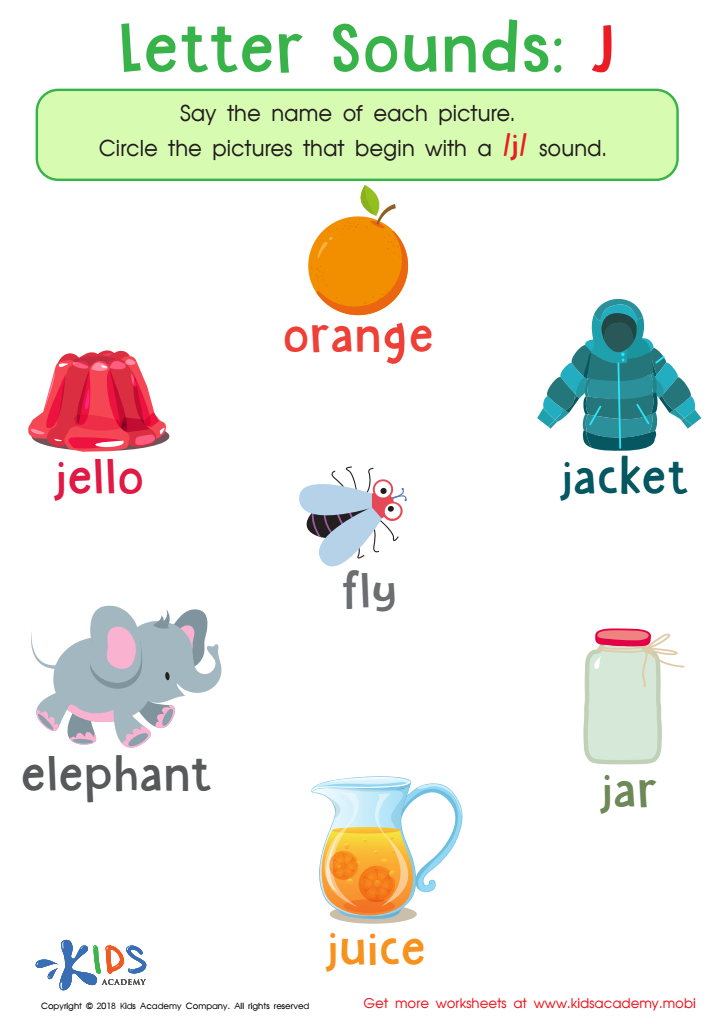
Letter Sounds: J Printable Worksheet
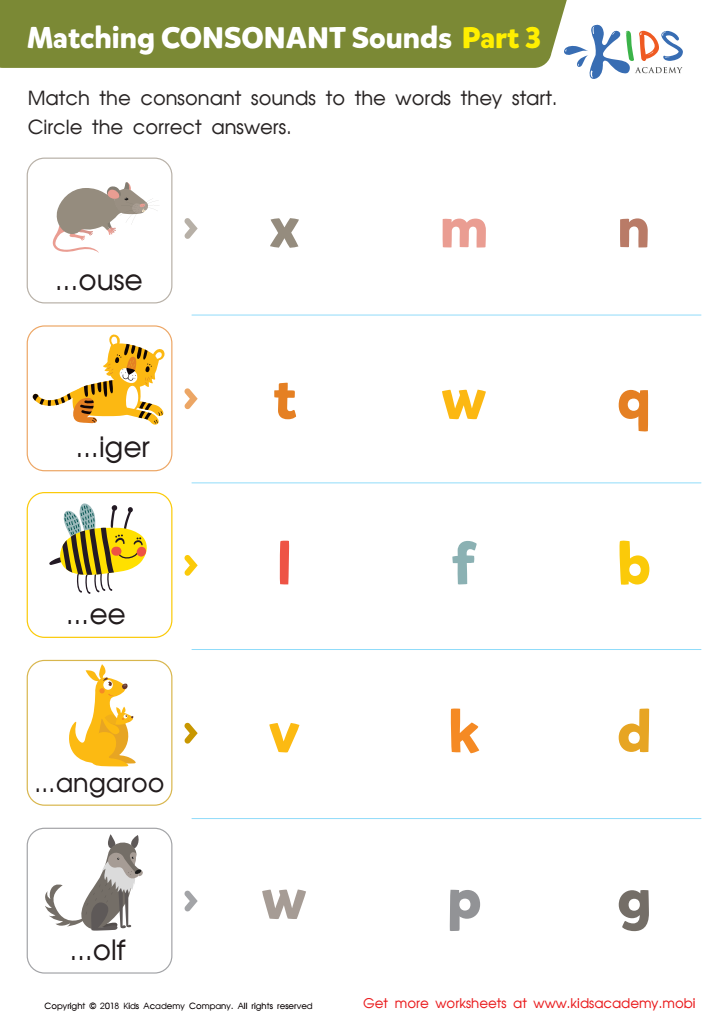
Matching Consonant Sounds: Part 3 Worksheet
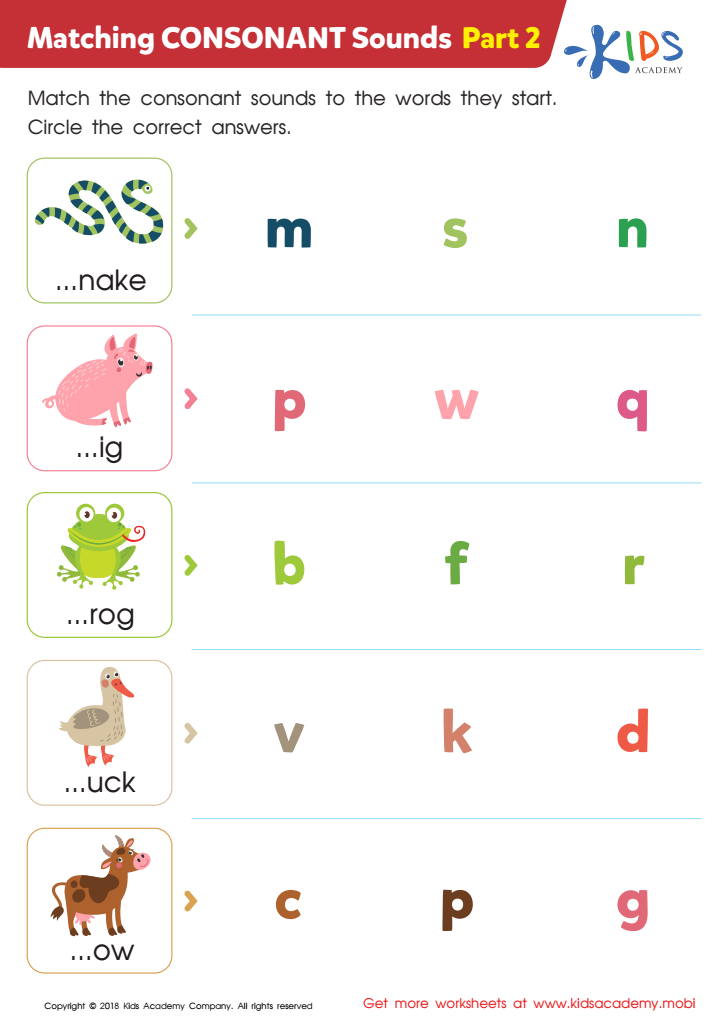
Matching Consonant Sounds: Part 2 Worksheet
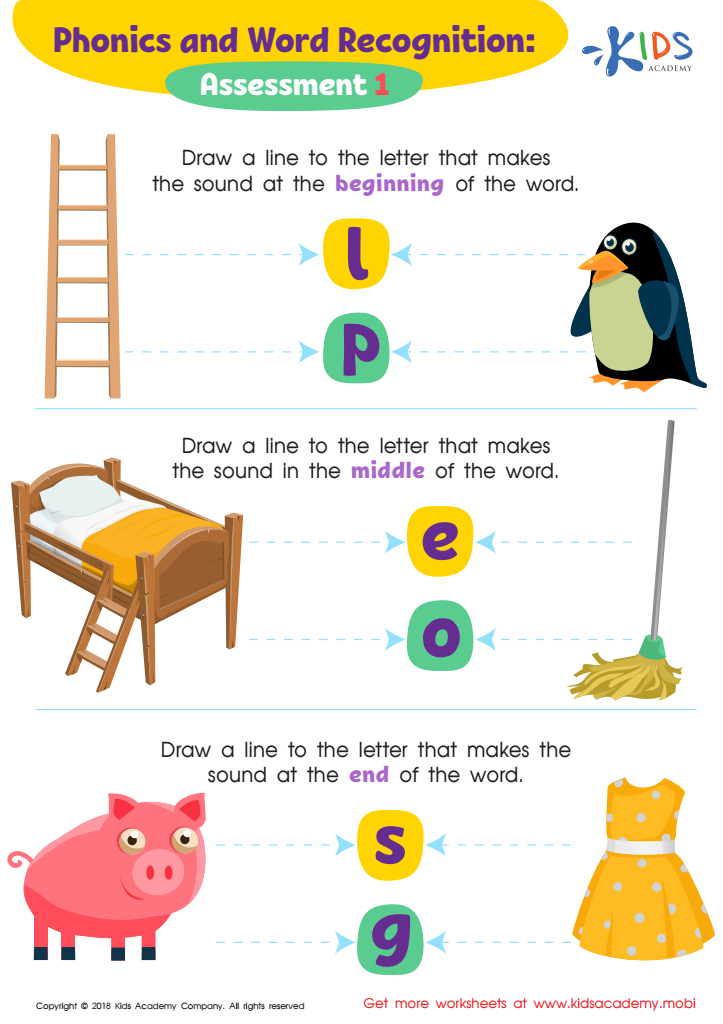
Phonics and Word Recognition: Assessment 1 ELA Worksheet




Phonics recognition is crucial for early literacy development, especially for 4-year-olds. Understanding how letters correspond to sounds lays the foundation for reading and writing. When children grasp the Normal Alphabet through phonics, they learn to decode words, which enhances their reading fluency and comprehension skills. This proficiency boosts their confidence in language use, fostering a positive attitude towards learning.
Moreover, phonics instruction helps children develop critical thinking and problem-solving skills. By sounding out letters and blending sounds, they not only learn how to read but also enhance their auditory processing abilities. Early exposure to phonics can prevent future reading difficulties and struggles in school, promoting long-term academic success.
For parents and teachers, supporting phonics recognition means investing in a child's future. Engaging children with fun activities—like songs, games, and interactive reading—creates an enriching learning environment. Enhanced phonics skills promote better vocabulary acquisition and communication abilities, equipping children for effective interaction in class and beyond.
Ultimately, by emphasizing phonics recognition in early childhood education, parents and teachers cultivate essential literacy skills that are critical for lifelong learning and achievement. Supporting children in this vital stage empowers them to become confident, capable readers.







