Handwriting practice Normal Letter Recognition Worksheets for 4-Year-Olds
23 filtered results
-
From - To
Introduce your little ones to the exciting world of letters with our Handwriting Practice Normal Letter Recognition Worksheets, specially designed for 4-year-olds! These interactive worksheets combine fun and education, helping children master both letter recognition and handwriting skills. As they trace and write each letter, they'll boost their fine motor skills while reinforcing their understanding of the alphabet. Our resources are vibrant, engaging, and packed with activities that maintain young learners’ interest. Perfect for preschool and kindergarten learners, these worksheets foster a love for writing and learning from a young age, laying a strong foundation for future educational success. Start their handwriting journey today!
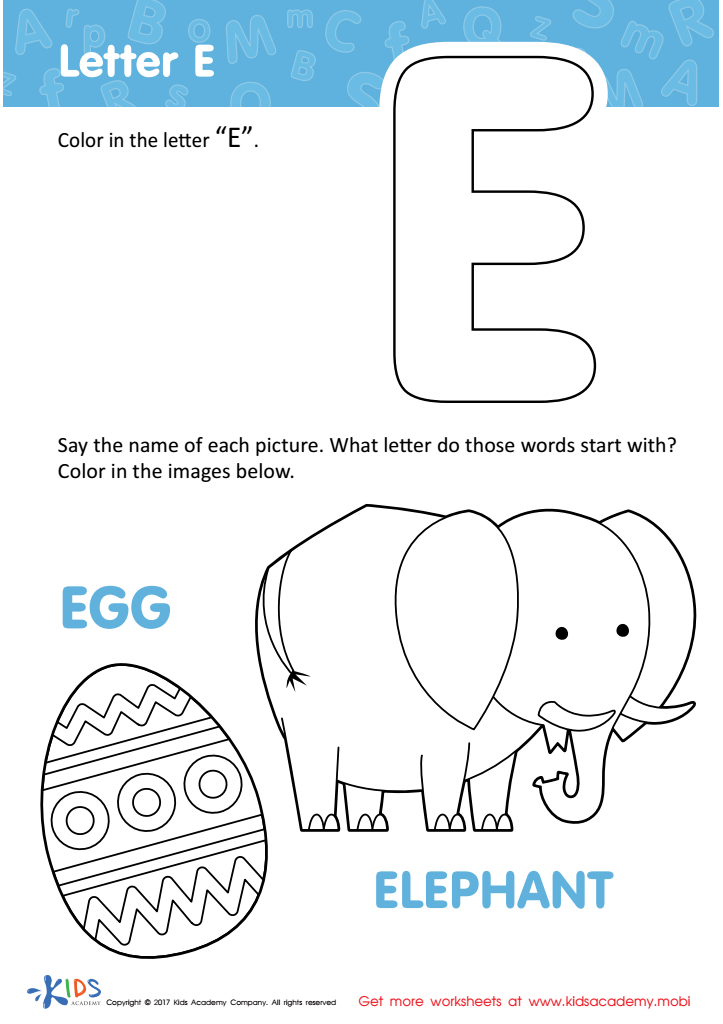
Letter E Coloring Sheet
 Assign to My Students
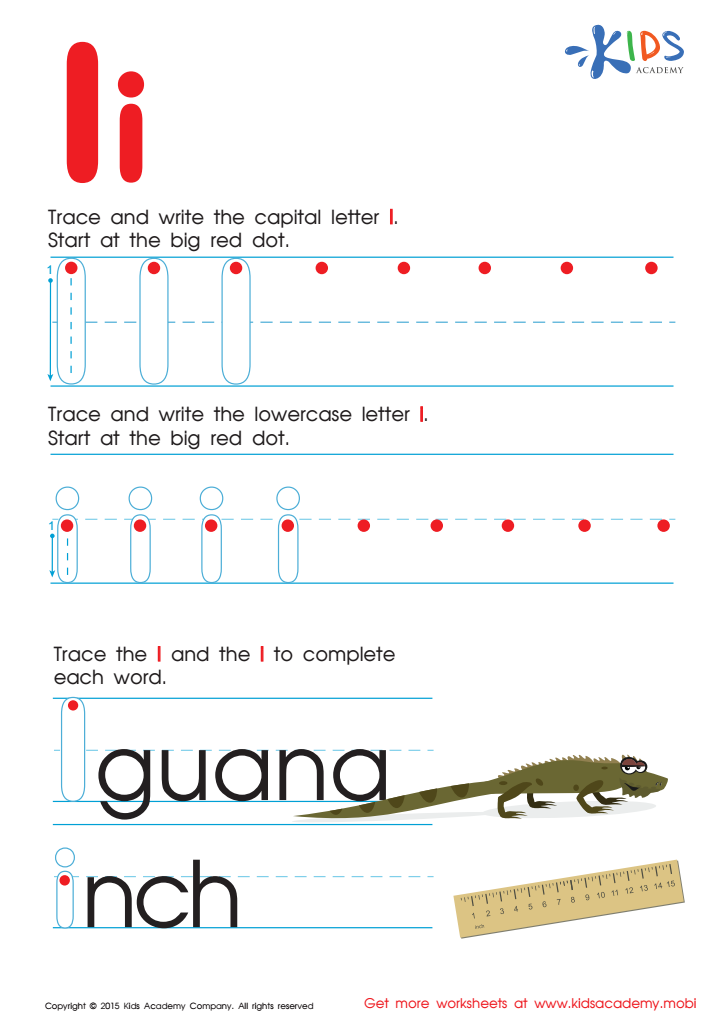
Letter I Tracing Page
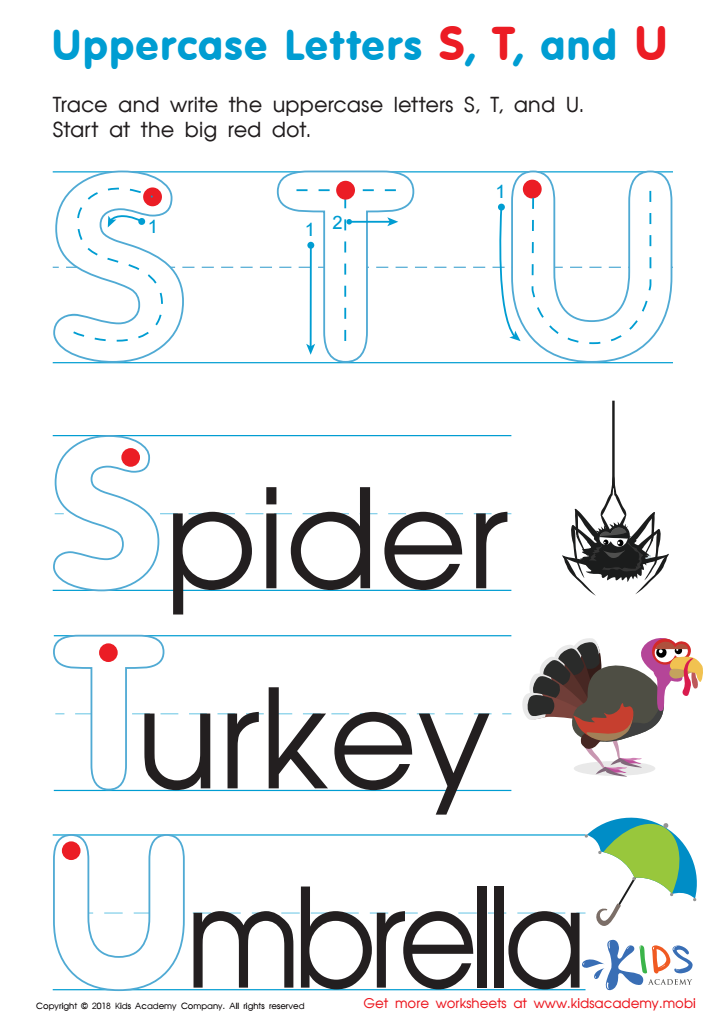
Uppercase Letters S, T, and U Worksheet
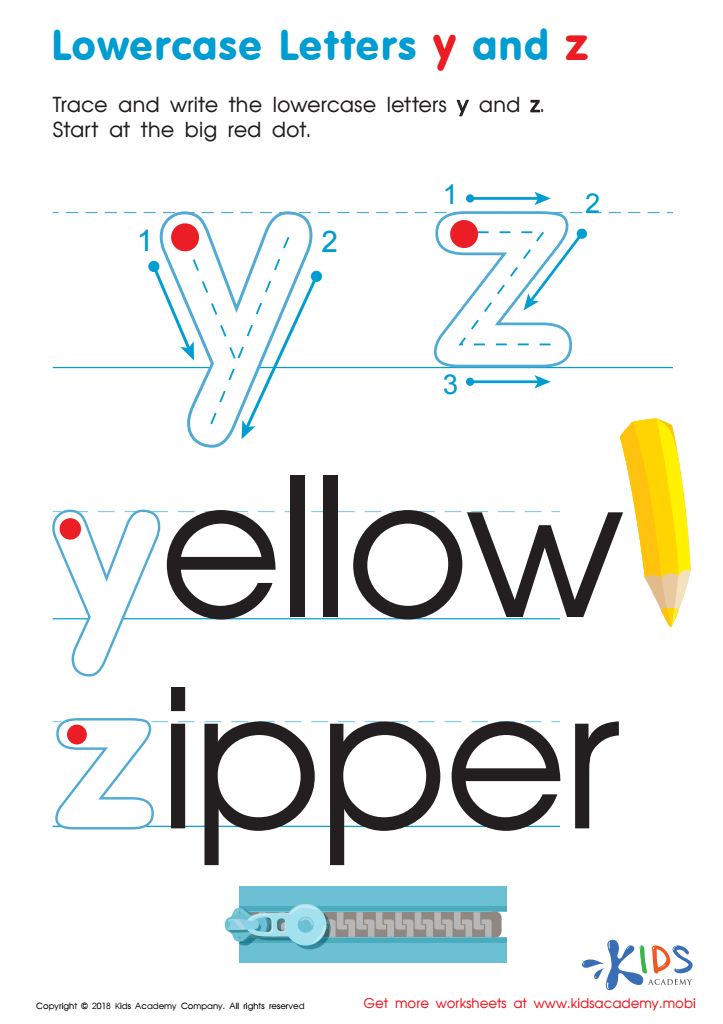
Lowercase Letters y z Worksheet
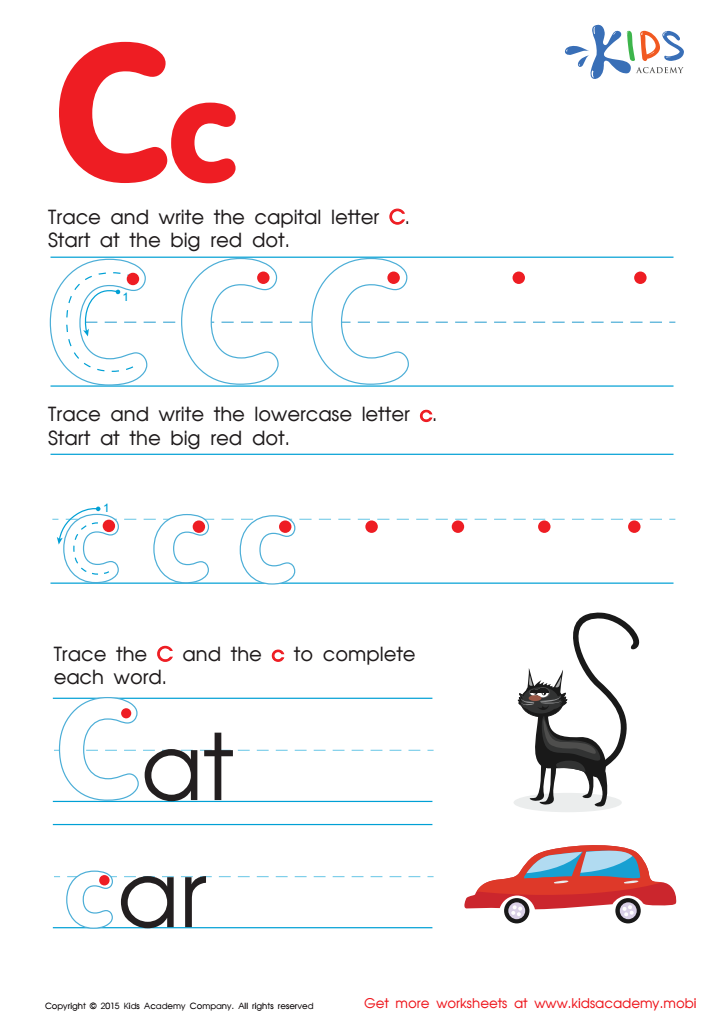
Letter C Tracing Page
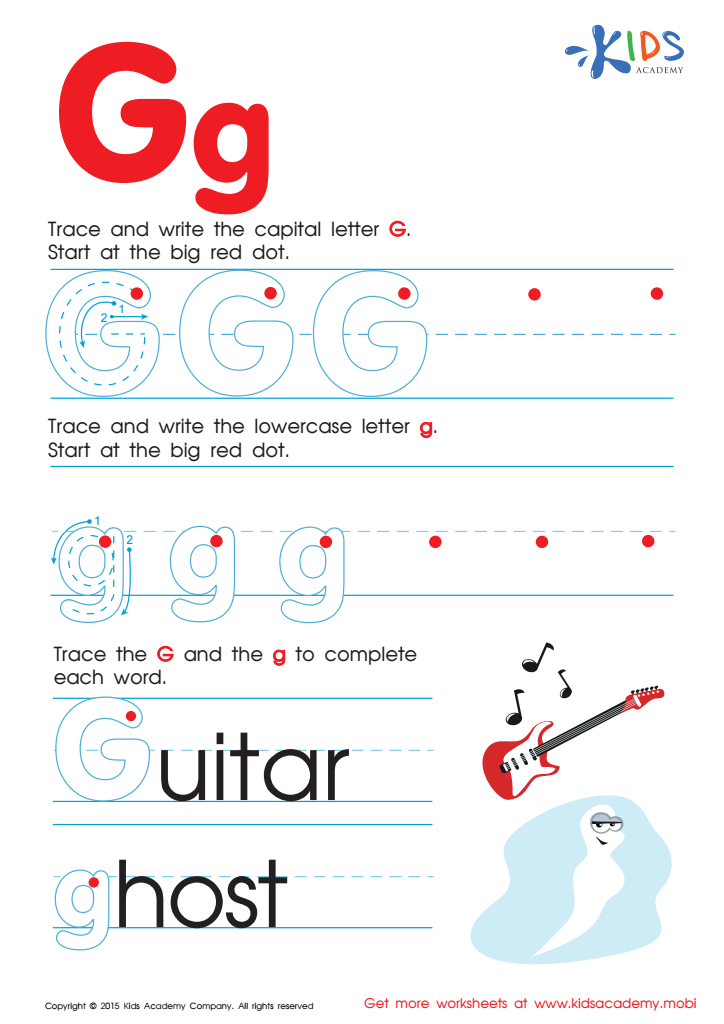
Letter G Tracing Page
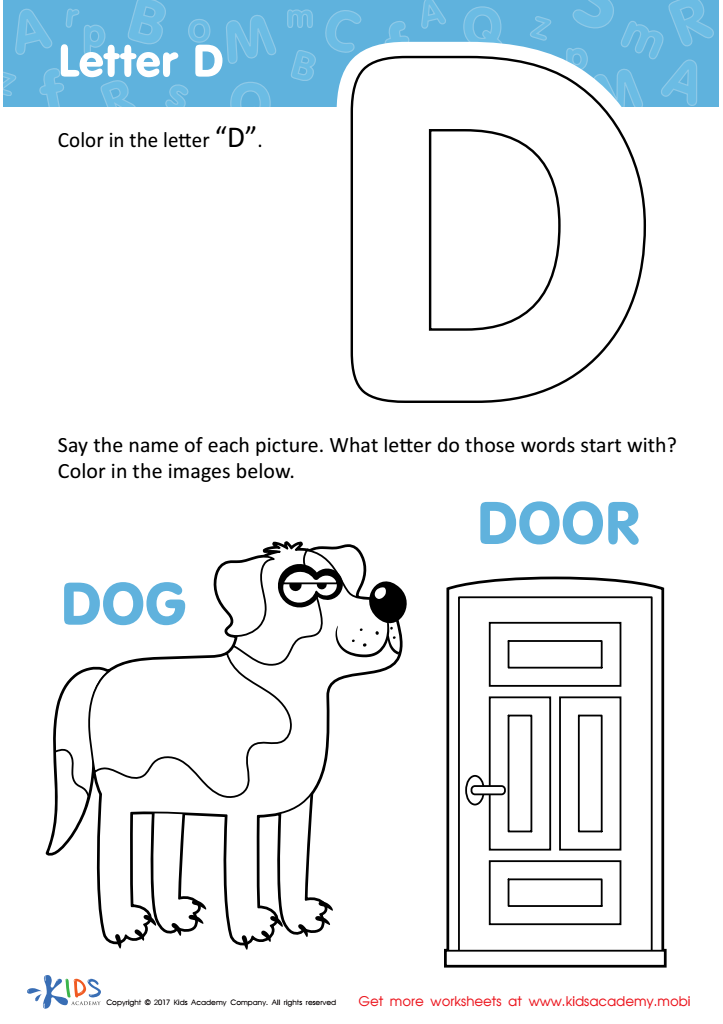
Letter D Coloring Sheet
Assign to My Students
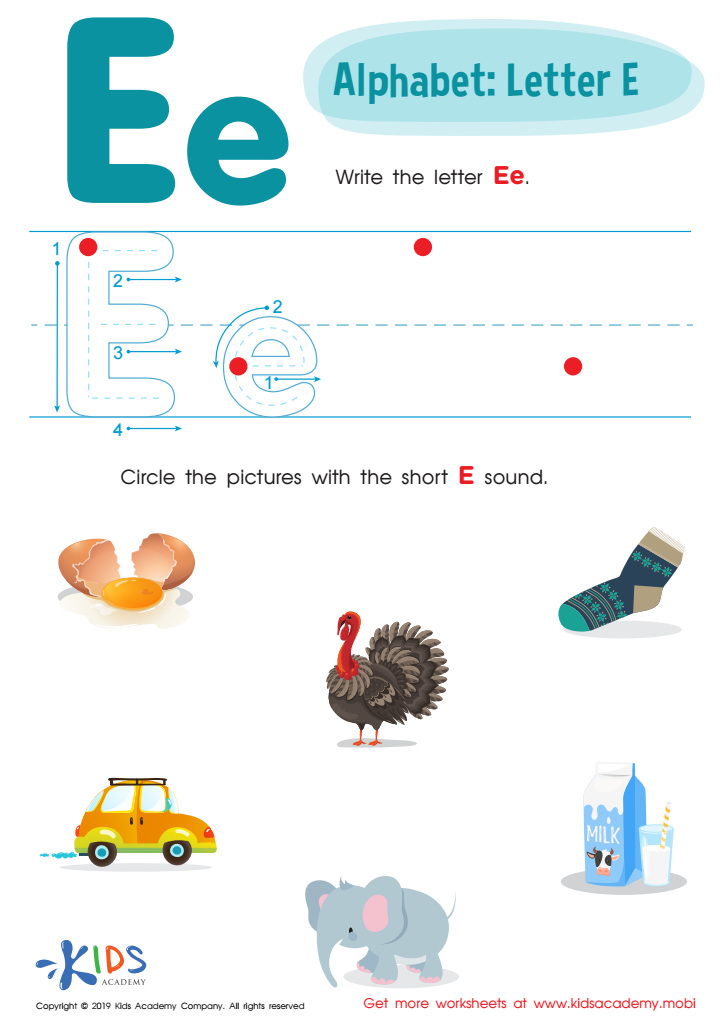
Letter E Tracing Worksheet
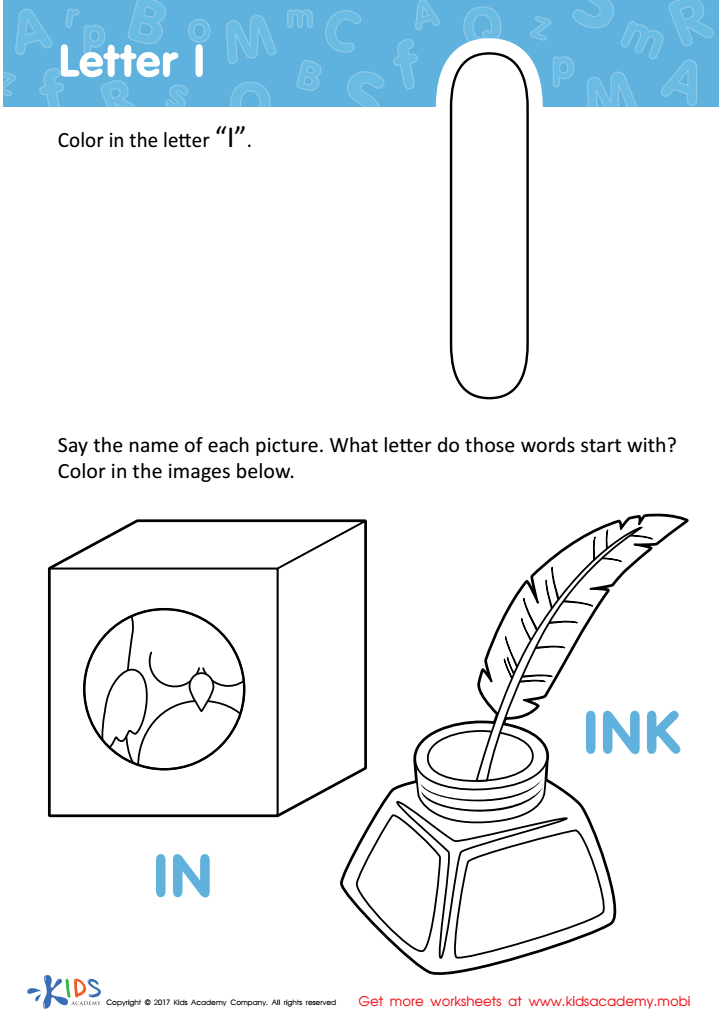
Letter I Coloring Sheet
Assign to My Students
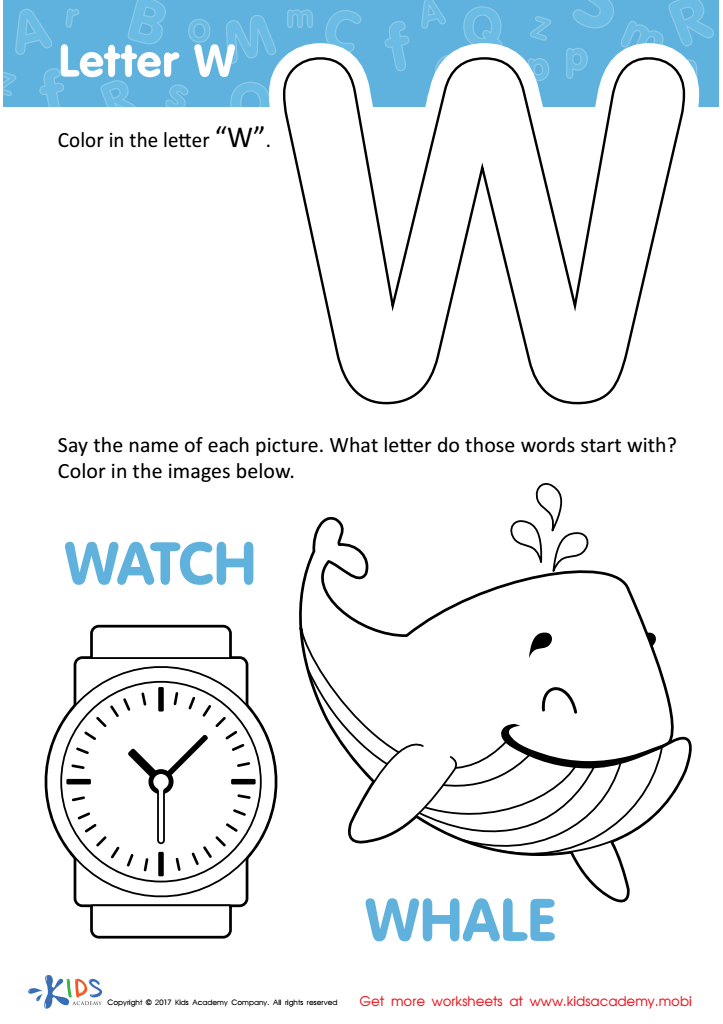
Letter W Coloring Sheet
Assign to My Students
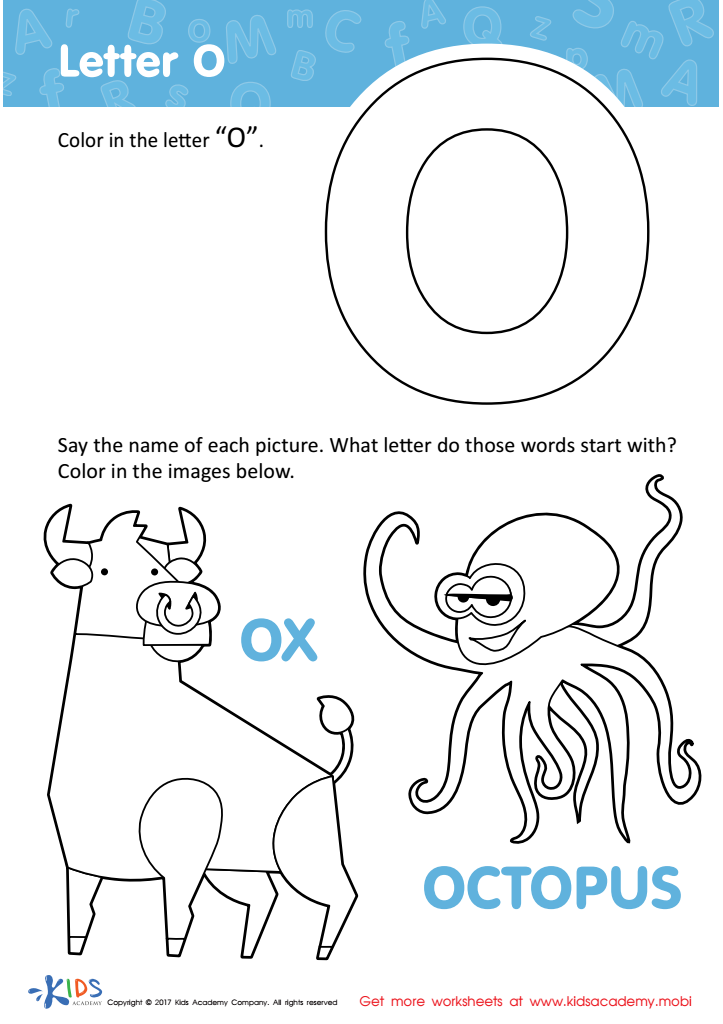
Letter O Coloring Sheet
Assign to My Students
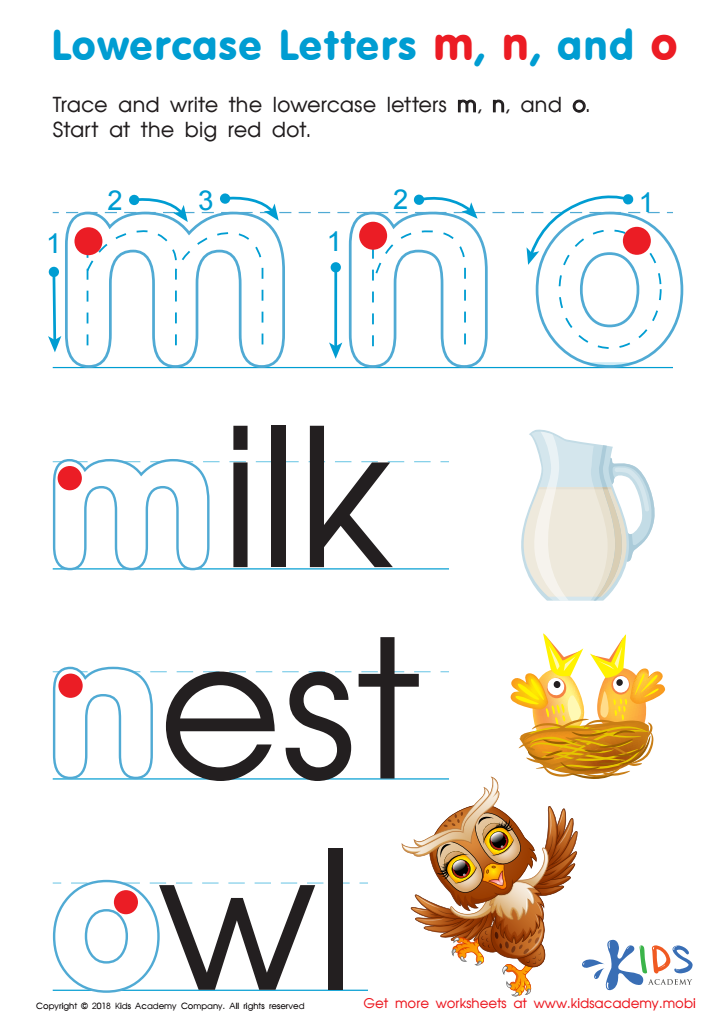
Lowercase Letters m n o Worksheet
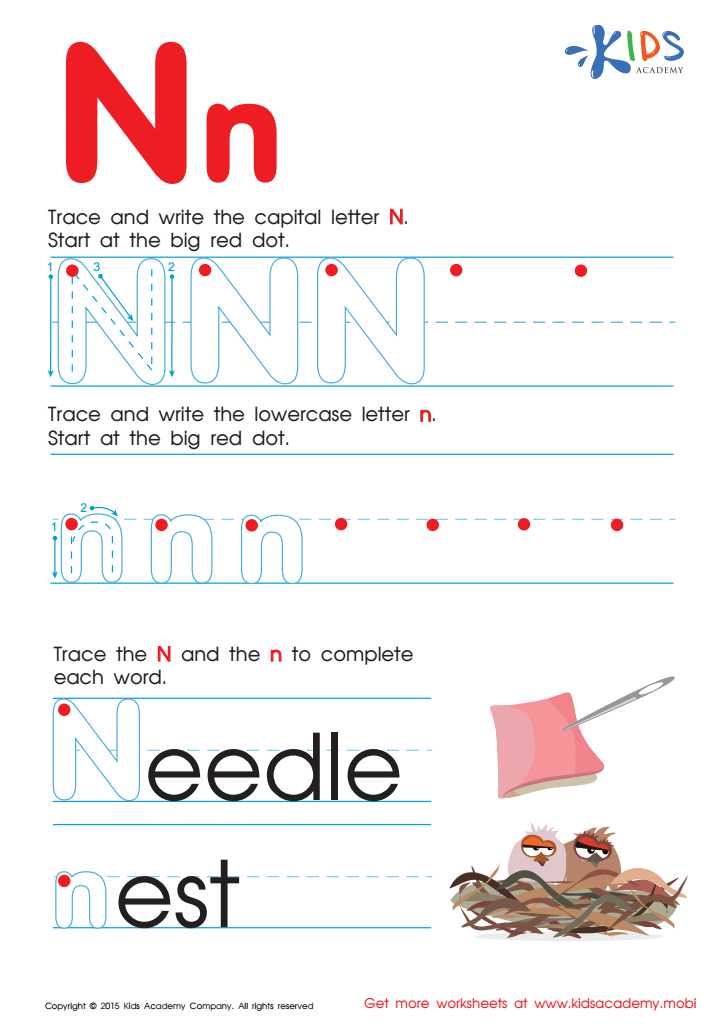
Letter N Tracing Page
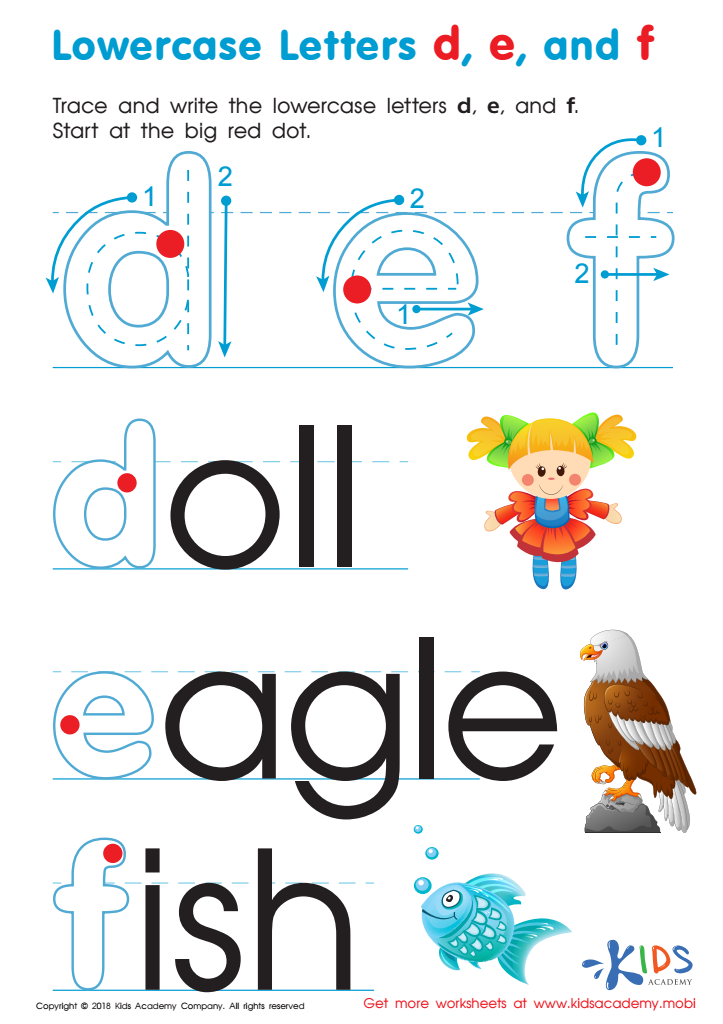
Lowercase Letters d e f Worksheet
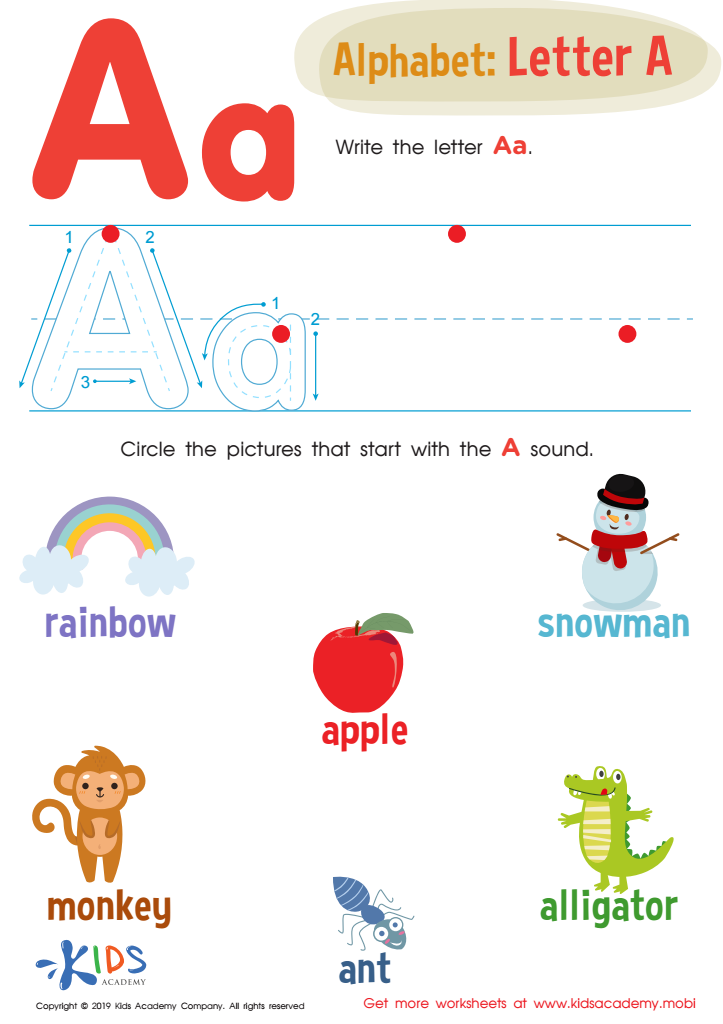
Letter A Tracing Worksheet
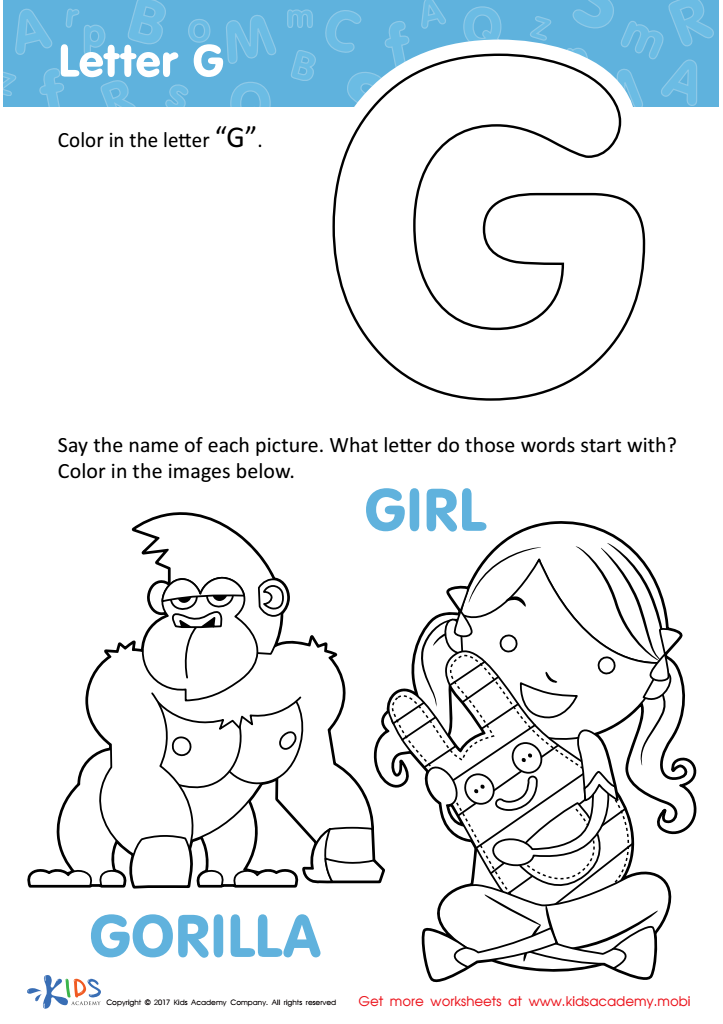
Letter G Coloring Sheet
Assign to My Students
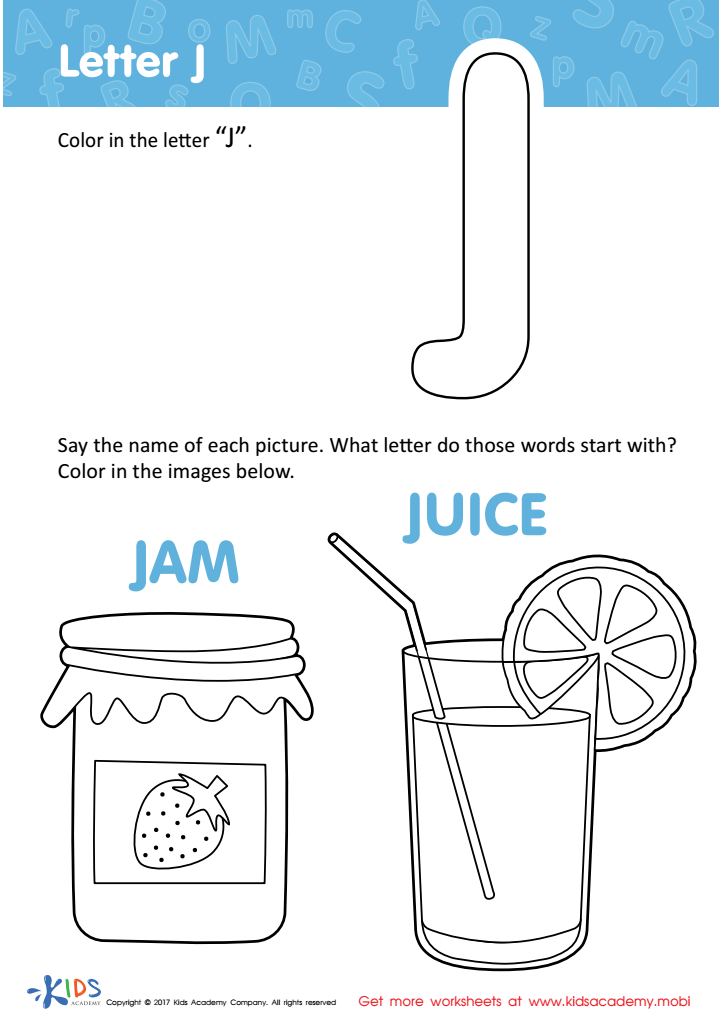
Letter J Coloring Sheet
Assign to My Students
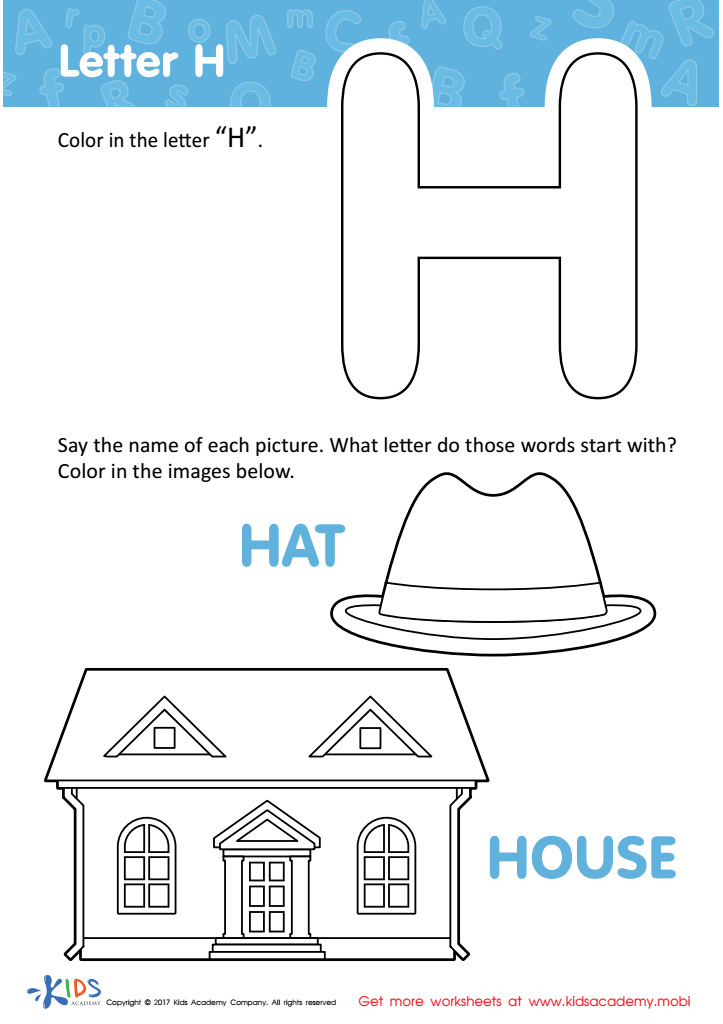
Letter H Coloring Sheet
Assign to My Students
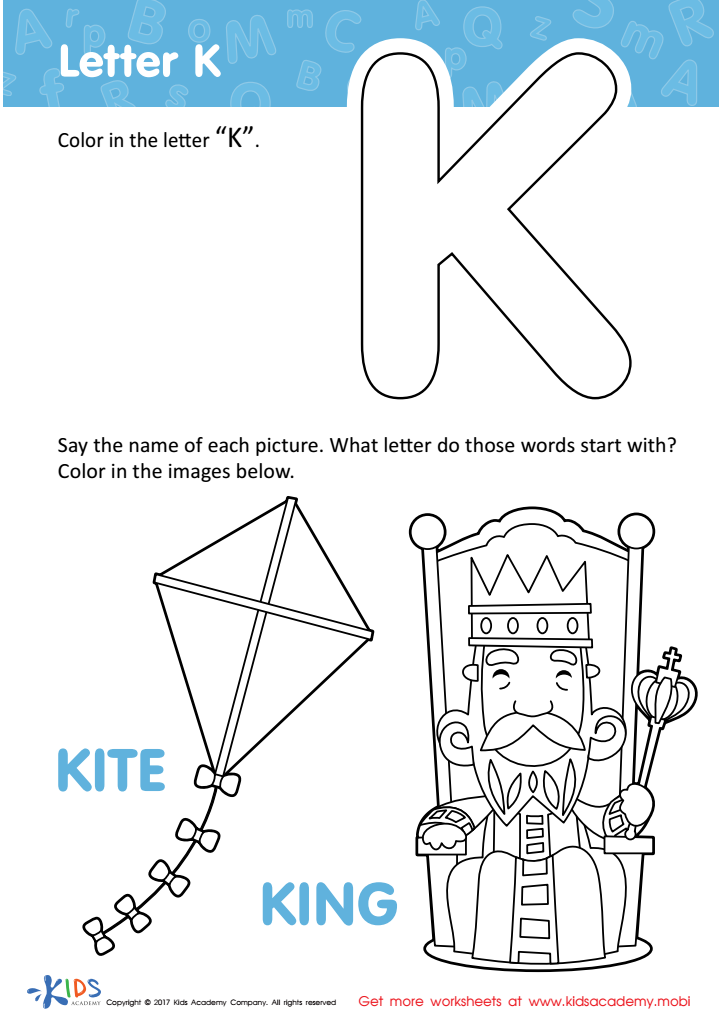
Letter K Coloring Sheet
Assign to My Students
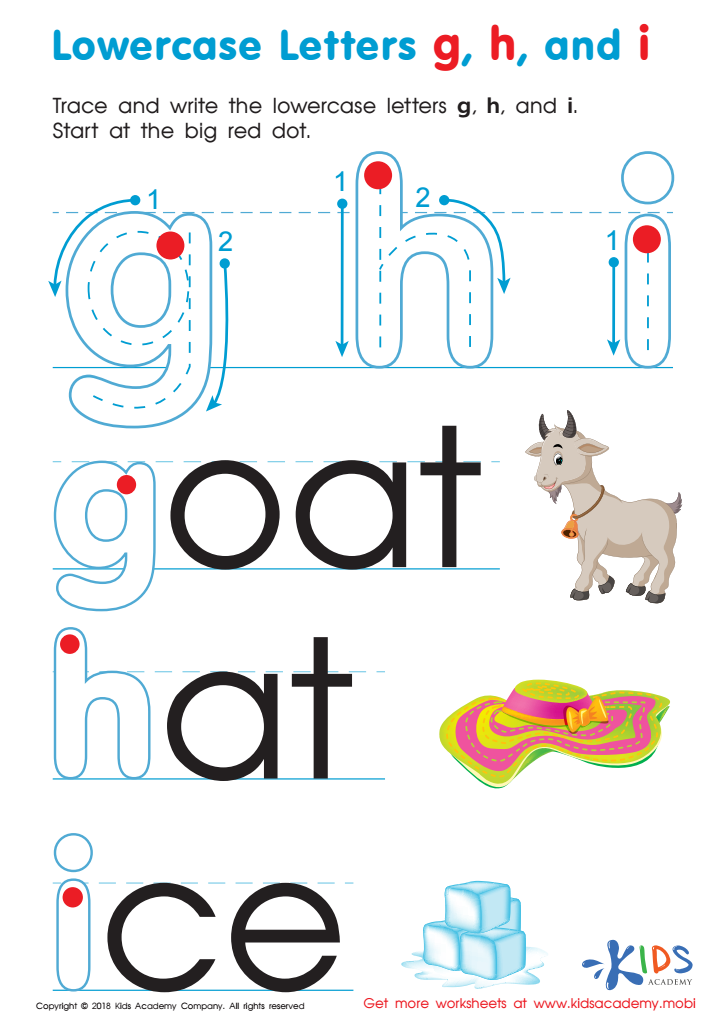
Lowercase Letters g h i Worksheet
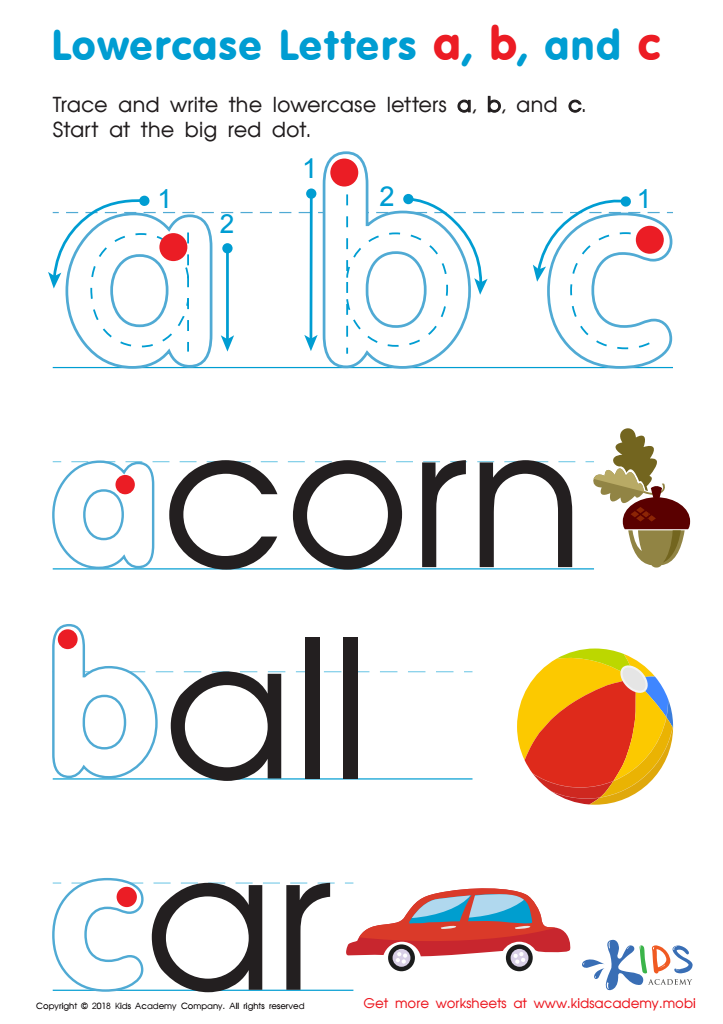
Lowercase Letters a b c Worksheet
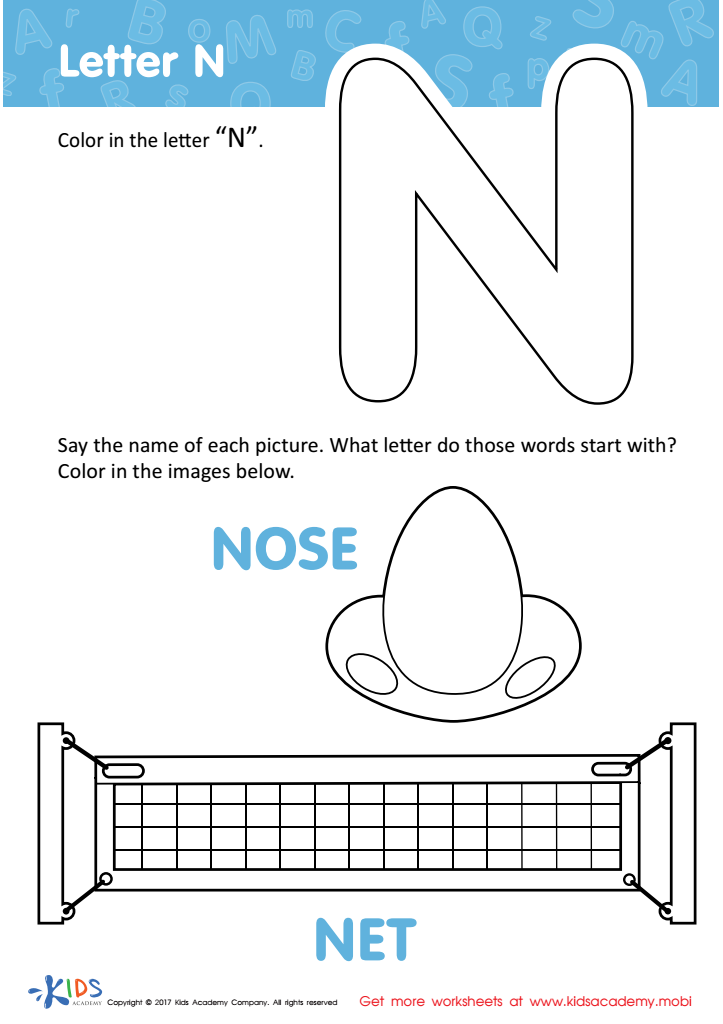
Letter N Coloring Sheet
Assign to My Students
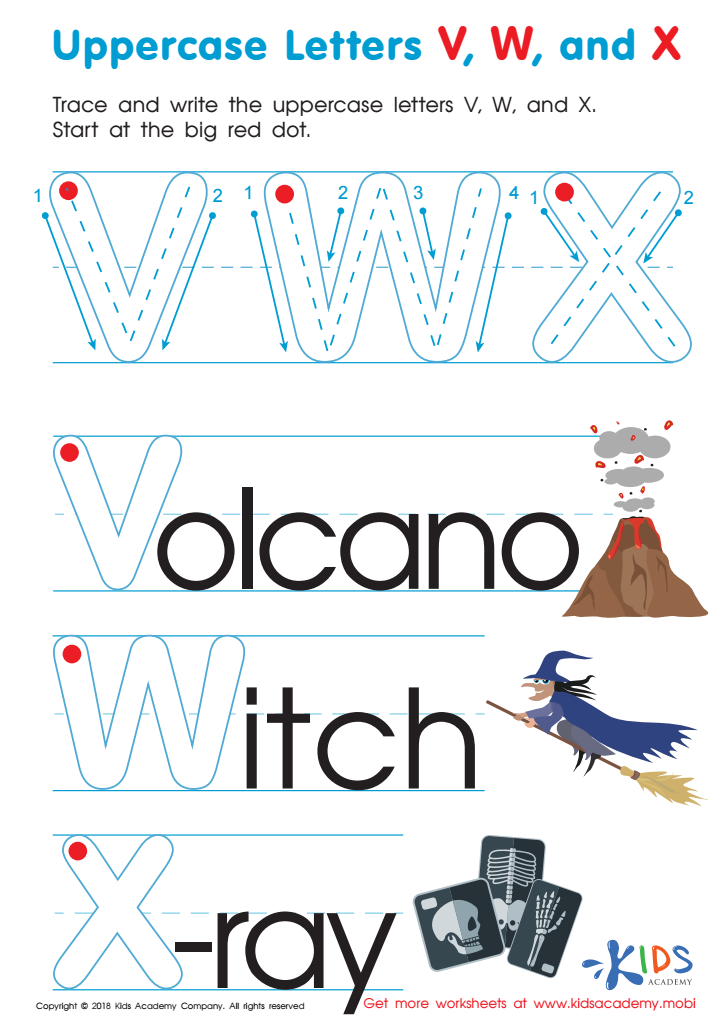
Uppercase Letters V, W, and X Worksheet








Handwriting practice and normal letter recognition are crucial for 4-year-olds as they lay the foundational skills necessary for later academic success. During this developmental stage, children are actively exploring their environment and beginning to understand the world of letters and words. Encouraging handwriting practice helps improve fine motor skills, muscle coordination, and control, which are essential for writing and other activities involving hand movements.
Letter recognition is equally significant. Recognizing letters is one of the first steps in literacy development, enabling children to decode the written language they encounter in books and everyday life. Familiarity with letters also promotes phonemic awareness, as children learn to associate sounds with each letter, essential for developing reading and comprehension skills.
Additionally, engaging in these practices boosts a child's confidence and self-esteem. As they become more proficient, they experience a sense of accomplishment that motivates them to continue learning. Lastly, handwriting and letter recognition reinforce cognitive and memory skills, which are vital for effective learning. Thus, investing time in these activities has long-term benefits, making it imperative for parents and teachers to prioritize them in the early educational journey.








