Reading comprehension Normal Long And Short Vowel Worksheets for 4-Year-Olds
5 filtered results
-
From - To
Enhance your child's literacy skills with our engaging Reading Comprehension Normal Long And Short Vowel Worksheets designed specifically for 4-year-olds! These worksheets introduce young learners to the essential components of reading while focusing on long and short vowel sounds. Tailored to support early education, our activities are crafted to make learning fun and interactive. Children will enjoy reading simple sentences and answering questions, promoting their understanding and retention of vowel sounds. Perfect for preschool and kindergarten settings, these worksheets are an excellent resource for parents and educators looking to boost early reading comprehension in a playful, educational manner. Start the reading journey today!
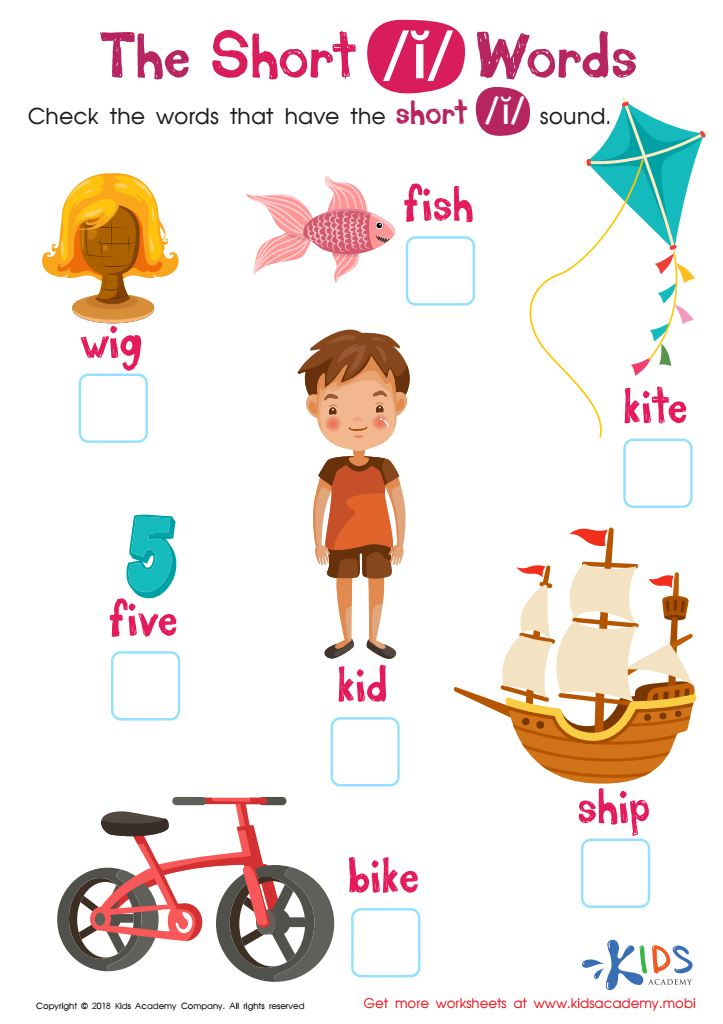
The Short I Words Reading Worksheet
 Assign to My Students
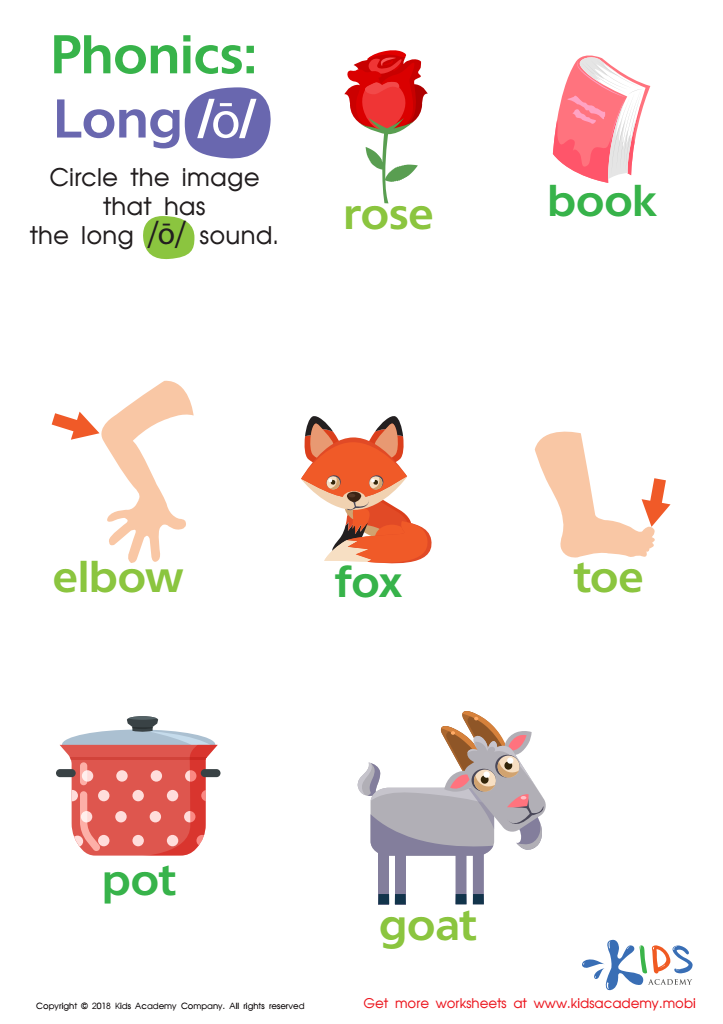
Phonics Long O Reading Worksheet
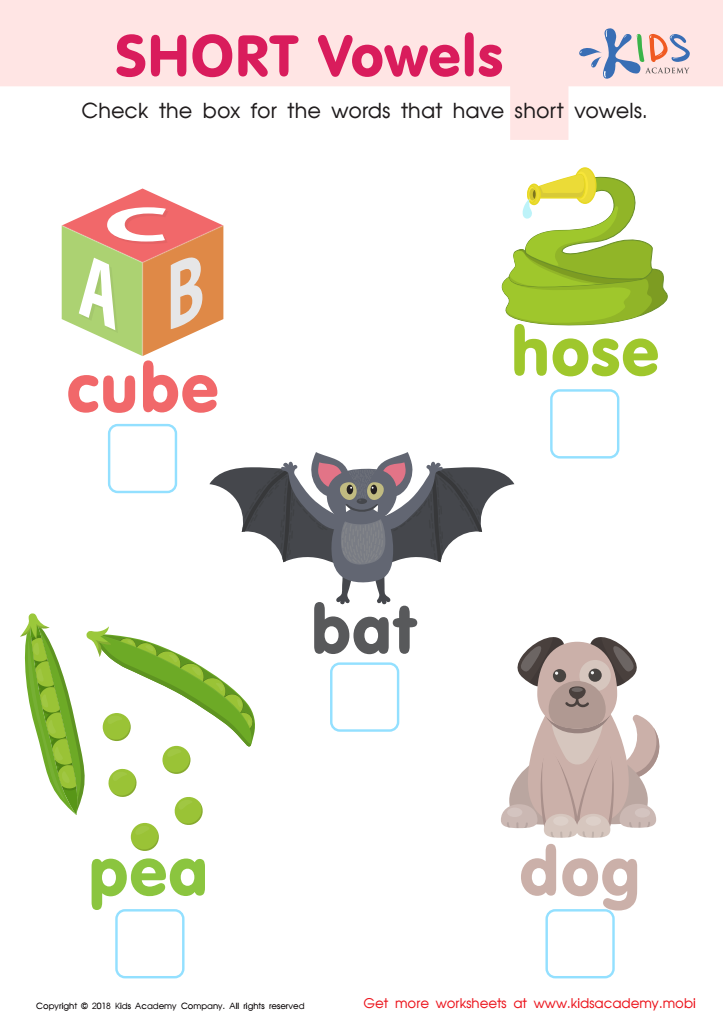
short vowels Worksheet
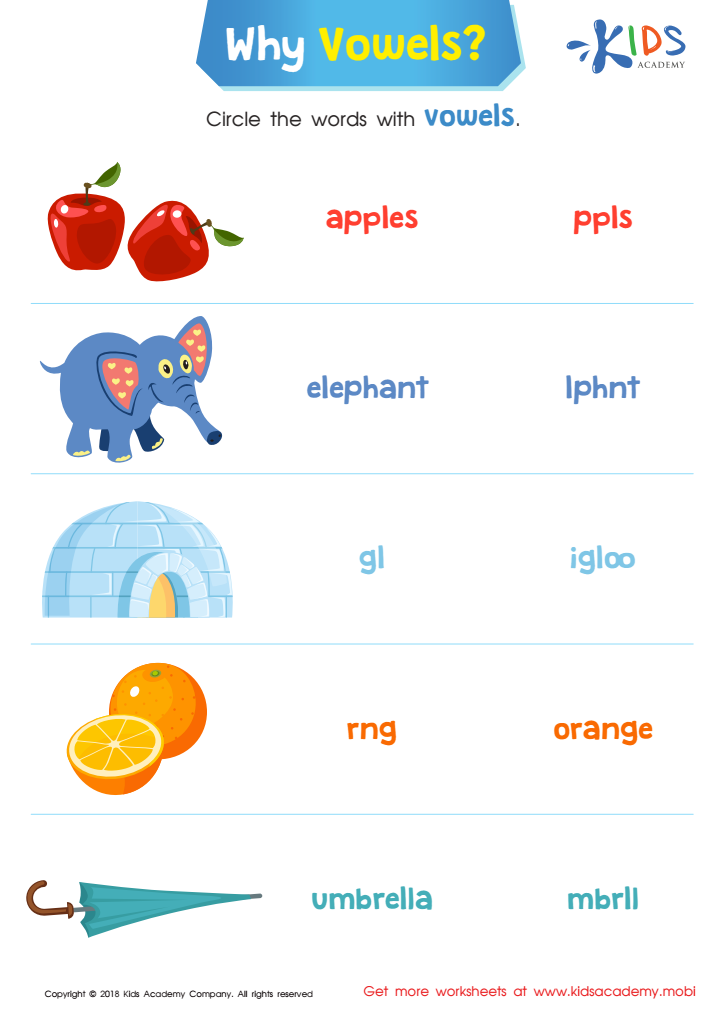
Why Vowels? Reading Worksheet
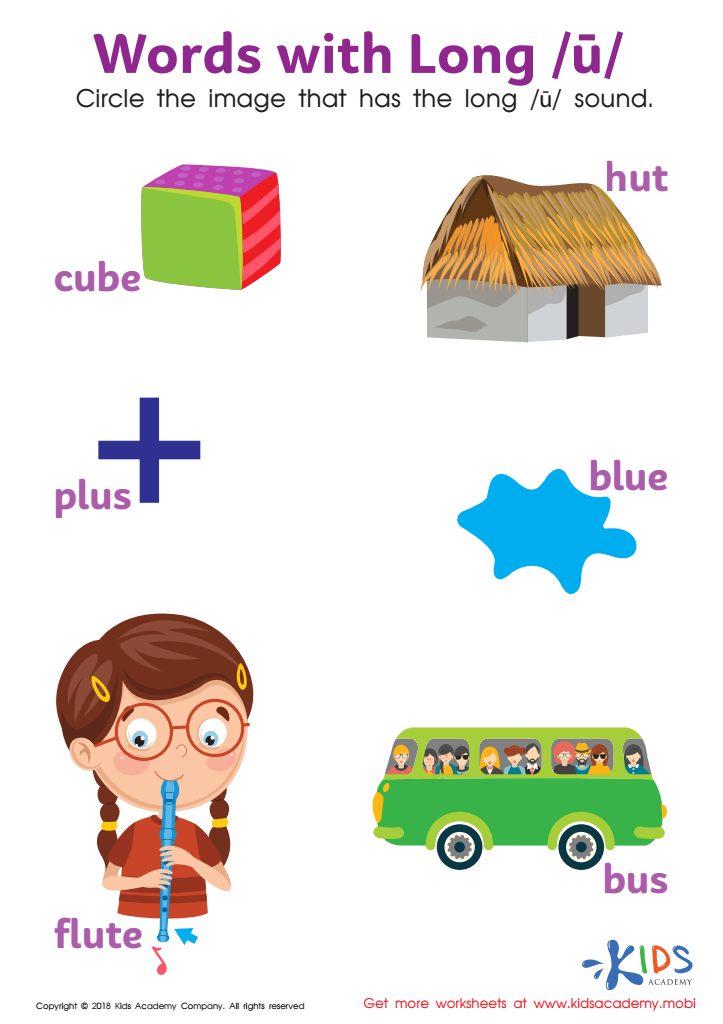
Words with Long U Reading Worksheet




Reading comprehension skills, including understanding of long and short vowels, are crucial for 4-year-olds as they set the foundation for future literacy development. At this age, children are rapidly absorbing language and phonics patterns. Understanding the difference between long and short vowels is essential since it directly influences their reading fluency, pronunciation, and overall language acquisition.
Parents and teachers should care about these concepts because they not only enhance reading proficiency but also boost confidence in young learners. Engaging with vowel sounds enables children to decode words more effectively, promoting a love for reading and exploration. Furthermore, improved comprehension leads to better communication skills, critical thinking, and a greater ability to express ideas.
Fostering an early understanding of these vowel concepts helps solidify a child’s literacy skills, reducing the likelihood of reading difficulties later on. By recognizing and nurturing this foundational aspect of reading, parents and teachers can support a seamless transition into more complex literacy tasks in later grades. Moreover, teaching these skills encourages interactive learning experiences that enhance bonding between adults and children, making reading a fun and collaborative activity. Ultimately, a strong grasp of vowel sounds is key to lifelong learning and success.








