Reading comprehension Normal Phonics Worksheets for 4-Year-Olds
19 filtered results
-
From - To
Enhance your child's reading skills with our "Reading Comprehension Normal Phonics Worksheets for 4-Year-Olds" at Kids Academy. Designed specifically for young learners, these engaging worksheets help children build a strong foundation in phonics and improve their reading comprehension through fun, interactive exercises. Each worksheet is carefully crafted to capture your child's interest while strengthening their letter recognition, phonemic awareness, and basic vocabulary. Perfect for early readers, our worksheets make learning enjoyable and effective, setting the stage for lifelong literacy. Discover a world of educational resources at Kids Academy where learning meets fun!
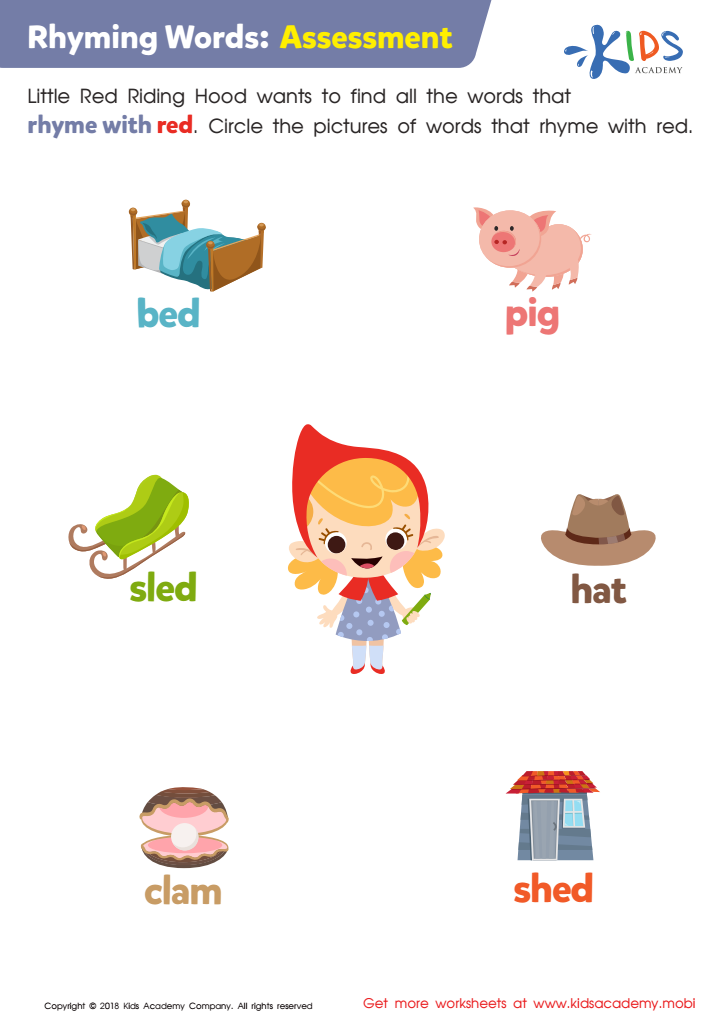
Rhyming Words: Assessment Worksheet
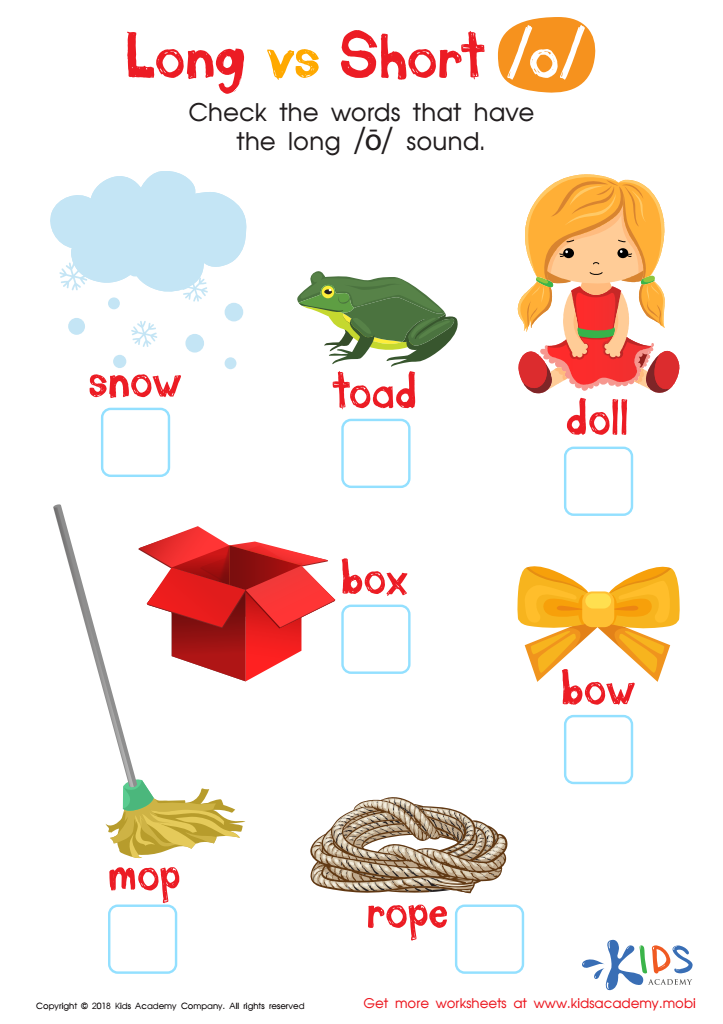
Long vs Short O Reading Worksheet
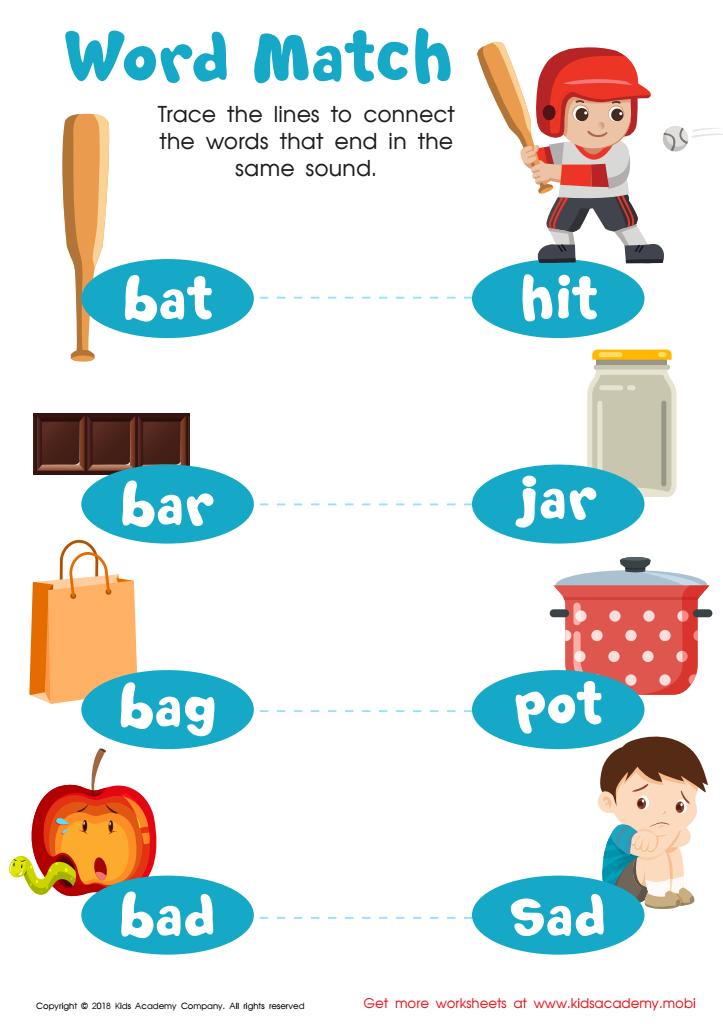
Word Match Reading Worksheet
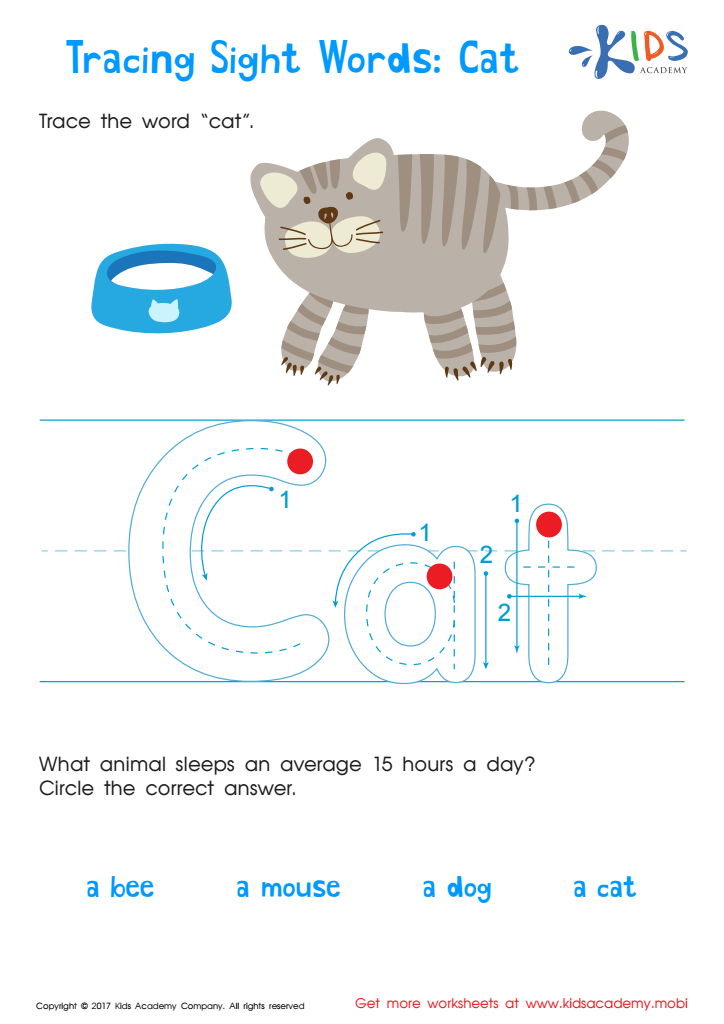
Cat Printable Sight Words Worksheet
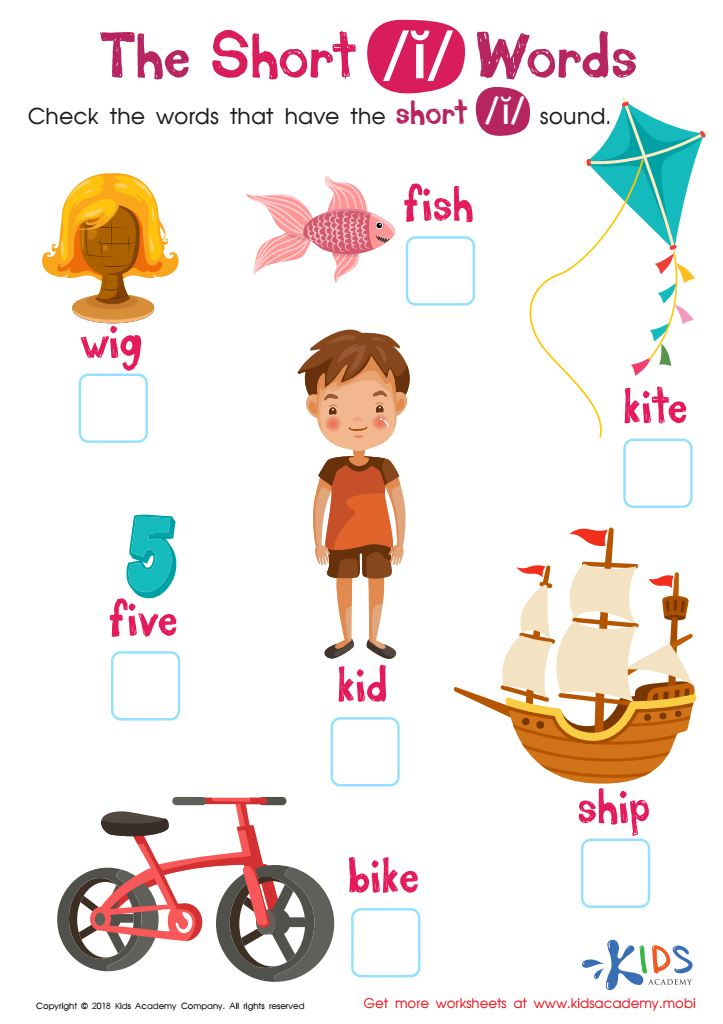
The Short I Words Reading Worksheet
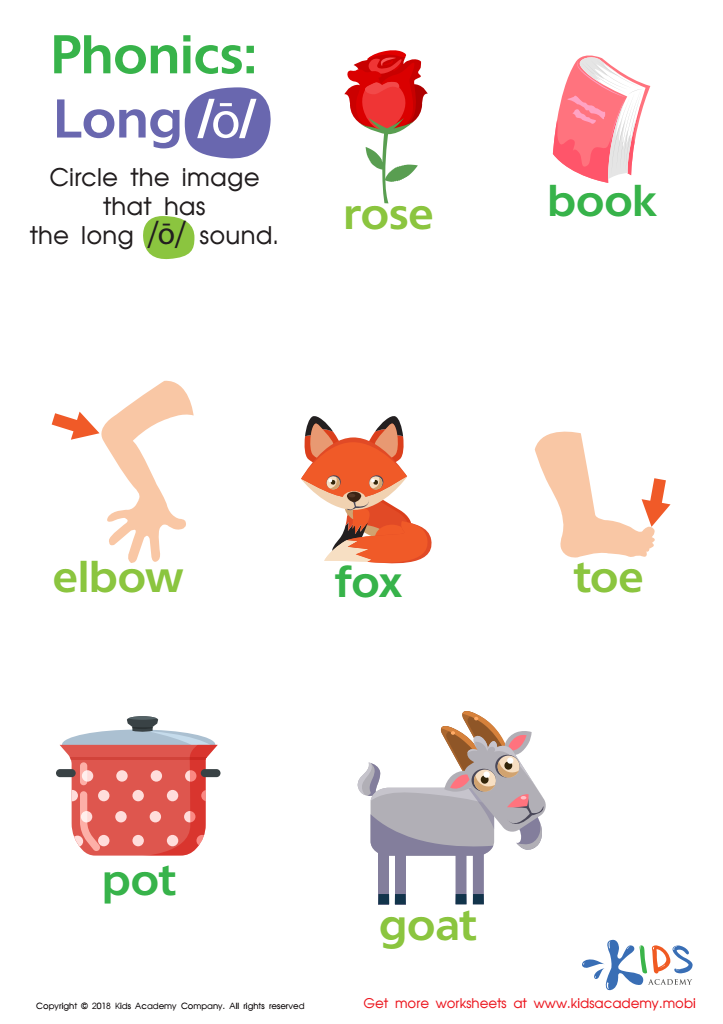
Phonics Long O Reading Worksheet
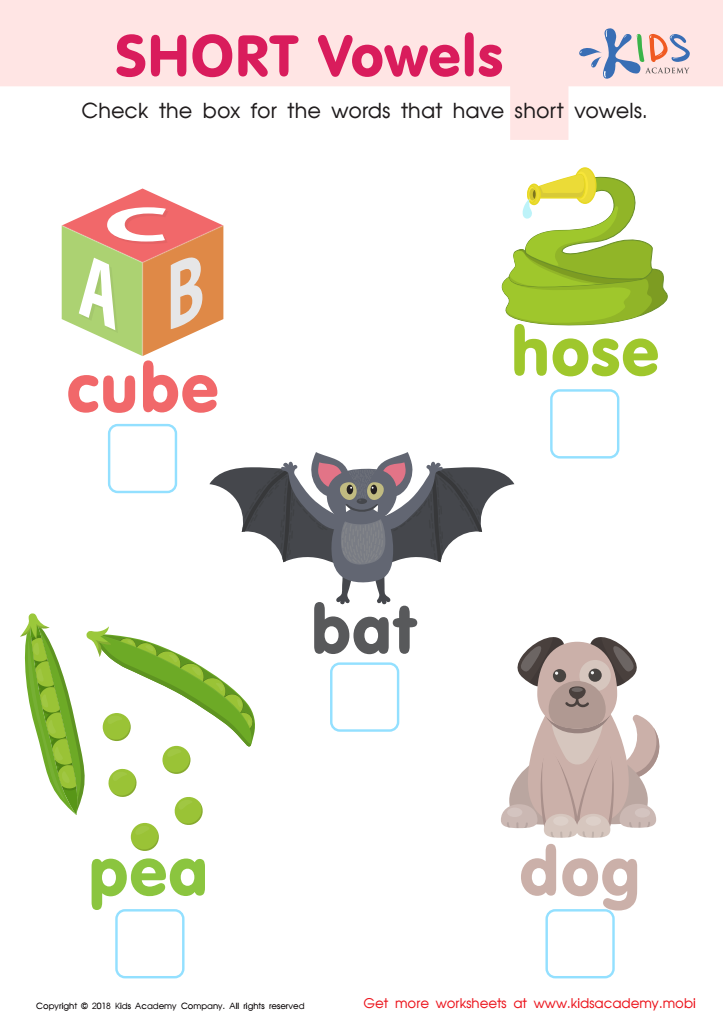
short vowels Worksheet
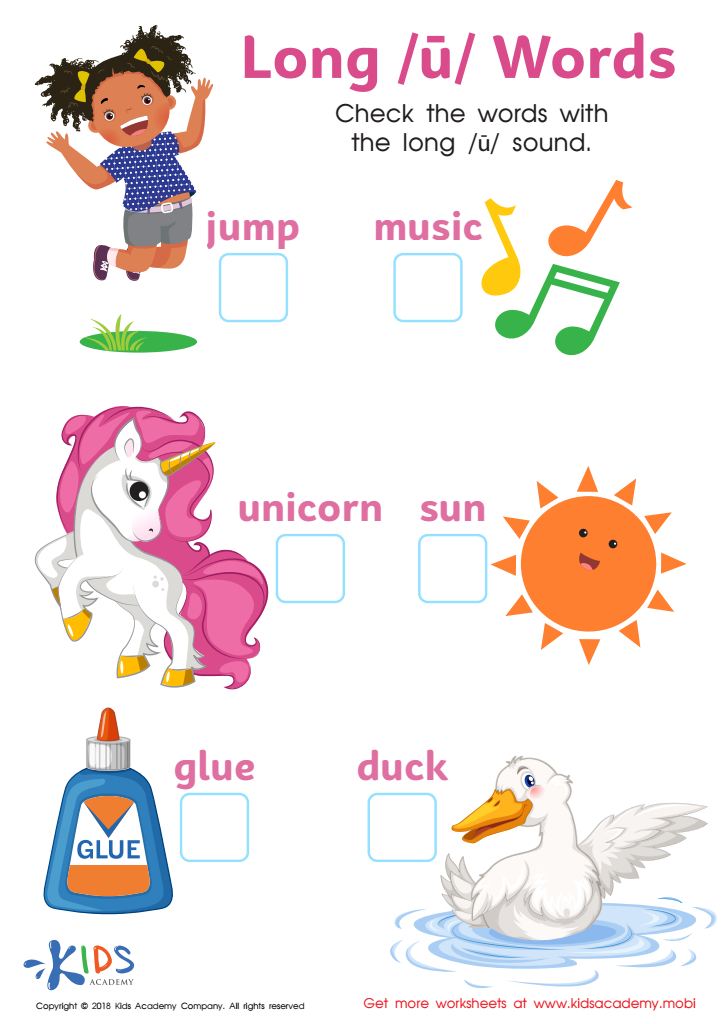
Long U Words Reading Worksheet
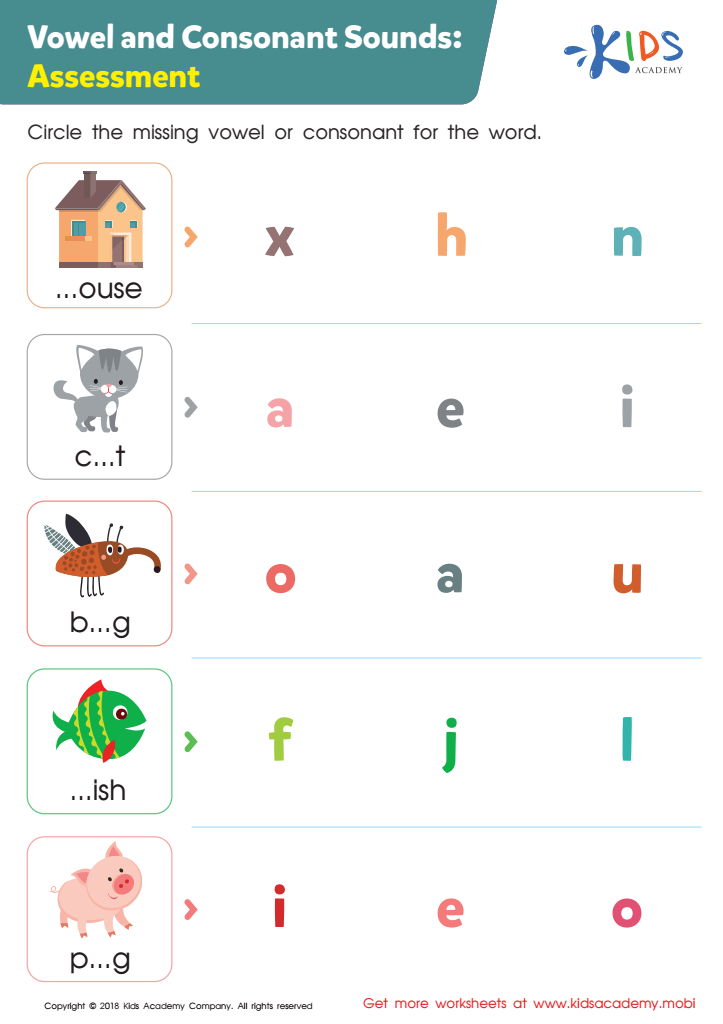
Vowel and Consonant Sounds: Assessment Worksheet
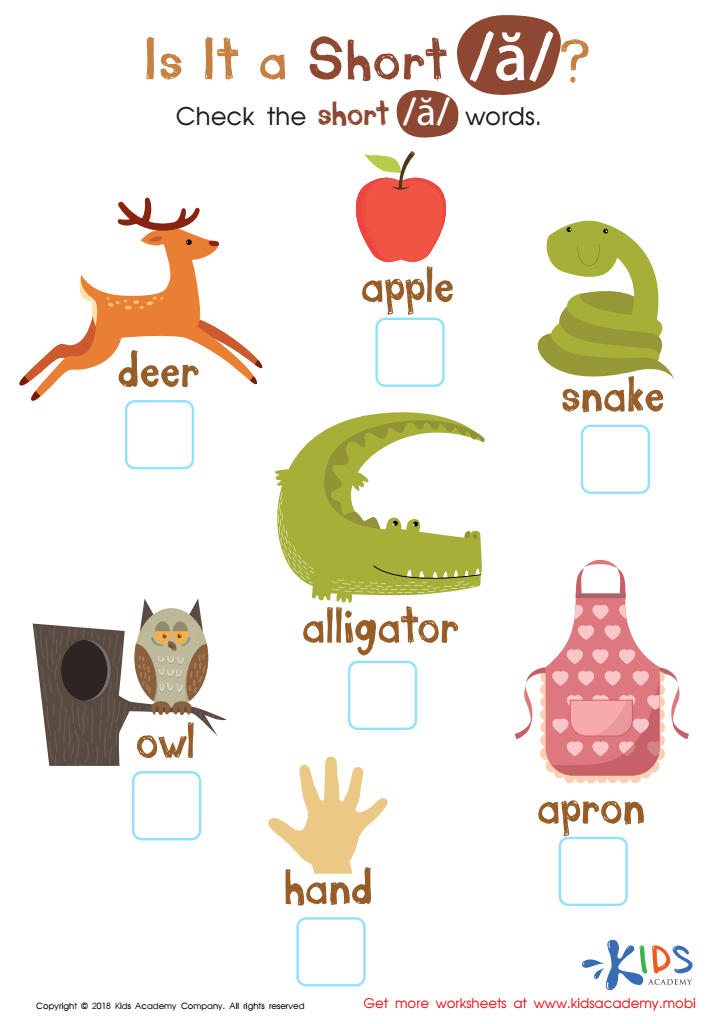
Is It Short A? Reading Worksheet
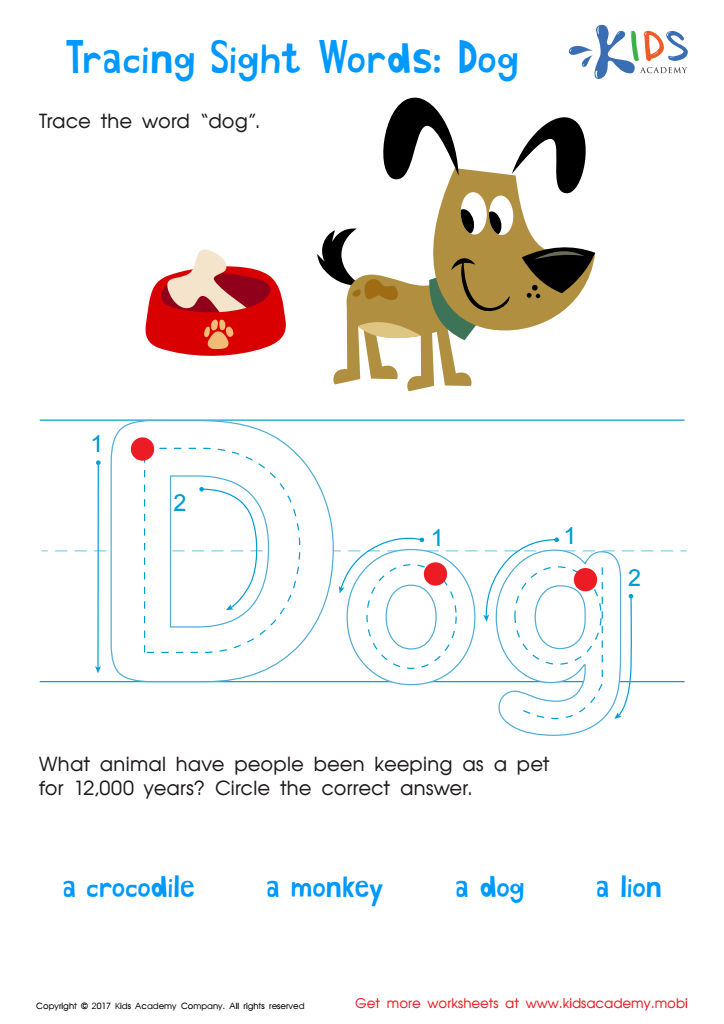
Dog Worksheet Sight Words Worksheet
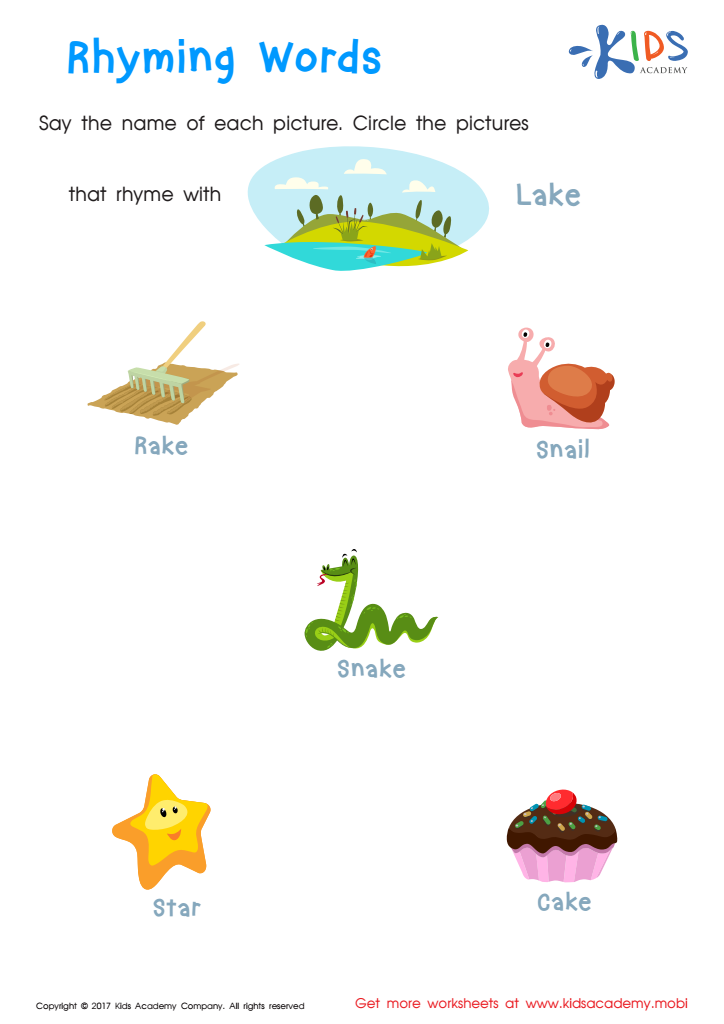
Rhyming Words Rhyming Worksheet
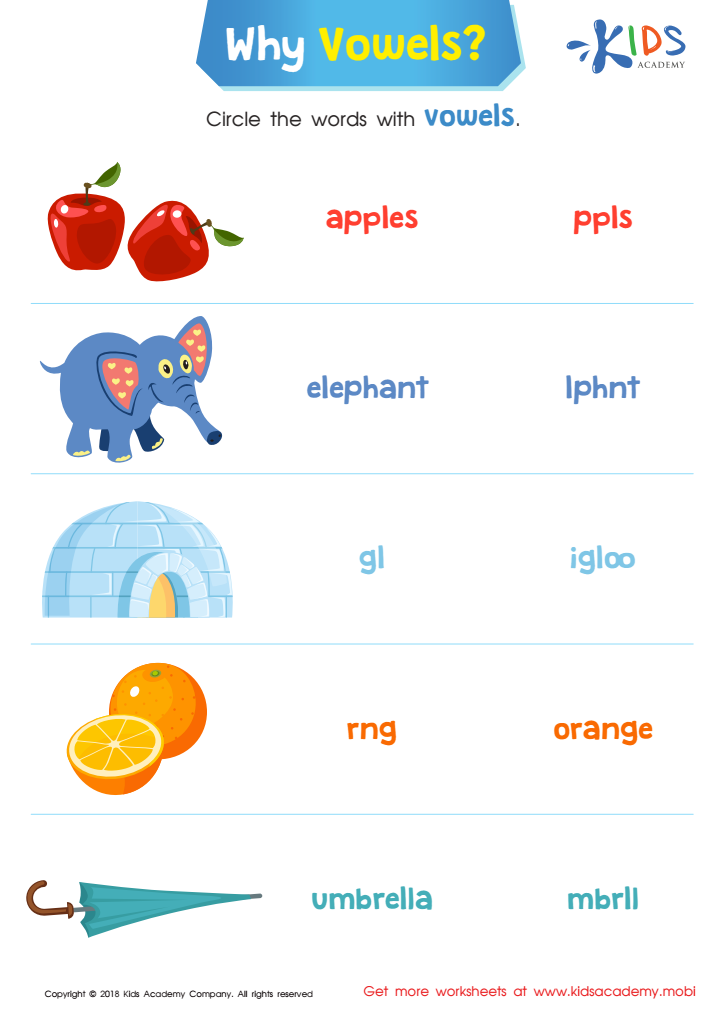
Why Vowels? Reading Worksheet
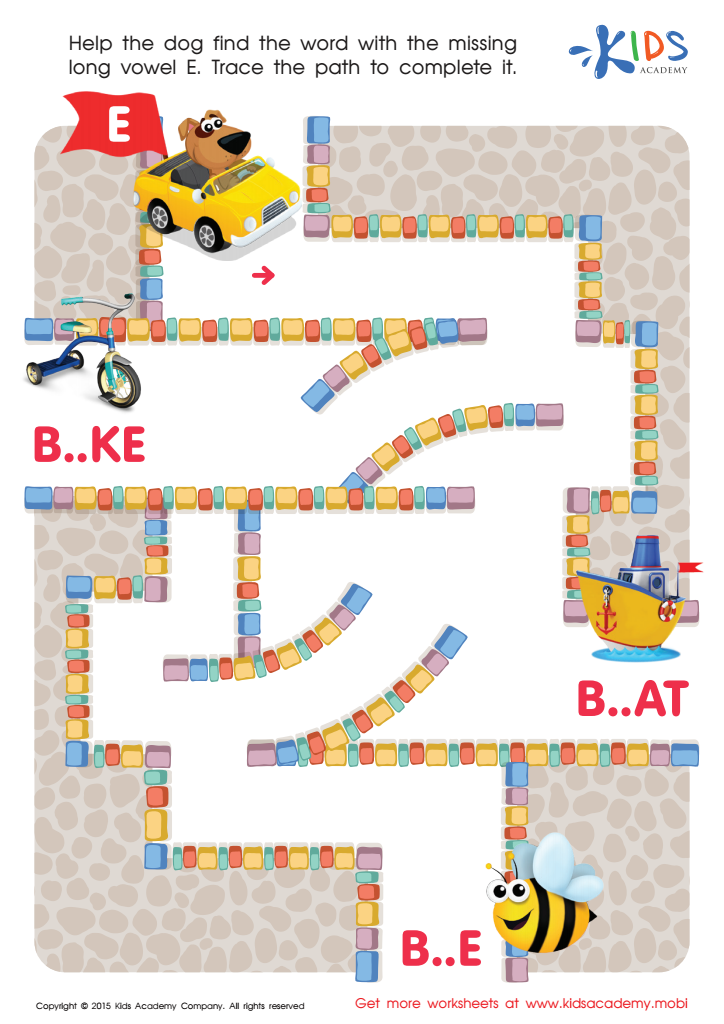
Long Vowel Sound E Worksheet
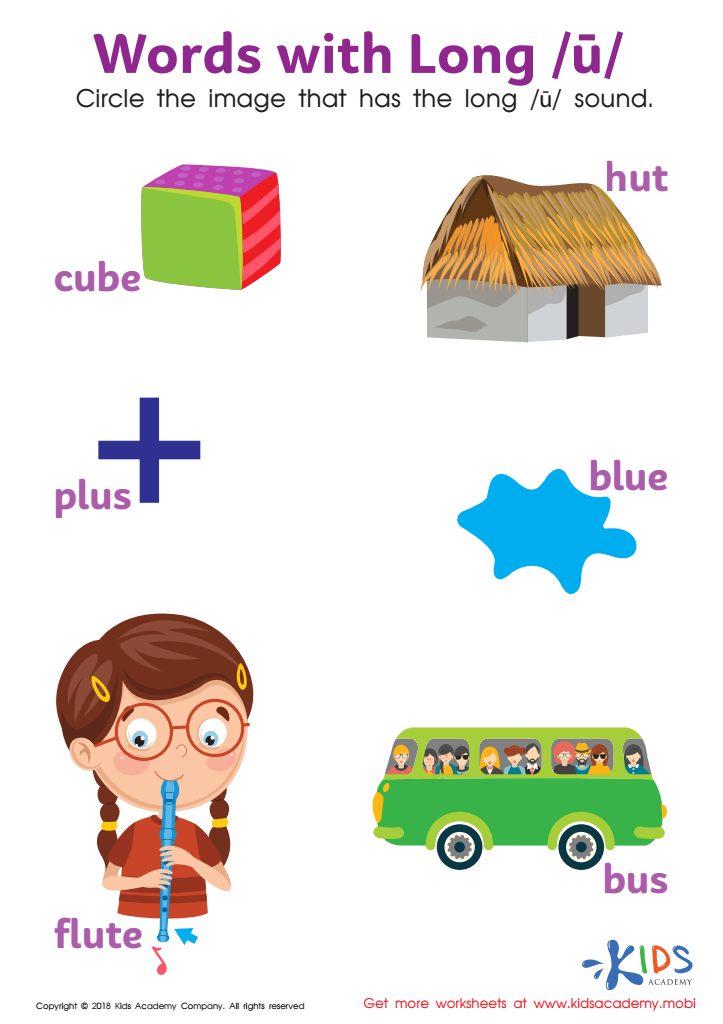
Words with Long U Reading Worksheet
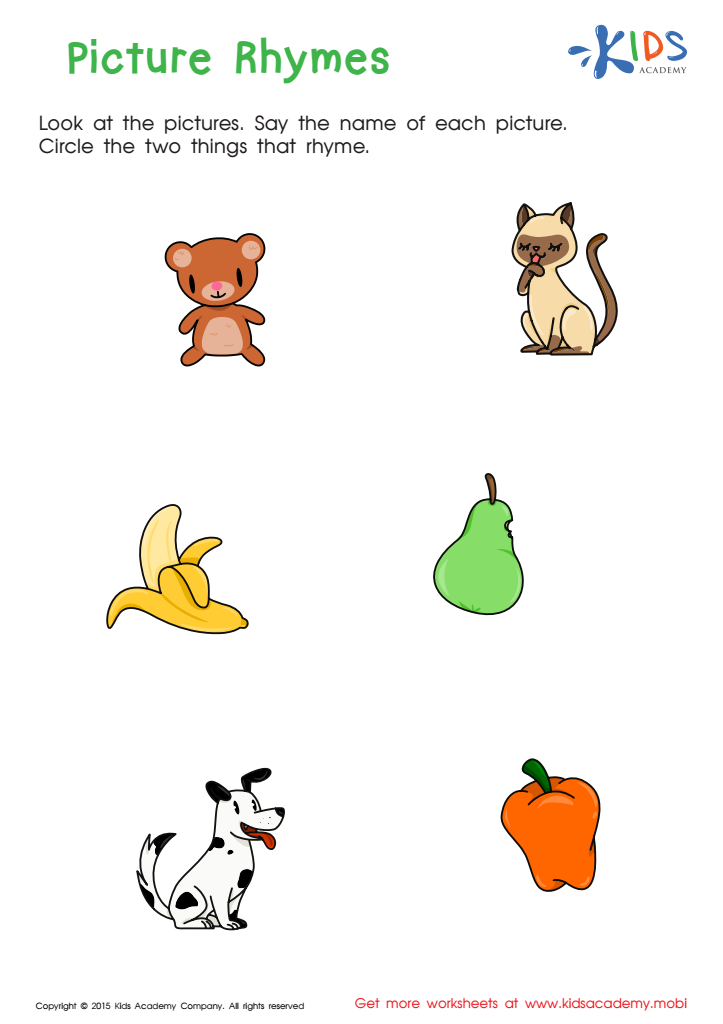
First Words: Picture Rhymes Worksheet
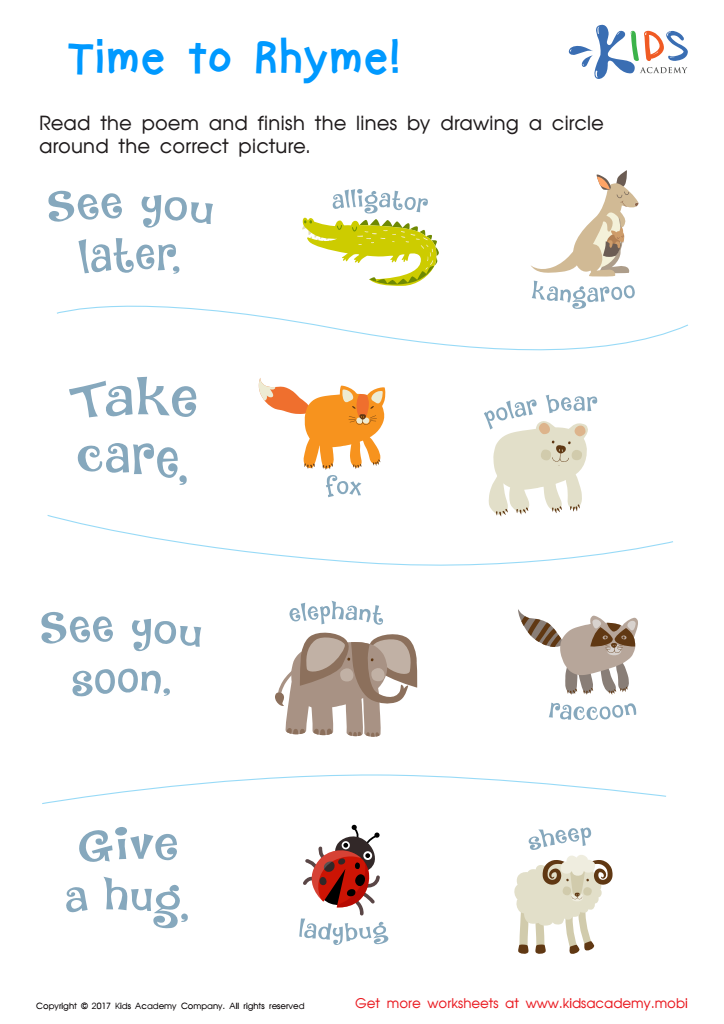
Time to Rhyme Rhyming Worksheet

Long and Short E Worksheet
 Assign to My Students
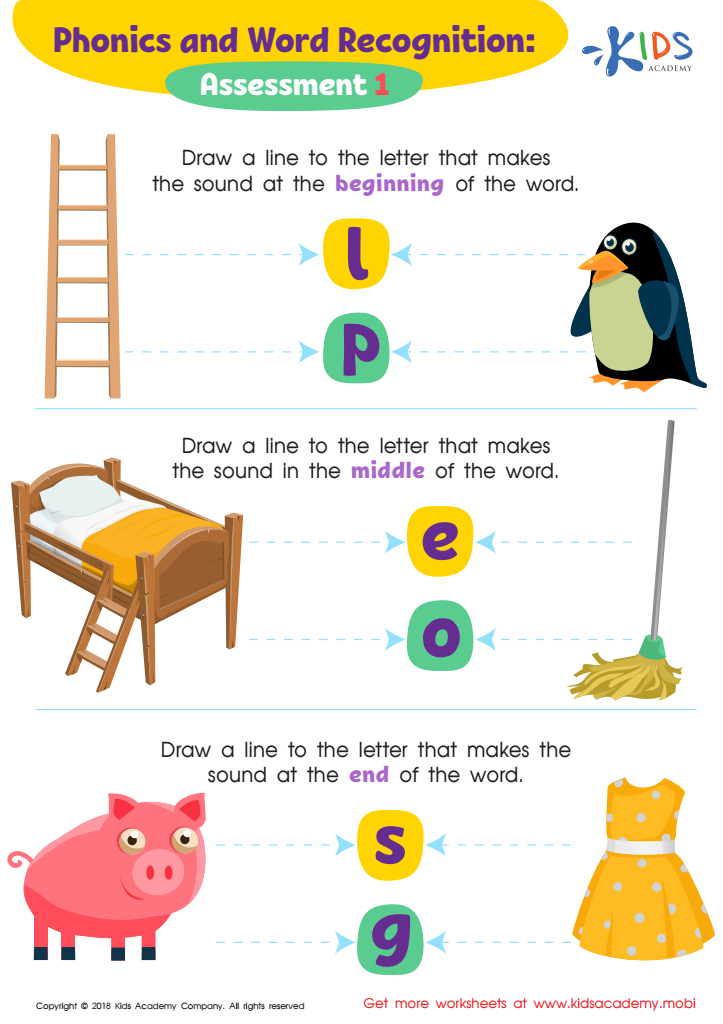
Phonics and Word Recognition: Assessment 1 ELA Worksheet








Parents and teachers should care about reading comprehension and normal phonics for 4-year-olds because these foundational skills significantly impact a child's future academic success and overall cognitive development. Reading comprehension is the ability to understand and process what is being read, which is vital for learning across all subjects. When children grasp reading comprehension early, they can more effectively absorb information, follow instructions, and develop critical thinking skills.
Phonics, the relationship between letters and their corresponding sounds, is a crucial aspect of learning to read. At the age of four, children's brains are particularly receptive to picking up language and sounds. Introducing phonics at this early stage enables children to decode new words independently, fostering early reading skills that are essential for a lifetime of learning.
Moreover, building these skills early boosts a child's confidence and motivation in reading, making learning a positive and exciting experience. It also helps to bridge any educational gaps, ensuring all children have equal opportunities to succeed academically. Parents and teachers who prioritize reading comprehension and phonics lay a foundation for lifelong learning, curiosity, and intellectual growth, equipping children with the tools they need to navigate an information-rich world. Early proficiency in these areas sets the stage for more advanced literacy skills and academic achievements in the future.







