Sound recognition Normal Phonics Worksheets for 4-Year-Olds
4 filtered results
-
From - To
Our Sound Recognition Normal Phonics Worksheets for 4-Year-Olds are designed to help young learners develop essential phonemic awareness skills. Engaging activities promote sound recognition and letter-sound correspondence, laying a strong foundation for reading success. These age-appropriate worksheets feature fun, interactive exercises, including matching sounds to letters and identifying beginning and ending sounds. Perfect for preschool classrooms or at-home practice, our phonics worksheets foster a love for learning while building critical early literacy skills. They are crafted by educational experts to meet developmental milestones, ensuring your child gains the confidence and ability to excel in their language journey.
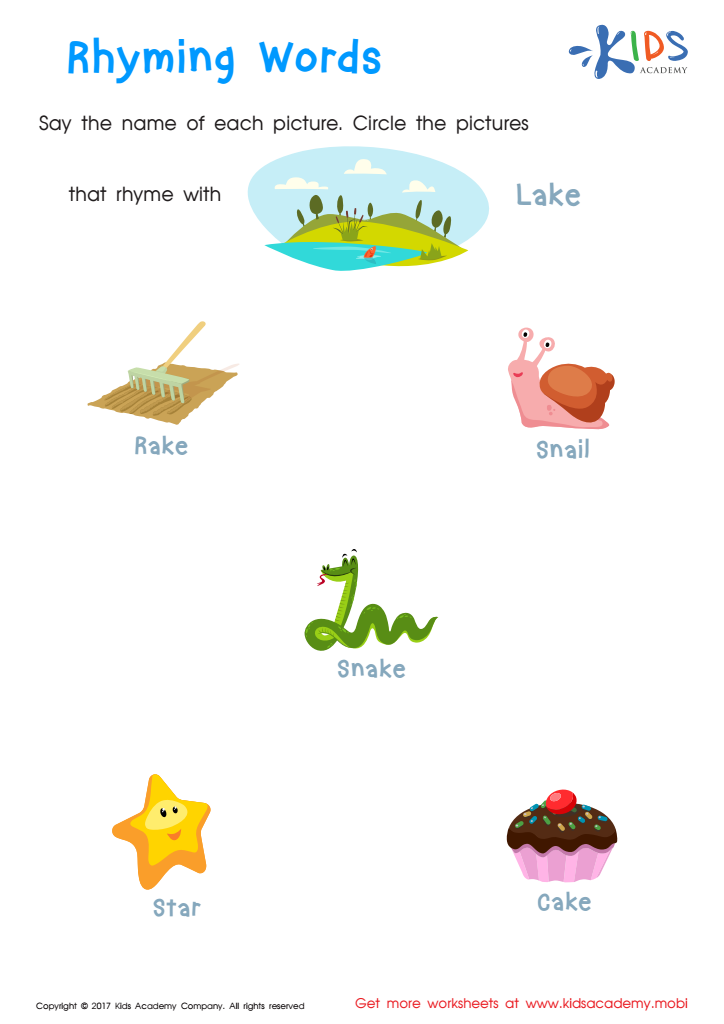
Rhyming Words Rhyming Worksheet
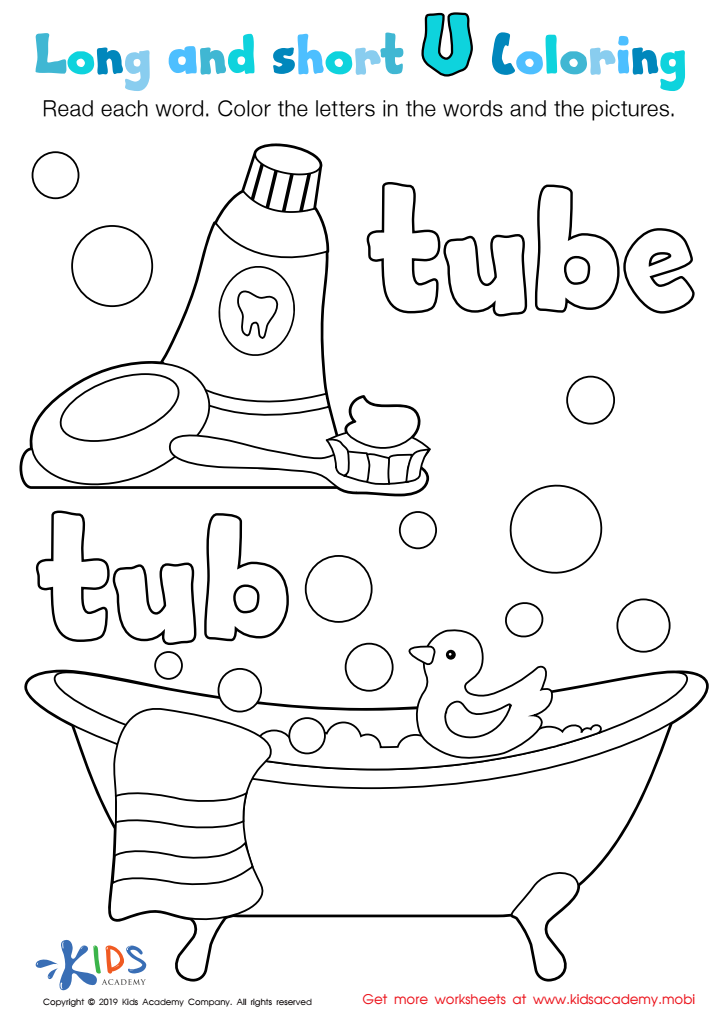
Long and Short U Worksheet
 Assign to My Students
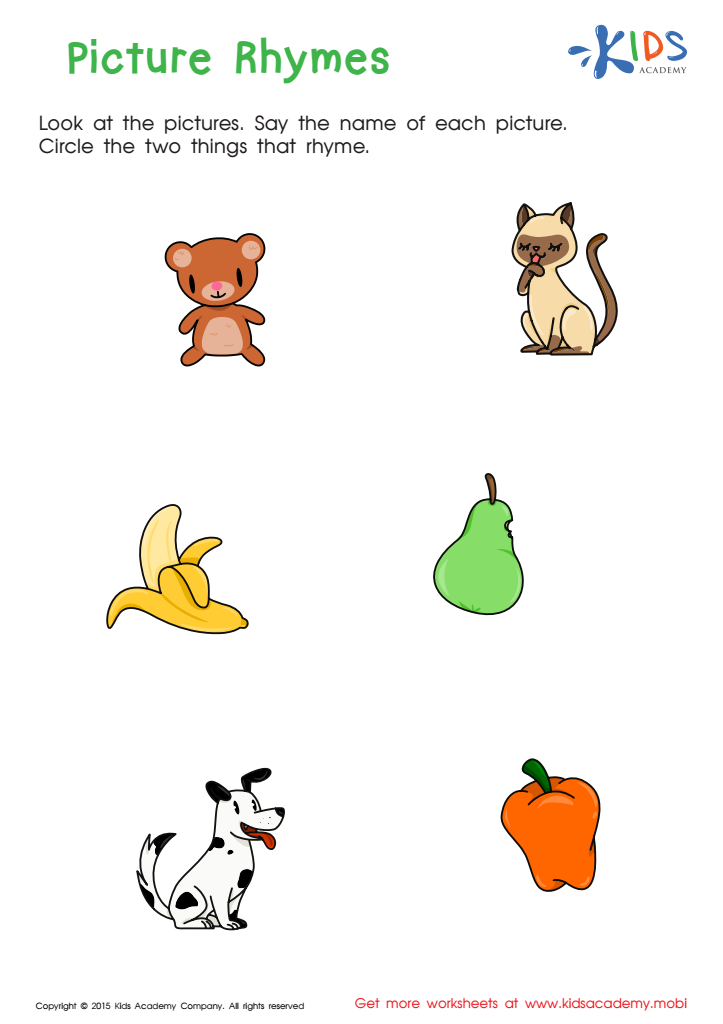
First Words: Picture Rhymes Worksheet
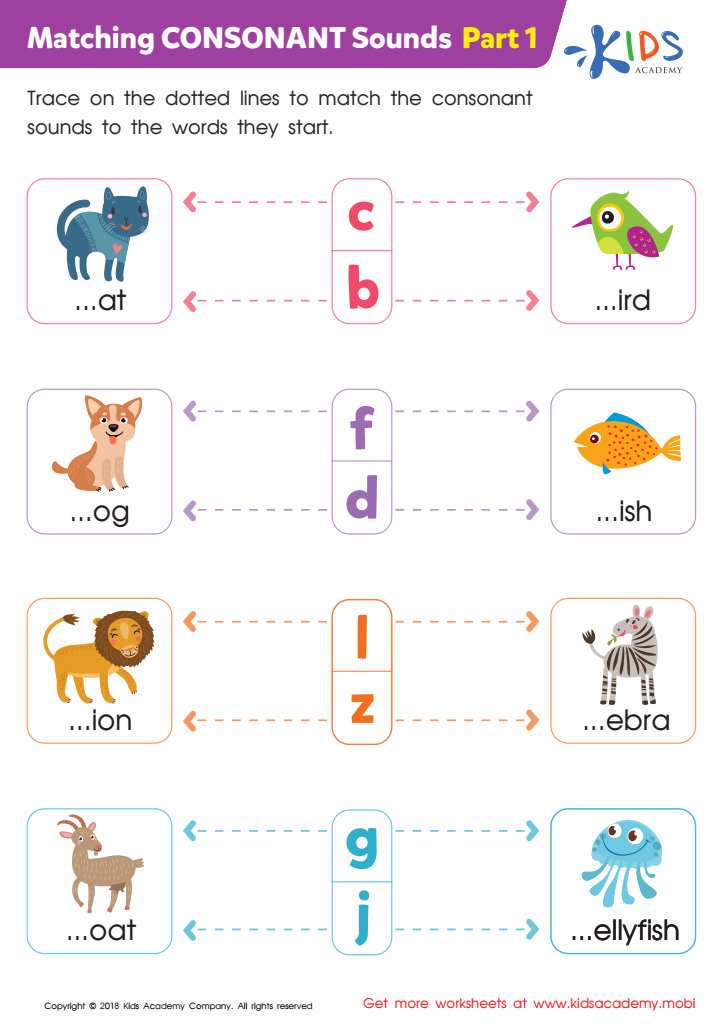
Matching Consonant Sounds: Part 1 Worksheet








Sound recognition and phonics are fundamental building blocks in a child's early literacy development, and caring about these skills for 4-year-olds is crucial for several reasons.
Firstly, sound recognition helps children understand that words are composed of individual sounds. By identifying these sounds, children begin to map them to corresponding letters and words. This process is essential for decoding or "sounding out" words, a key reading skill. Mastering phonics provides a solid foundation for reading fluency, allowing children to read more smoothly and with fewer errors.
Secondly, early exposure to phonics improves listening and speaking abilities. When children recognize and articulate different sounds, it enhances their pronunciation and vocabulary. This not only aids in reading but also in effective communication, an essential life skill.
Additionally, early phonics education boosts cognitive development. It enhances memory, attention to detail, and problem-solving skills. Engaging with sounds and letters can be fun and interactive, fostering a positive attitude toward learning and school.
Lastly, early phonics mastery can help prevent future reading difficulties. Early identification and support for children struggling with sound recognition can mitigate future literacy challenges, setting them up for long-term academic success.
In sum, sound recognition and phonics play a crucial role in early literacy, communication, cognitive development, and future academic achievement. Investing time and attention in these areas benefits 4-year-olds immensely.







