Problem-Solving Skills Normal Upper & Lowercase Letters Worksheets for 4-Year-Olds
3 filtered results
-
From - To
Discover engaging "Problem-Solving Skills Normal Upper & Lowercase Letters Worksheets" tailored for 4-year-olds! These interactive worksheets provide a fun and educational way for young learners to differentiate between uppercase and lowercase letters while enhancing their critical thinking and problem-solving abilities. Each activity is designed to foster creativity, strengthen cognitive skills, and promote early literacy. With colorful illustrations and age-appropriate challenges, your child will enjoy exploring letters in a playful manner. Inspire your little ones to think critically and develop essential skills for lifelong learning with our carefully crafted worksheets, perfect for honing their problem-solving skills at an early age!
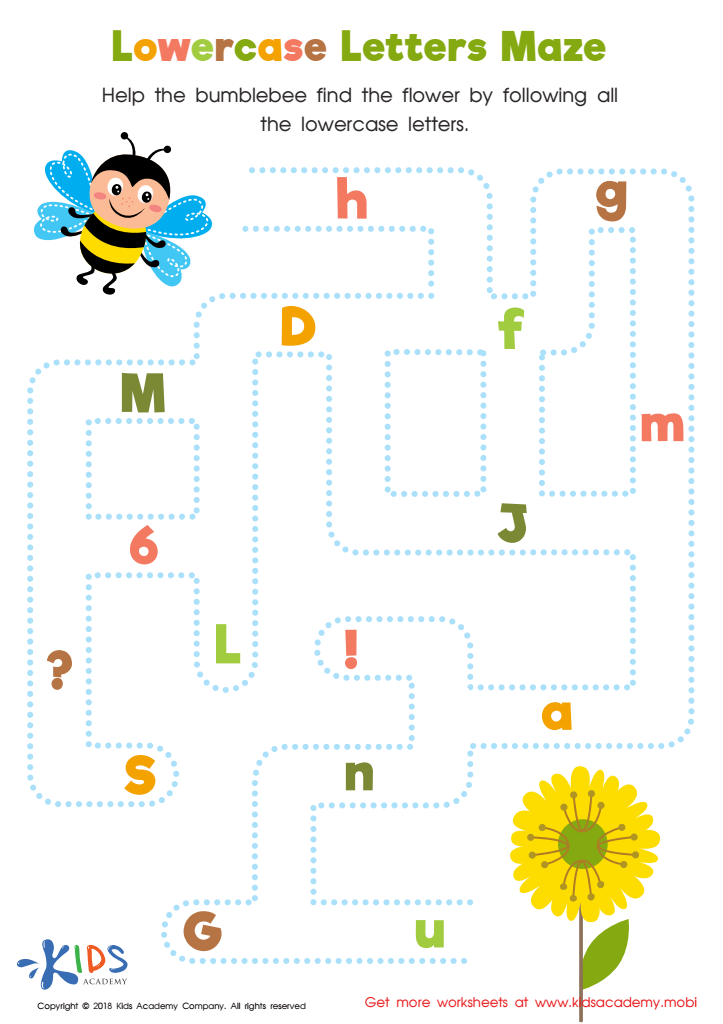
Lowercase Letters Maze Worksheet
 Assign to My Students


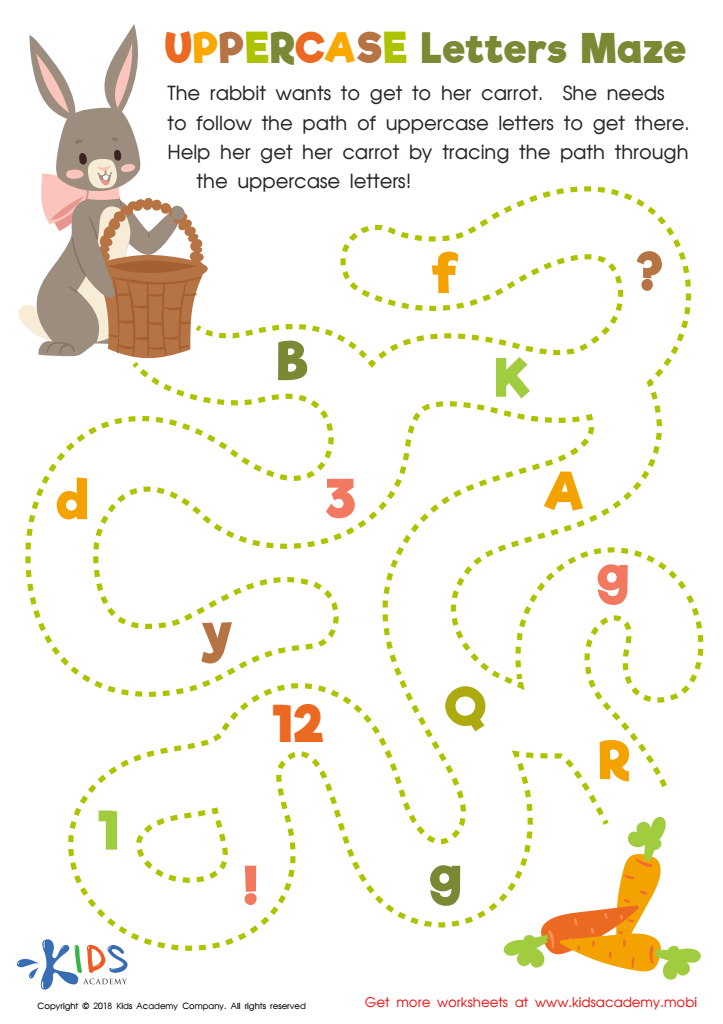
Uppercase Letters Maze Worksheet
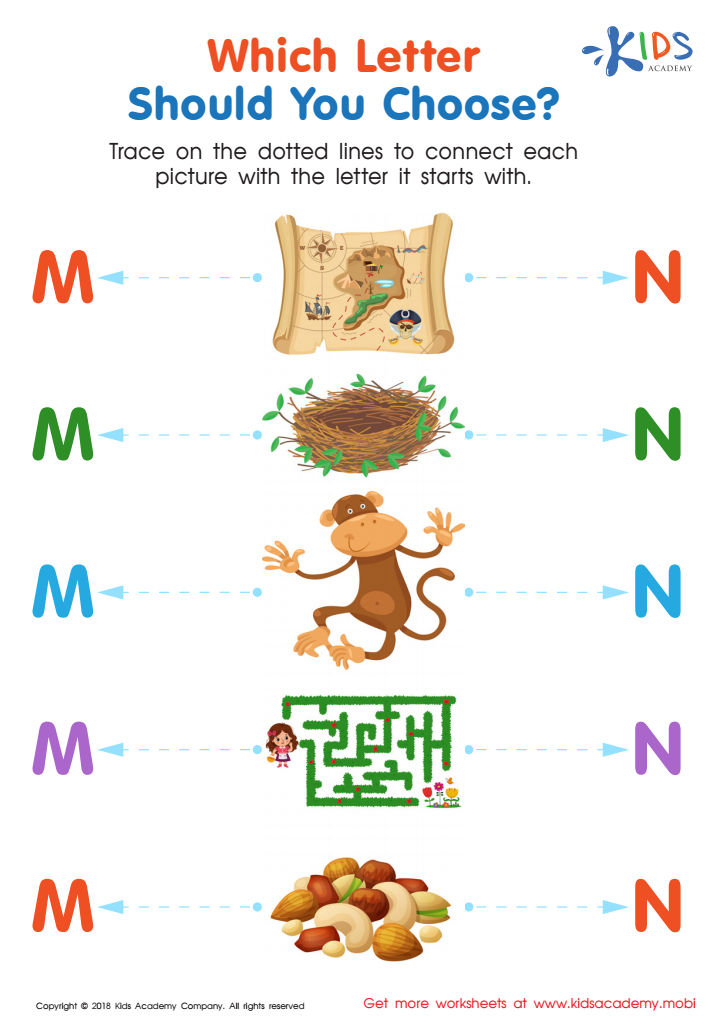
Which Letter Should you Choose? Worksheet






Problem-solving skills are essential for 4-year-olds as they form the foundation for learning and growth. Parents and teachers should care deeply about fostering these skills for several reasons. Firstly, problem-solving promotes critical thinking, encouraging children to analyze situations, evaluate options, and make decisions. This cognitive development is crucial as children navigate both academic and social challenges.
Additionally, developing problem-solving abilities enhances confidence. When children learn to tackle puzzles, games, or everyday challenges independently, they build self-esteem and resilience. This capability helps them cope with frustration and adapt to new situations effectively.
Moreover, problem-solving activities reinforce social skills. Collaborative tasks encourage teamwork, communication, and understanding different perspectives. This social aspect reaffirms the importance of empathy and negotiation, essential qualities for successful interpersonal relationships.
Creating an environment where problem-solving is rewarded nurtures curiosity and creativity. Engaging in activities that promote exploration allows children to experiment and develop a love for learning.
In summary, investing time and resources to cultivate problem-solving skills in preschoolers benefits their cognitive, emotional, and social development, ultimately setting the stage for lifelong learning and success. Parents and teachers play a vital role in this developmental journey.







