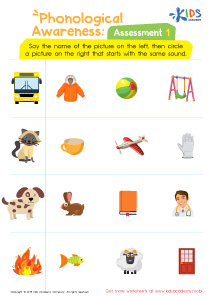
Phonics Skills Normal Vowels Worksheets for 4-Year-Olds
7 filtered results
Difficulty Level
Grade
Age
-
From - To
Subject
Activity
Standards
Enhance your young learner's reading foundation with our engaging Phonics Skills Normal Vowels Worksheets tailored specifically for 4-year-olds. Designed to make learning fun, these worksheets focus on introducing and practicing essential vowel sounds through colorful, interactive activities. Each worksheet incorporates rhymes, matching games, and tracing exercises, helping children develop critical early literacy skills. Perfect for home or classroom use, they encourage independent learning while promoting letter recognition and sound association. Our user-friendly format ensures that children stay engaged while building their phonics skills in a playful, supportive environment. Start your child on the path to reading success today!
Favorites
With answer key
Interactive
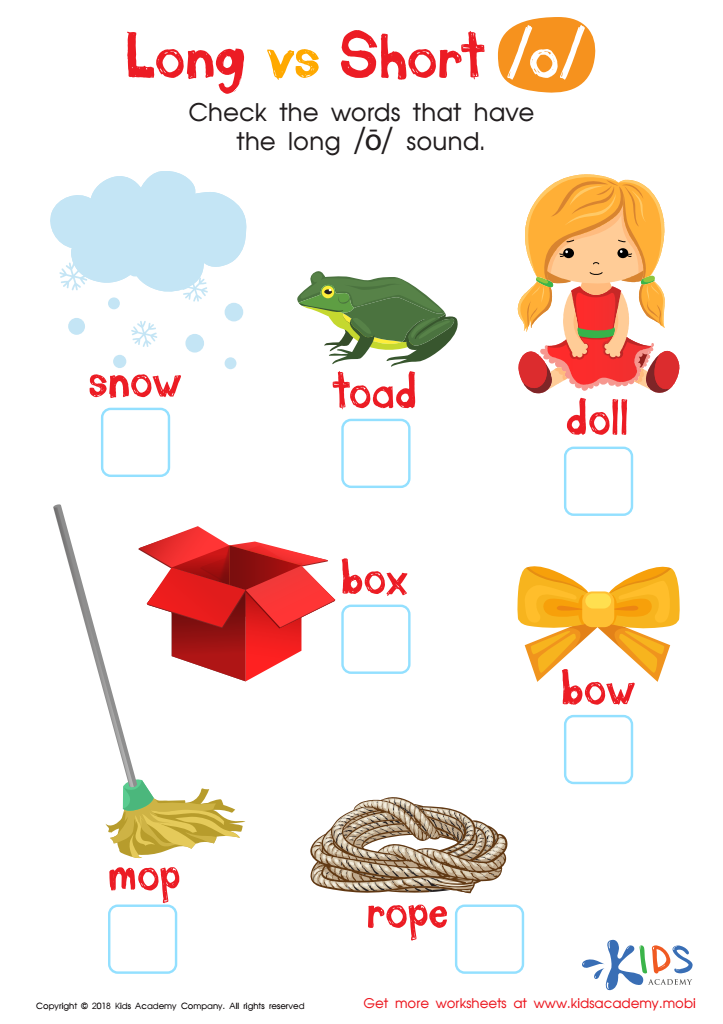
Long vs Short O Reading Worksheet
Help your child learn to identify the long and short «o» sound with this colourful worksheet. Guide them as they spot words with the long or short «o» sound. With practice, your child will find it easier to tell the difference between the two.
Long vs Short O Reading Worksheet
Worksheet
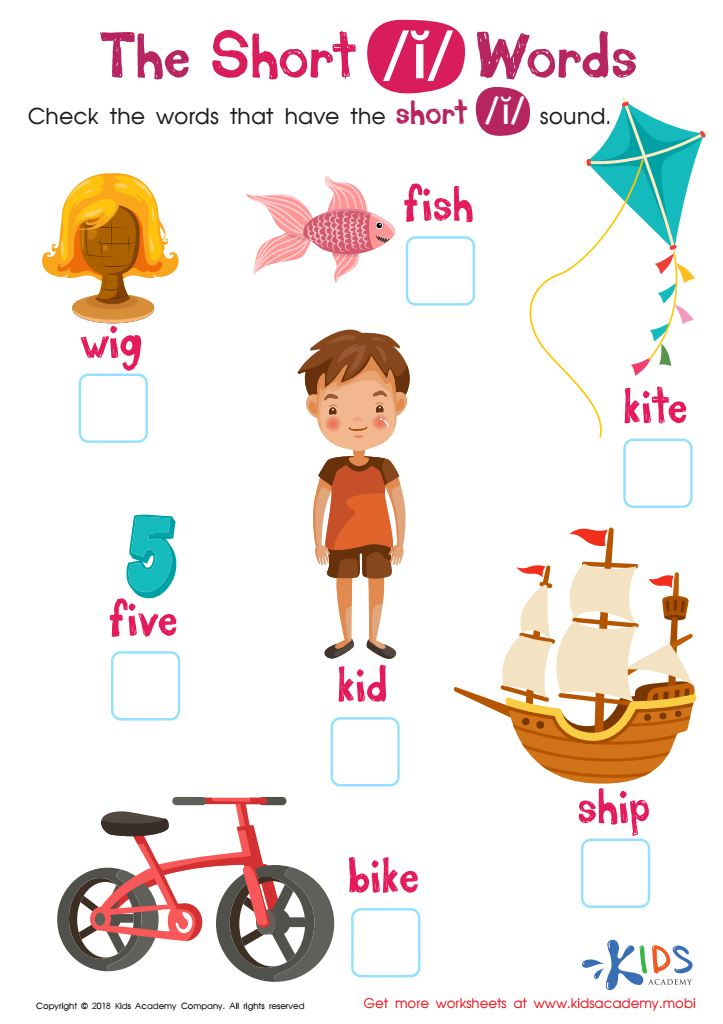
The Short I Words Reading Worksheet
Teach your kindergartner phonics with this printout worksheet! It introduces the short «i» sound and helps them differentiate and articulate sounds and letters of the alphabet. With practice, your child will soon find it easy to classify sounds into long and short vowels.
The Short I Words Reading Worksheet
Worksheet
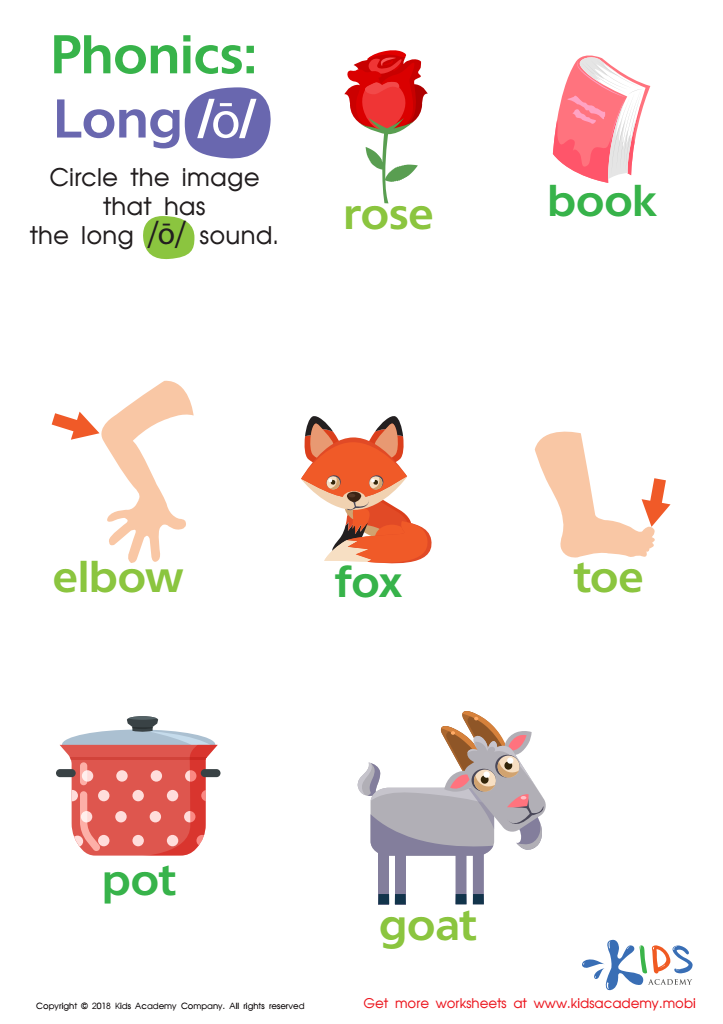
Phonics Long O Reading Worksheet
Are you ready to help your child learn the phonics long «o» sound? This worksheet is designed to aid them in getting familiar with the sound. After completing the exercise, your child should be able to differentiate letters, and recognize words with the long «o» sound. Encourage them to circle the images that have the sound.
Phonics Long O Reading Worksheet
Worksheet
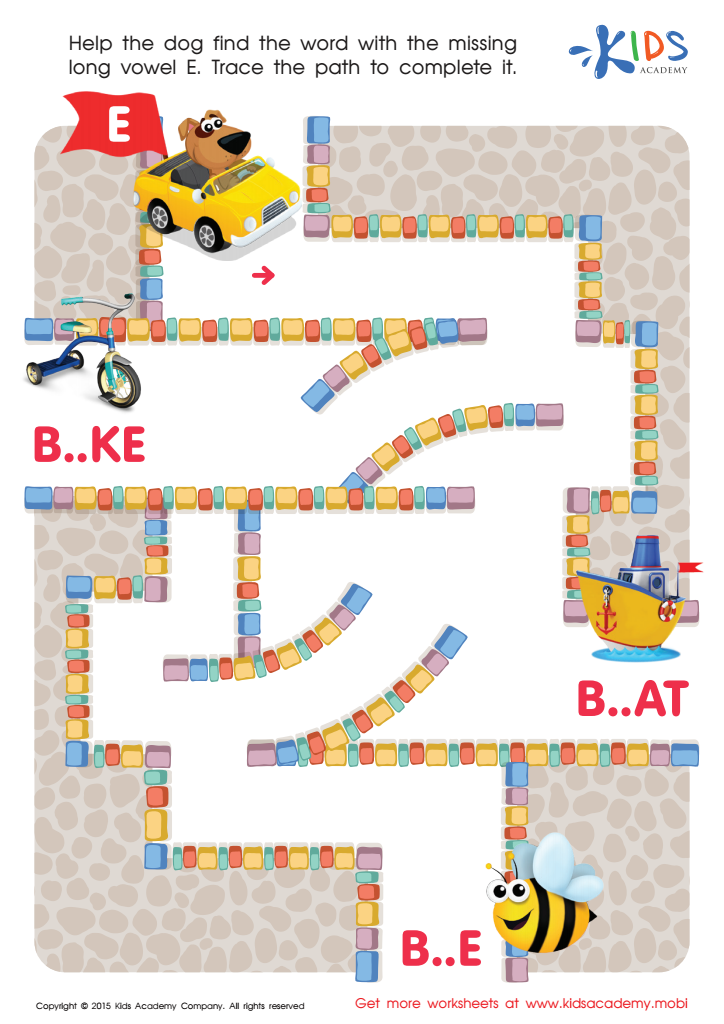
Long Vowel Sound E Worksheet
Practice distinguishing long and short vowel sound E with this free printable! Kids must complete the word “bee” by tracing the maze and adding the missing letter E. Remind them to say the word aloud to help sharpen their phonics ear. Get more phonics fun with the vowel sound E here.
Long Vowel Sound E Worksheet
Worksheet
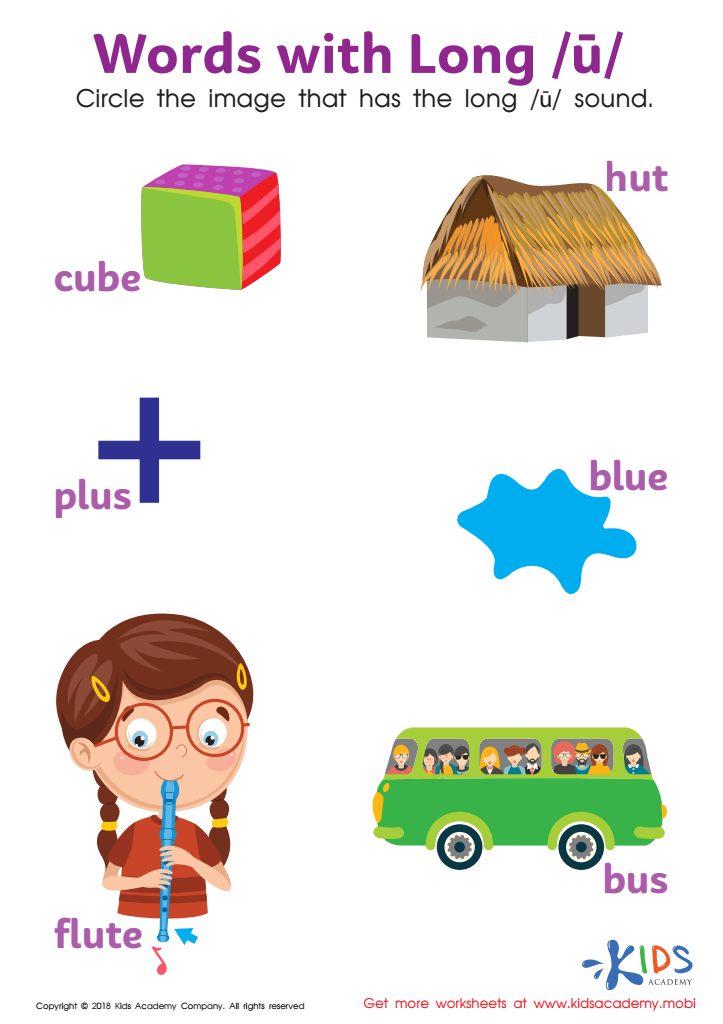
Words with Long U Reading Worksheet
Help your new reader master vowel recognition with this fun worksheet. By using picture clues and practicing fine motor skills, they'll learn to differentiate between words with the long and short «u» sound. Your learner will also get to practice vowel discrimination in high-frequency words. It's a great way to learn the importance of vowels in reading!
Words with Long U Reading Worksheet
Worksheet
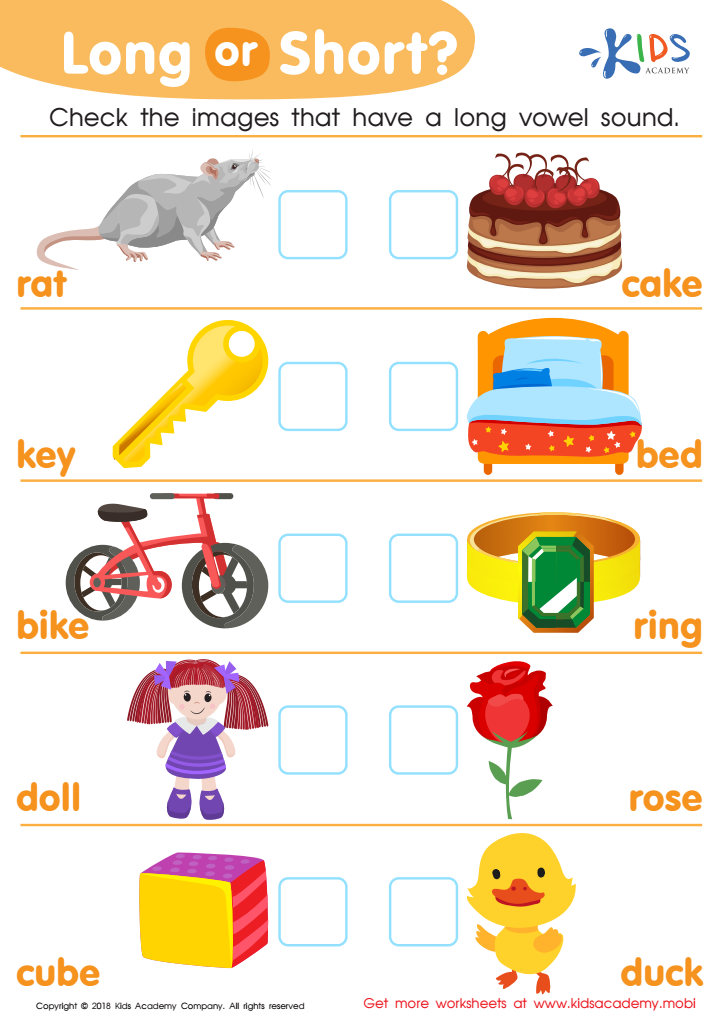
Long or Short Reading Worksheet
Every new reader needs to learn to recognize long and short vowel sounds. This phonics worksheet uses pictures of high-frequency words to help. Kids read the words and then check off images with long vowel sounds. It helps them learn to decode words and improves fine motor skills.
Long or Short Reading Worksheet
Worksheet
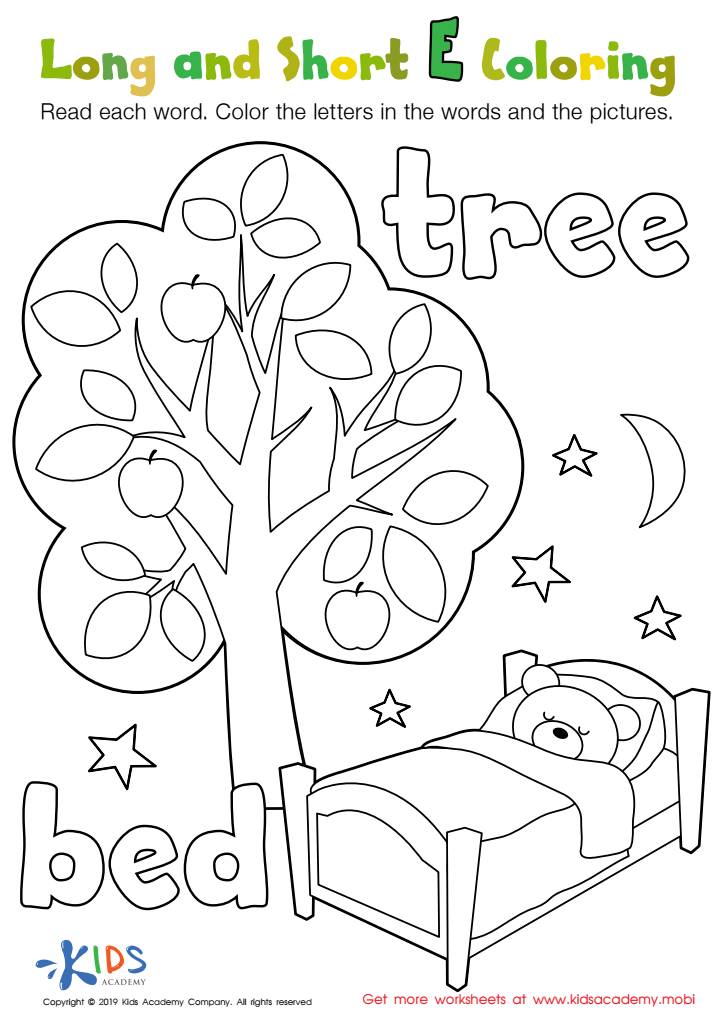
Long and Short E Worksheet
This fun printout makes learning phonics enjoyable for Grade 3 students. Get them to read the words “tree” and “bed” to recognize the different sounds of the letter “E”. After hearing the words they can color the words and the pictures to understand differences between long and short vowels.
Download (PDF)
 Assign to My Students
Assign to My Students
Long and Short E Worksheet
Worksheet
Join Kids Academy for Free
Who is primarily going to use this learning content?





Parents and teachers should prioritize phonics skills, specifically focusing on normal vowels, for 4-year-olds because these foundational skills are crucial for early literacy development. Phonics, the relationship between sounds and their corresponding letters, helps young children decode words, which is essential for reading fluency and comprehension. At this age, engaging with normal vowels—A, E, I, O, U—enables children to recognize and produce the core sounds in words, laying the groundwork for future reading and writing skills.
Understanding vowel sounds also supports language development and strengthens oral communication. When children grasp how vowels function within different words, they enhance their vocabulary and phonemic awareness, which are key predictors of reading success. Additionally, phonics activities encourage play-based learning, making it enjoyable for young learners and fostering a love of reading.
Furthermore, early mastery of these skills ensures that children do not face significant challenges as they advance in their education. By integrating phonics into daily routines, parents and teachers nurture confident, literate children, paving the way for successful academic journeys. Supporting phonics development in preschoolers ultimately benefits not only the child’s educational experience but also their overall cognitive growth.