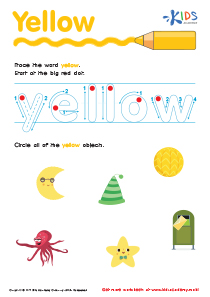
Alphabetical order understanding Normal English for Beginners Worksheets for 4-Year-Olds
3 filtered results
-
From - To
Introduce your preschooler to the world of letters with our engaging "Alphabetical Order Understanding Normal English for Beginners Worksheets." Tailored especially for 4-year-olds, these fun and colorful worksheets help children grasp the fundamentals of alphabetical order in a playful and effective manner. Each worksheet features simple exercises designed to enhance early literacy skills, including letter recognition and sequencing. With our user-friendly printables, your child will develop a solid foundation in English while enjoying the learning process. Perfect for parents and teachers, these worksheets make learning the alphabet an exciting adventure! Explore our collection now and watch your child thrive!
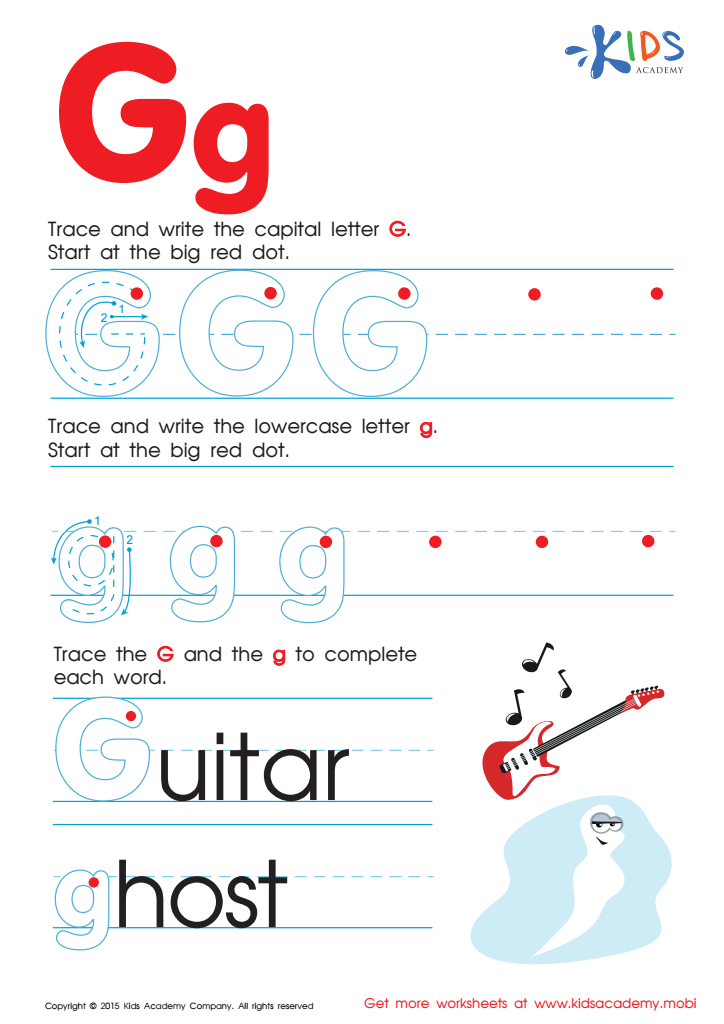
Letter G Tracing Page
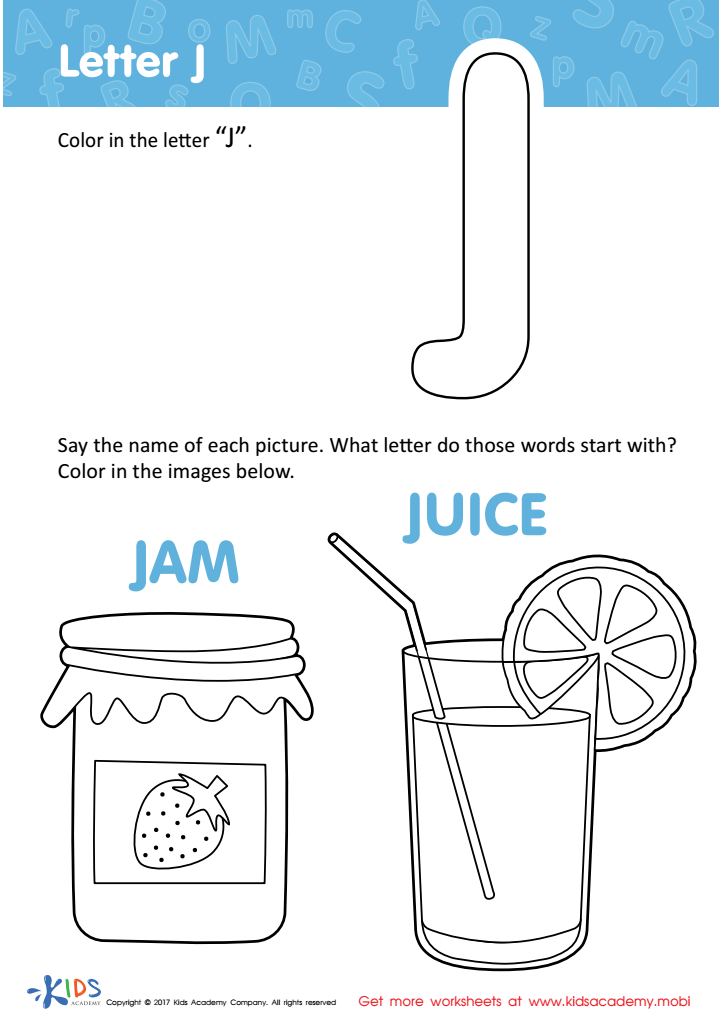
Letter J Coloring Sheet
 Assign to My Students
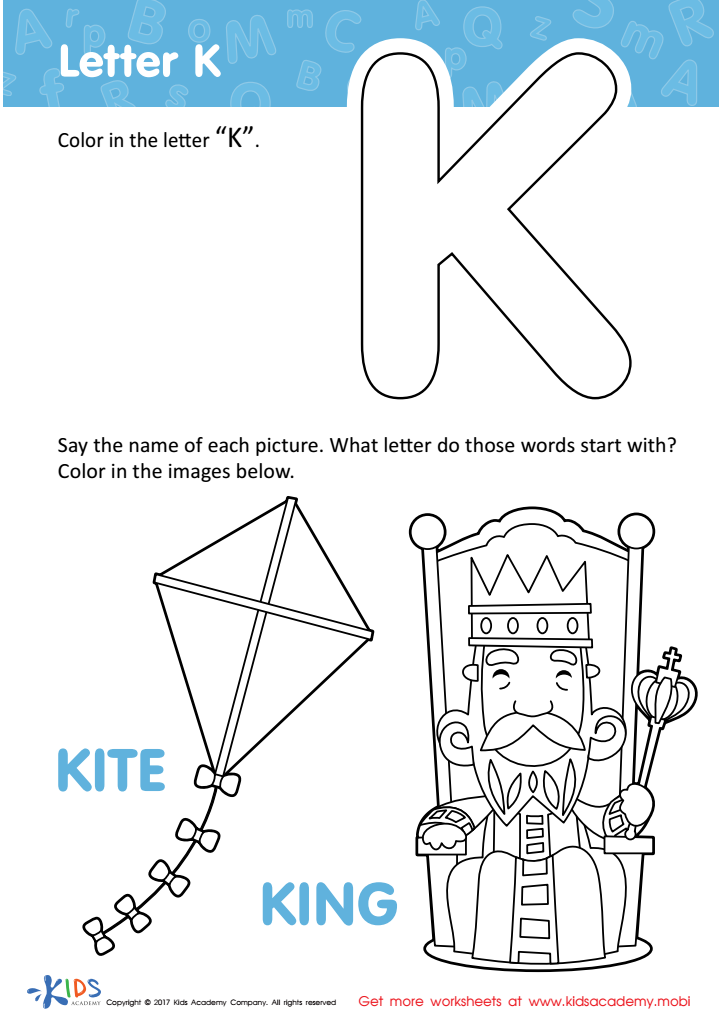
Letter K Coloring Sheet
Assign to My Students





Understanding alphabetical order is a key skill for 4-year-olds and tremendously benefits their early learning journey. At this crucial age, children are highly receptive to developing foundational language abilities. Alphabetical order is the basis for organizing and navigating through the vast world of words. When parents and teachers prioritize teaching this, they are essentially equipping kids with a vital toolset for lifelong learning.
Alphabetical order aids in enhancing memory and cognitive associations by connecting letters in a predictable sequence, making language learning more structured. For young readers and writers, it provides a pathway to recognizing patterns in words and understanding how letters relate to sounds, which is fundamental for phonics and spelling.
Moreover, many practical daily activities involve the use of alphabetical order, such as searching for words in a dictionary, looking up names in an index, or organizing shelves and files. Early familiarization helps kids become more organized, independent problem-solvers.
Teaching this skill can be both fun and engaging through songs, interactive games, and colorful puzzles, making education enjoyable even at this tender age. Ultimately, a strong grasp of alphabetical order sets the stage for more complex literacy skills, fostering confidence and a love for learning in young children.