Understanding directions Normal Worksheets for 4-Year-Olds
7 filtered results
-
From - To
Understanding Directions Normal Worksheets for 4-Year-Olds are designed to help young learners master the ability to follow simple instructions. These engaging, printable worksheets from Kids Academy focus on enhancing children’s listening and comprehension skills, as well as developing their spatial awareness and cognitive abilities. Each worksheet is crafted to make learning fun and interactive with colorful activities, visual aids, and relatable scenarios. Perfect for preschoolers, these resources support early education by providing clear, step-by-step tasks that guide children in understanding and following directions, paving the way for academic readiness and everyday problem-solving skills.
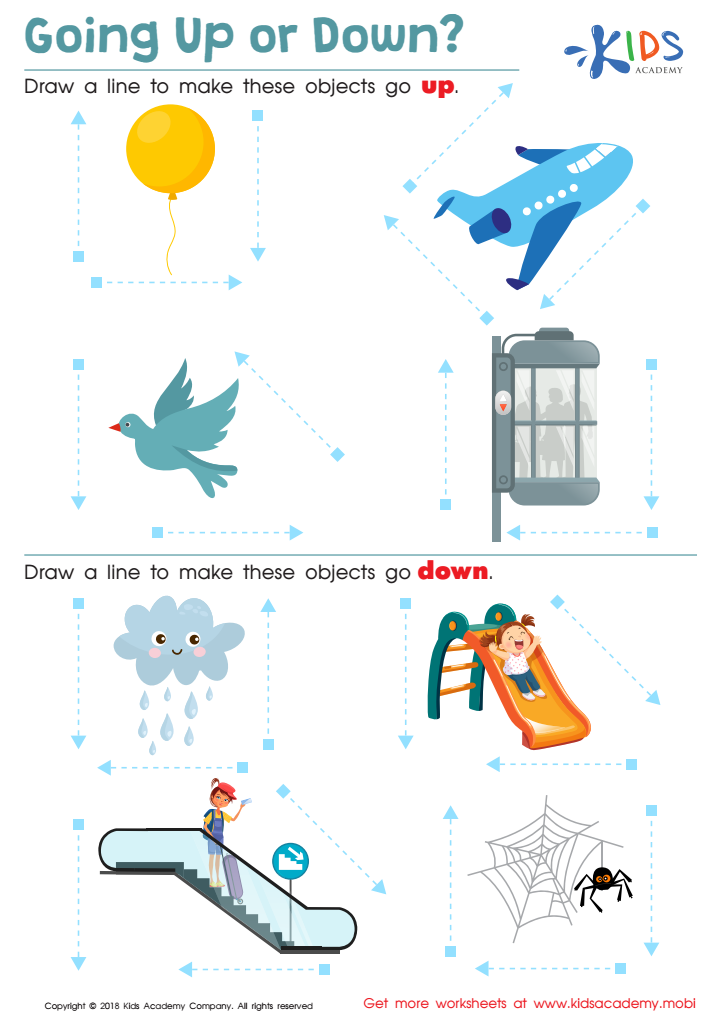
Going up or Down? Worksheet
 Assign to My Students
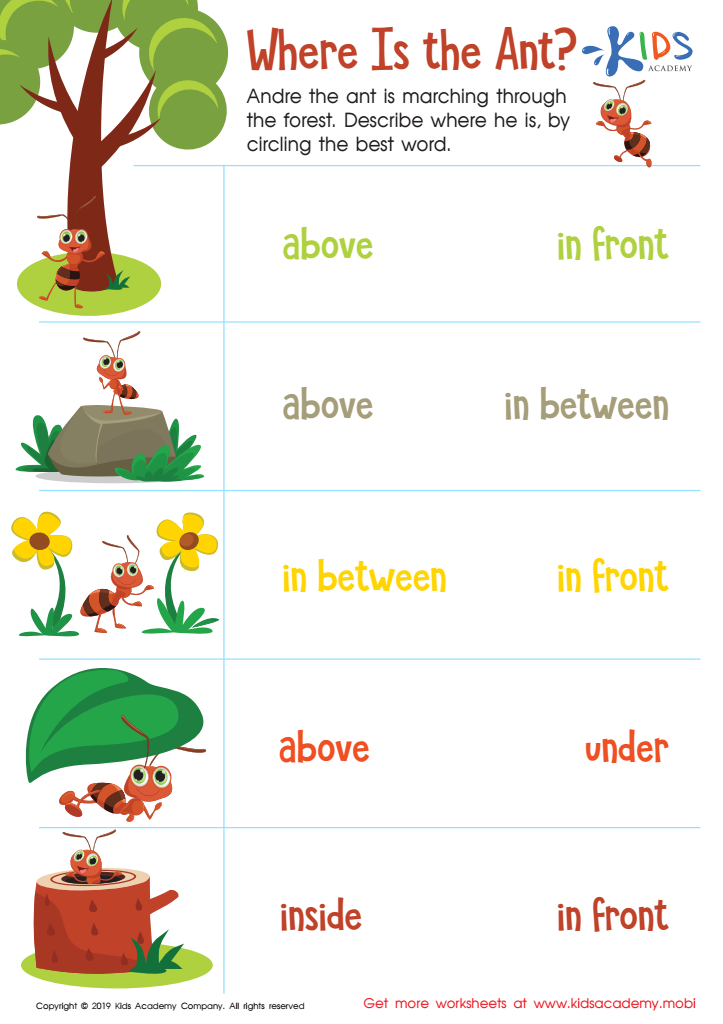
Where Is the Ant? Worksheet
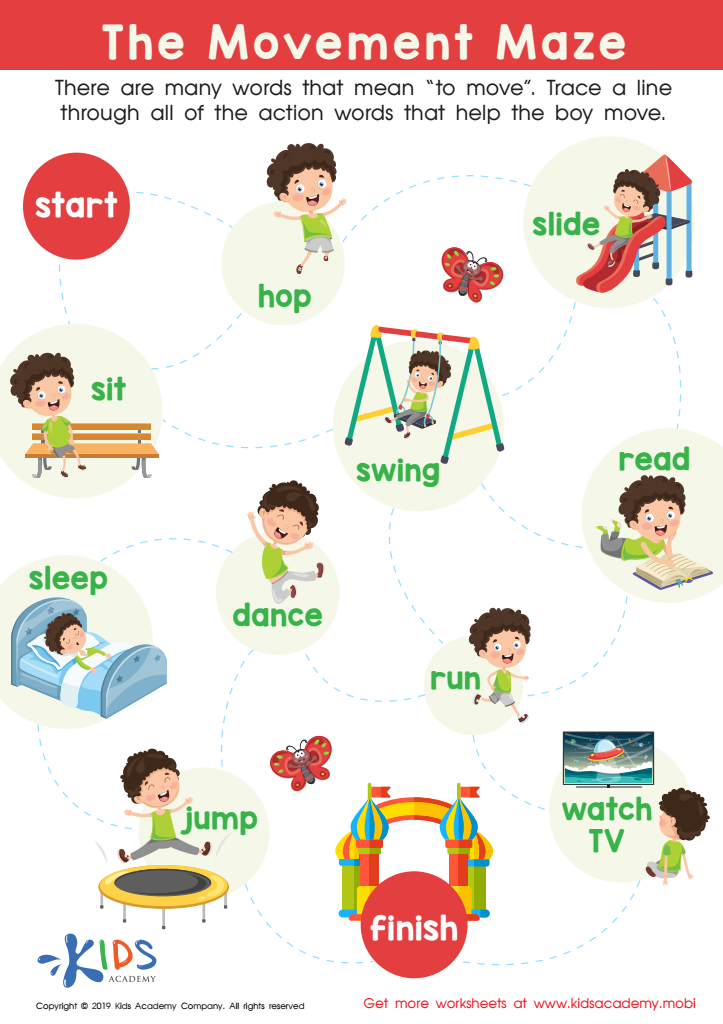
The Movement Maze Worksheet
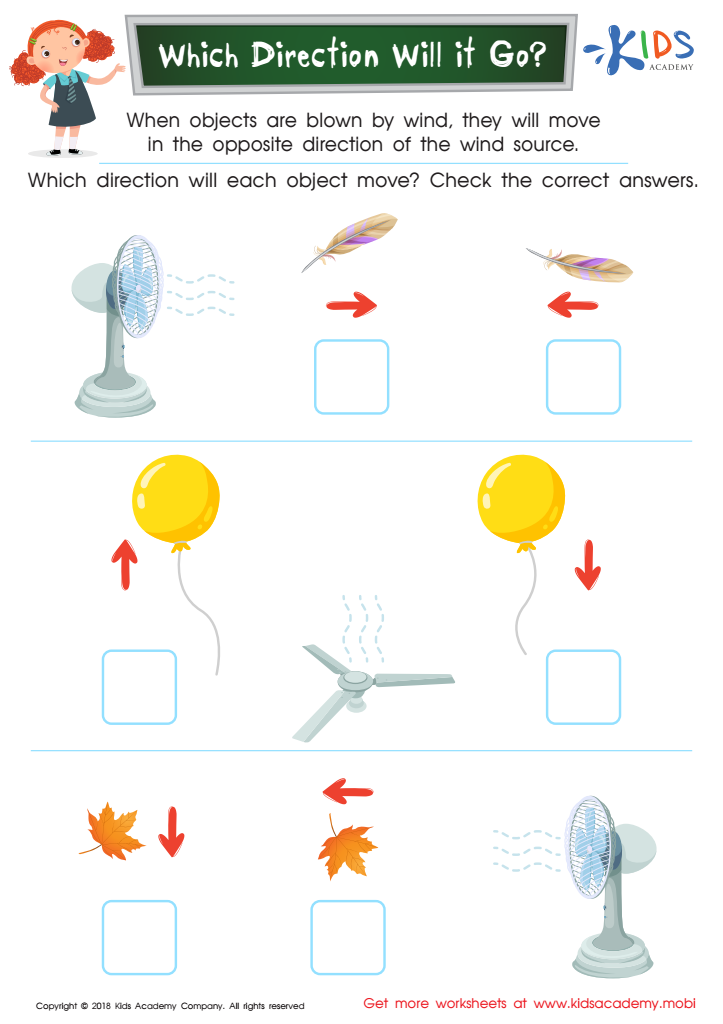
Which Direction Will it Go? Worksheet
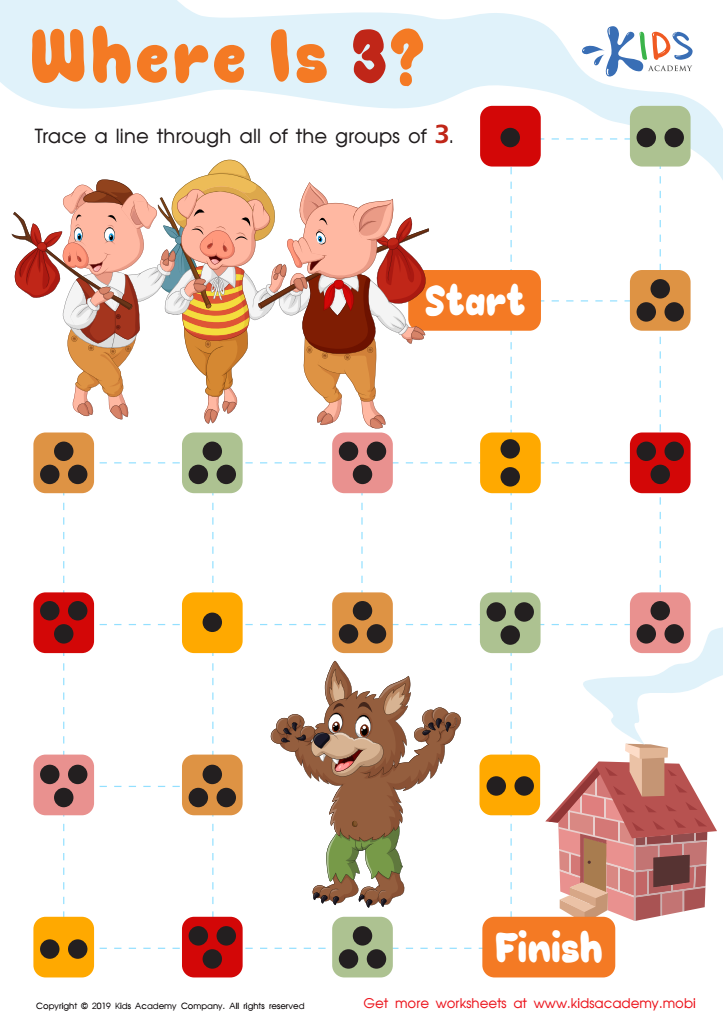
Where Is 3? Worksheet
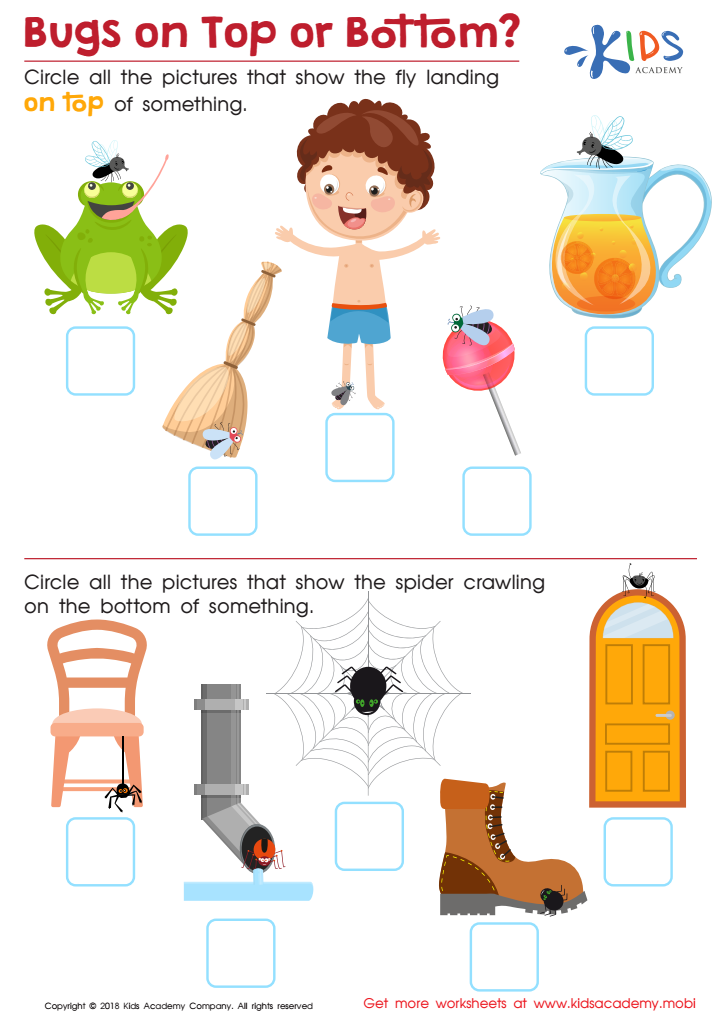
Bugs on Top or Bottom? Worksheet
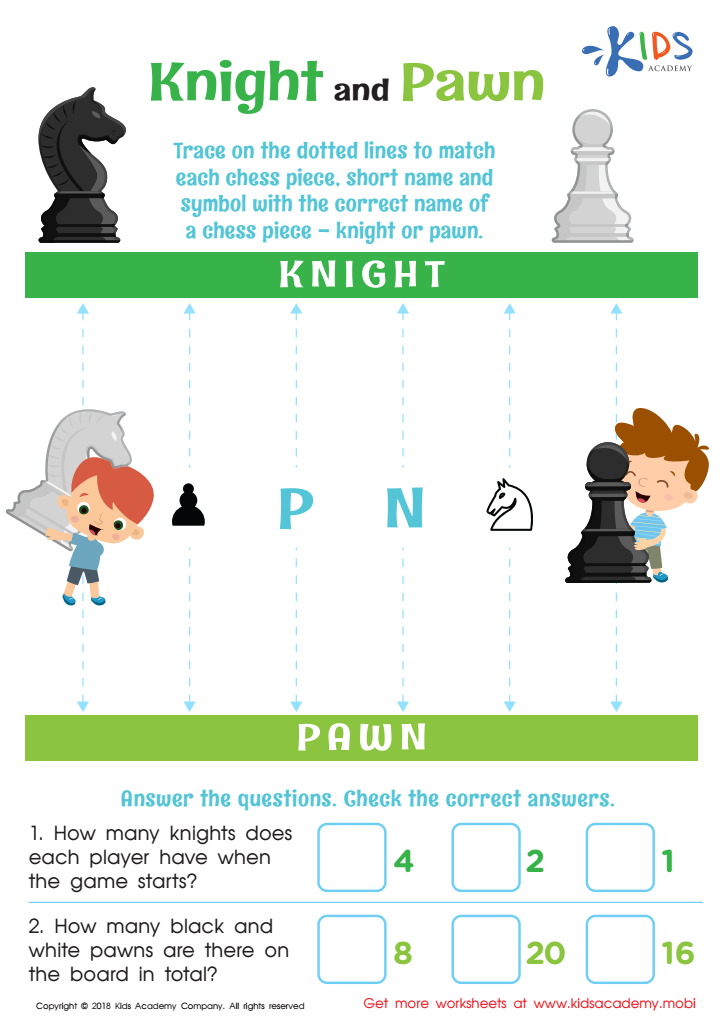
Knight and Pawn Worksheet








Understanding directions is crucial for 4-year-olds, as it is a foundational skill that significantly impacts their cognitive, social, and academic development. At this age, children are rapidly developing their language and communication abilities, and they rely on these skills to navigate their world. When parents and teachers pay attention to a child's ability to understand and follow directions, they can identify areas where the child may need support or encouragement.
Firstly, following directions enhances listening skills, which are vital for effective communication. Improved listening fosters better interactions with peers and adults, nurturing social competence and cooperation. Secondly, it encourages cognitive development by helping children understand routines, sequences, and the relationship between actions and consequences. This understanding can boost their problem-solving and critical thinking abilities.
In the classroom, the ability to comprehend directions is directly linked to academic success. Preschool activities often involve multi-step instructions, and children who can follow these are more likely to participate effectively and gain confidence in their learning abilities. For parents, understanding their child's grasp of directions can provide insights into their child's developmental stage and highlight needs for intervention if necessary.
Overall, encouraging and supporting children in understanding directions sets a strong foundation for future learning and social integration.








