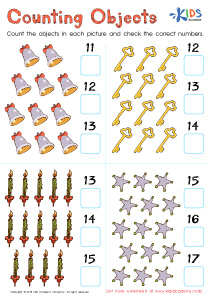
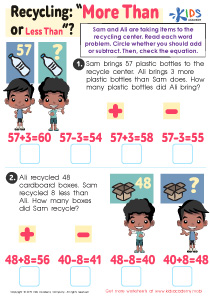
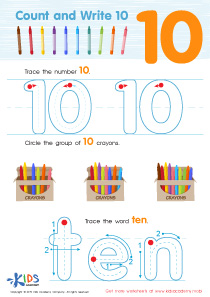
Basic Math Skills Normal Numbers 0–10 Worksheets for 4-Year-Olds
6 filtered results
-
From - To
Explore our engaging "Basic Math Skills Normal Numbers 0–10 Worksheets" designed specifically for 4-year-olds! These colorful and interactive worksheets provide a fun way for kids to develop foundational math skills. Through activities tailored to their developmental level, young learners can practice number recognition, counting, and simple addition or subtraction using normal numbers from 0 to 10. Each worksheet encourages hands-on learning, helping children build confidence and enthusiasm for math. Suitable for classrooms or at-home practice, our resources are perfect for nurturing a love of math early on. Start your child's math journey today with our educational worksheets!
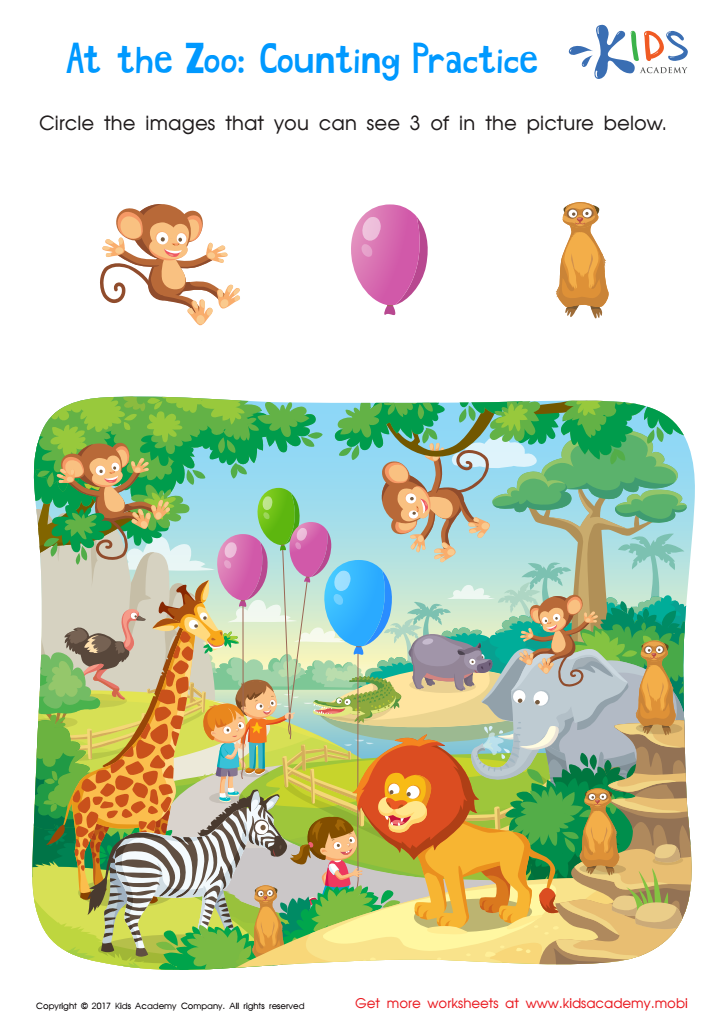
At the Zoo: Counting Practice Worksheet
 Assign to My Students
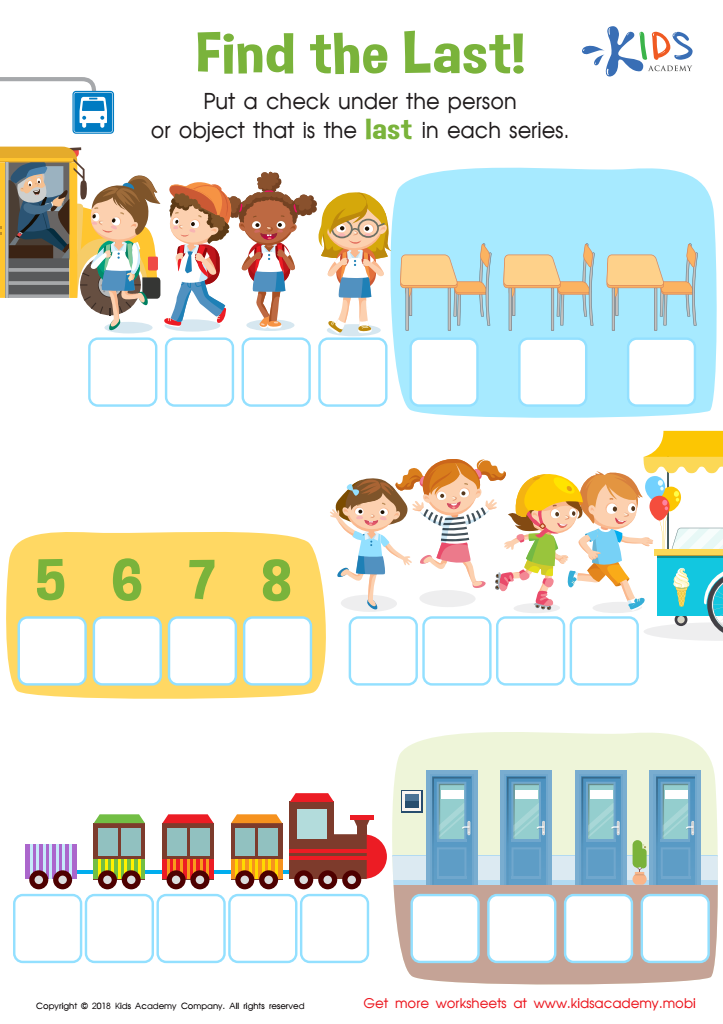
Find the Last! Worksheet
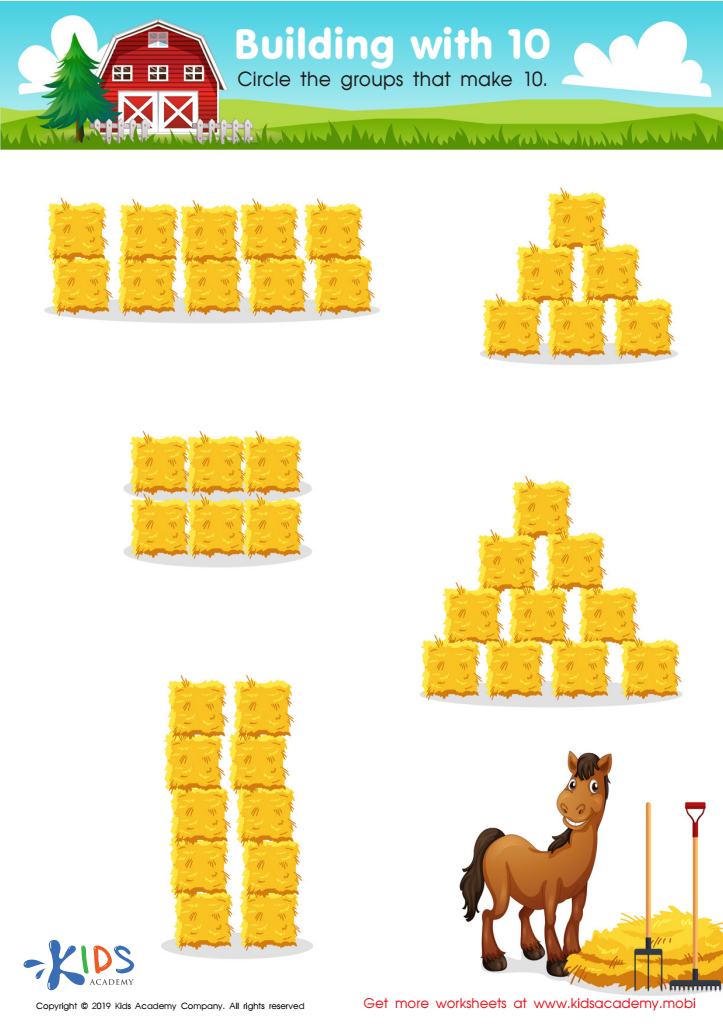
Building with 10 Worksheet
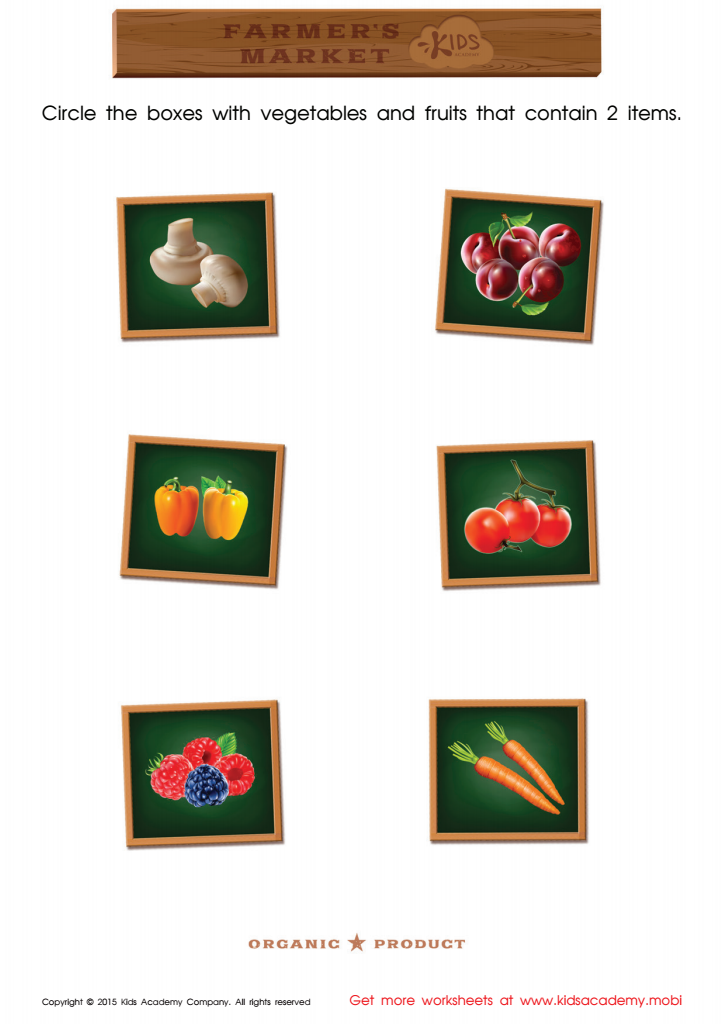
Count and Match Vegetables and Points Math Worksheet
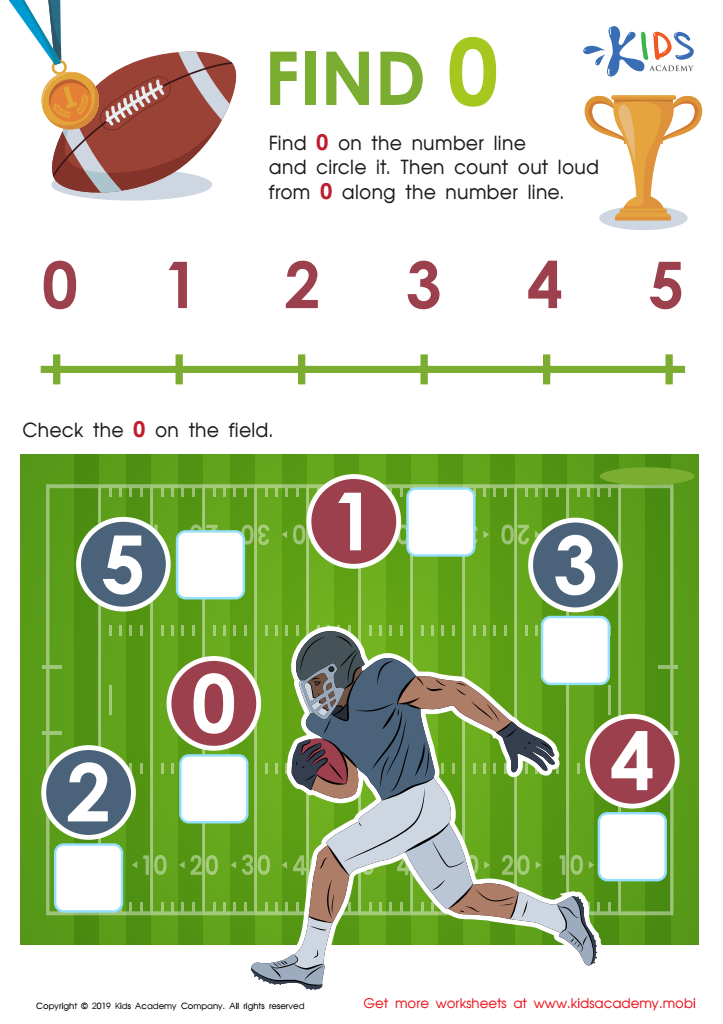
Find 0 Worksheet
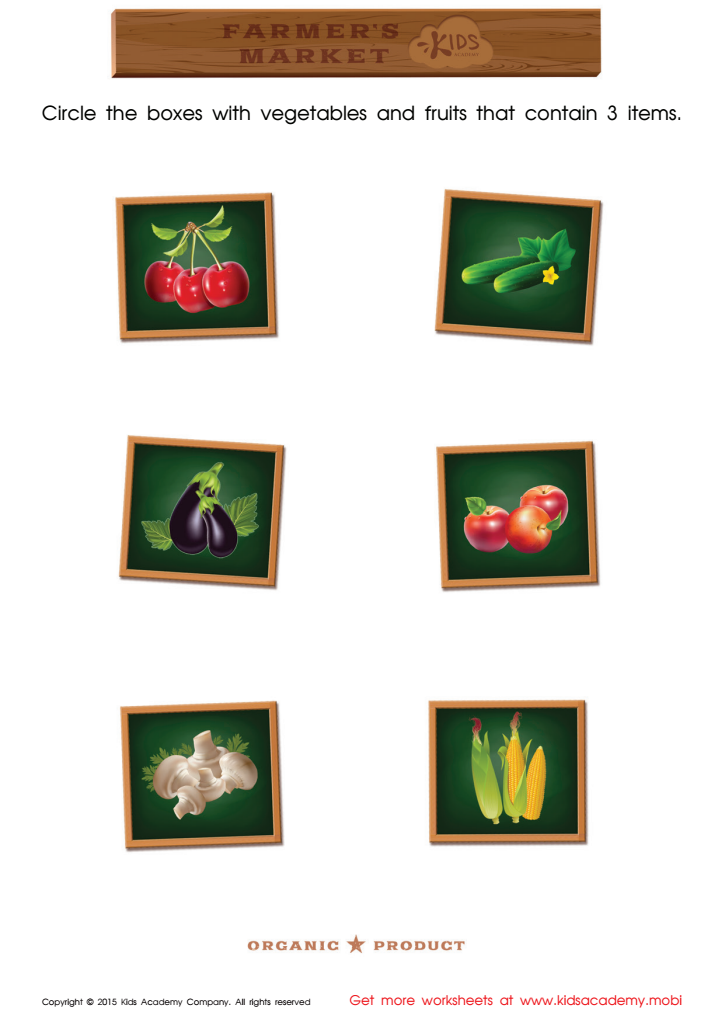
Count and Match Vegetables 1 – 5 Math Worksheet








Caring about basic math skills for 4-year-olds, particularly normal numbers from 0 to 10, is crucial for several reasons. First, this early understanding lays a foundational framework for all future mathematical learning. Children who grasp numbers and their relationships early on become more confident and competent in math as they progress through school.
At this age, children are naturally curious and eager to learn through play and exploration. Engaging them in activities that involve counting, simple addition and subtraction, or recognizing numbers prepares them for more complex concepts later. Developing these skills can also improve their problem-solving abilities and critical thinking.
Moreover, proficiency in basic math promotes cognitive development. Learning to recognize numbers and manipulate them nurtures brain development, particularly in areas related to reasoning and logic.
Lastly, basic math skills are part of essential life skills. Understanding numbers helps children navigate their world, whether it’s measuring ingredients for a small snack or counting toys. Therefore, fostering math skills at this early age not only builds a solid educational foundation but also equips children with the confidence and abilities necessary for everyday tasks. Engaging in math at home and in the classroom is an investment in their future success.