Handwriting practice Normal Numbers 0–10 Worksheets for 4-Year-Olds
3 filtered results
-
From - To
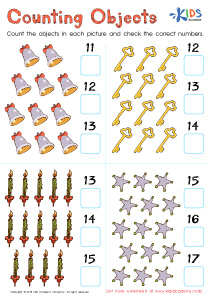
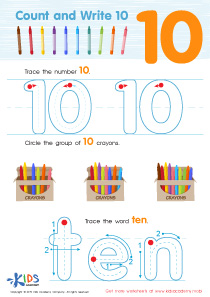
Boost your child's number-writing skills with our "Handwriting Practice: Normal Numbers 0-10 Worksheets" designed specifically for 4-year-olds. Each worksheet offers engaging and educational activities to help children learn and perfect writing numbers from 0 to 10, ensuring a strong foundation in early numeracy. With clear instructions and fun illustrations, these printable sheets are perfect for at-home practice or classroom use. Encourage your child as they work through tracing, counting, and writing exercises that promote fine motor skills and number recognition. Make learning numbers an enjoyable experience with our expertly crafted handwriting practice worksheets.
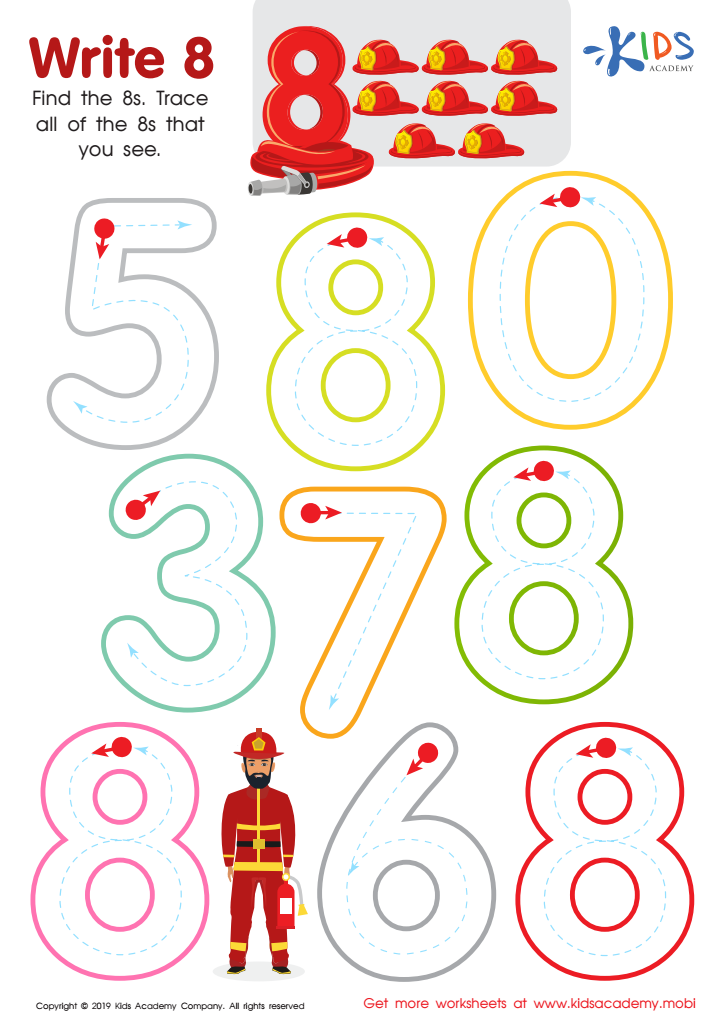
Write 8 Worksheet
 Assign to My Students
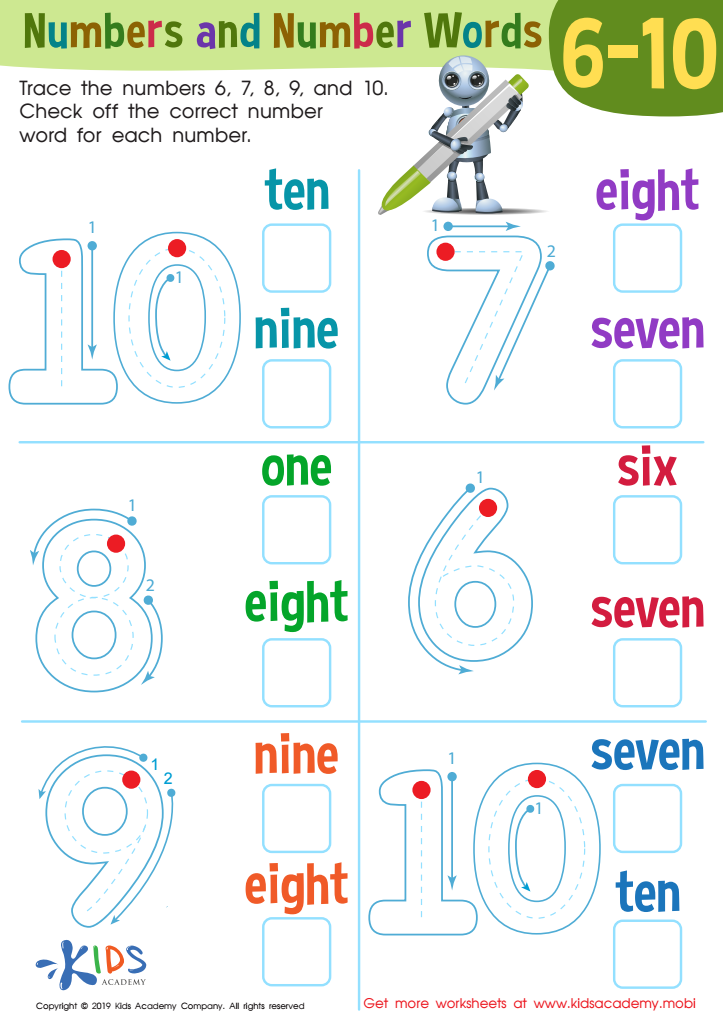
Numbers and Number Words 6–1 Worksheet
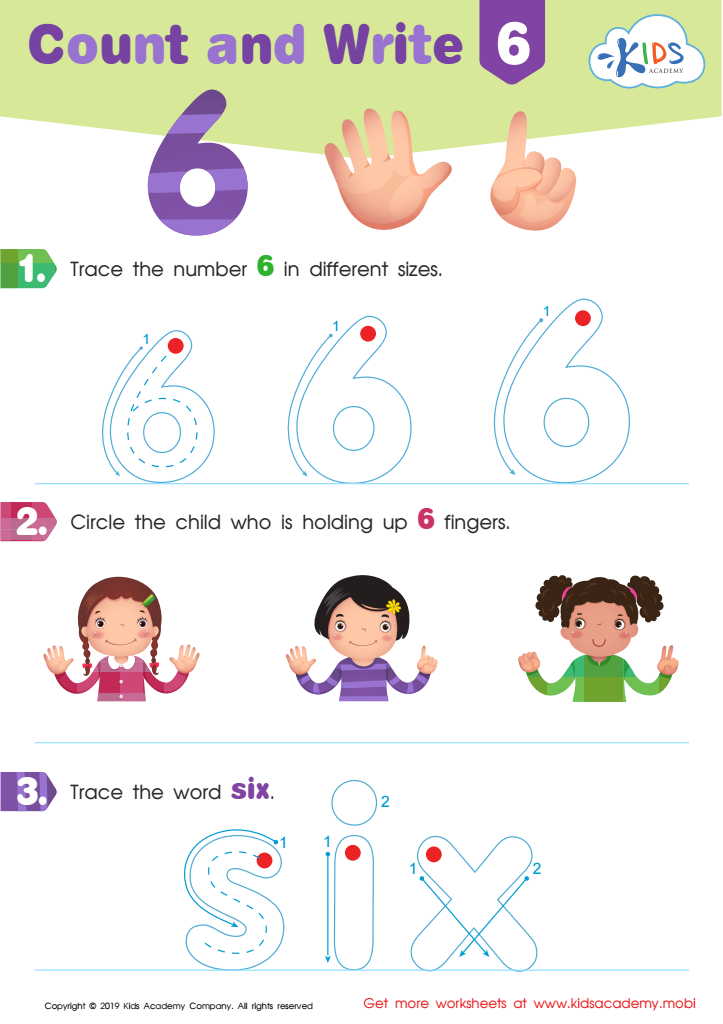
Count and Write 6 Worksheet








Parents and teachers should care about handwriting practice for numbers 0-10 for 4-year-olds because it builds a critical foundation for academic success and motor skills development. At this age, children are developing fine motor skills that are essential for tasks like writing, drawing, and manipulating small objects. Practicing handwriting helps to strengthen the small muscles in their hands, improving their dexterity and hand-eye coordination.
Writing numbers 0-10 lays the groundwork for number recognition, a crucial skill for mathematical learning. It helps children understand the concept of numbers and their sequence, which is fundamental as they progress to more complex math concepts. Familiarity with writing numbers builds confidence and encourages a positive attitude towards learning math.
Moreover, handwriting practice enhances overall cognitive development. It can improve focus, memory, and the ability to process information efficiently. Structured practice sessions not only bolster academic readiness but also instill discipline and a sense of achievement in young learners.
Incorporating fun and engaging number writing activities can make learning enjoyable and stimulating, fostering a love for mathematics and education from an early age. Ultimately, handwriting practice for 4-year-olds serves as a stepping stone that supports wider educational and developmental goals, making it a priority for parents and teachers alike.