
Color recognition Normal Reading Worksheets for 4-Year-Olds
3 filtered results
Difficulty Level
Grade
Age
-
From - To
Subject
Activity
Standards
Boost your child's learning journey with our Color Recognition Normal Reading Worksheets tailored for 4-year-olds! Designed for preschool-aged learners, these engaging and interactive worksheets help young minds identify and differentiate colors while enhancing their reading skills. Each worksheet presents vibrant visuals and fun activities to captivate children's attention, making learning enjoyable and effective. By integrating color recognition with early literacy, we empower kids to excel in foundational skills necessary for future academic success. Explore an assortment of printable worksheets that encourage creativity, improve focus, and create a solid understanding of colors, setting the stage for a bright educational experience!
Favorites
With answer key
Interactive
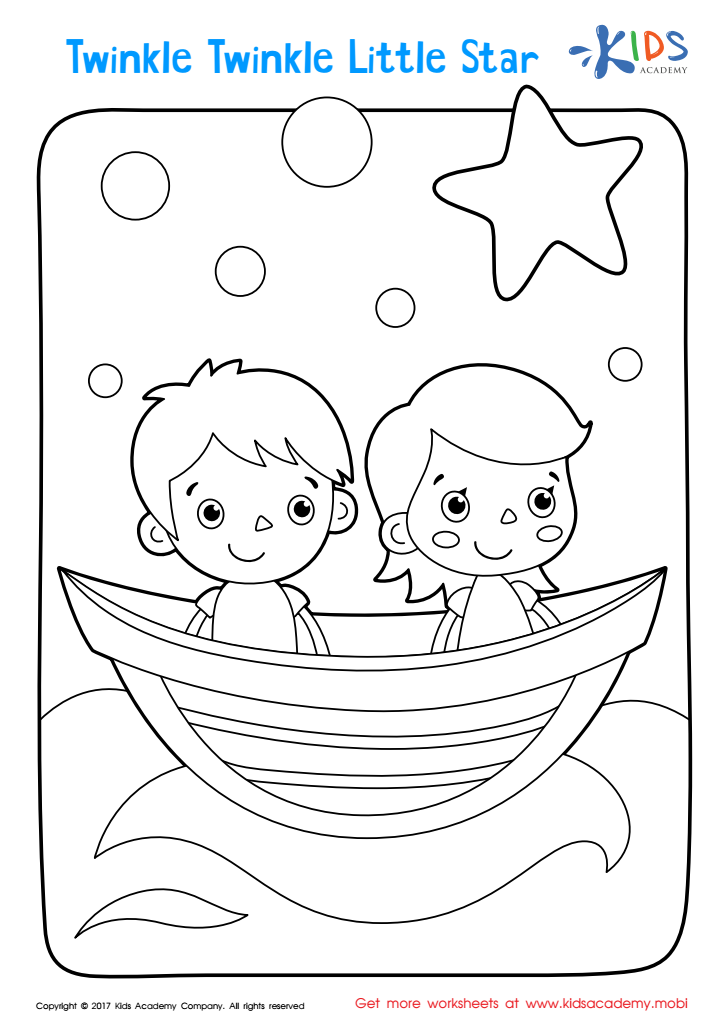
Twinkle Twinkle Little Star Coloring Page
Let your child wish upon a star as they color this scene of boy and girl stargazing. Sing Twinkle Twinkle Little Star while they choose colors to show the star twinkling in the night sky.
Download (PDF)
 Assign to My Students
Assign to My Students
Twinkle Twinkle Little Star Coloring Page
Worksheet
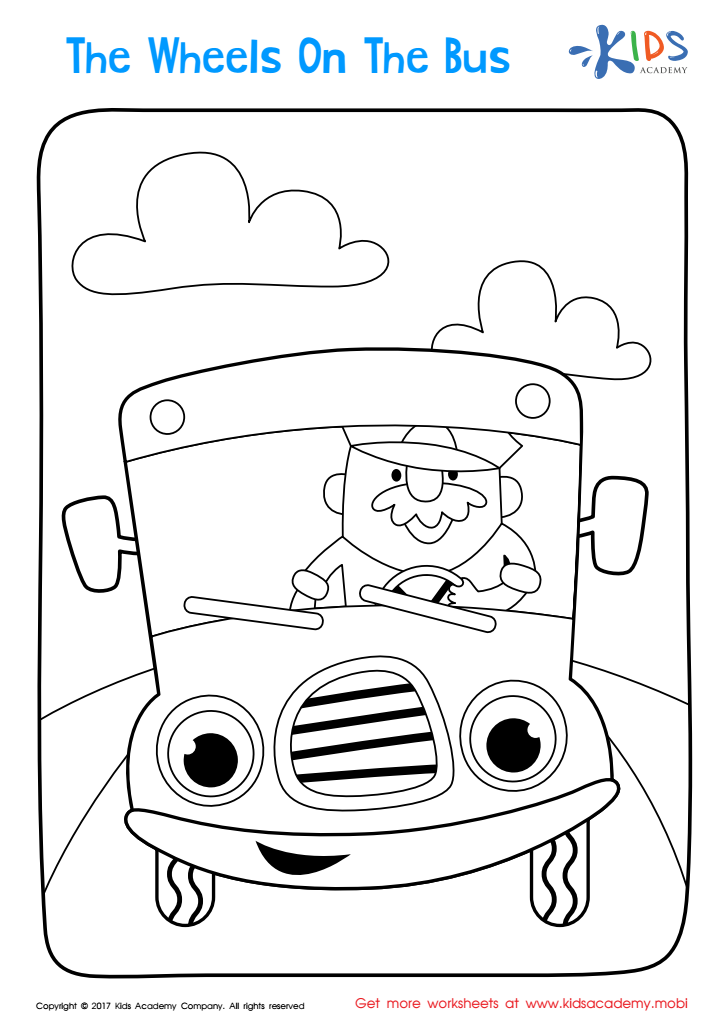
The Wheels on the Bus Coloring Page
Colour and sing with this printable Wheels on the Bus page! Let your child have fun singing the song with you as they colour. It'll make the activity even more entertaining and memorable.
Download (PDF)
Assign to My Students
Assign to My Students
The Wheels on the Bus Coloring Page
Worksheet
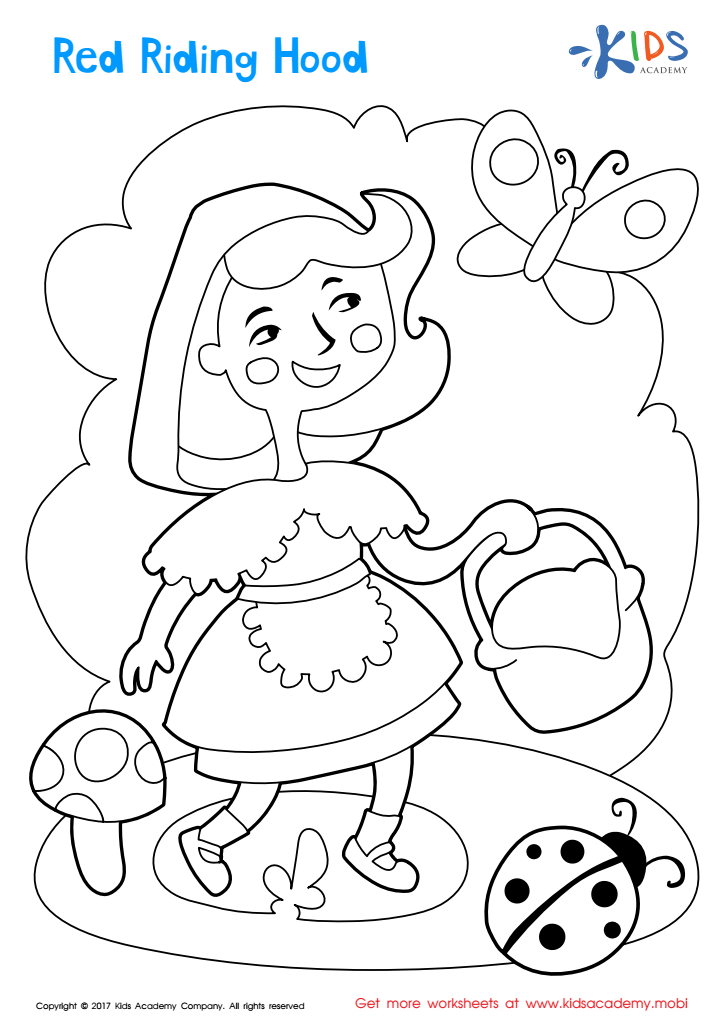
Red Riding Hood Coloring Page
Red Riding Hood awaits in the woods, with a butterfly, mushroom, and ladybug around her. Let your child bring the story to life with this magical printable coloring page. Fairytale fun for all!
Download (PDF)
Assign to My Students
Assign to My Students
Red Riding Hood Coloring Page
Worksheet
Join Kids Academy for Free
Who is primarily going to use this learning content?





.jpg)

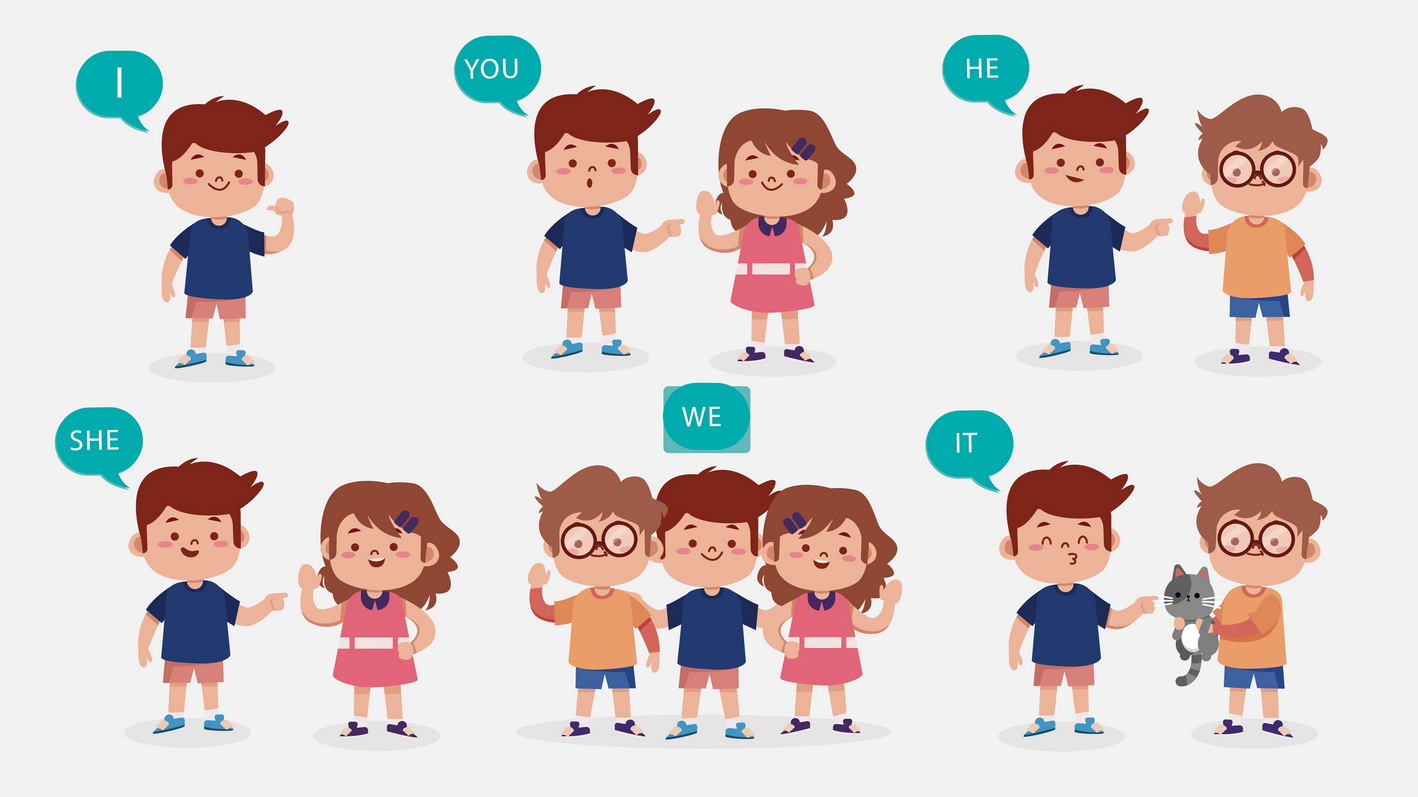
Color recognition is a fundamental skill that plays a significant role in a child's early development and learning. For 4-year-olds, recognizing and naming colors helps to improve cognitive abilities and enhance language skills. Understanding colors allows children to categorize objects, facilitating logical thinking as they distinguish between different items in their environment.
Moreover, color recognition is a stepping stone to more complex educational concepts. It aids in the development of essential skills such as sorting, sequencing, and pattern recognition – all of which are critical for later math and literacy skills. When parents and teachers engage with children in color-related activities, such as art projects or sorting games, they promote active learning and encourage a sense of curiosity and exploration.
Furthermore, incorporating color recognition into playtime enriches a child's social interaction and communication. Children often express joy in identifying and discussing different colors, fostering relationships with peers and caregivers. This engagement also contributes to emotional development, as children find a sense of accomplishment in mastering this skill. Therefore, recognizing even slight ideas in color can influence a child's learning experience, making it essential for both parents and teachers to prioritize color recognition in playful, interactive ways.








