
Vocabulary development Normal Reading Worksheets for 4-Year-Olds
4 filtered results
Difficulty Level
Grade
Age
-
From - To
Subject
Activity
Standards
Enhance your child's vocabulary with our fun and engaging Normal Reading Worksheets designed specifically for 4-year-olds! These worksheets support early literacy skills through interactive activities that promote word recognition, comprehension, and language development. Each worksheet features colorful illustrations and age-appropriate content, making learning enjoyable and effective. As children explore various topics and concepts, they’ll expand their vocabulary while developing essential reading skills. Ideal for both classroom and home use, our resources make it easy for parents and educators to foster a love for learning. Start building a strong foundation for your child's communication skills today with our versatile Vocabulary Development Worksheets!
Favorites
With answer key
Interactive
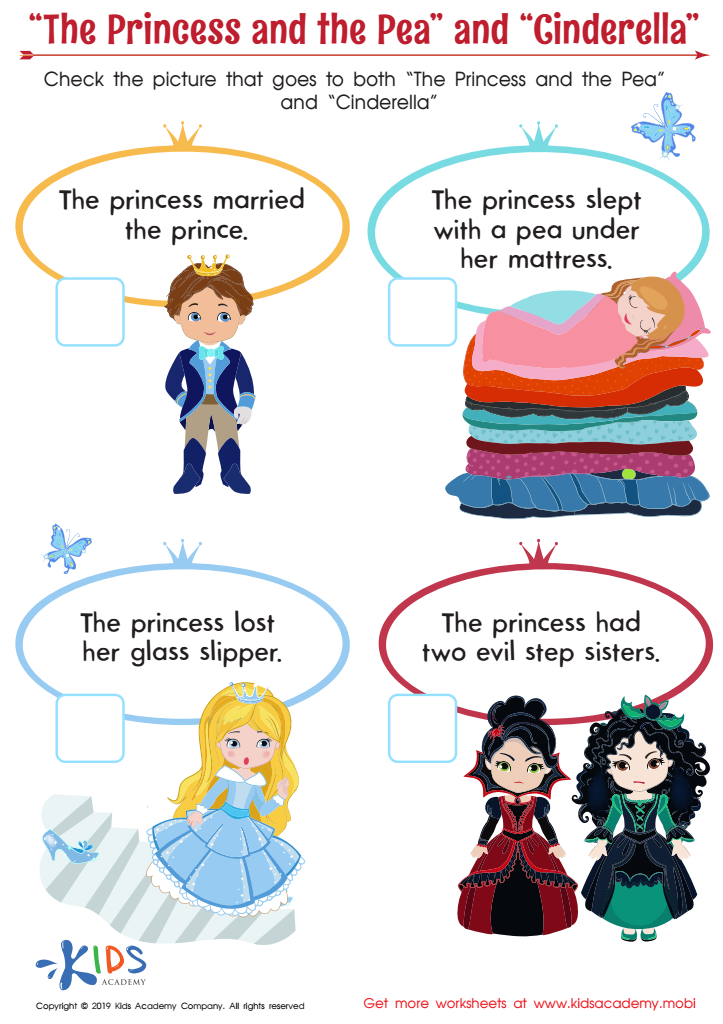
“The Princess and the Pea” and “Cinderella” Worksheet
Read "Cinderella" and "The Princess and the Pea" to your little ones. Ask them what their favorite parts were and what similarities they found in the princesses. This worksheet has four pictures of scenes from the stories. Ask your kids which picture goes with both tales.
 Assign to My Students
“The Princess and the Pea” and “Cinderella” Worksheet
Worksheet
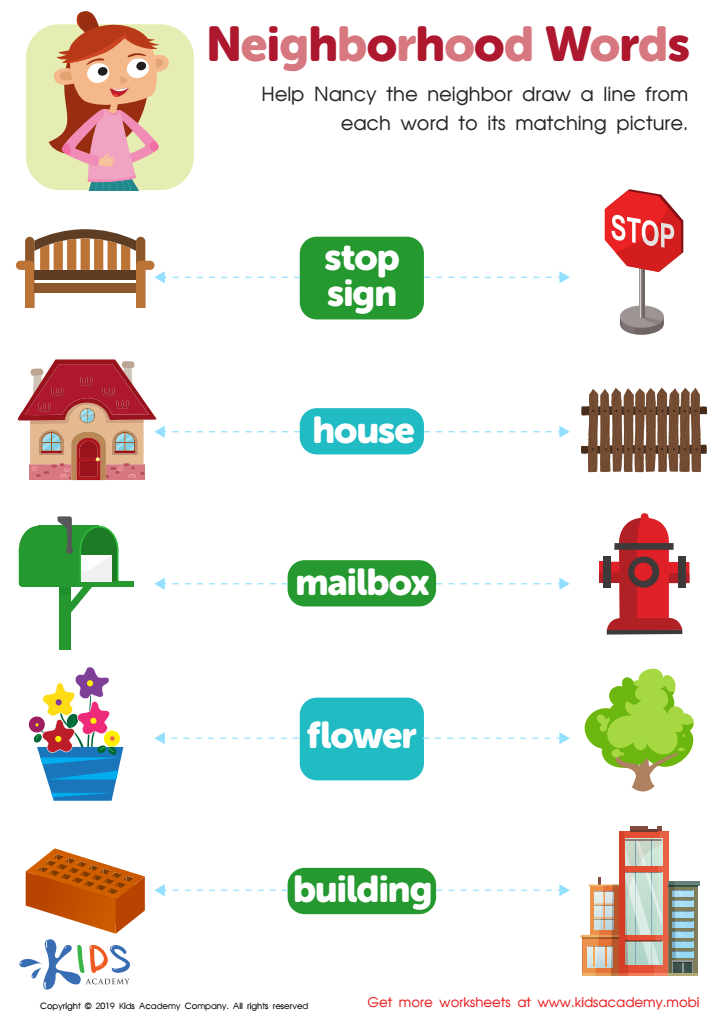
Neighborhood Words Worksheet
Help preschoolers develop life skills and familiarize them with words and concepts with this worksheet! It'll also boost their fine motor skills as they trace lines to match pictures with the words. They'll learn new words and feel more confident in their reading.
Neighborhood Words Worksheet
Worksheet
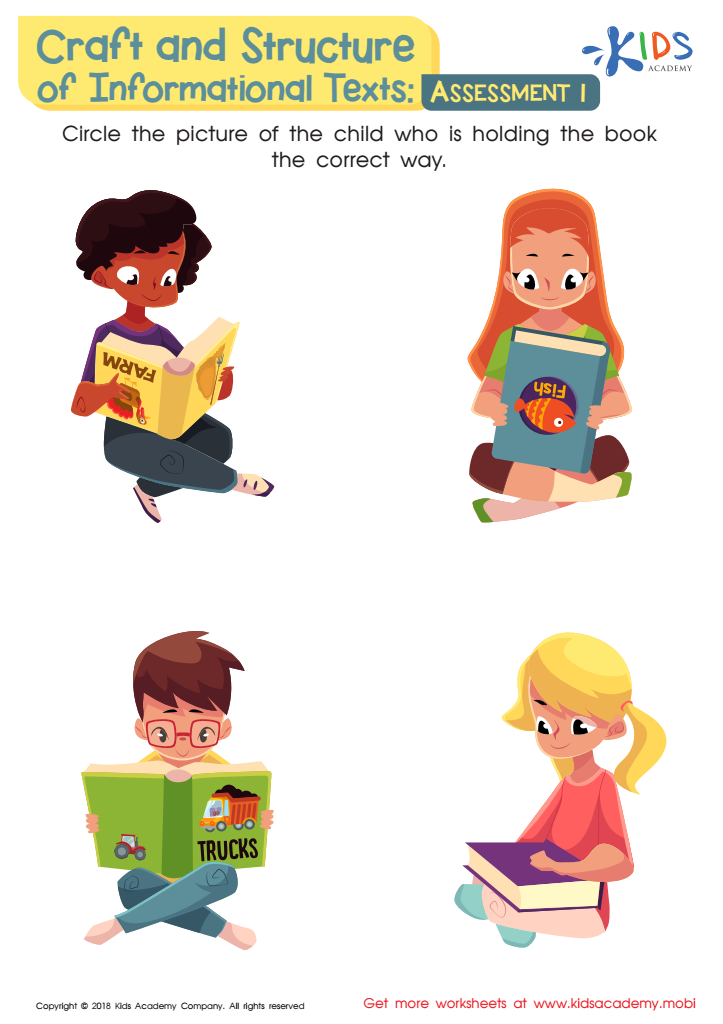
Craft and Structure of Informational Texts: Assessment 1 Worksheet
Young children need to know how to hold books correctly when they start reading. This assessment worksheet helps them show they know what to do. They'll look at the pictures and circle the child who is holding the book correctly. It's a great way to tell they are well on their way to becoming lifetime readers!
Craft and Structure of Informational Texts: Assessment 1 Worksheet
Worksheet
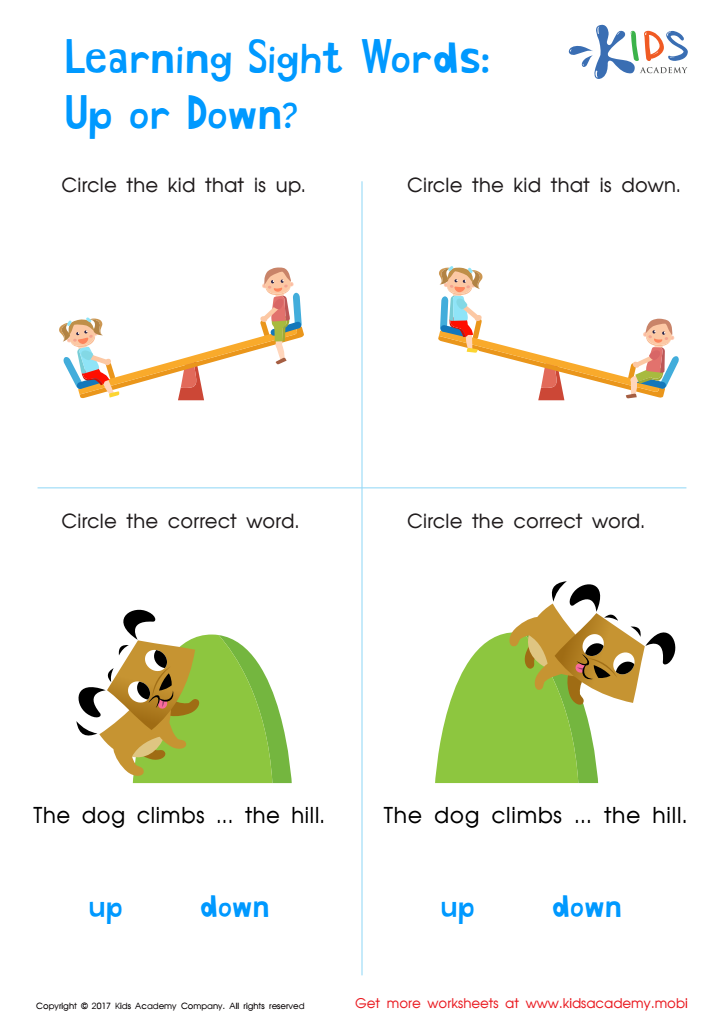
Up or Down Printable Sight Words Worksheet
Help your child identify up and down in print with this sight words worksheet. It has simple sentences, vibrant images and easy-to-read language that allow your little learner to practice these essential sight words. Perfect for early readers!
Help your early reader identify and read up and down with this sight words worksheet. It provides simple sentences, clear language and vibrant images to help them practice these essential sight words. Perfect for toddlers!
Up or Down Printable Sight Words Worksheet
Worksheet
Join Kids Academy for Free
Who is primarily going to use this learning content?






Vocabulary development in 4-year-olds is crucial for their overall linguistic and cognitive growth. At this age, children are rapidly acquiring language skills, and the words they learn directly influence their ability to communicate, understand instructions, and express their thoughts and feelings. Parents and teachers play a vital role in fostering this growth, as early vocabulary building allows children to develop foundational skills necessary for future reading and academic success.
Knowing more words helps children comprehend stories, engage in discussions, and articulate their needs more effectively. It also boosts their confidence in social interactions, laying the groundwork for positive self-esteem and healthier interpersonal relationships. Additionally, a robust vocabulary correlates with enhanced literacy skills, making it easier for children to decode words when they begin formal reading instruction.
Through activities like reading aloud, singing songs, and encouraging conversations, parents and teachers can create rich linguistic environments. This not only helps children learn new words but also reinforces their understanding of context and word usage. Monitoring and supporting vocabulary development ensures children are equipped with the essential tools for learning and opens doors to lifelong curiosity and knowledge acquisition—all fundamental components of a quality education.








