Enhancing observation skills Normal Plants and Animals Worksheets for 4-Year-Olds
4 filtered results
-
From - To
Enhance your child's observation skills with our engaging "Normal Plants and Animals Worksheets" designed for 4-year-olds. Perfect for curious minds, these printable resources offer interactive activities that help young learners identify and understand common plants and animals. From comparing shapes and colors to recognizing different habitats, each worksheet is crafted to boost early scientific understanding and critical thinking. Foster a love for nature while sharpening your child’s attention to detail. Download today and watch your little explorer thrive! Visit Kids Academy to find more educational worksheets that turn learning into an exciting adventure.
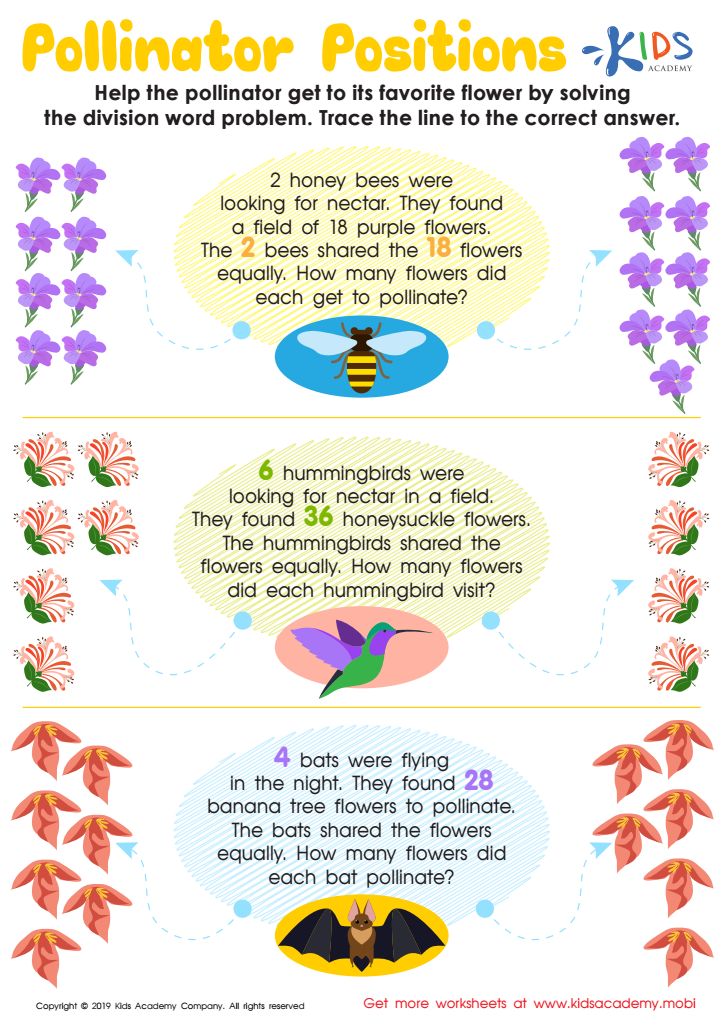
Pollinator Positions Worksheet
 Assign to My Students

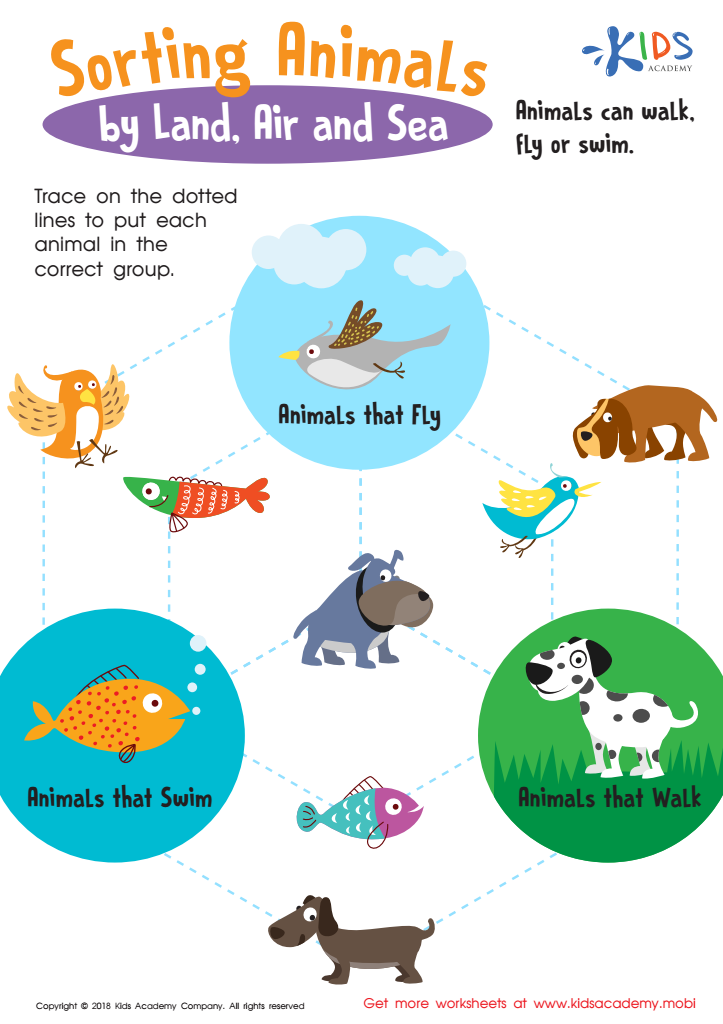
Sorting Animals by Land, Air and Sea Worksheet
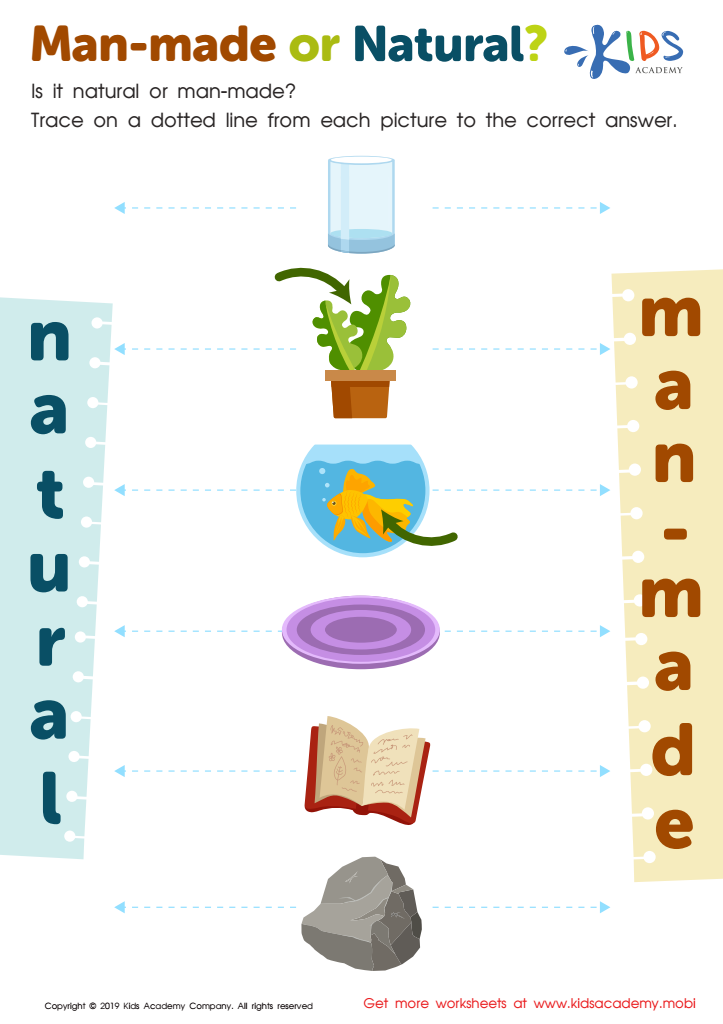
Man-Made or Natural? Worksheet
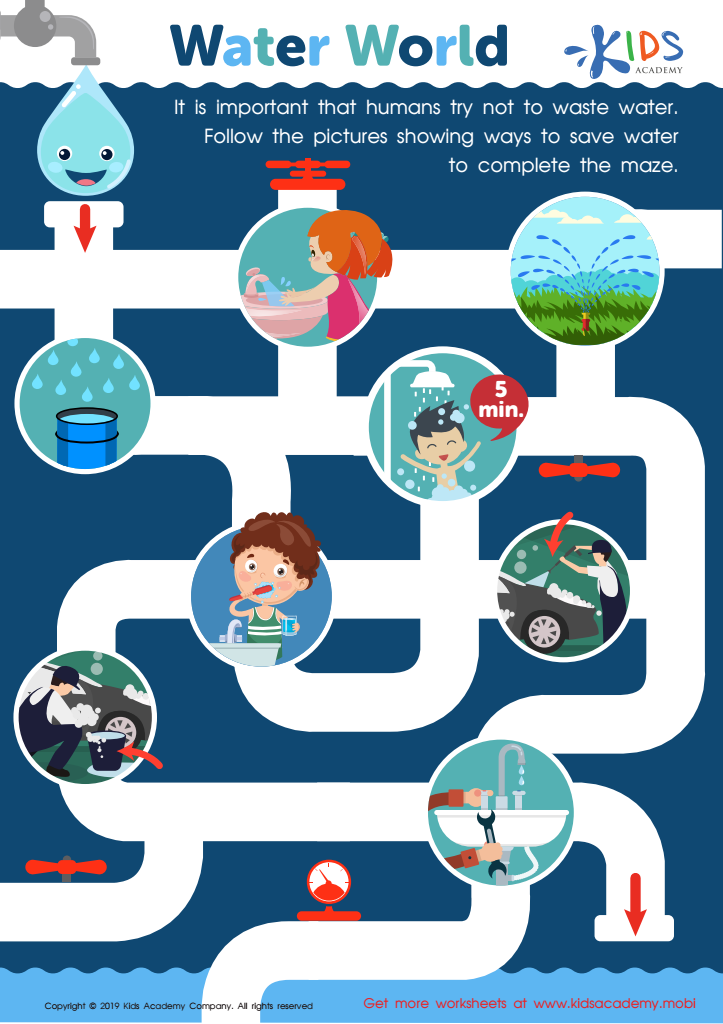
Water World Worksheet




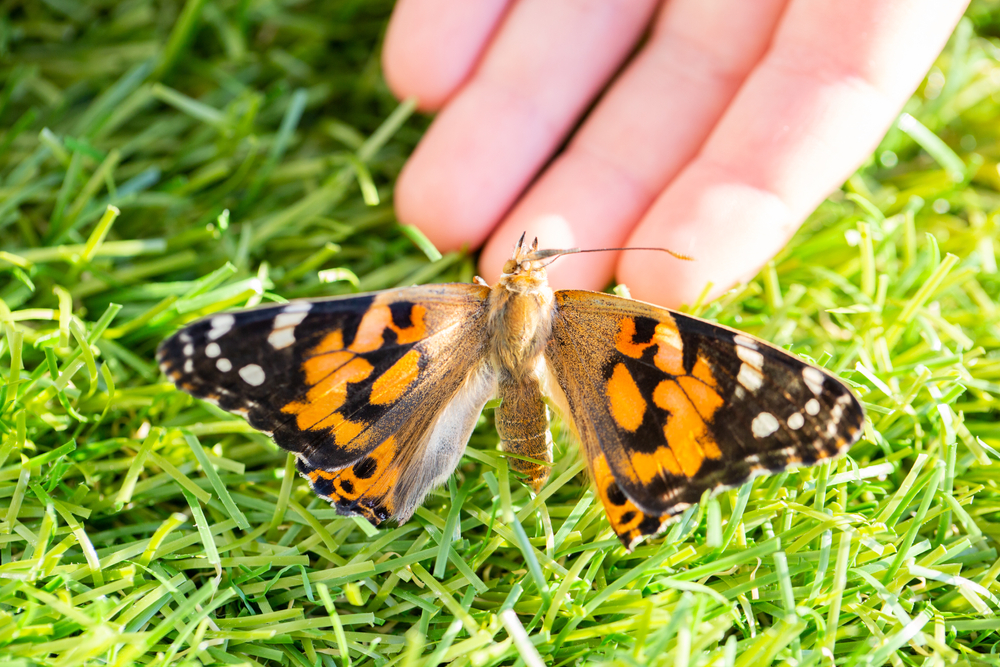



Enhancing observation skills in 4-year-olds through studying normal plants and animals is crucial for several developmental reasons. At this formative age, children are naturally curious and possess an innate desire to explore their environment. By focusing their attention on plants and animals, parents and teachers can nurture this curiosity and transform it into structured learning.
Observation skills help children sharpen their ability to notice details and identify differences and similarities. This foundational cognitive skill not only supports academic learning but also fosters critical thinking and problem-solving abilities. When children observe the growth of a plant or the behavior of an animal, they engage in a form of scientific inquiry.
Additionally, observing nature fosters empathy and a sense of responsibility towards living things. It can promote a stronger connection to nature and a greater appreciation of the environment. This can instill sustainable habits and environmental stewardship from an early age.
Moreover, these activities can enhance vocabulary and descriptive language skills. As young children articulate their observations, they learn new words and concepts, paving the way for effective communication skills.
Ultimately, caring about enhancing observation skills through nature helps develop well-rounded, curious, and environmentally conscious individuals. Incorporating these activities into daily routines can make learning both fun and meaningful.