Fine Motor Skills Normal Writing Worksheets for 4-Year-Olds
5 filtered results
-
From - To
Enhance your child’s fine motor skills with our engaging writing worksheets designed specifically for 4-year-olds. These printable worksheets are creatively crafted to help young learners develop essential hand-eye coordination and dexterity necessary for effective writing. Through fun activities like tracing, letter formation, and simple shape drawing, children will gain confidence and precision in their handwriting. Our worksheets promote an interactive learning experience that combines play with skill-building, making it both enjoyable and educational. Perfect for use at home or in preschool settings, these resources provide a strong foundation for your child's future writing success. Download now and watch your young writer flourish!
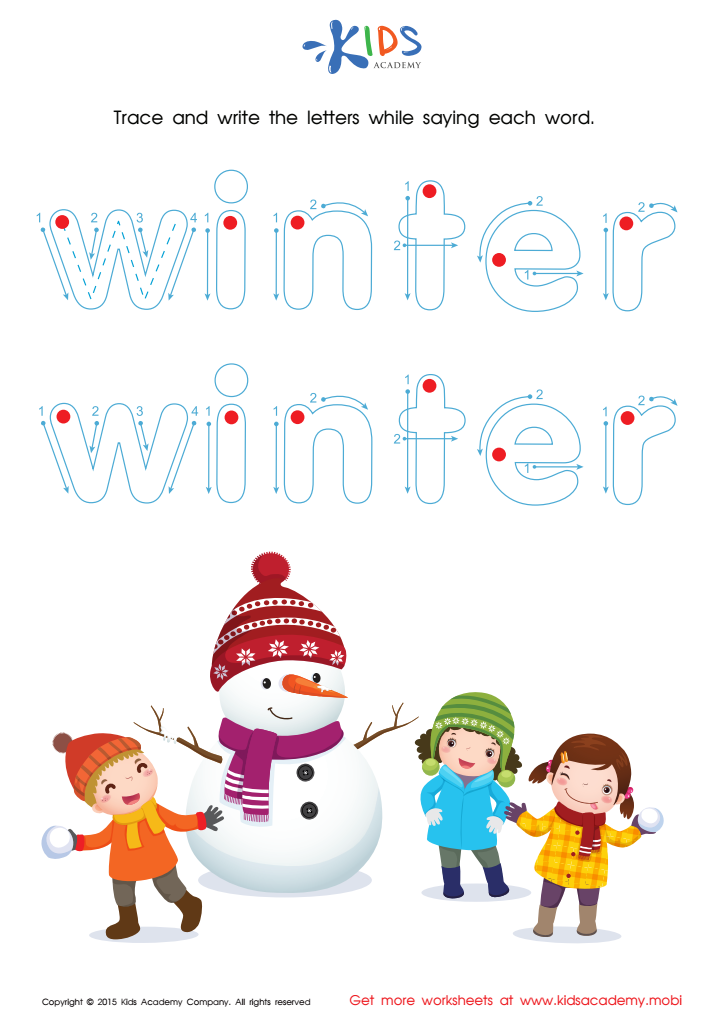
Snowman Tracing Winter Words Worksheet
 Assign to My Students
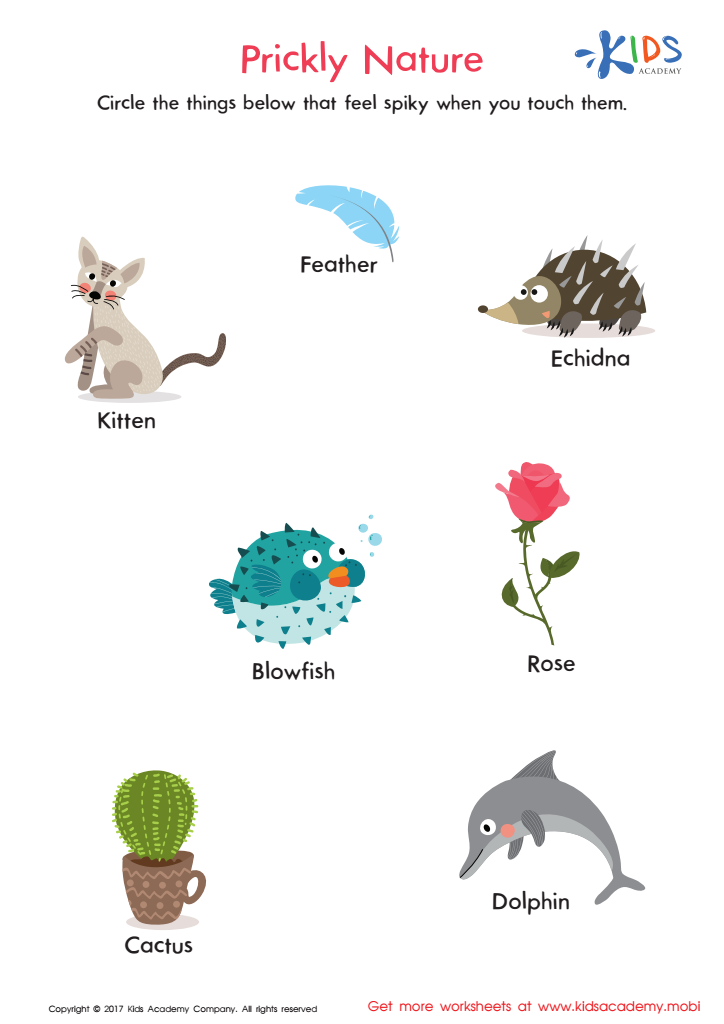
Prickly Nature Worksheet
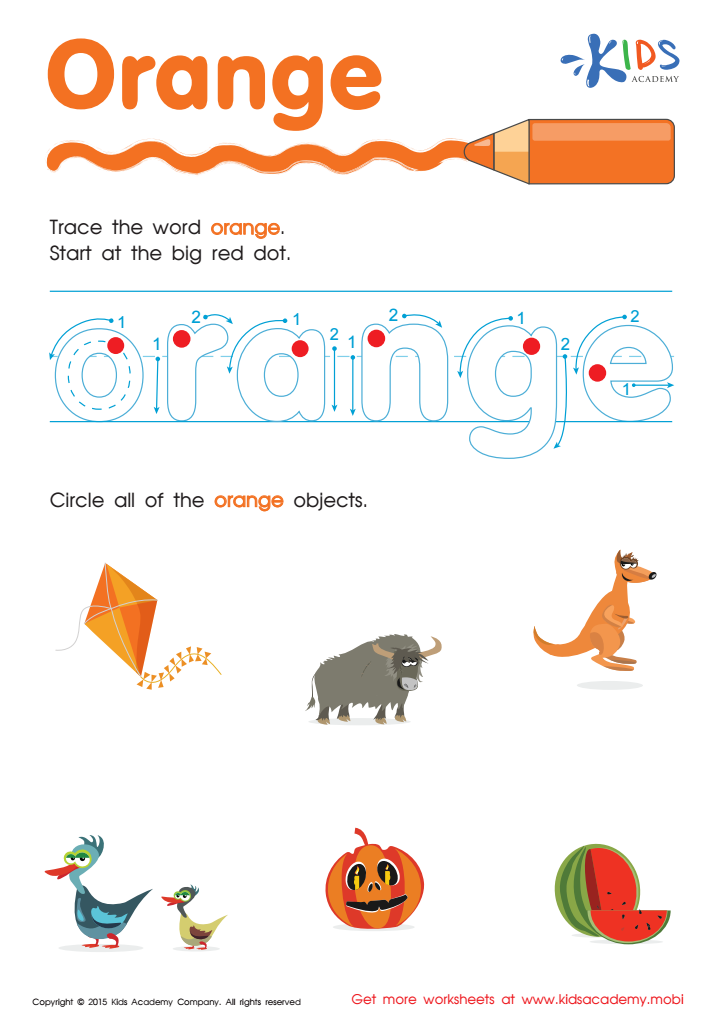
Orange Tracing Color Words Worksheet
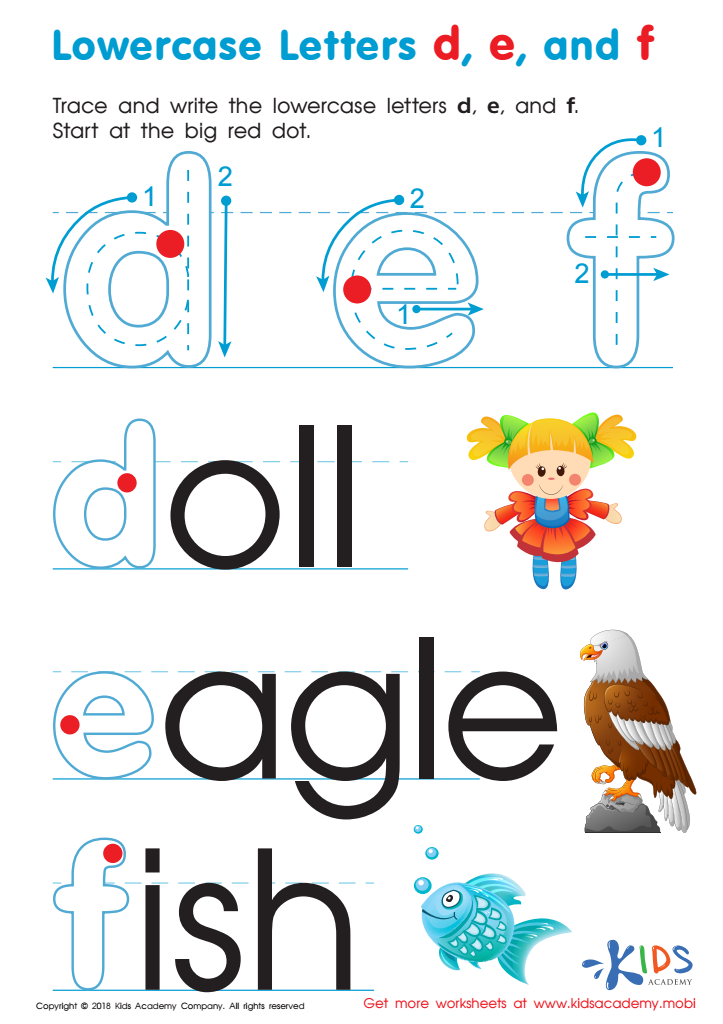
Lowercase Letters d e f Worksheet
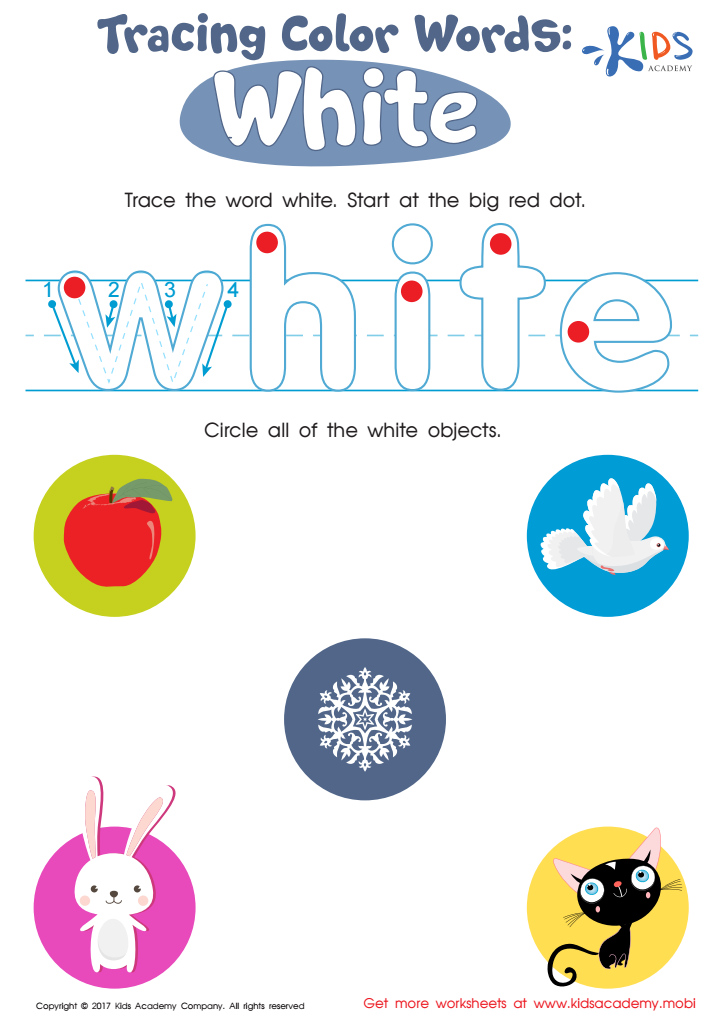
White Tracing Color Words Worksheet








Fine motor skills are essential for a child's overall development, particularly when it comes to writing. For 4-year-olds, normal writing development involves practicing hand control, pencil grip, and coordination. Parents and teachers should care about this stage for several reasons.
Firstly, fine motor skills directly impact academic success. When children can write clearly, they better express their thoughts and ideas, leading to improved communication and learning outcomes. Additionally, proficient fine motor skills lay the groundwork for later tasks such as drawing, typing, and engaging in IT literacy, which are increasingly important in today’s digital world.
Moreover, fine motor development fosters independence and self-confidence. Children who can write their names or complete simple tasks on their own often feel a sense of accomplishment, boosting their self-esteem.
Furthermore, engaging in activities that enhance fine motor skills, such as cutting, coloring, and playing with small objects, promotes cognitive development and creativity. For adults, supporting this growth means encouraging exploration, providing appropriate tools, and integrating play into learning, nurturing a supportive atmosphere.
Overall, recognizing the significance of normal writing and fine motor skills helps ensure children are prepared for future academic challenges and nurtures their confidence and independence.