Hand-eye Coordination Normal ABC Letters Worksheets for Ages 5-6
5 filtered results
-
From - To
Enhance your child's hand-eye coordination with our engaging Normal ABC Letters Worksheets designed for ages 5-6. These printable worksheets combine fun activities with essential early learning skills, helping children grasp the basics of the alphabet while improving their hand-eye coordination. Each worksheet features vibrant graphics and interactive exercises that encourage kids to trace, match, and identify letters, fostering their fine motor skills. Perfect for home or classroom use, these resources make learning enjoyable and effective, setting a strong foundation for future literacy. Download our worksheets today and watch your little ones blossom as they explore the world of letters!
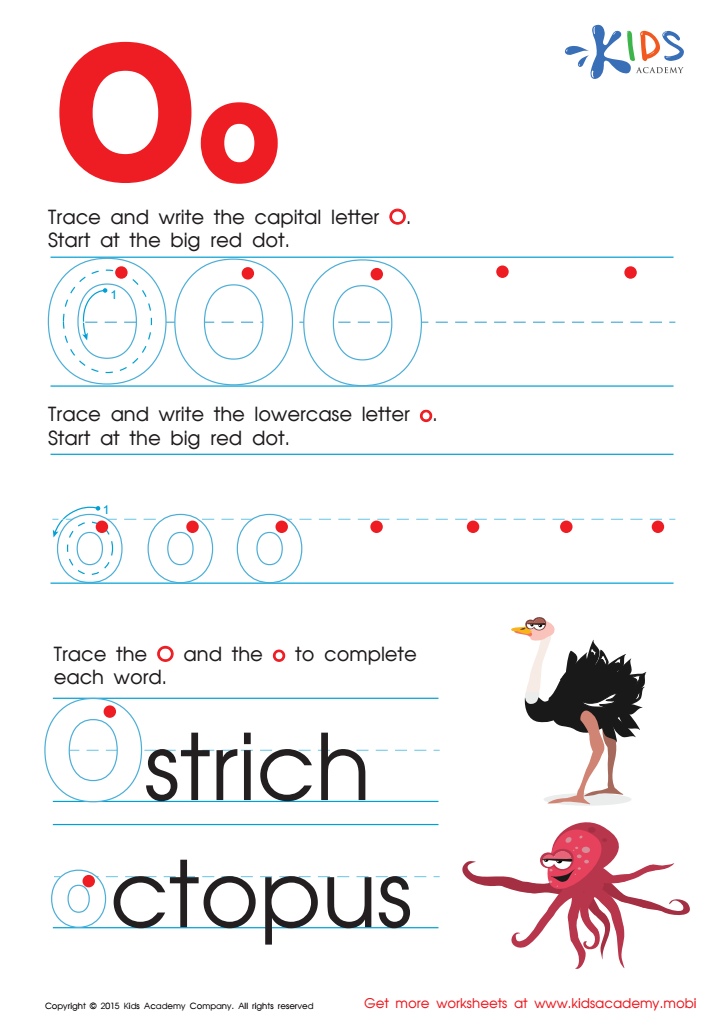
Letter O Tracing Page
 Assign to My Students






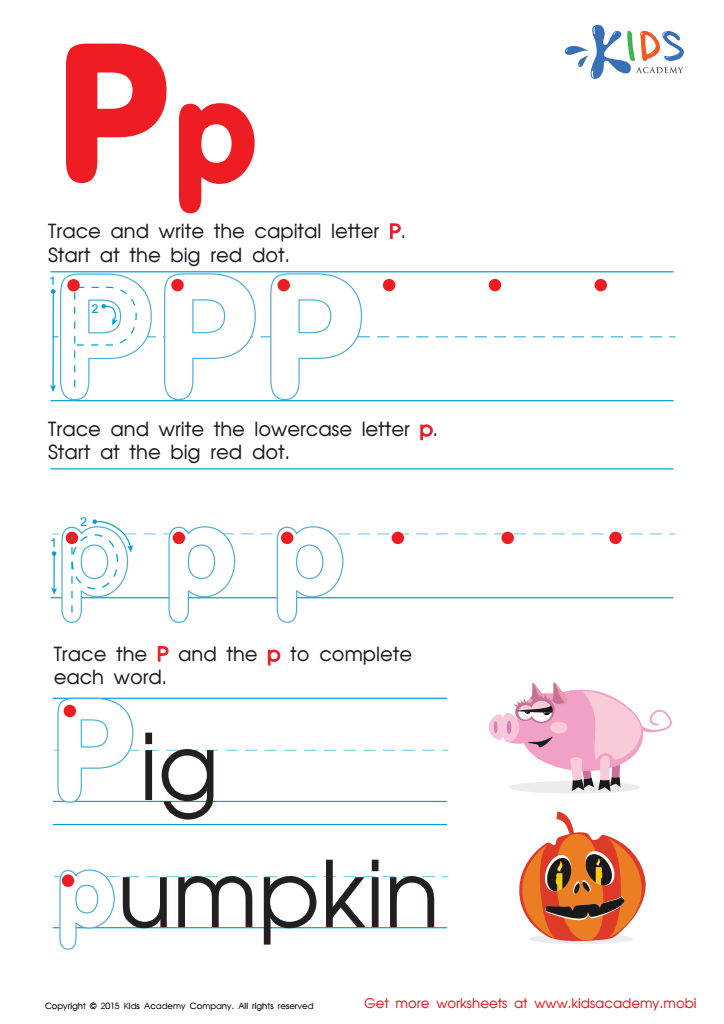
Letter P Tracing Page

Letter H Tracing Page
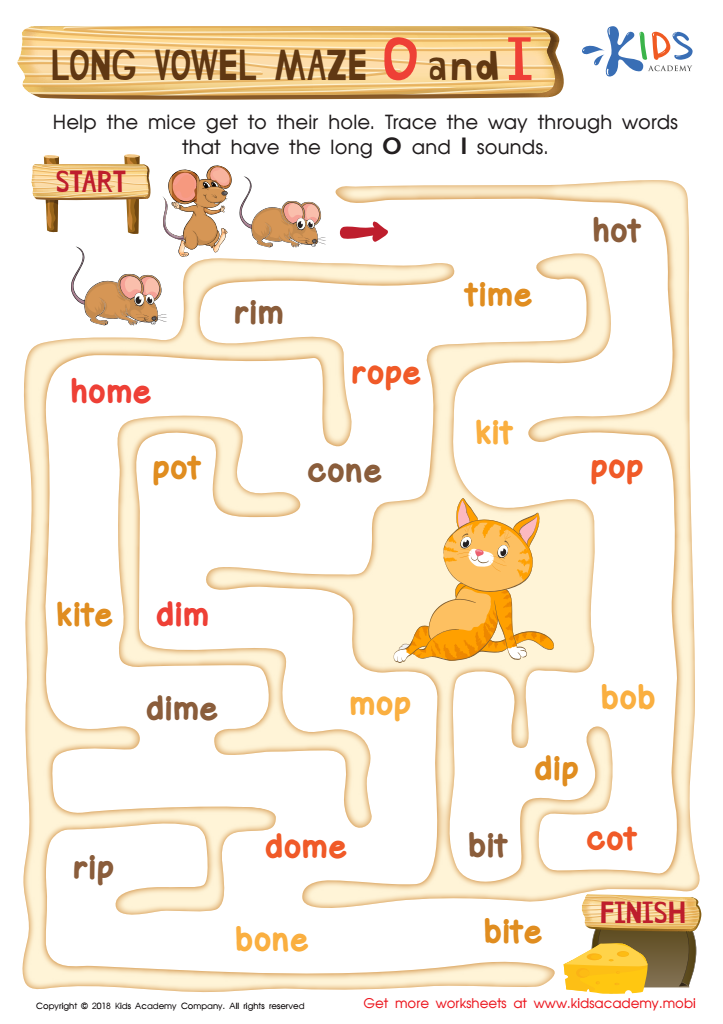
Long Vowel Maze /o/ and /i/ Worksheet

Letter D Tracing Page







Parents and teachers should prioritize hand-eye coordination in children aged 5-6 for several important reasons. At this developmental stage, children are not only building foundational literacy skills but also enhancing their overall cognitive and motor abilities. Effective hand-eye coordination is crucial as it lays the groundwork for writing, drawing, and other essential tasks. Mastery of normal ABC letters involves more than mere recognition; it requires precise control and coordination when forming letters, which contributes to better handwriting skills.
Improving hand-eye coordination fosters confidence and a sense of accomplishment in young learners. As children engage in activities such as tracing letters, pairing, or crafting, they develop fine motor skills that boost their independence and resilience. These skills are critical not only for academic success but also for daily tasks like buttoning clothes or using utensils.
Moreover, enhancing hand-eye coordination through fun, interactive activities can reinforce interest in learning letters and other administrative tasks. When teachers and parents create a supportive environment emphasizing these skills, it encourages a positive association with learning, ensuring children are better prepared for future academic challenges. Thus, cultivating hand-eye coordination is a vital part of early education that supports holistic child development.







