Number Recognition Normal Alphabet Worksheets for Ages 5-6
3 filtered results
-
From - To
Explore our engaging Number Recognition Normal Alphabet Worksheets tailored for children ages 5-6. These printable resources are designed to enhance young learners' understanding of numbers through fun and interactive activities. Each worksheet combines number recognition with alphabet learning, fostering essential skills in early childhood development. Kids will enjoy colorful illustrations while practicing counting, number identification, and letter associations. Perfect for classroom or at-home learning, these worksheets help build confidence in math and literacy. Support your child’s educational journey with these enjoyable and effective resources that cater to their learning needs. Download today and watch your little ones thrive!
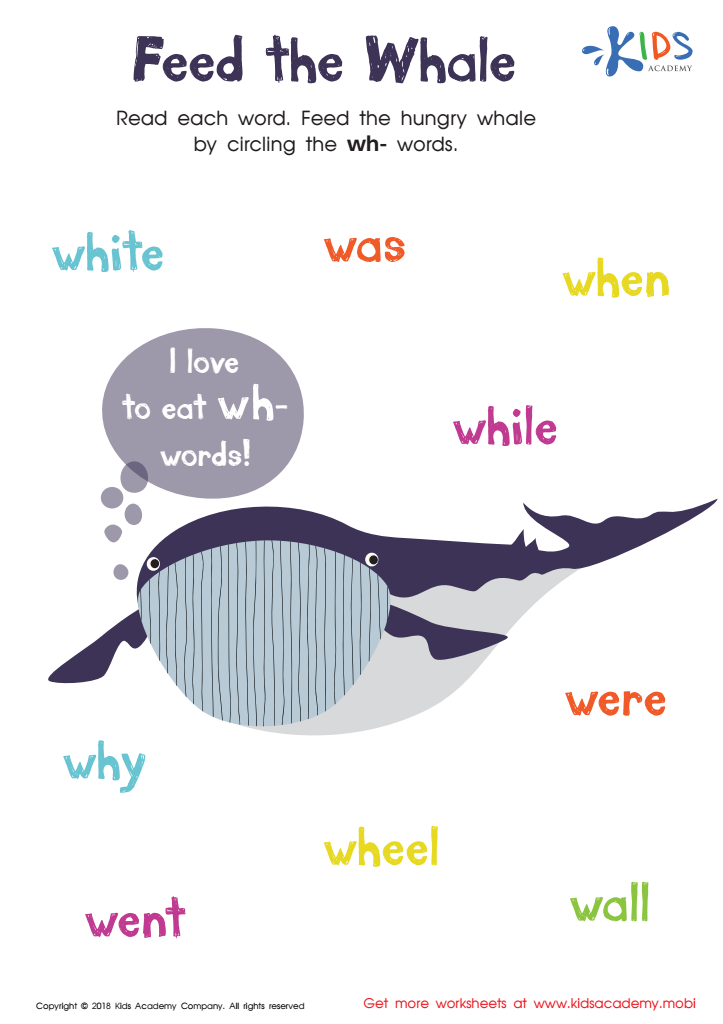
Feed the Whale Worksheet
 Assign to My Students
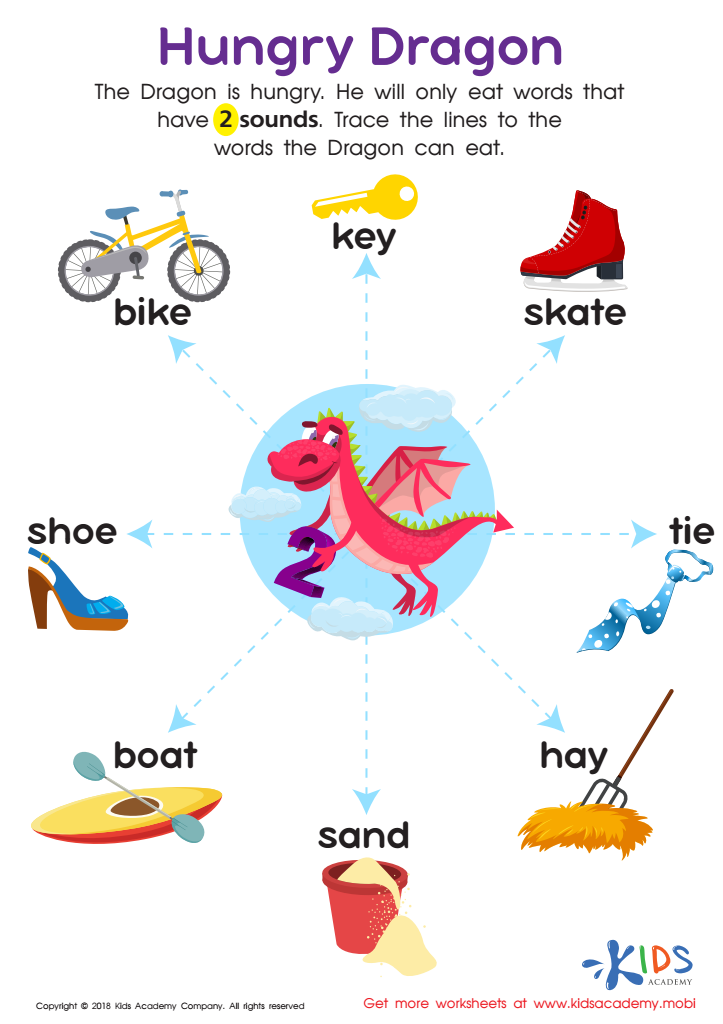
Hungry Dragon Worksheet
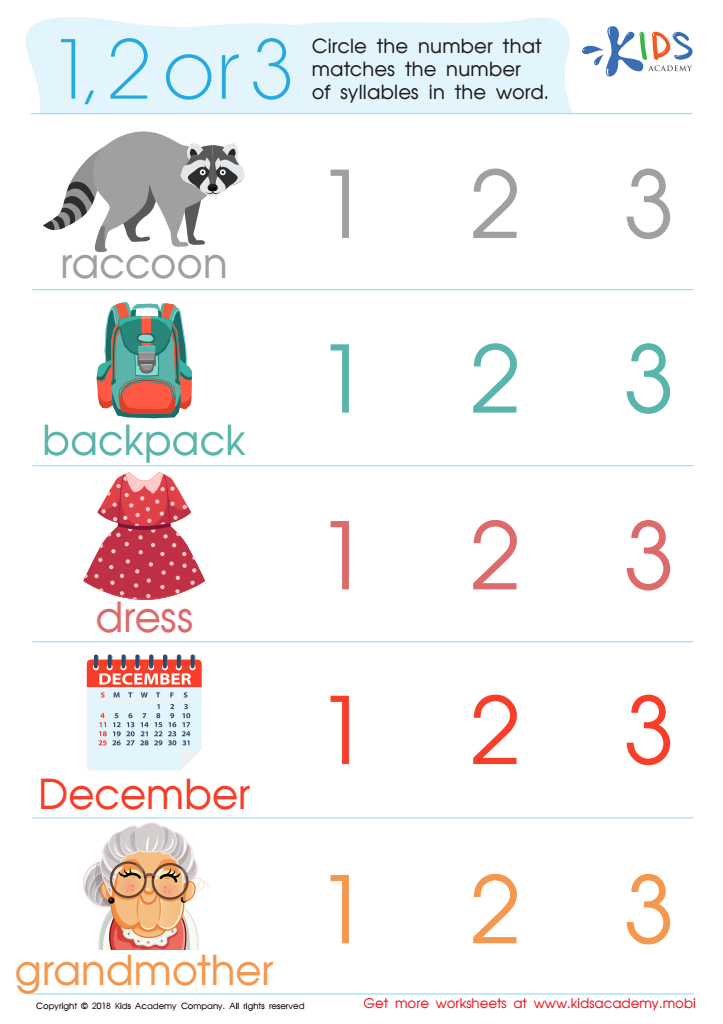
1, 2 or 3? Worksheet








Number recognition and the normal alphabet are fundamental skills that serve as the building blocks for a child's education, especially for ages 5-6. At this developmental stage, children are like sponges, eager to absorb new information. Recognizing letters and numbers helps them understand various aspects of daily life and learning, such as reading, writing, counting, and even social interaction.
Parents and teachers play a crucial role in nurturing these skills. Number recognition allows children to grasp numerical concepts, aiding in their ability to perform basic arithmetic and understand quantities, which are vital in real-life situations. Meanwhile, recognizing letters fosters early literacy, necessary for reading comprehension and effective communication later on.
Furthermore, mastering these concepts enhances children's confidence and enthusiasm for learning. When they can identify letters and numbers, they feel accomplished, which motivates them to engage further with educational activities. It lays the groundwork for more complex skills they'll encounter in higher grades.
Involving parents in the process, through simple games or everyday activities that incorporate numbers and letters, can create a supportive learning environment. Ultimately, investing time and effort into these early skills ensures a brighter academic future for children, equipping them with the necessary tools to succeed.







