Problem-Solving Skills Normal Alphabet Worksheets for Ages 5-6
6 filtered results
-
From - To
Unlock your child's potential with our Problem-Solving Skills Normal Alphabet Worksheets, designed specifically for ages 5-6. These engaging worksheets seamlessly blend alphabet learning with critical problem-solving exercises, creating a fun and educational experience. Tailored to boost cognitive development, they help young learners recognize letters, improve hand-eye coordination, and hone their problem-solving capabilities. Perfect for both home and classroom use, our worksheets encourage independent learning through hands-on activities and thought-provoking challenges. Equip your child with foundational skills vital for academic success and lifelong learning. Download now and watch them thrive!
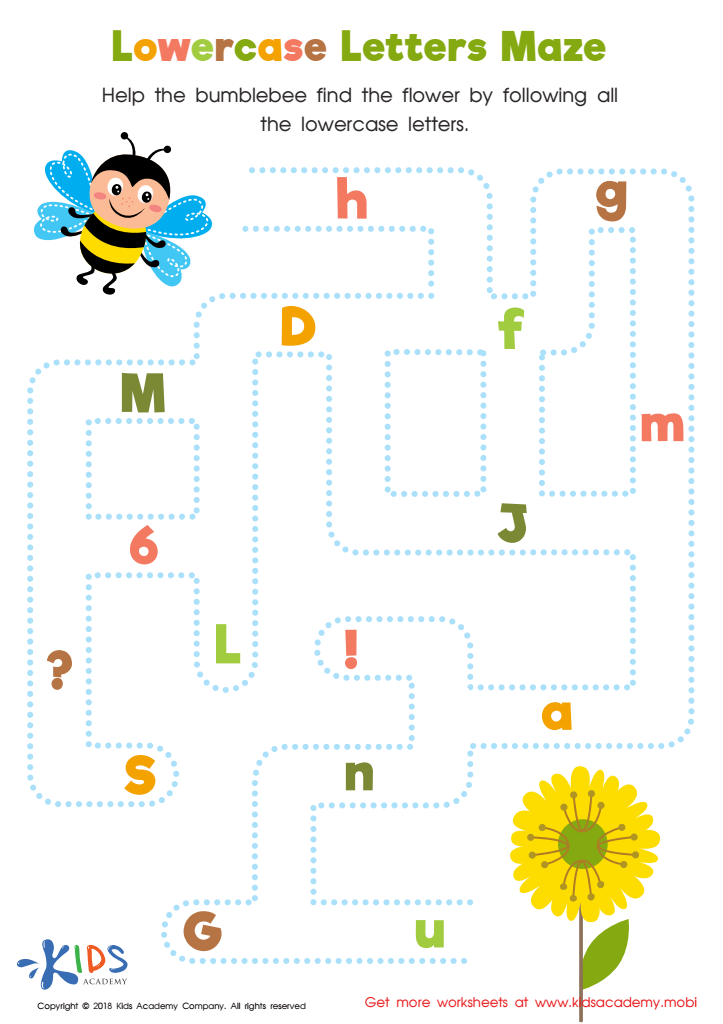
Lowercase Letters Maze Worksheet
 Assign to My Students
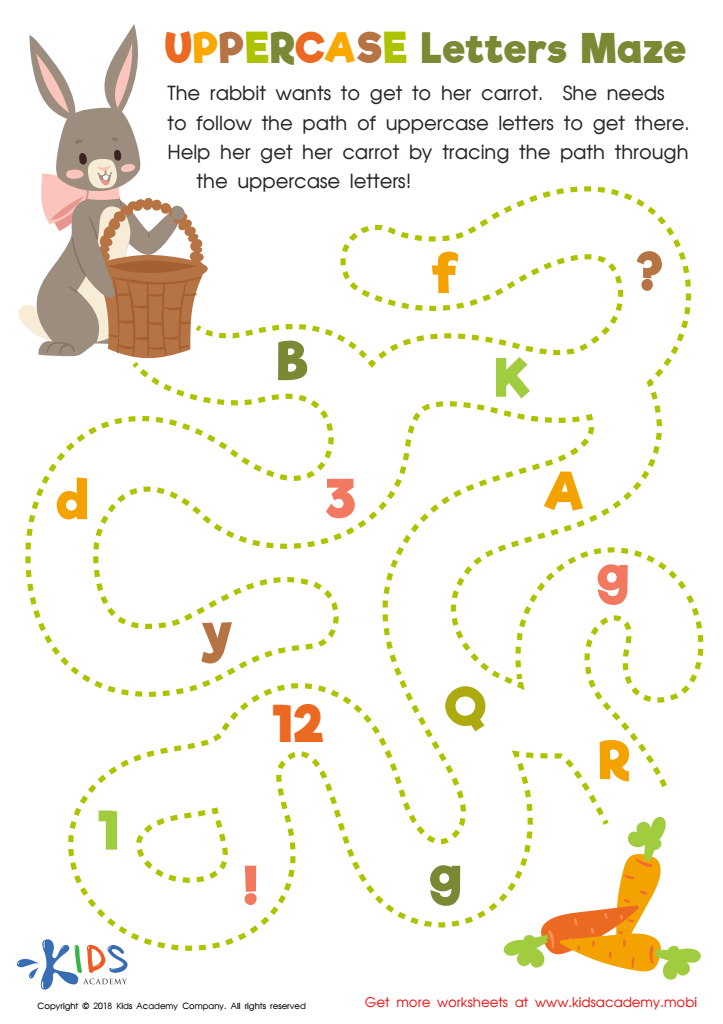
Uppercase Letters Maze Worksheet
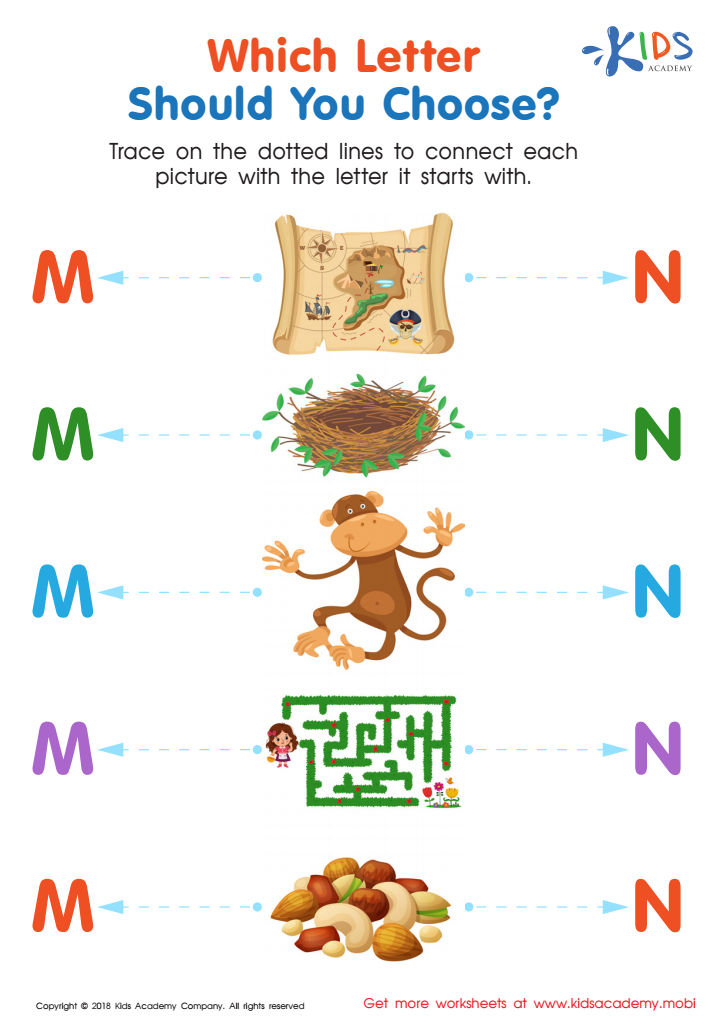
Which Letter Should you Choose? Worksheet
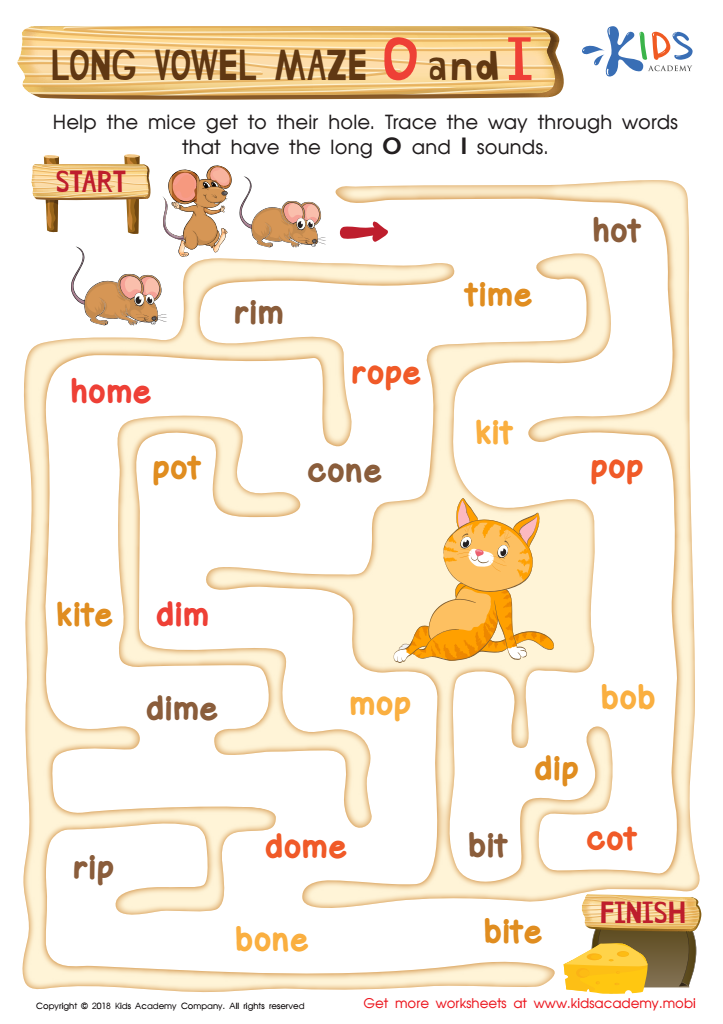
Long Vowel Maze /o/ and /i/ Worksheet
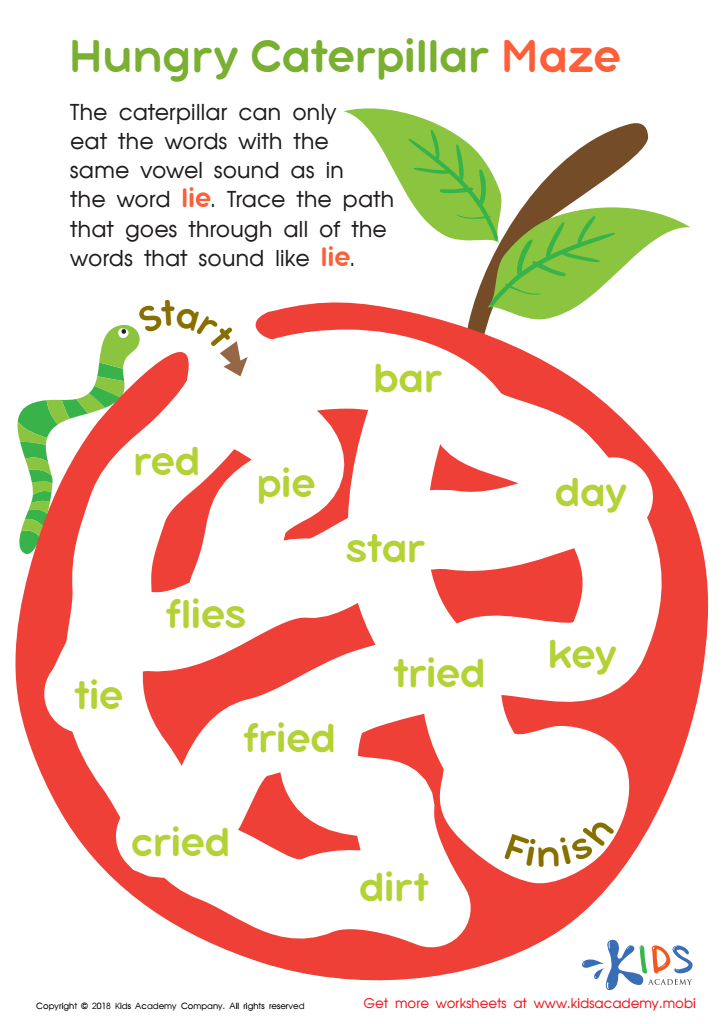
Hungry Caterpillar Maze Worksheet
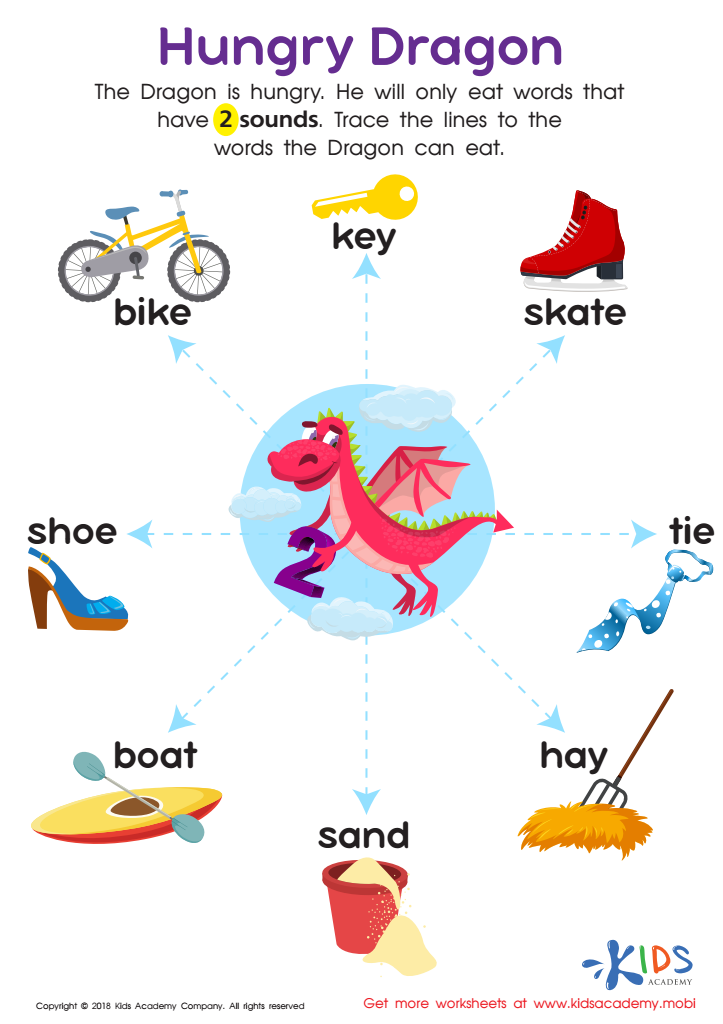
Hungry Dragon Worksheet








Problem-solving skills are crucial for young children aged 5-6 as they lay the foundation for future learning and personal development. At this early age, children's brains are highly plastic, meaning they can adapt and learn new skills rapidly. Developing problem-solving skills helps them become independent thinkers, enhances their ability to reason, and fosters resilience in the face of challenges.
Parents and teachers should care about nurturing these skills using normal day-to-day activities because it helps children recognize patterns, develop logical thinking, and improve their ability to make decisions based on reasoning rather than impulse. For example, when kids solve puzzles or figure out how to share toys fairly, they are practicing important cognitive processes.
Additionally, problem-solving encourages creativity by pushing children to think outside the box and develop multiple solutions to a single problem. This flexibility in thinking is an asset in both academic and social settings. For instance, a child who can successfully navigate a disagreement with a peer demonstrates heightened emotional intelligence and conflict resolution skills.
Furthermore, fostering these skills at an early stage sets a solid academic foundation. Children who are adept at problem-solving tend to perform better in subjects like math and science, where critical thinking and logic are essential. Parents and teachers, therefore, play a pivotal role in guiding children through these formative years, shaping them into capable and confident individuals.







