Alphabet Recognition Normal Letter Recognition Worksheets for Ages 5-6
30 filtered results
-
From - To
Discover our engaging Alphabet Recognition worksheets designed specifically for children ages 5-6. These printable resources help young learners identify and differentiate between normal letters, fostering essential reading skills. Each worksheet features fun activities that encourage recognition of upper and lower-case letters through playful exercises, enhancing both engagement and learning. Ideal for parents and educators, these worksheets promote independent learning and reinforce foundational literacy. With colorful illustrations and interactive tasks, kids will enjoy mastering the alphabet while building confidence in their reading abilities. Explore our Alphabet Recognition worksheets today and watch your little ones thrive in their journey towards literacy!
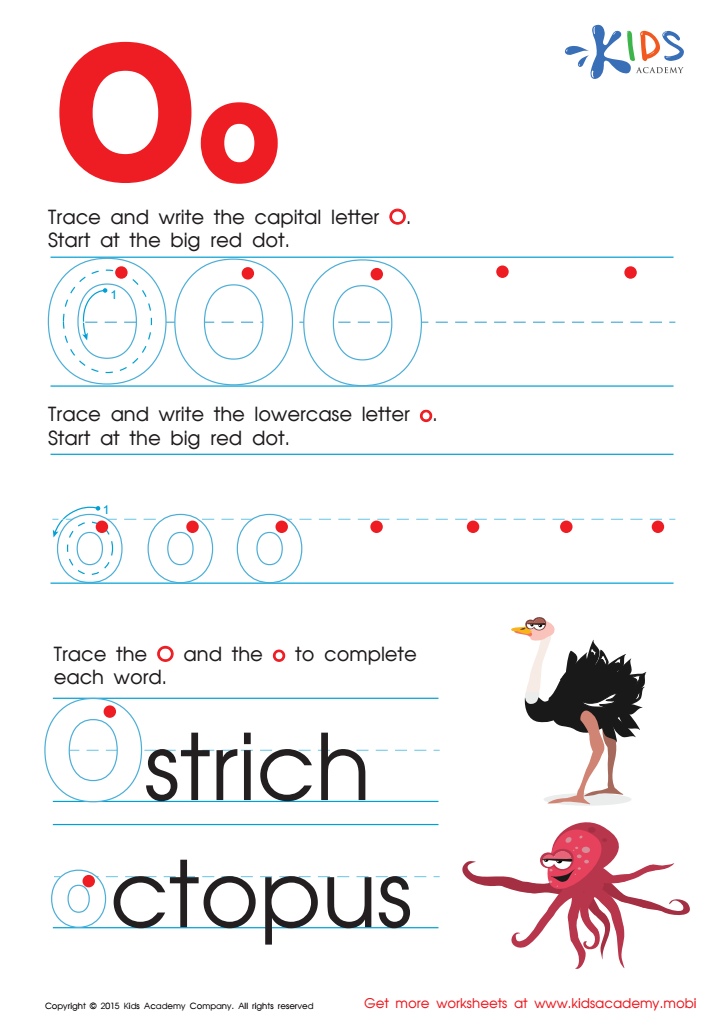
Letter O Tracing Page
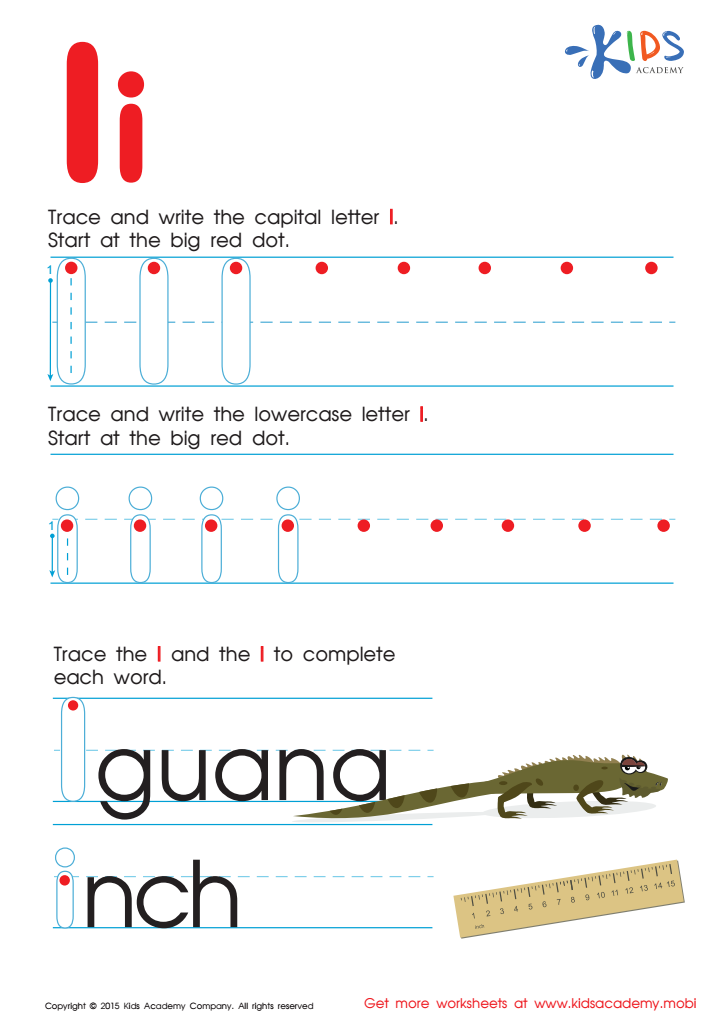
Letter I Tracing Page
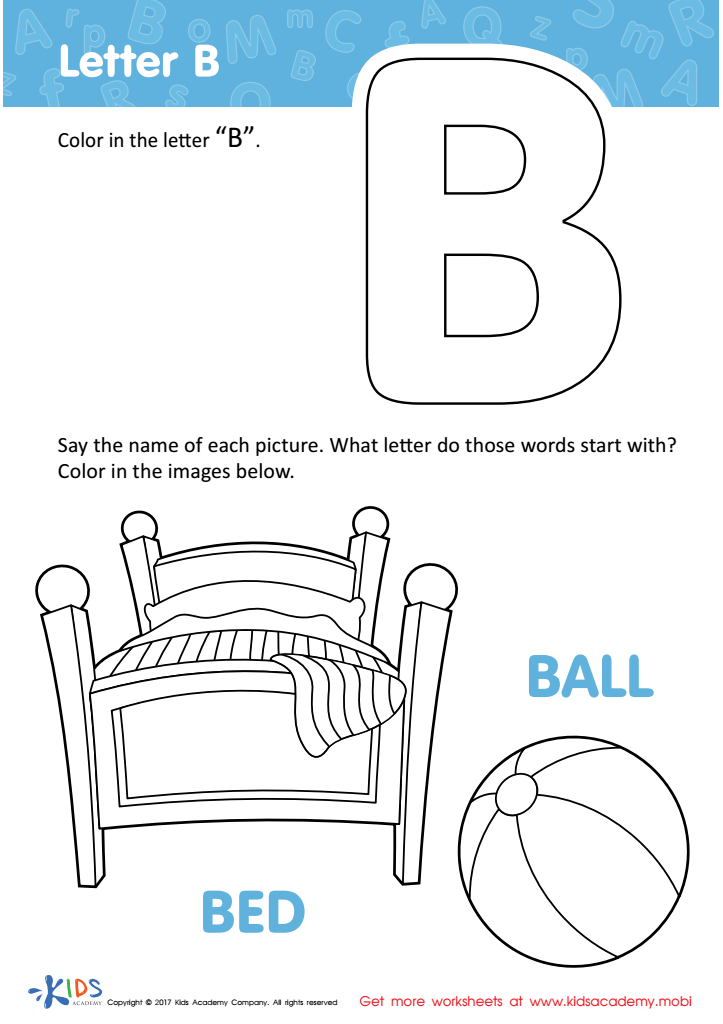
Letter B Coloring Sheet
 Assign to My Students
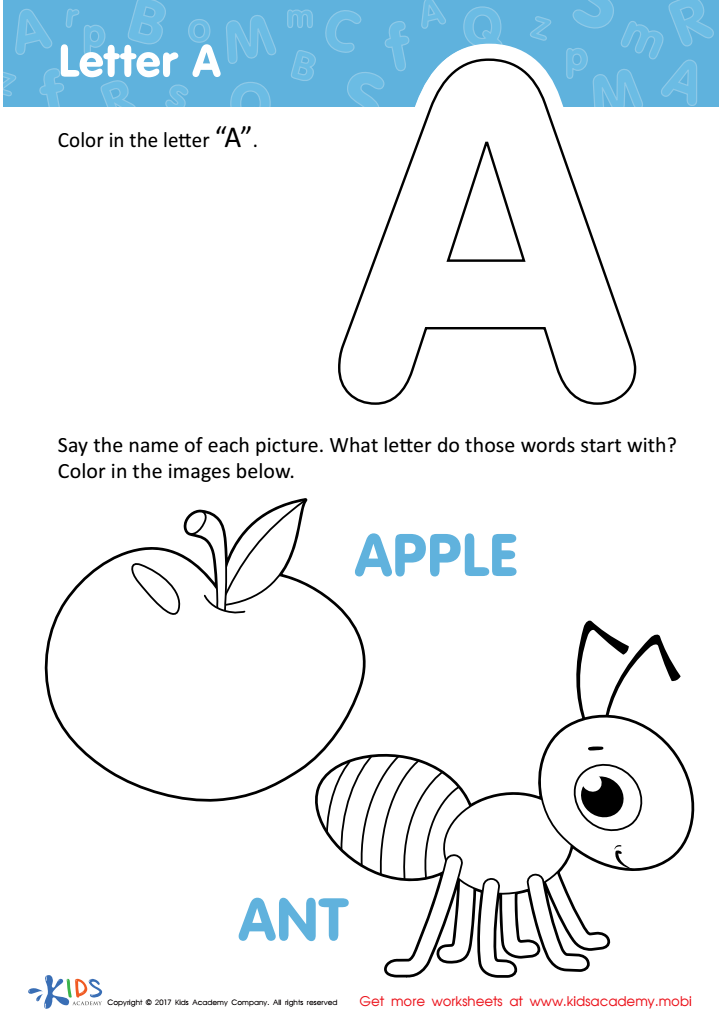
Letter A Coloring Sheet
Assign to My Students
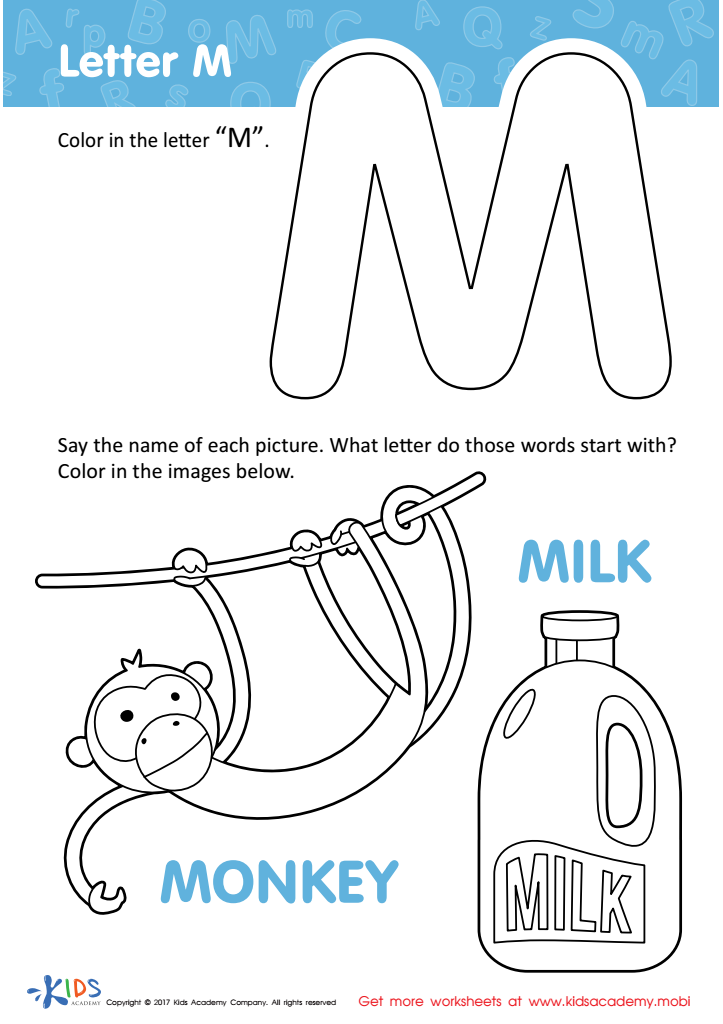
Letter M Coloring Sheet
Assign to My Students
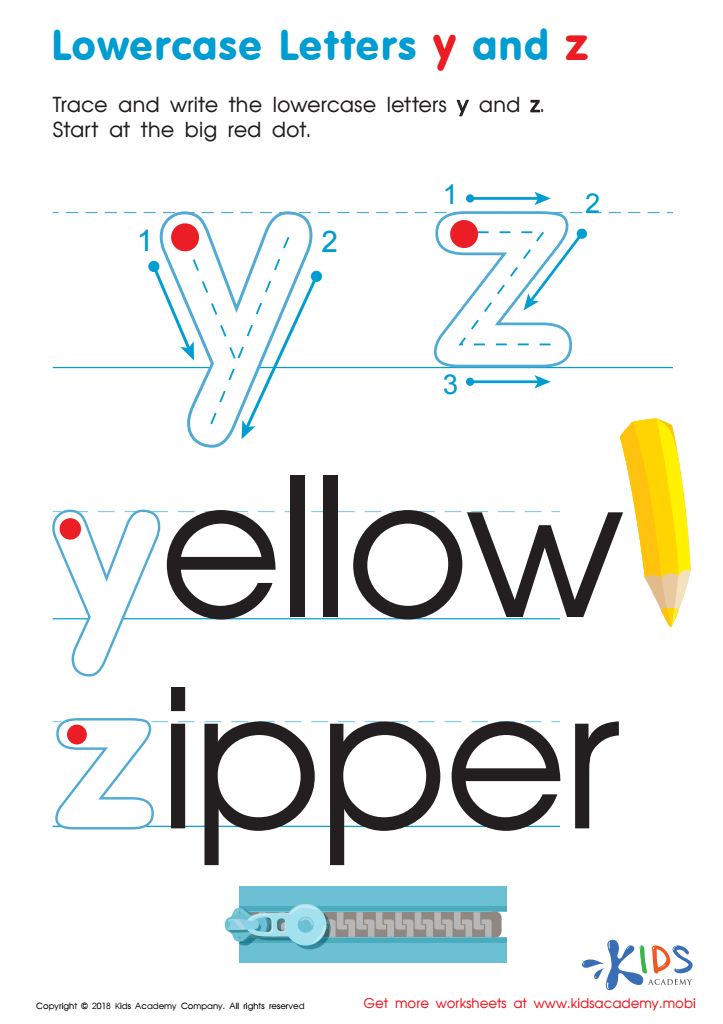
Lowercase Letters y z Worksheet
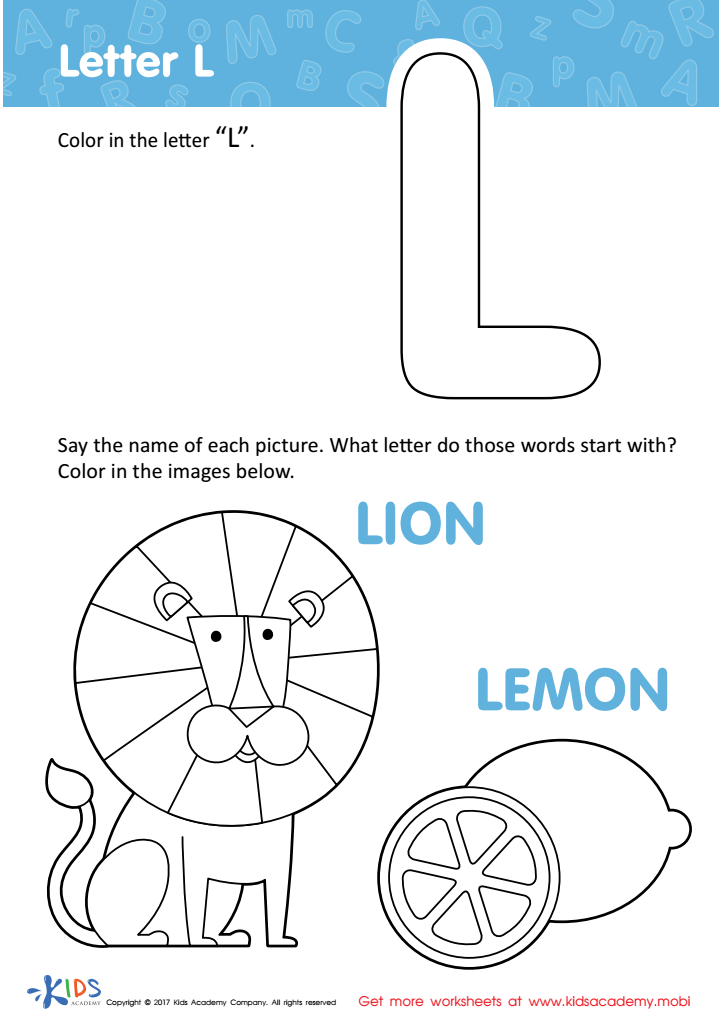
Letter L Coloring Sheet
Assign to My Students
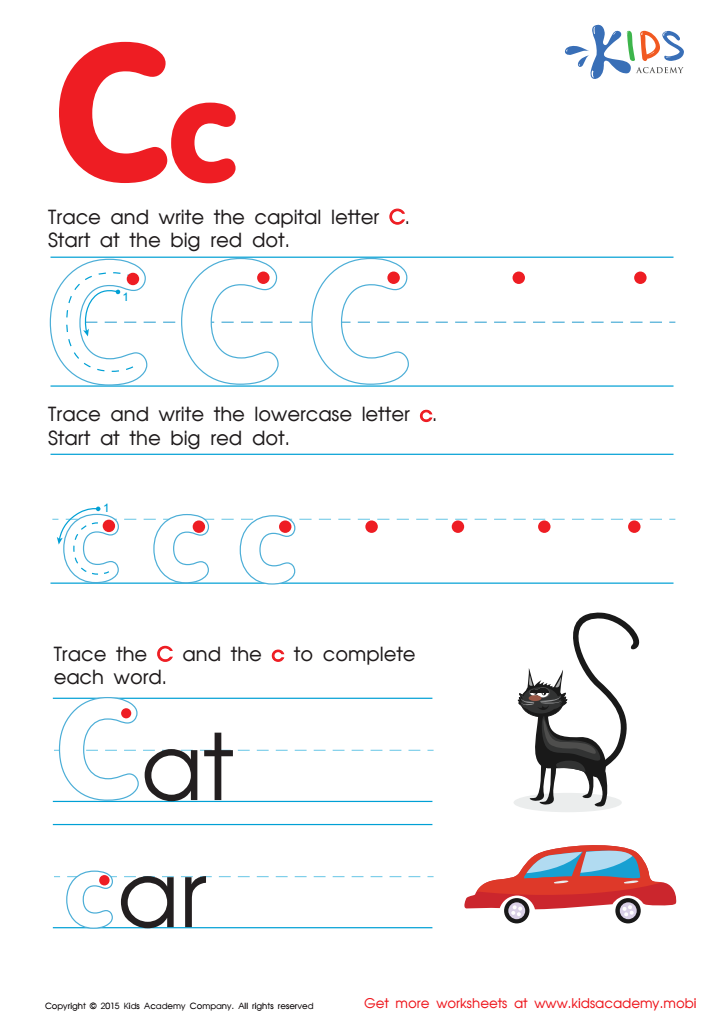
Letter C Tracing Page
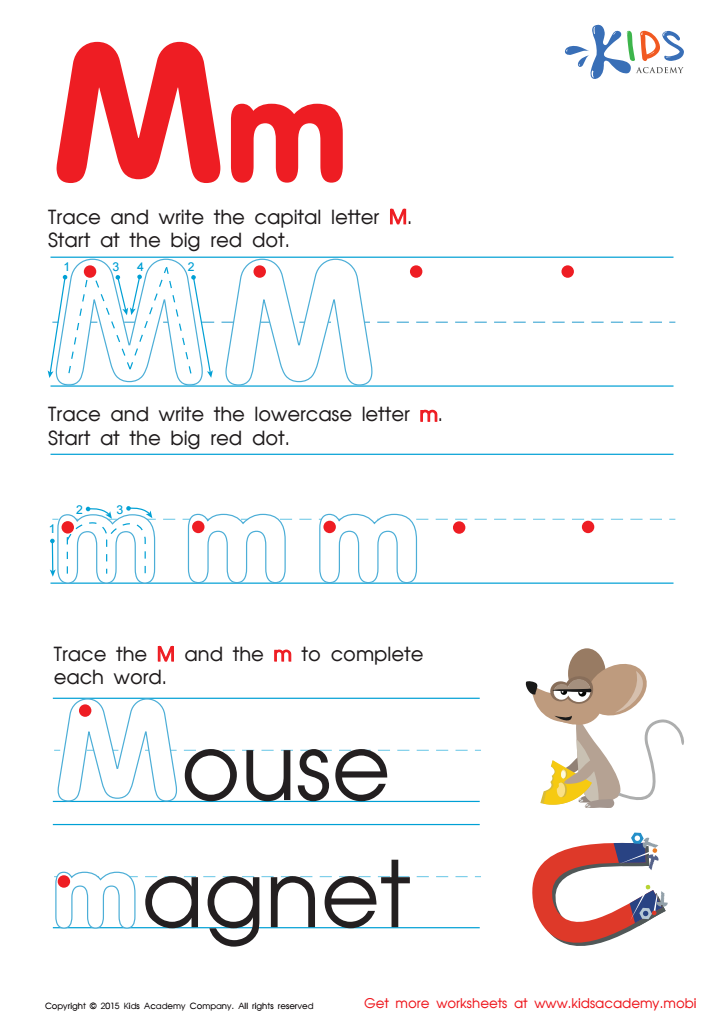
Letter M Tracing Page
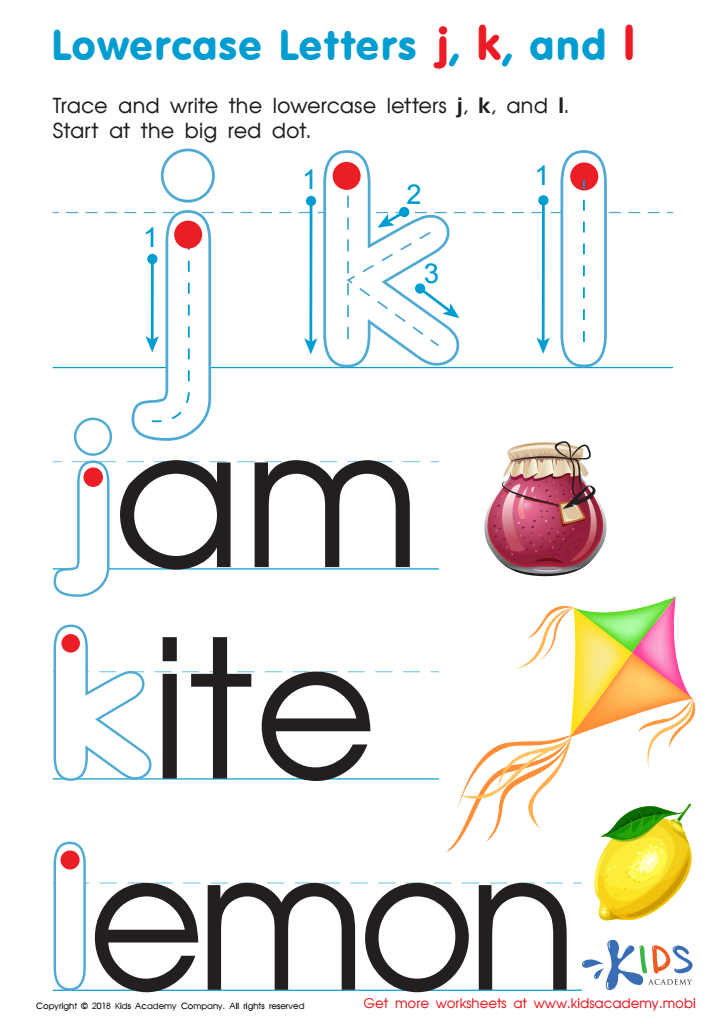
Lowercase Letters j k l Worksheet
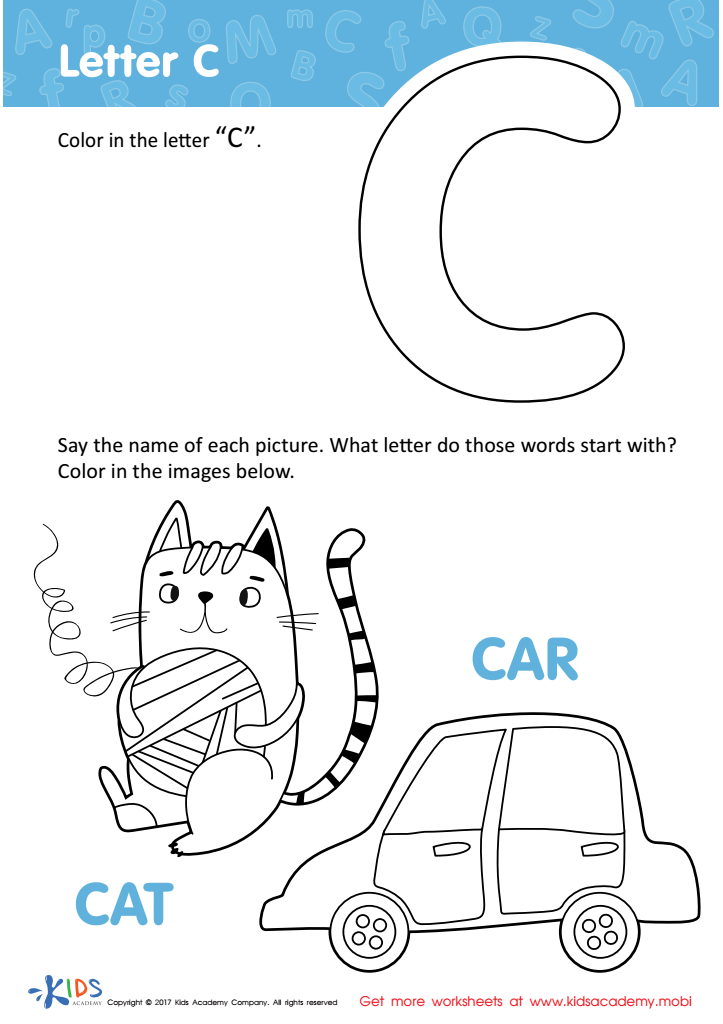
Letter C Coloring Sheet
Assign to My Students
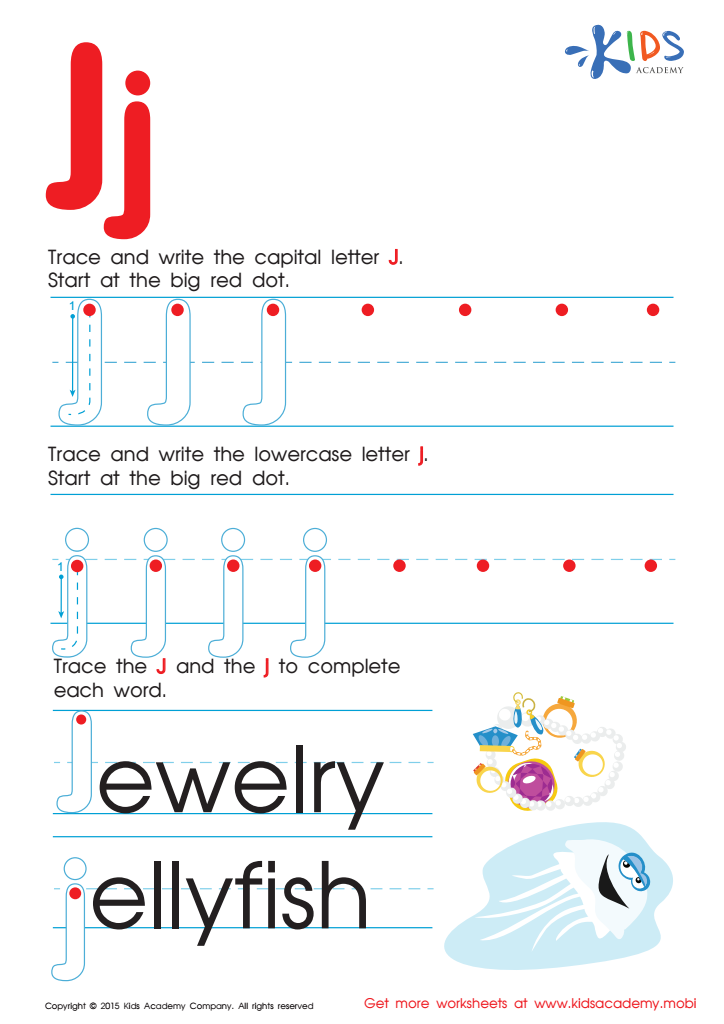
Letter J Tracing Page
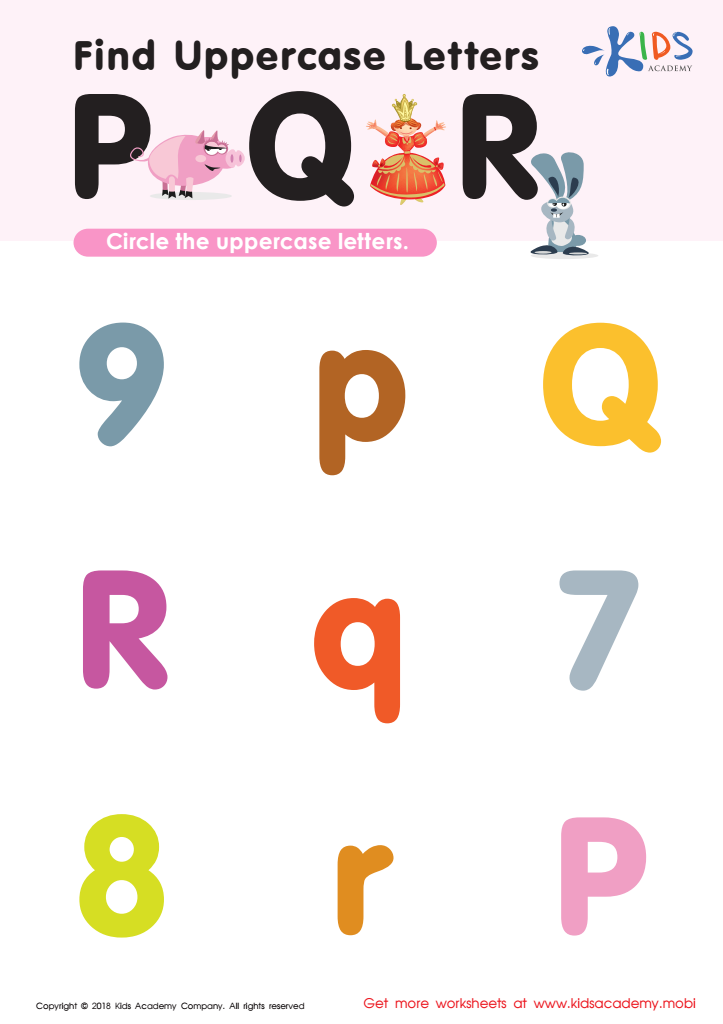
Find Uppercase Letters P, Q, and R Worksheet
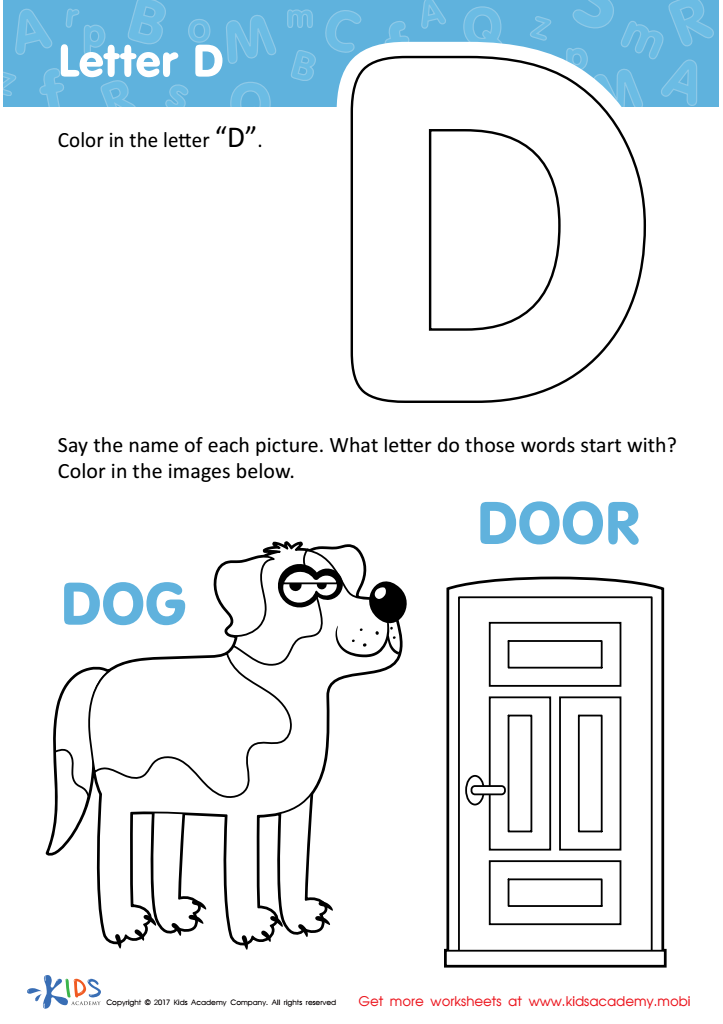
Letter D Coloring Sheet
Assign to My Students
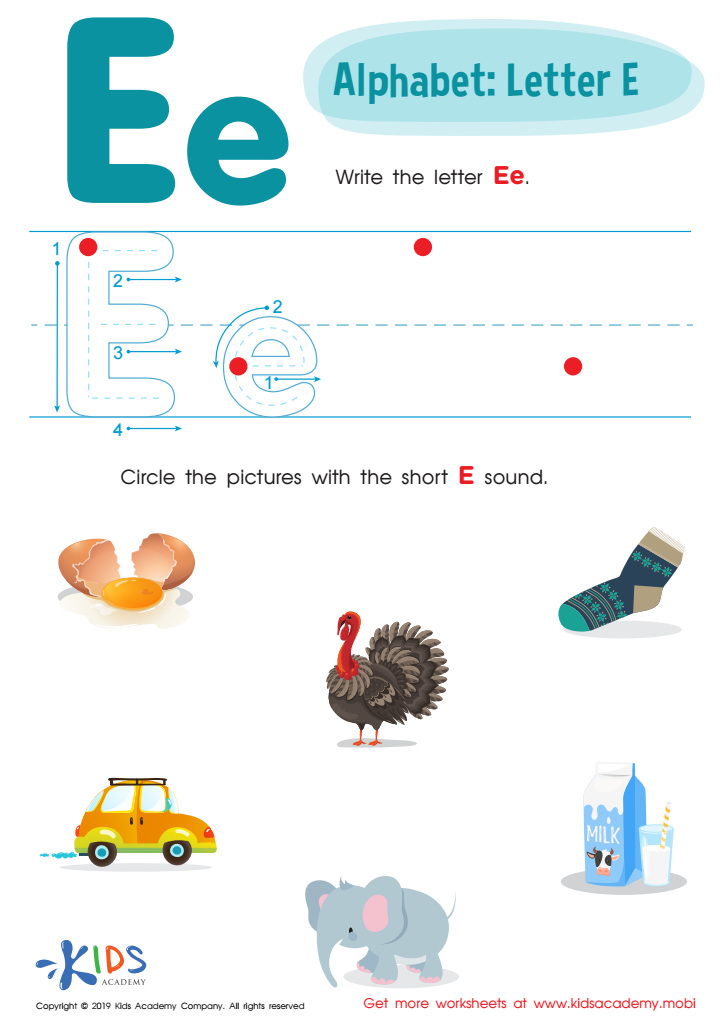
Letter E Tracing Worksheet
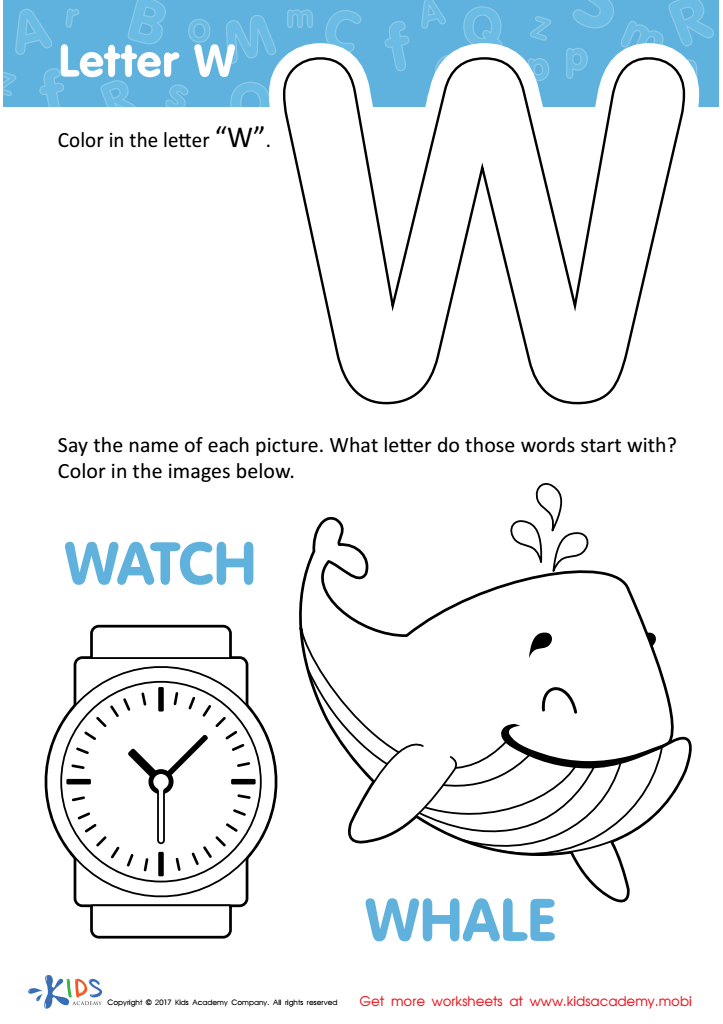
Letter W Coloring Sheet
Assign to My Students
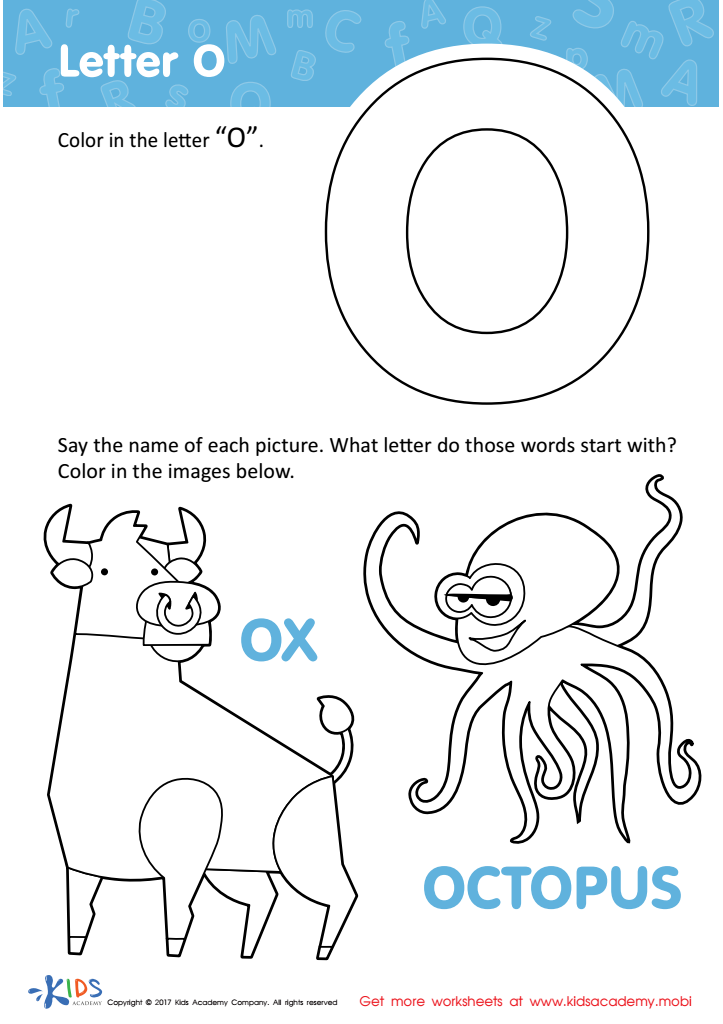
Letter O Coloring Sheet
Assign to My Students
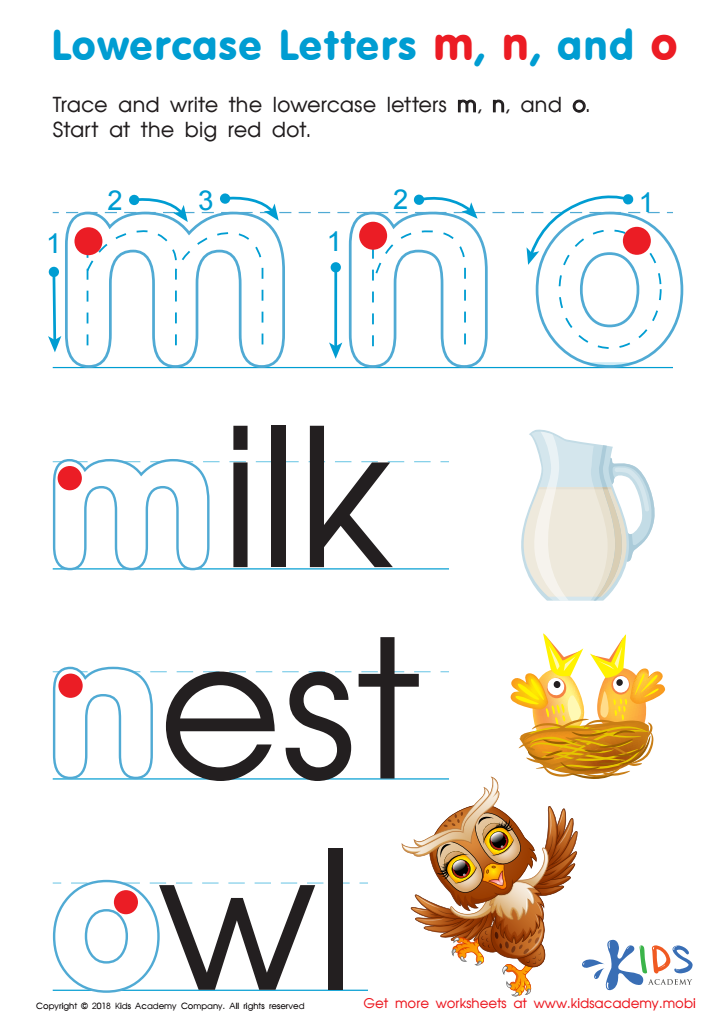
Lowercase Letters m n o Worksheet
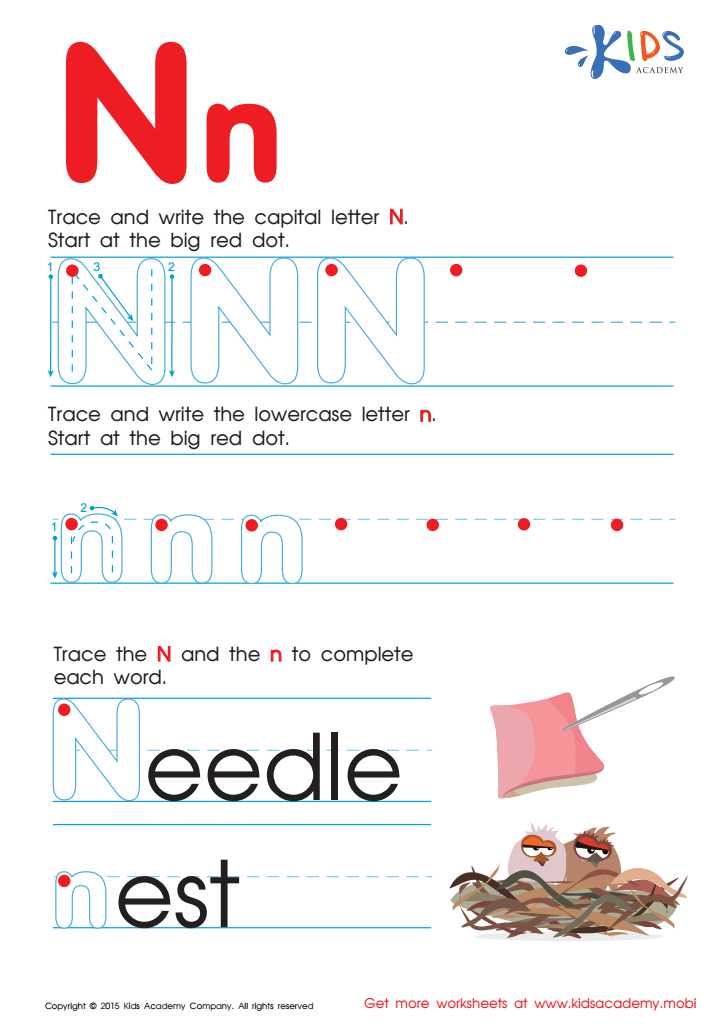
Letter N Tracing Page
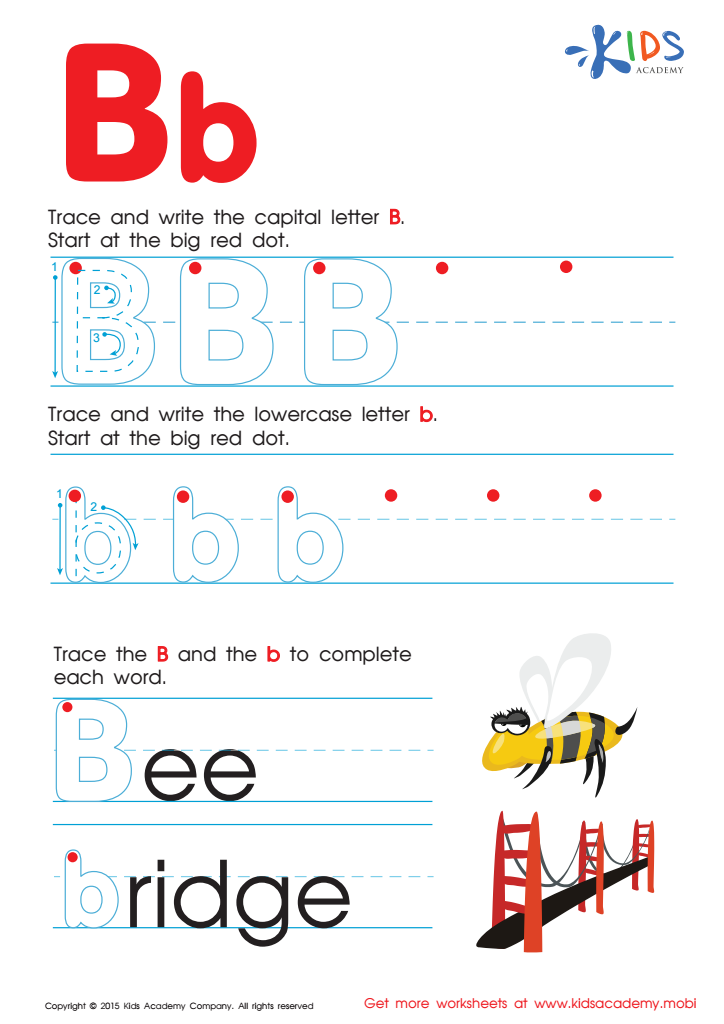
Letter B Tracing Page
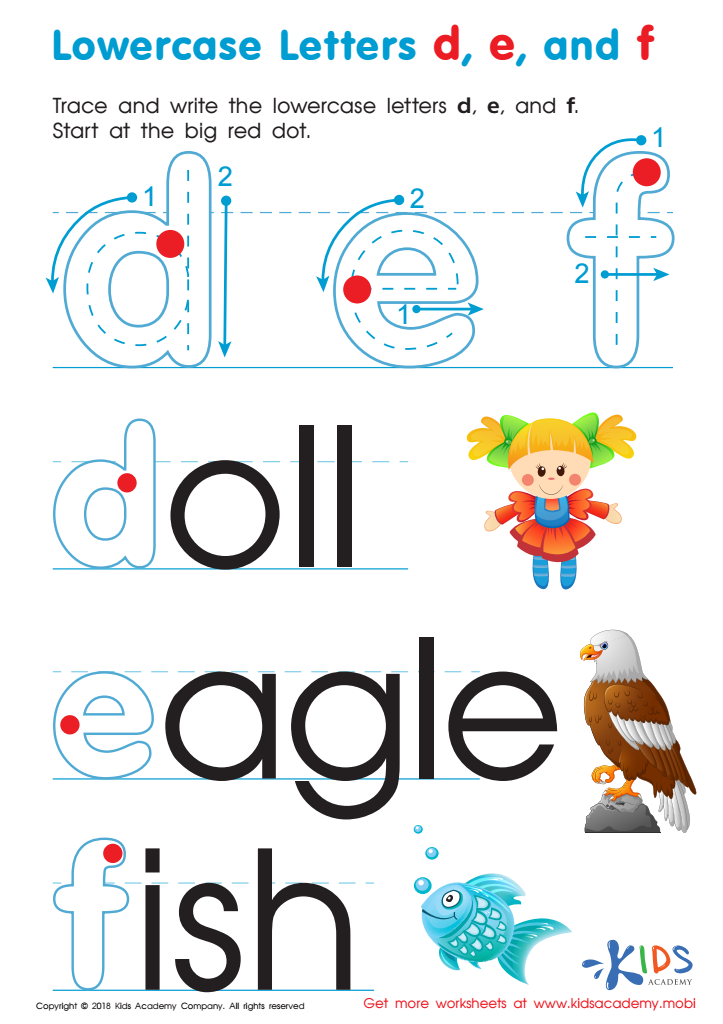
Lowercase Letters d e f Worksheet
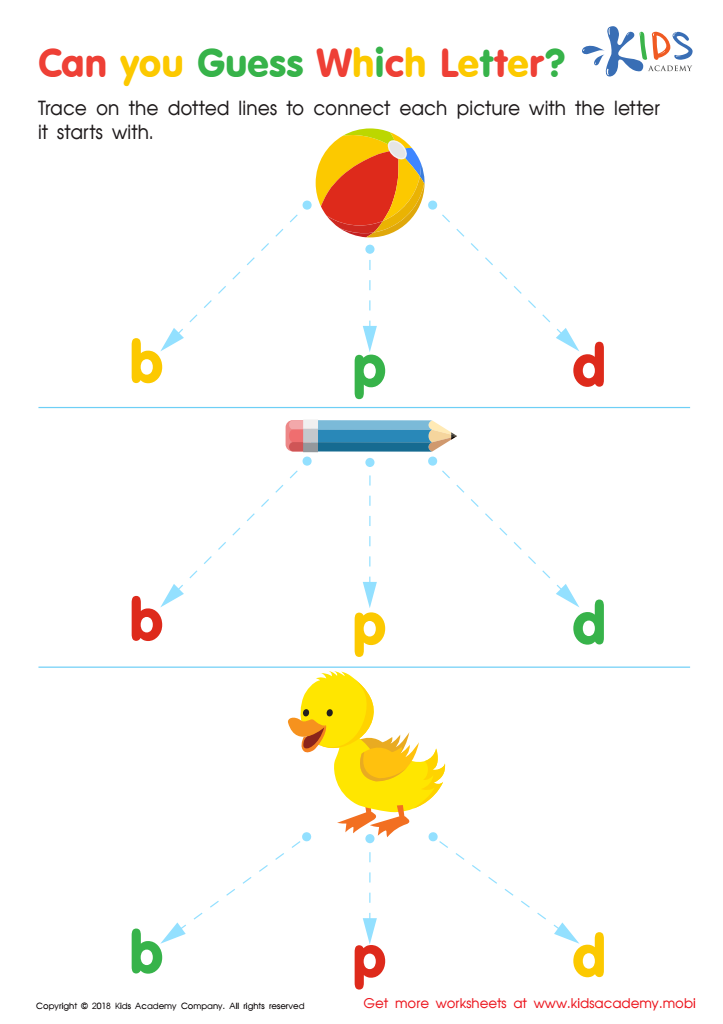
Can you Guess Which Letter? Worksheet
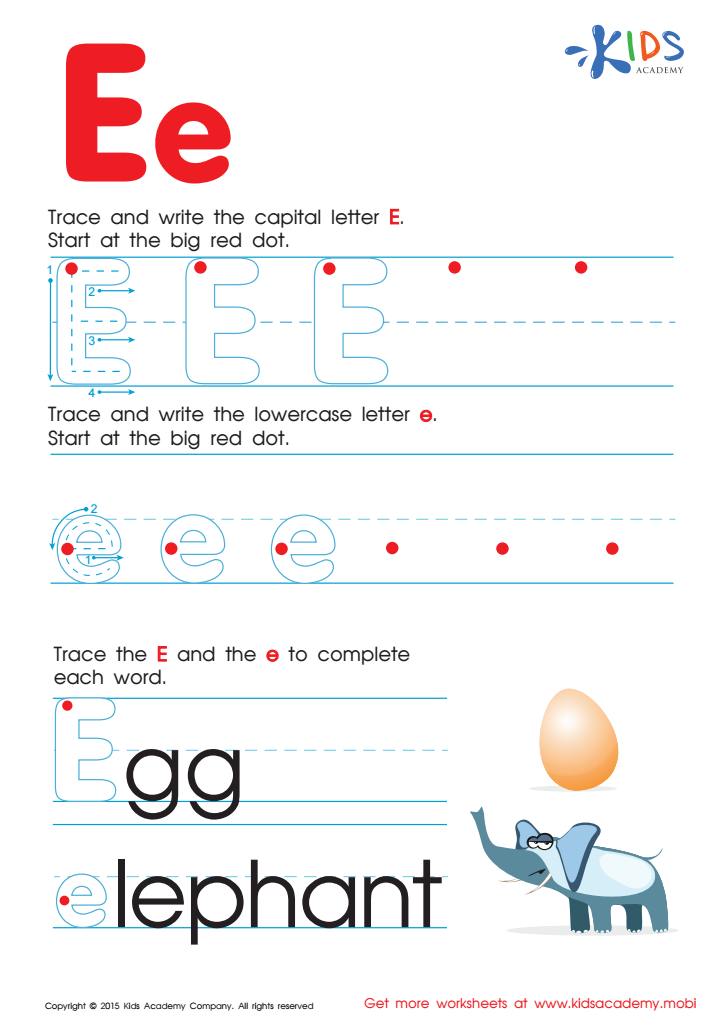
Letter E Tracing Page
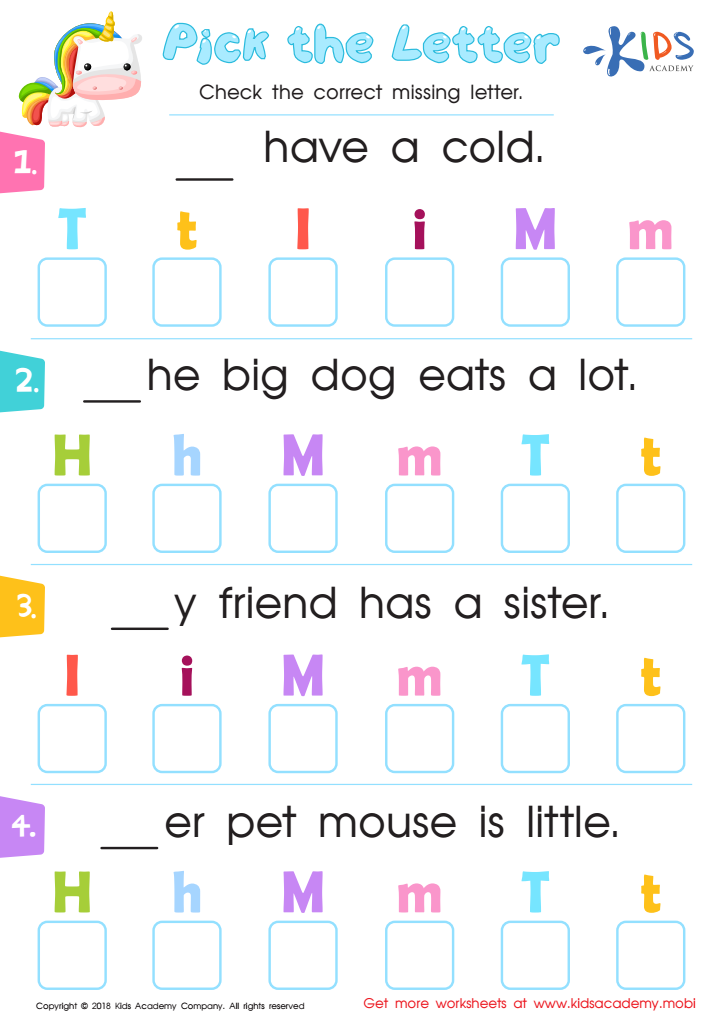
Pick the Letter Worksheet








Alphabet recognition and normal letter recognition are vital skills for children aged 5-6, as they serve as foundational elements for literacy development and future academic success. At this age, children are typically in the early stages of learning to read and write, making these skills critical for effective communication.
When parents and teachers emphasize alphabet recognition, they help children understand that letters are not just shapes; they represent sounds that combine to form words. This understanding enhances phonemic awareness, which is essential for reading proficiency. Moreover, recognizing letters allows children to begin writing their names and basic words, laying the groundwork for more complex writing skills.
Furthermore, familiarity with letter recognition fosters confidence, encouraging children to engage with books and written materials actively. This engagement can spark a lifelong love of reading and learning, which significantly influences and improves academic competencies in various subjects.
Additionally, letter recognition can enhance fine motor skills as children practice writing. By prioritizing these skills, parents and teachers play a crucial role in building strong literacy foundations, enabling children to thrive not only academically but also in their everyday lives as effective communicators. Focusing on alphabet recognition creates positive learning experiences, empowering children for future success.








