Fine Motor Skills Normal Letter Recognition Worksheets for Ages 5-6 - Page 2
41 filtered results
-
From - To
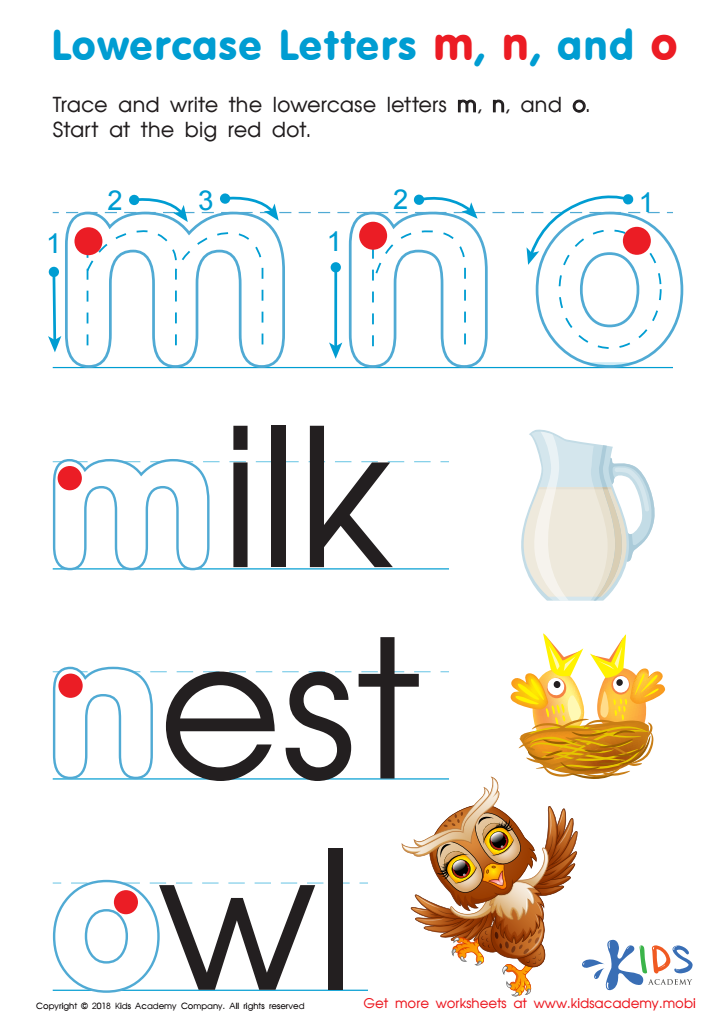
Lowercase Letters m n o Worksheet
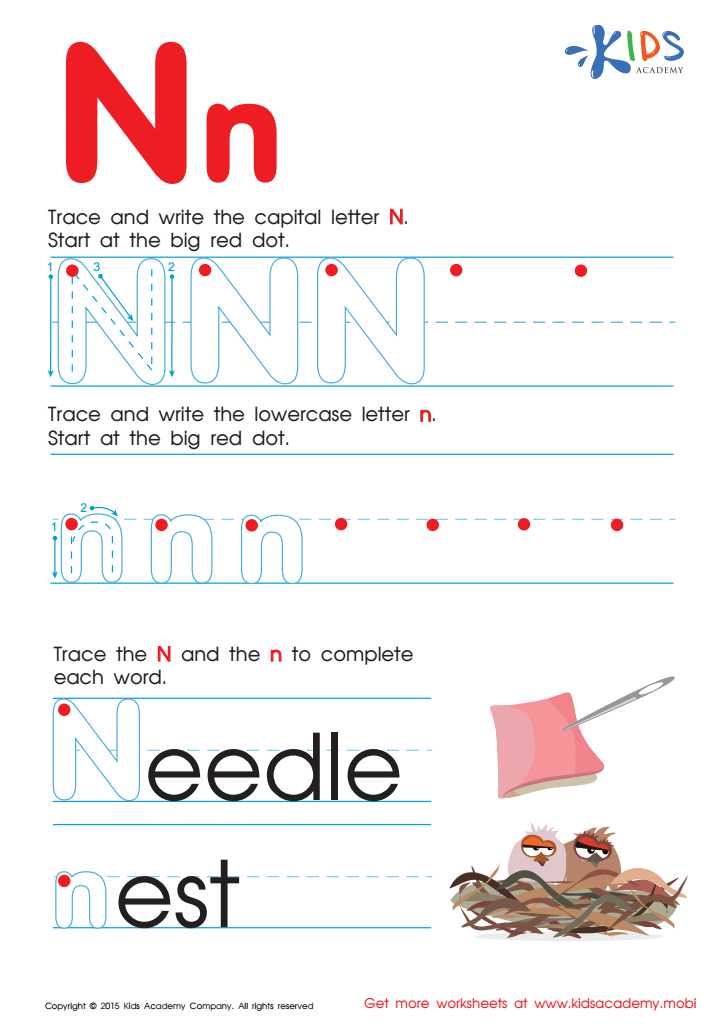
Letter N Tracing Page
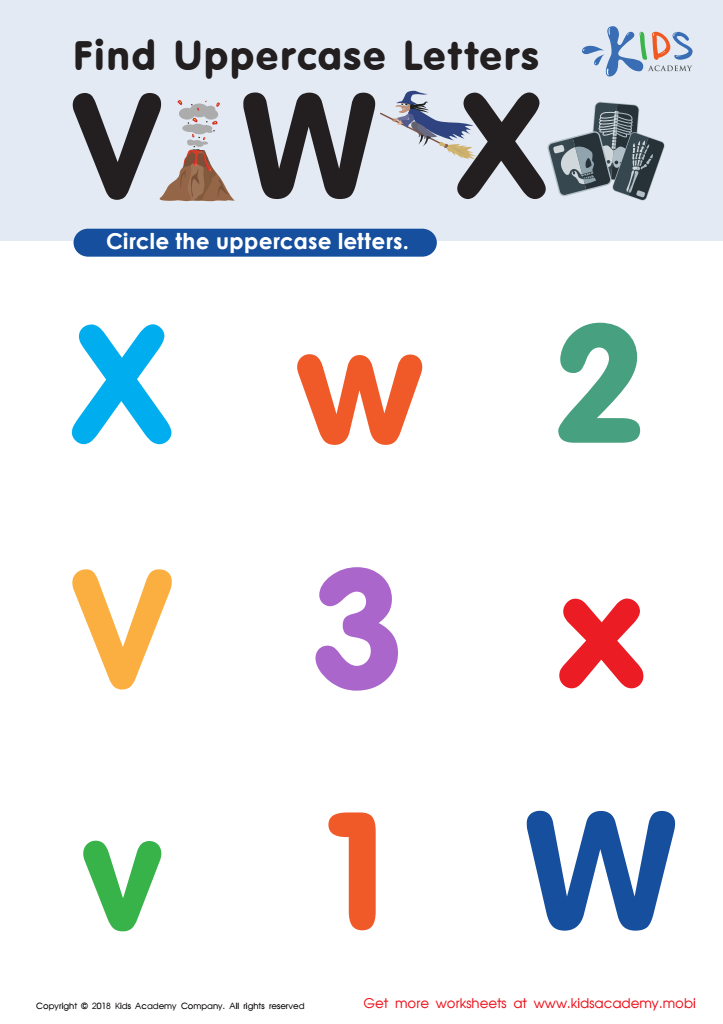
Find Uppercase Letters V, W, X Worksheet
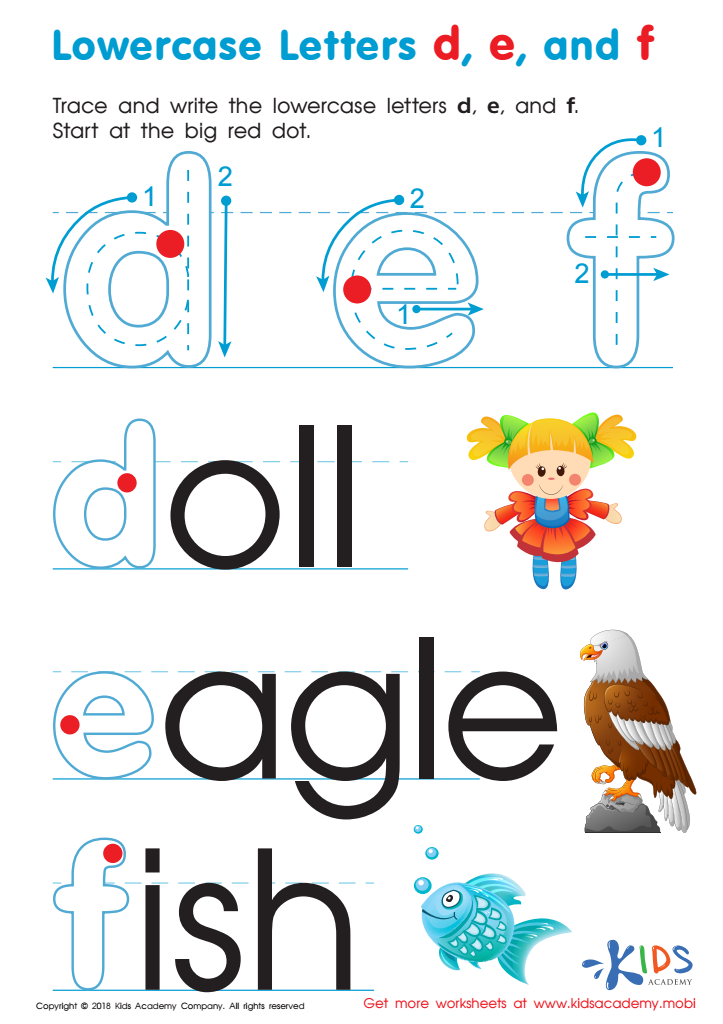
Lowercase Letters d e f Worksheet
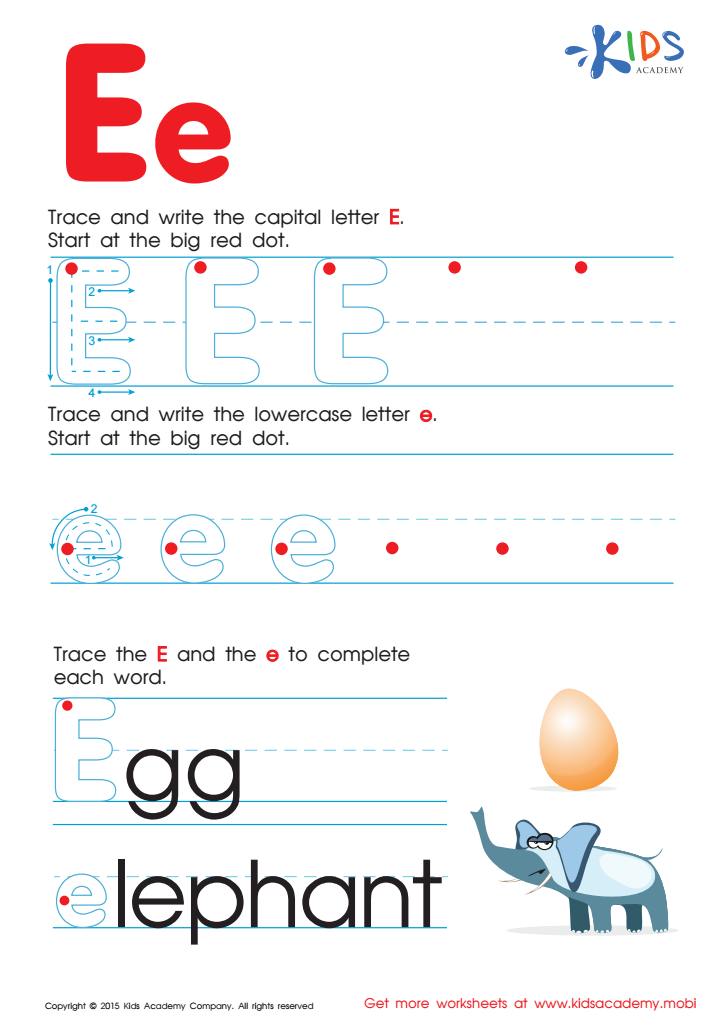
Letter E Tracing Page
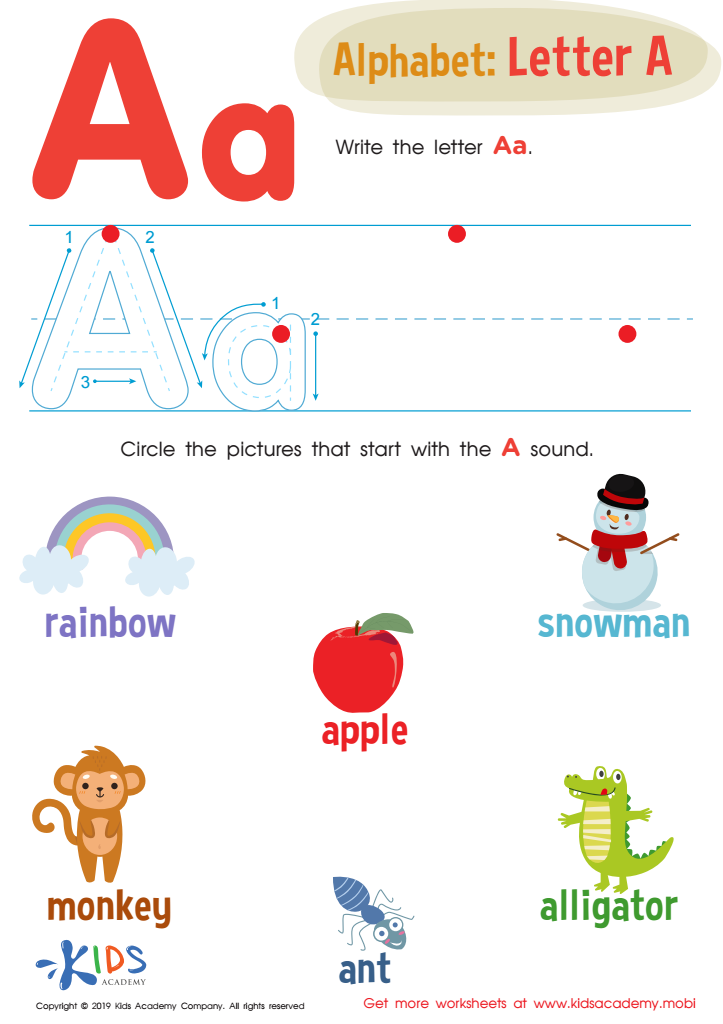
Letter A Tracing Worksheet
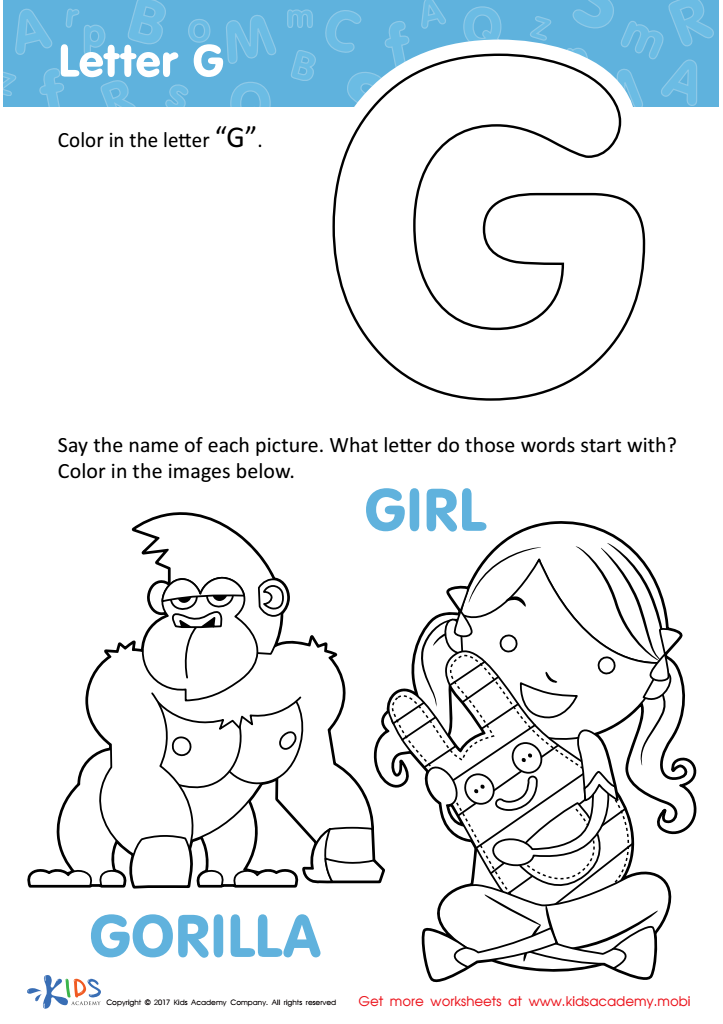
Letter G Coloring Sheet
 Assign to My Students
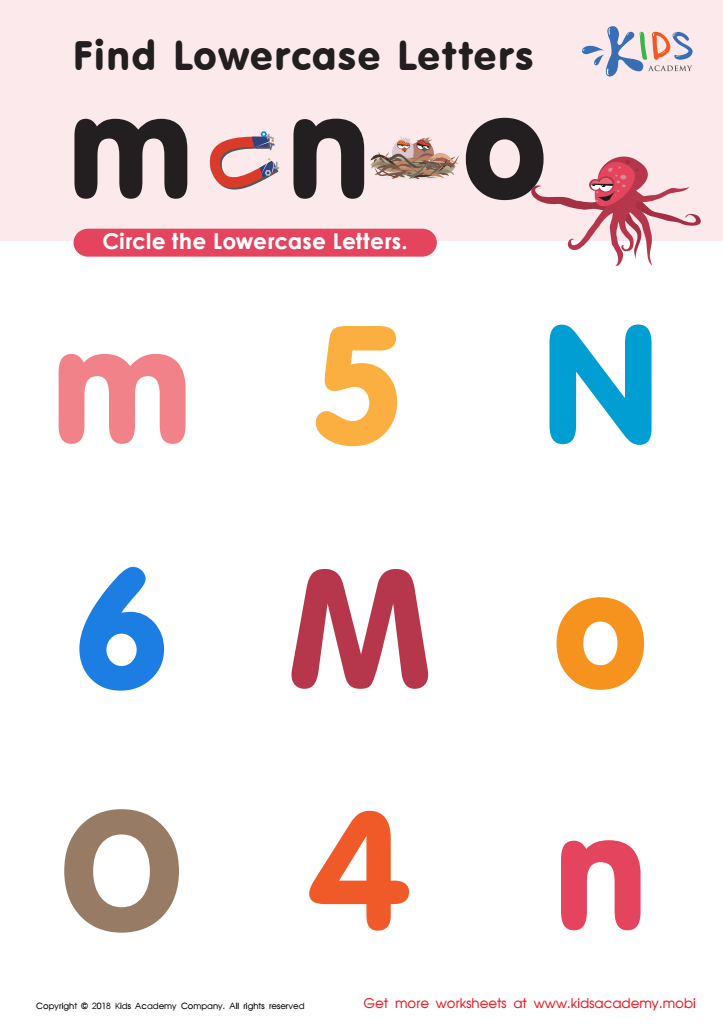
Find Lowercase Letters m n o Worksheet
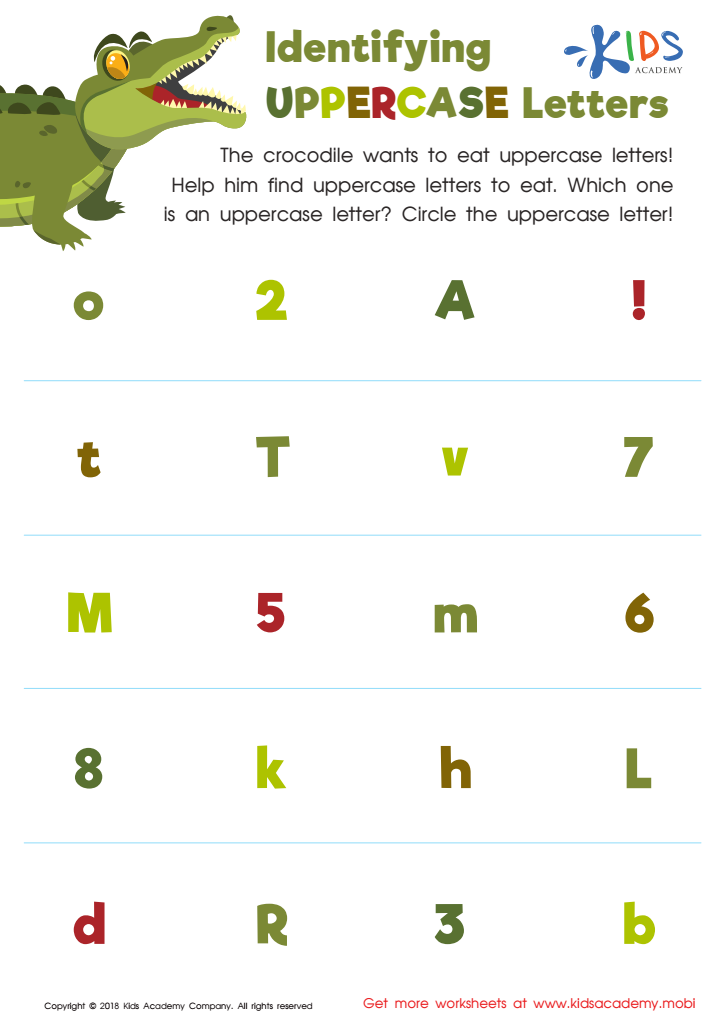
Identifying Uppercase Letters Worksheet
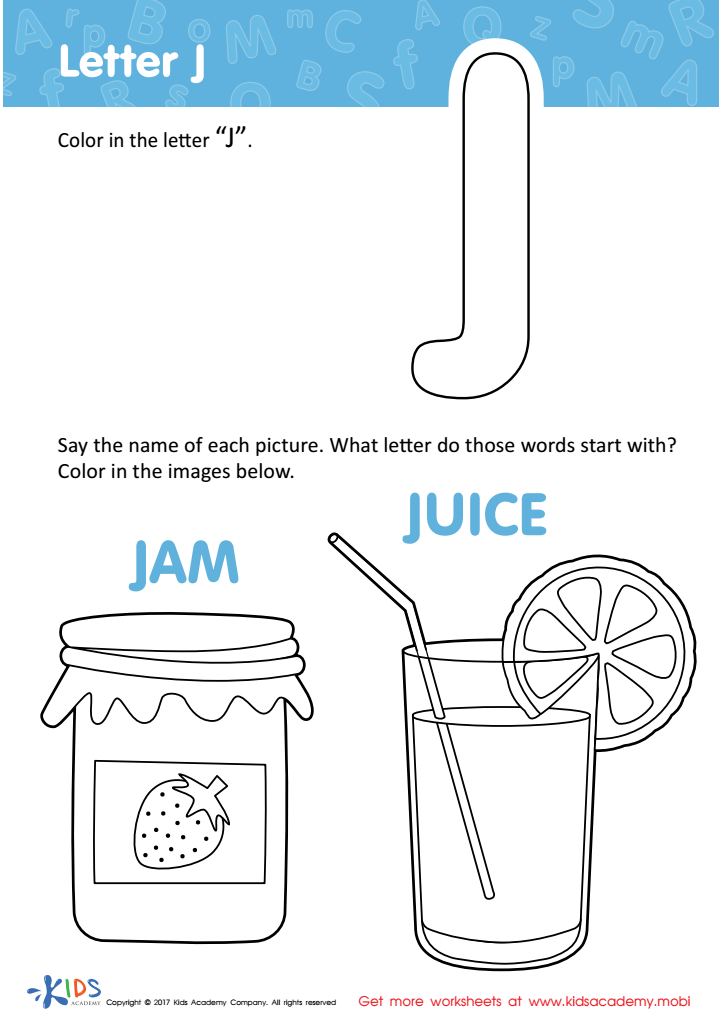
Letter J Coloring Sheet
Assign to My Students

Find lowercase letters a b c Worksheet
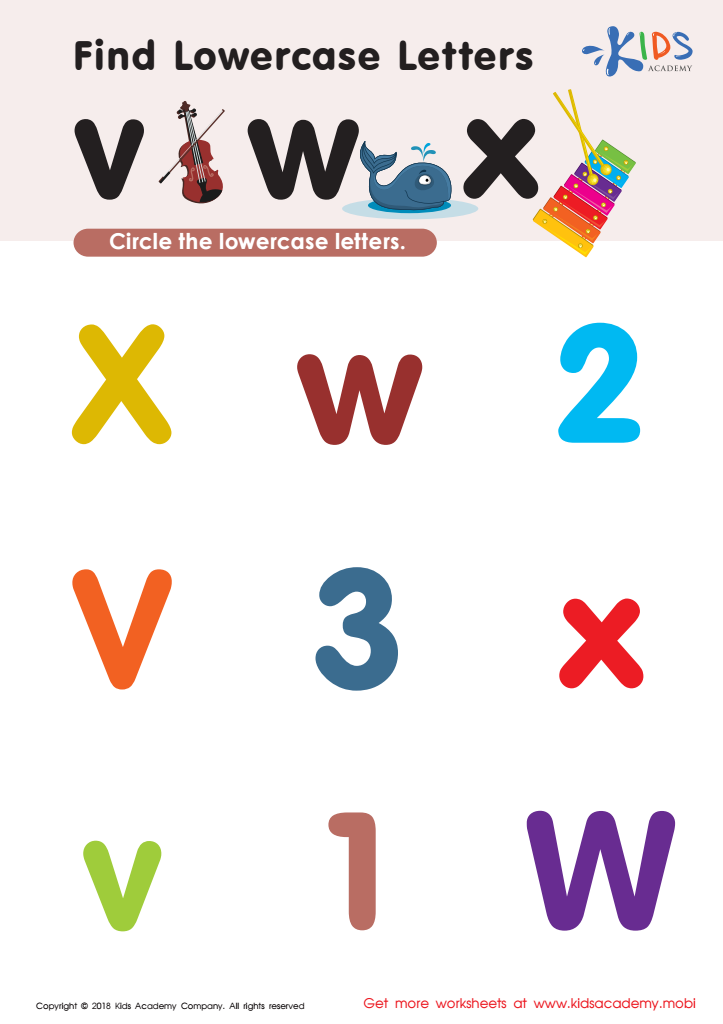
Find Lowercase Letters v w x Worksheet
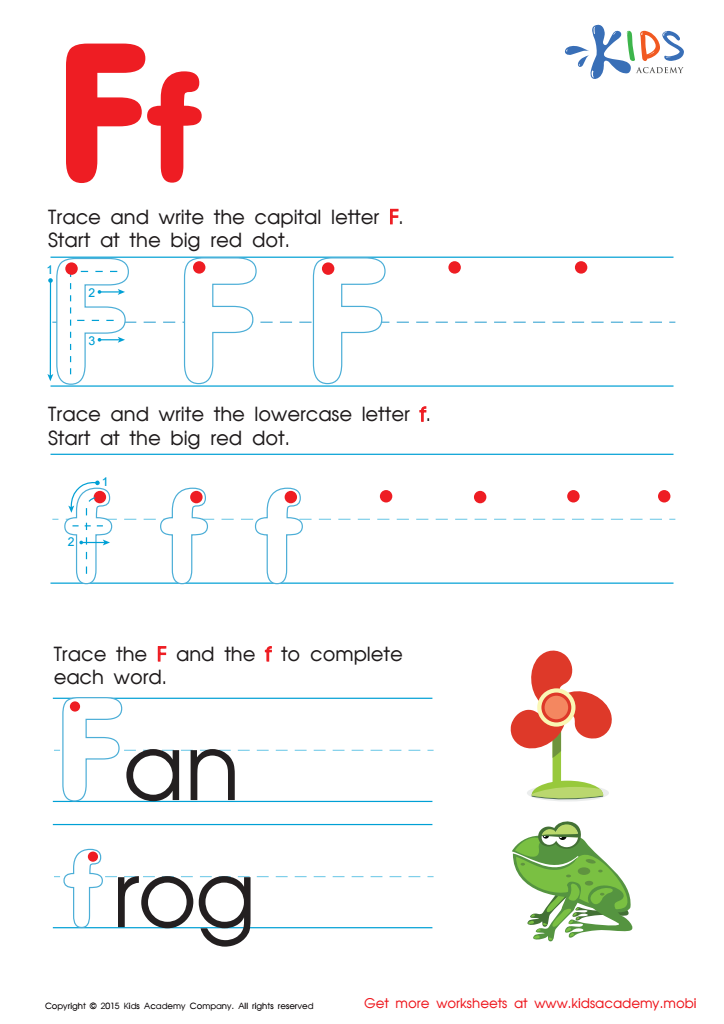
Letter F Tracing Page
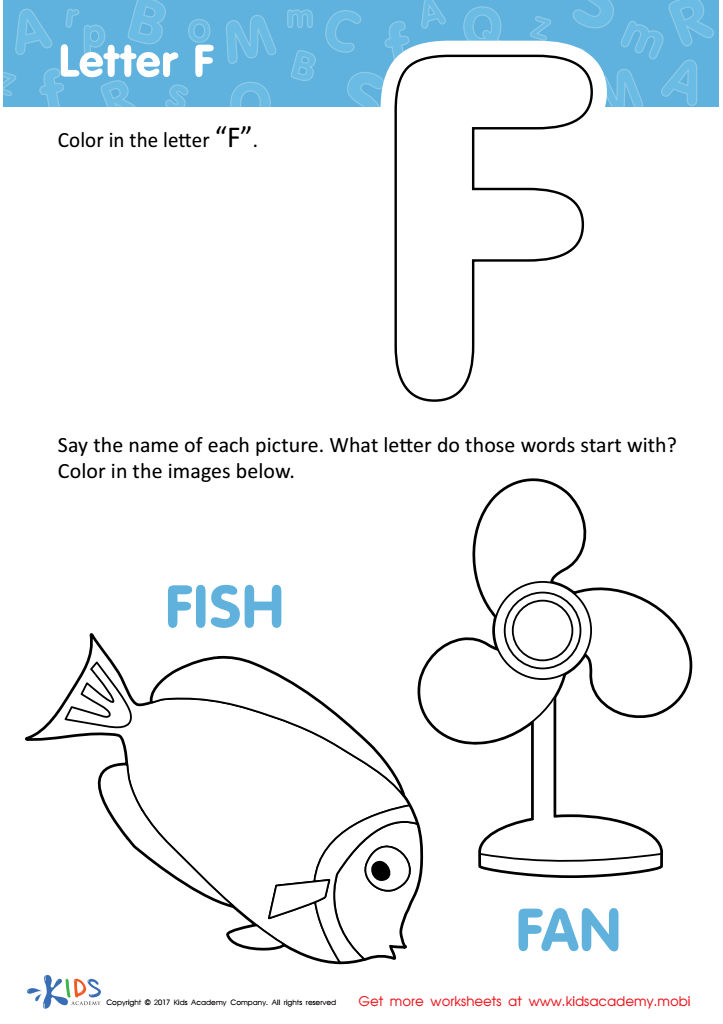
Letter F Coloring Sheet
Assign to My Students
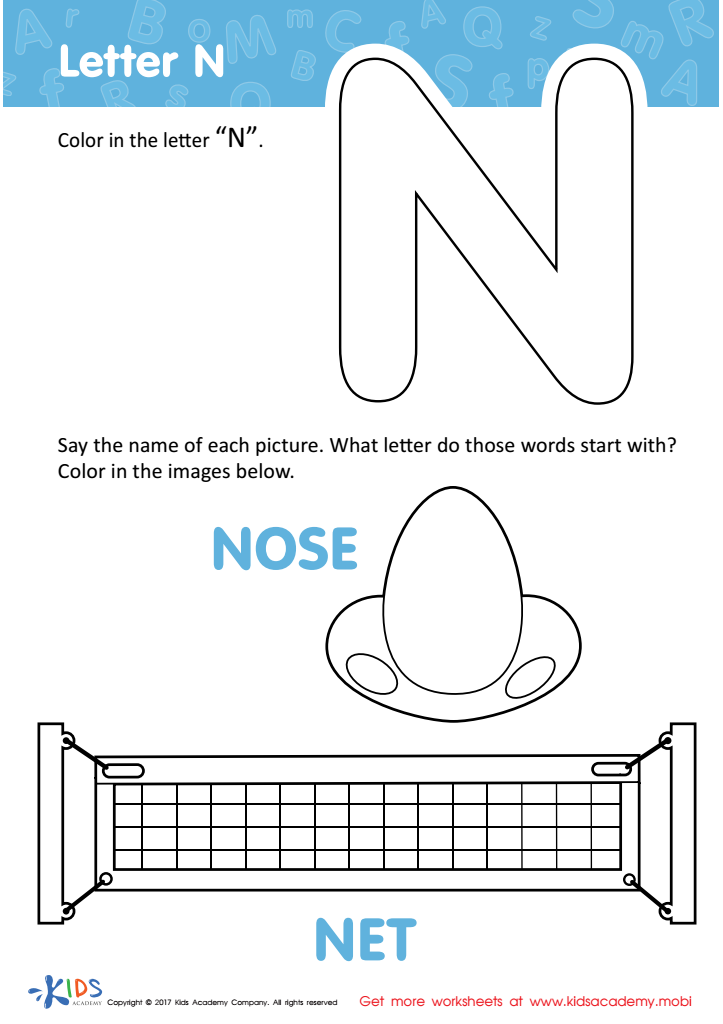
Letter N Coloring Sheet
Assign to My Students

Letter D Tracing Page
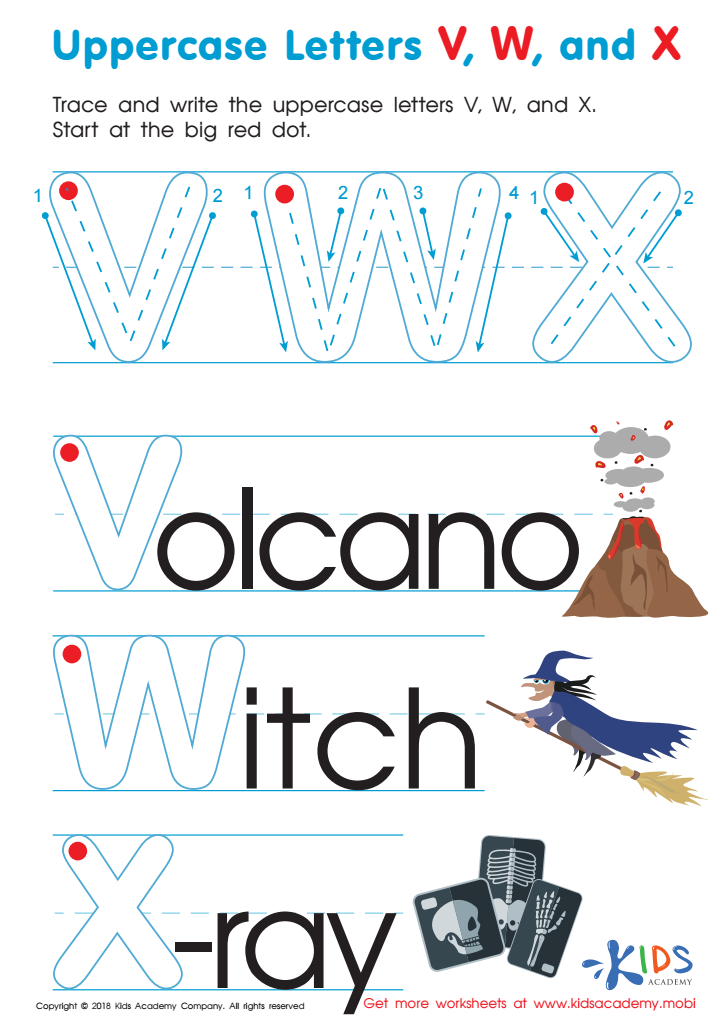
Uppercase Letters V, W, and X Worksheet








Fine motor skills and normal letter recognition are crucial developmental milestones for children aged 5-6, forming a foundation for future academic success and everyday competence. First, fine motor skills, which involve the coordination of small muscles in the hands and fingers, are essential for performing tasks such as holding a pencil, cutting with scissors, and buttoning clothes. Developing these skills at a young age directly impacts a child's ability to write legibly, draw, and participate in classroom activities, thereby enhancing their confidence and independence.
Second, normal letter recognition is integral to early literacy. When children recognize letters easily, they are better equipped to understand the alphabetic principle—the understanding that letters represent sounds, which is key to learning to read and spell. Phonemic awareness, word recognition, and the ability to decode simple words stem from this understanding. Without strong letter recognition skills, children may struggle with reading fluency, which can hinder their overall academic performance and enthusiasm for learning.
Therefore, parents and teachers should pay close attention to the development of fine motor skills and letter recognition in young children as these abilities support not only their educational growth but also their emotional and social development, setting the stage for lifelong learning and success.








