Vocabulary enhancement Normal Letter Sounds Worksheets for Ages 5-6
4 filtered results
-
From - To
Enhance your child's vocabulary with our specialized "Vocabulary Enhancement Normal Letter Sounds Worksheets for Ages 5-6." Designed to strengthen early reading skills, these engaging activities help children master the sounds of letters while expanding their vocabulary. Each worksheet incorporates fun, interactive, and educational exercises tailored to boost phonemic awareness. Ideal for early learners, our resources foster a love for reading and learning, setting a strong foundation for future academic success. Available for free, these printable worksheets are perfect for home or classroom use, delivering both enjoyment and educational value as kids explore the world of words.
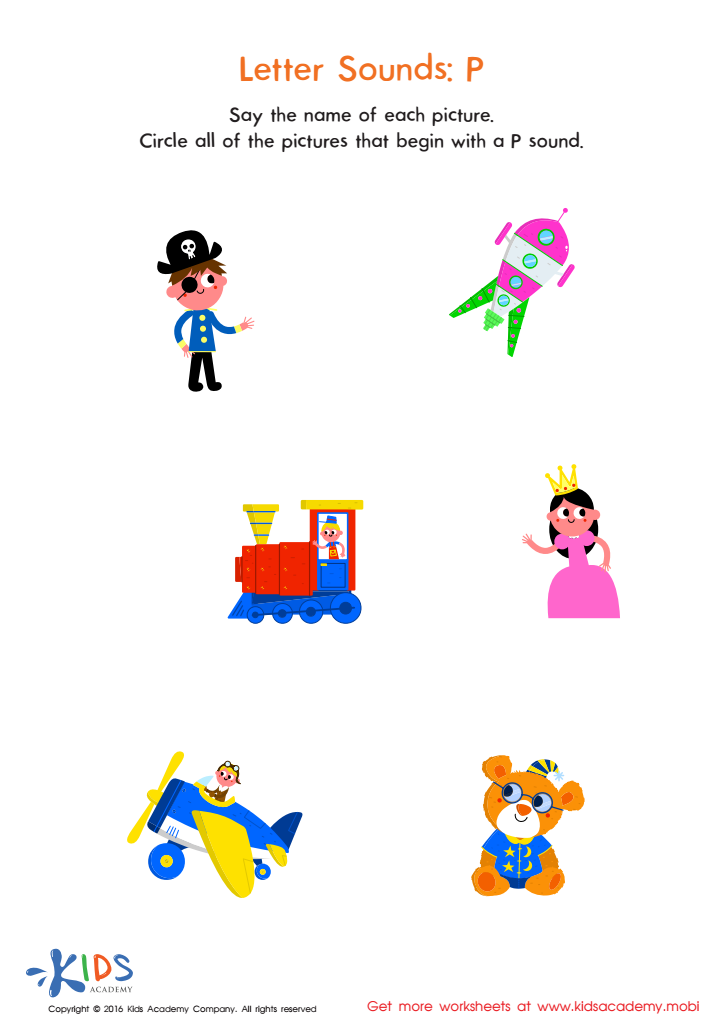
Letter P Sound Worksheet
 Assign to My Students
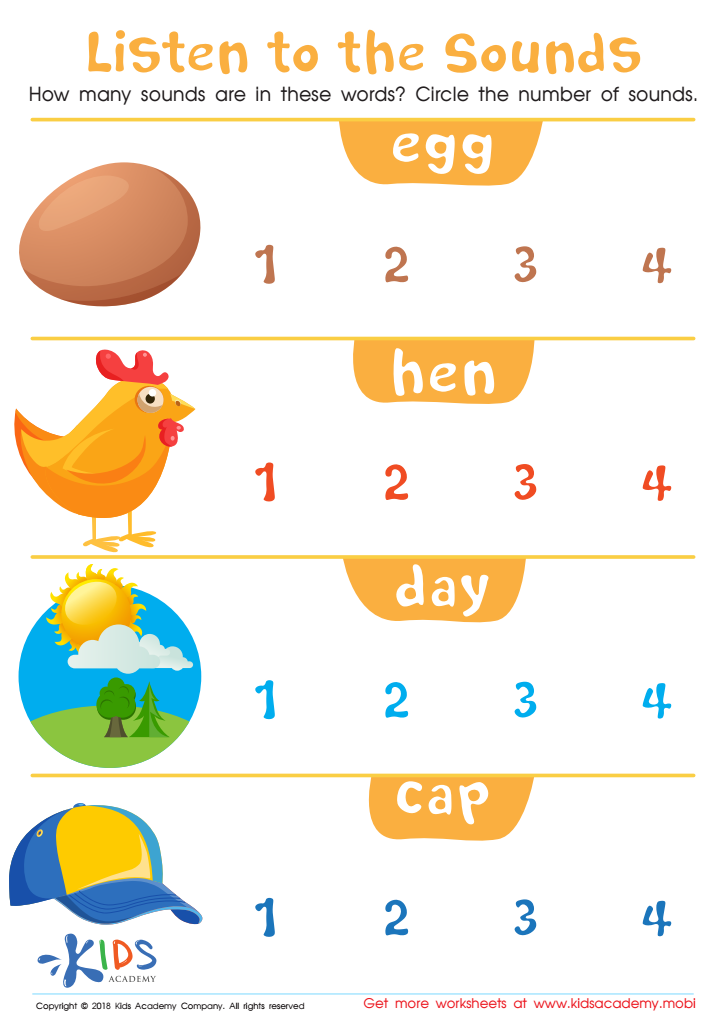
Listen to the Sounds Worksheet
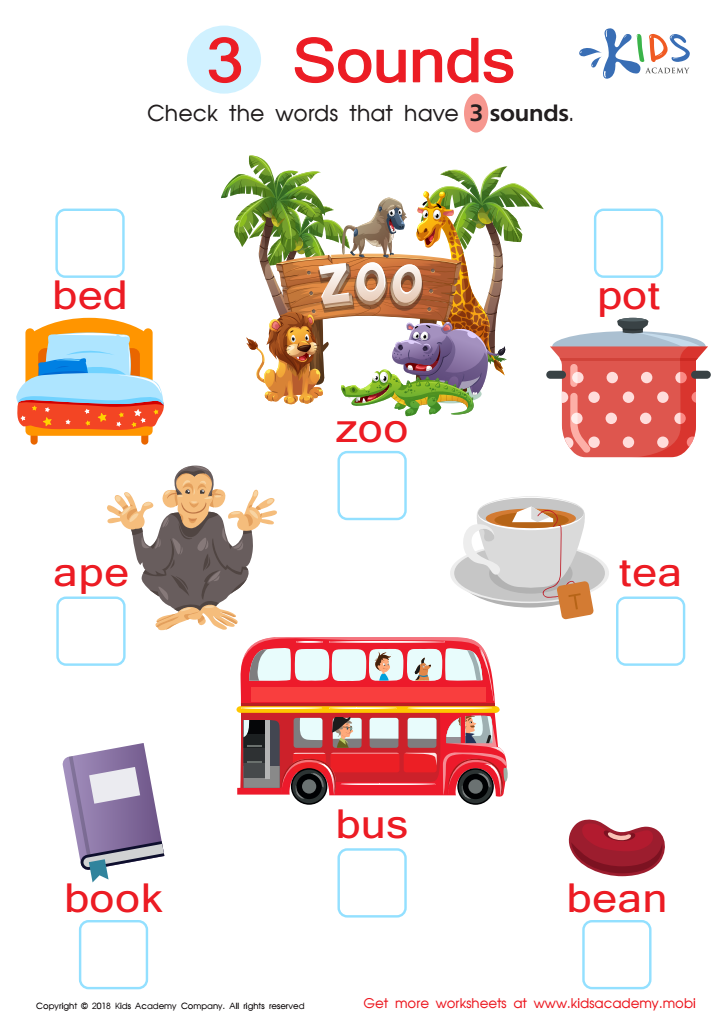
3 Sounds Worksheet
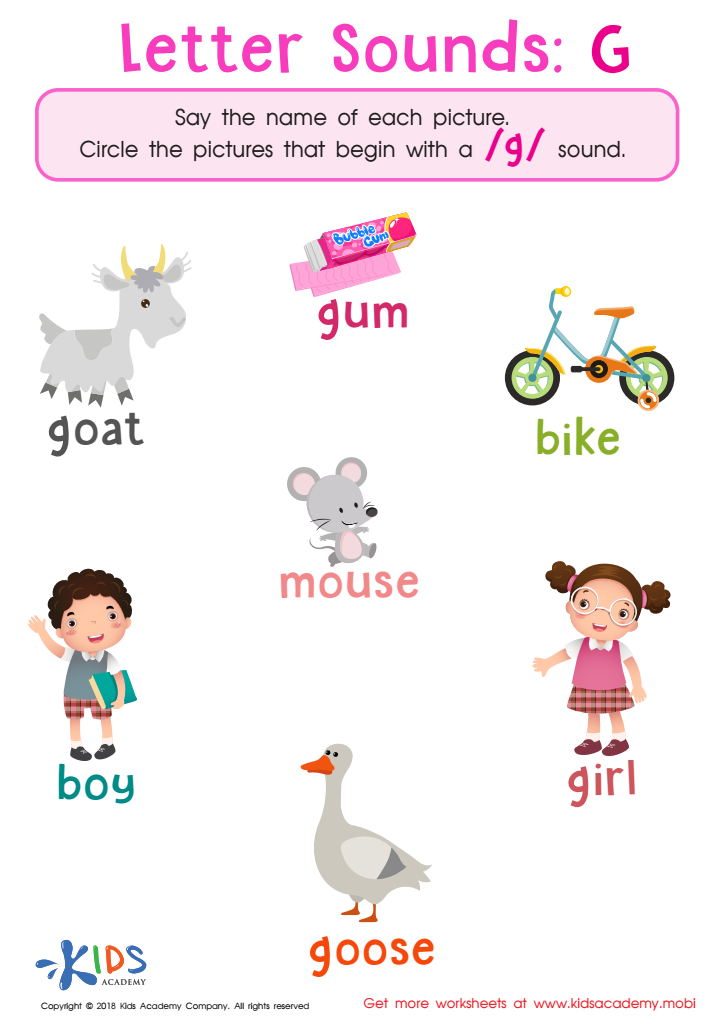
Letter G Sounds Worksheet








Vocabulary enhancement and understanding normal letter sounds are crucial components of early language development for children aged 5-6. At this age, children's brains are highly receptive to learning, and building a strong vocabulary serves as a foundation for future academic and social success.
When children enhance their vocabulary, they improve their ability to express themselves clearly and understand others. This ease of communication is critical not only in an academic setting but also in daily interactions. A rich vocabulary directly influences reading comprehension, a skill that becomes increasingly important as children progress in school. Children who can read well are more likely to enjoy reading, which, in turn, exposes them to even more new words and concepts.
Normal letter sounds are foundational to phonemic awareness, the ability to recognize and manipulate the sounds of spoken language. Mastery of letter sounds enables children to decode words efficiently, a necessary skill for fluent reading. This literacy foundation is laid through structured phonics teaching, where understanding the correlation between letters and sounds leads to better spelling, writing, and reading abilities.
In summary, prioritizing vocabulary enhancement and normal letter sounds for young learners supports communication, reading comprehension, and overall literacy, setting children on a path toward lifelong learning and success. Parents and teachers play a pivotal role in nurturing these early language skills, thus empowering children with the tools they need for educational and social achievement.






