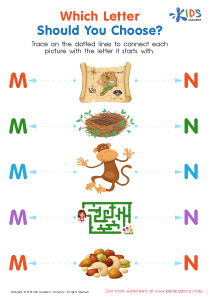
Alphabet sequencing Normal Lowercase/Small Letters Worksheets for Ages 5-6
3 filtered results
-
From - To
Enhance your child's alphabet mastery with our Alphabet Sequencing Normal Lowercase/Small Letters Worksheets for ages 5-6. Designed to build literacy skills, these engaging worksheets guide kids through the sequencing of letters in a fun, interactive manner. Perfect for early learners, the activities focus on recognizing, writing, and ordering lowercase letters, fostering a strong foundation in reading and writing. The colorful, kid-friendly themes keep young minds captivated while practicing essential skills. Perfect for both classroom use and at-home practice, these worksheets are an invaluable tool for parents and educators aiming to boost early literacy achievements. Download now to jumpstart your child’s learning journey!
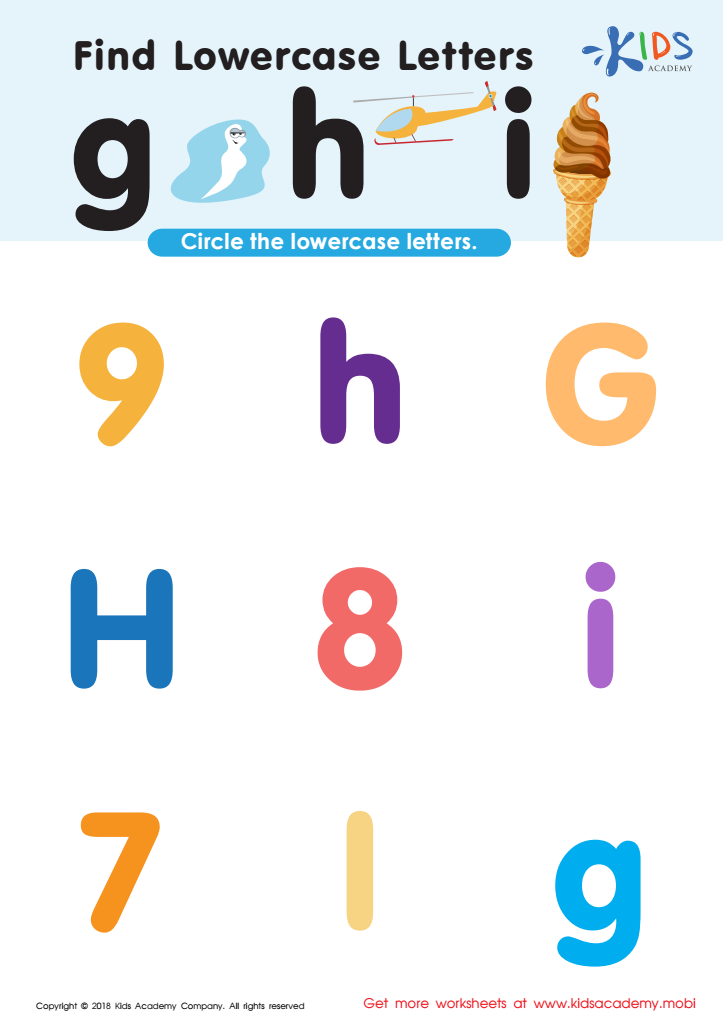
Find Lowercase Letters g h i Worksheet
 Assign to My Students
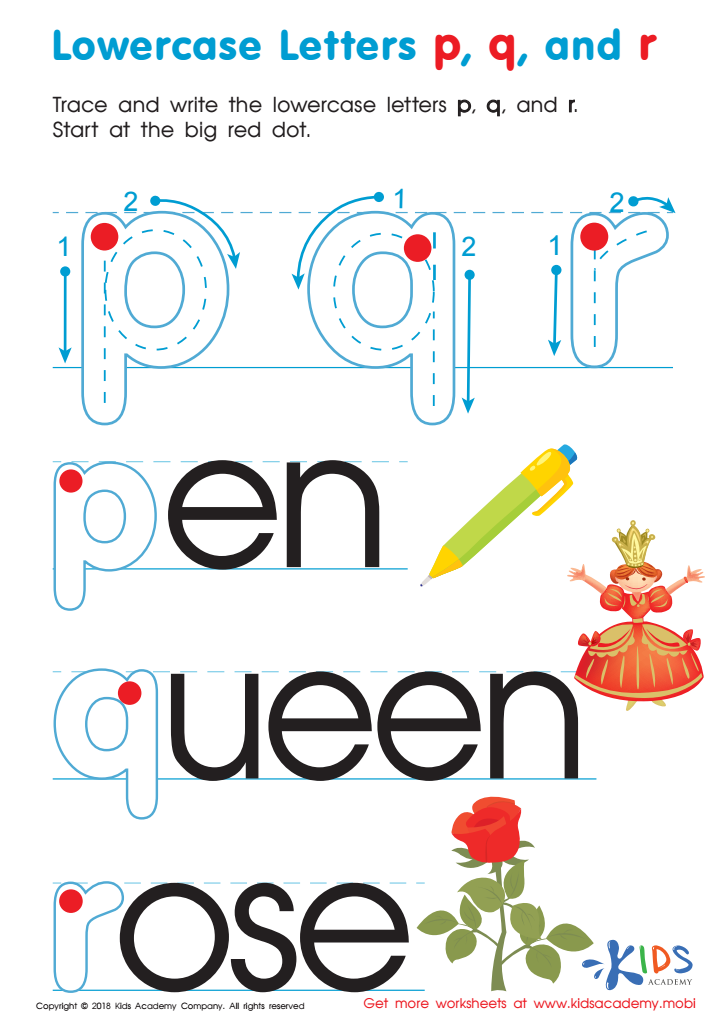
Lowercase Letters p q r Worksheet
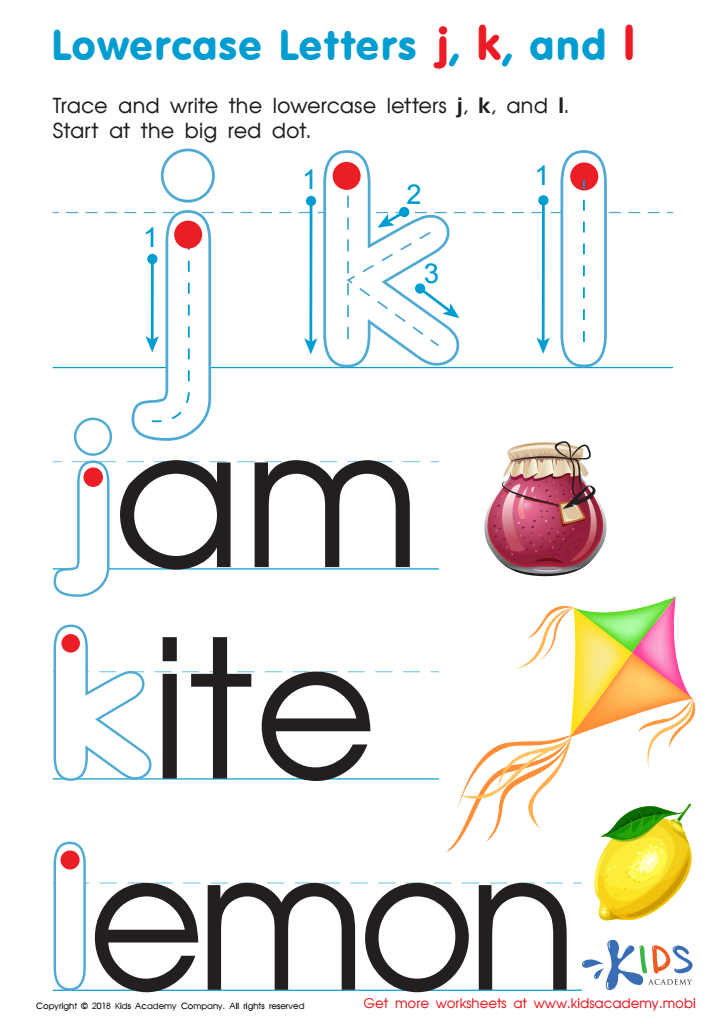
Lowercase Letters j k l Worksheet


Alphabet sequencing using normal lowercase or small letters is essential for children aged 5-6 because it lays the foundation for reading and writing, two critical skills for academic success. At this age, children are starting to recognize letters and their corresponding sounds. Knowing how to sequence the alphabet helps them understand the order and structure of letters, which is crucial for word formation, spelling, and eventually, reading fluently.
Lowercase letters are important because they are more commonly used in everyday text, such as books and written communication. When children learn to recognize and sequence lowercase letters, they are better prepared to read beginner-level texts, which predominantly use lowercase letters.
Additionally, alphabet sequencing enhances cognitive skills like memory, attention, and problem-solving. It encourages children to think logically and recognize patterns, which are beneficial for other areas of learning. Moreover, mastering the sequence of the alphabet can boost a child's confidence and encourage a love for learning, setting a positive tone for their educational journey.
Parents and teachers should care about this because investing time in teaching alphabet sequencing now can lead to smoother transitions into more complex literacy skills later. It provides a solid foundation, making future learning experiences less frustrating and more enjoyable for the child.