Number Recognition Normal Phonics Worksheets for Ages 5-6
3 filtered results
-
From - To
Discover a fun and engaging way to teach number recognition with our Normal Phonics Worksheets for ages 5-6. Perfectly designed for early learners, these worksheets combine phonics and number exploration to enhance your child’s foundational math skills. Each activity encourages interactive learning, incorporating colorful visuals and appealing themes to captivate young minds. As children trace, identify, and connect numbers, they build confidence and a strong mathematical foundation while having a blast! Ideal for parents and educators alike, our worksheets provide innovative practice in a playful manner. Enhance your child's learning experience today with our specially crafted number recognition resources!
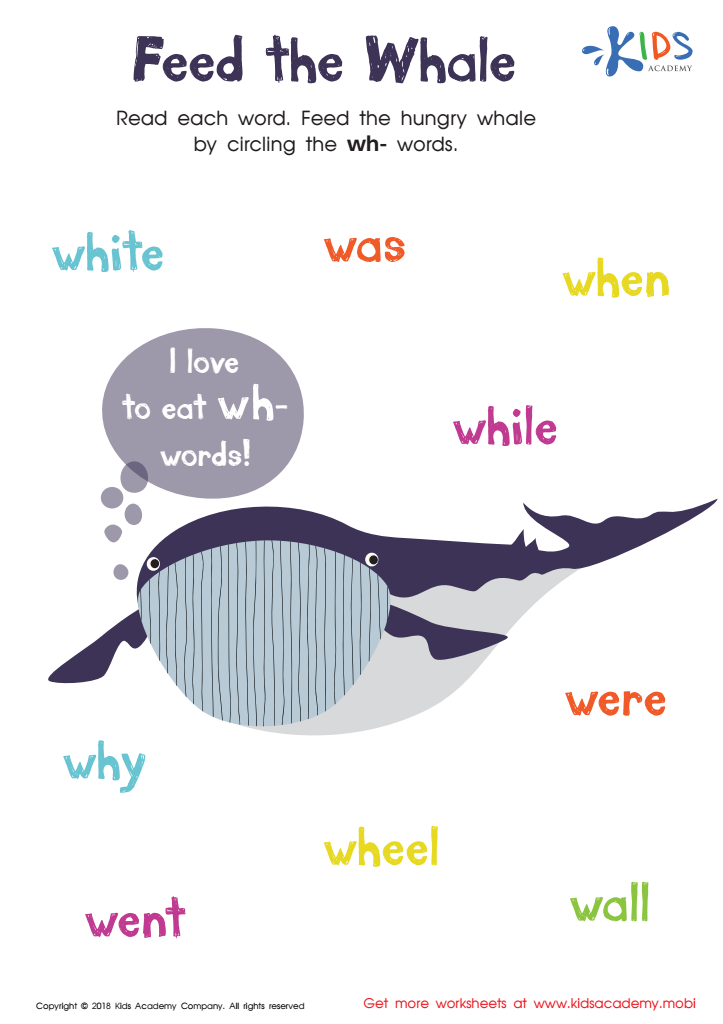
Feed the Whale Worksheet
 Assign to My Students
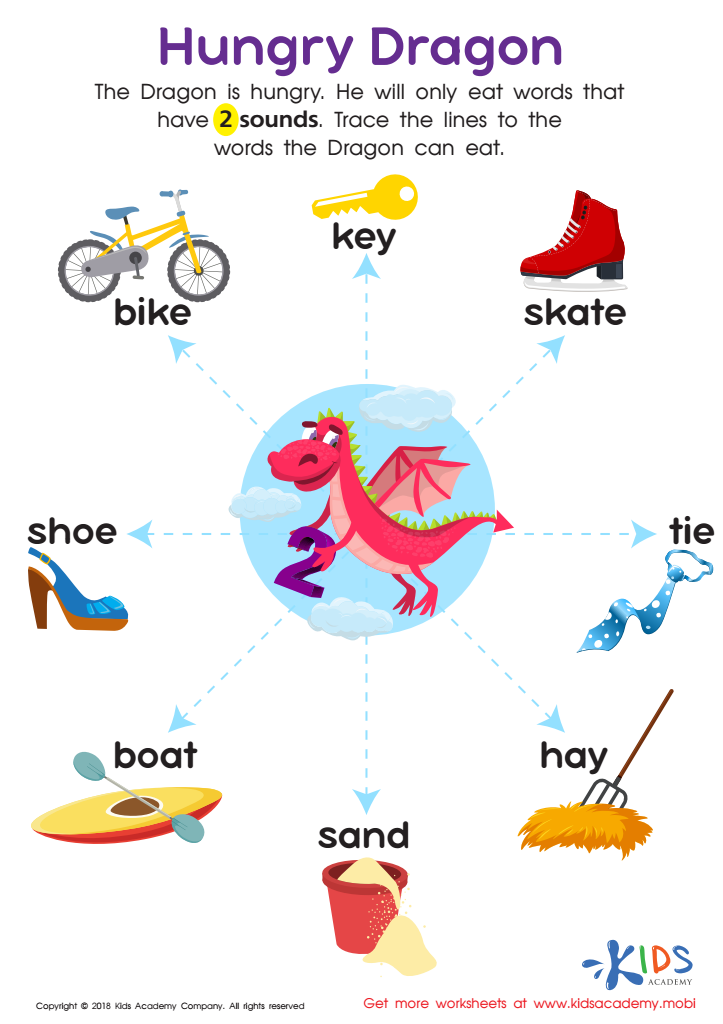
Hungry Dragon Worksheet
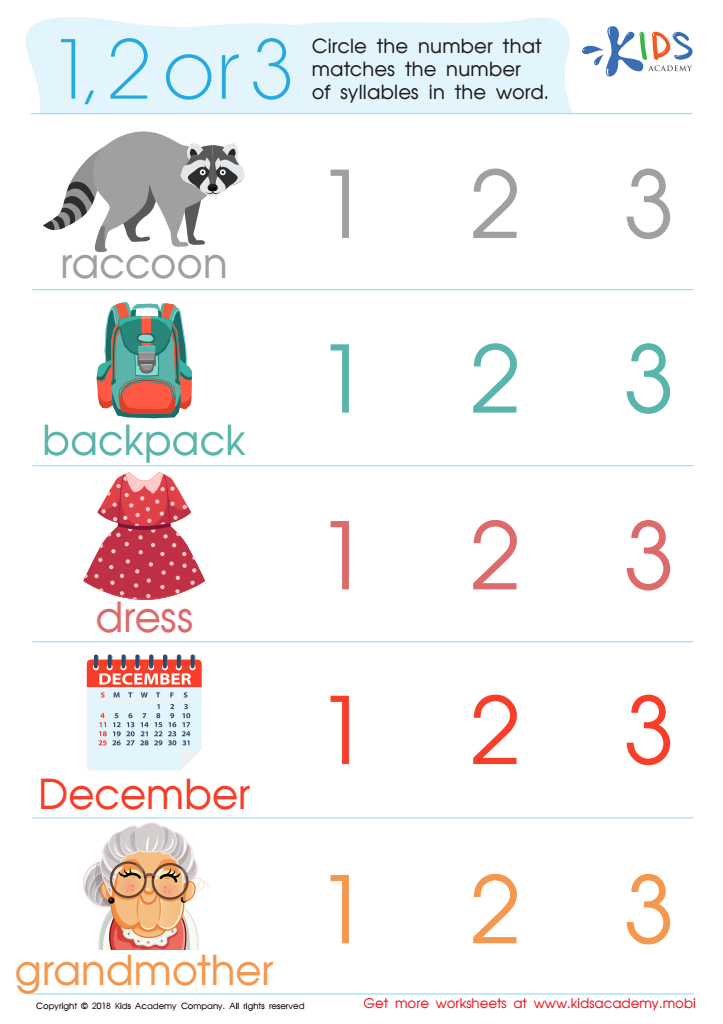
1, 2 or 3? Worksheet








Parents and teachers should prioritize number recognition and phonics for children aged 5-6 as these foundational skills are crucial for early literacy and numeracy development. Number recognition helps children understand and identify numbers, which is essential for math skills they will encounter in later grades. It fosters the ability to count, perform basic arithmetic, and develop critical problem-solving skills.
On the other hand, phonics equips children with the tools needed to read and write successfully. By learning the relationship between letters and sounds, young learners can decode words, which leads to improved reading fluency and comprehension. This foundational skill is directly linked to their ability to engage with and understand various texts.
Simultaneously focusing on both number recognition and phonics also reinforces positive learning experiences as children develop spatial awareness and cognitive skills, boosting their confidence and enthusiasm for learning. Engaging children in fun, interactive activities that include both these areas can make learning enjoyable, keeping them curious and motivated. By laying a strong language and numeracy foundation, parents and teachers can help children build the essential skills needed for their future academic success and overall cognitive development.







