Problem-Solving Skills Normal Upper & Lowercase Letters Worksheets for Ages 5-6
3 filtered results
-
From - To
Enhance your child's problem-solving skills with our engaging worksheets designed for ages 5-6. These printable activities focus on both uppercase and lowercase letters, helping young learners develop essential literacy skills while solving puzzles. Each worksheet is crafted to challenge students’ thinking and reasoning abilities, encouraging them to distinguish between letter cases through fun and interactive exercises. Perfect for at-home learning or classroom use, our resources promote a love for learning while strengthening cognitive skills. Empower your little ones to think critically and creatively, all while mastering the alphabet! Download your worksheets today and watch your child flourish!
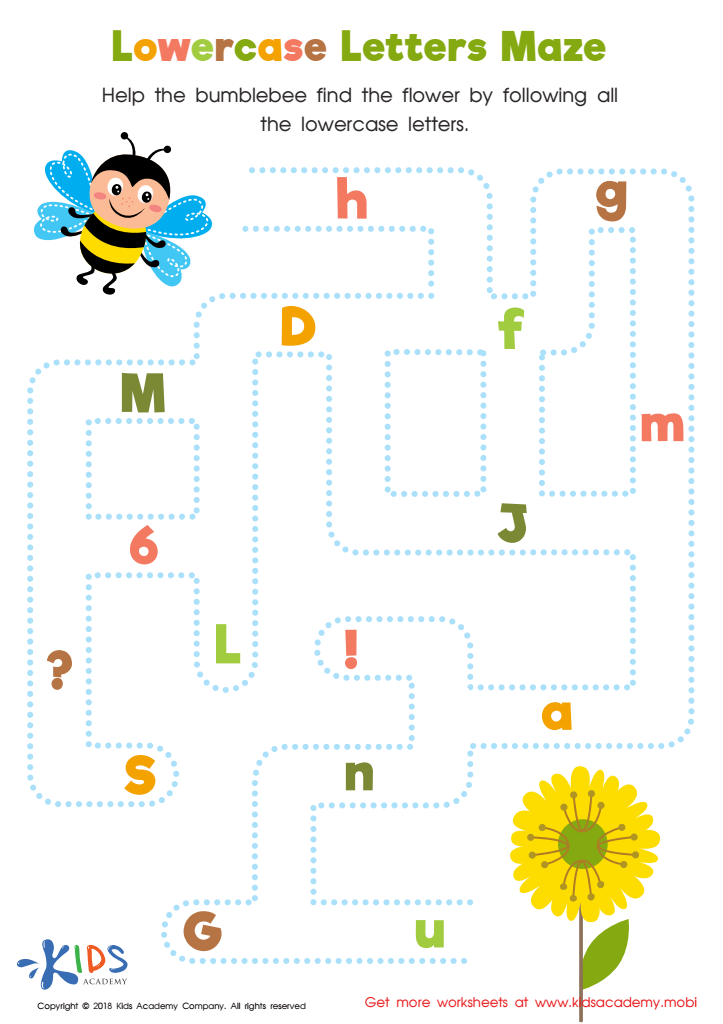
Lowercase Letters Maze Worksheet
 Assign to My Students











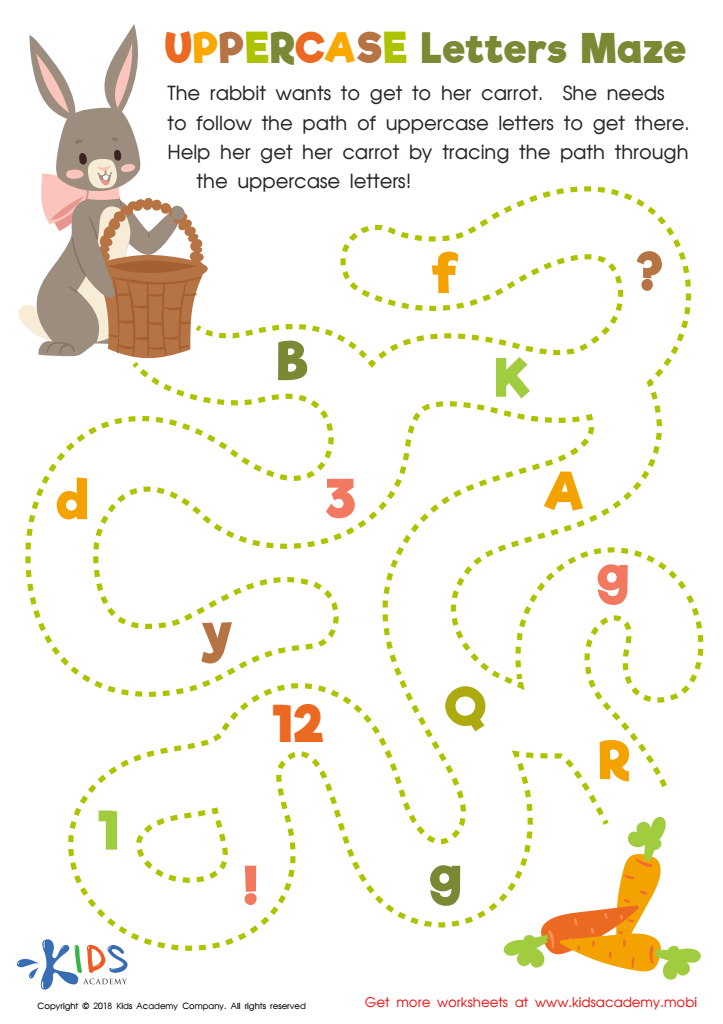
Uppercase Letters Maze Worksheet
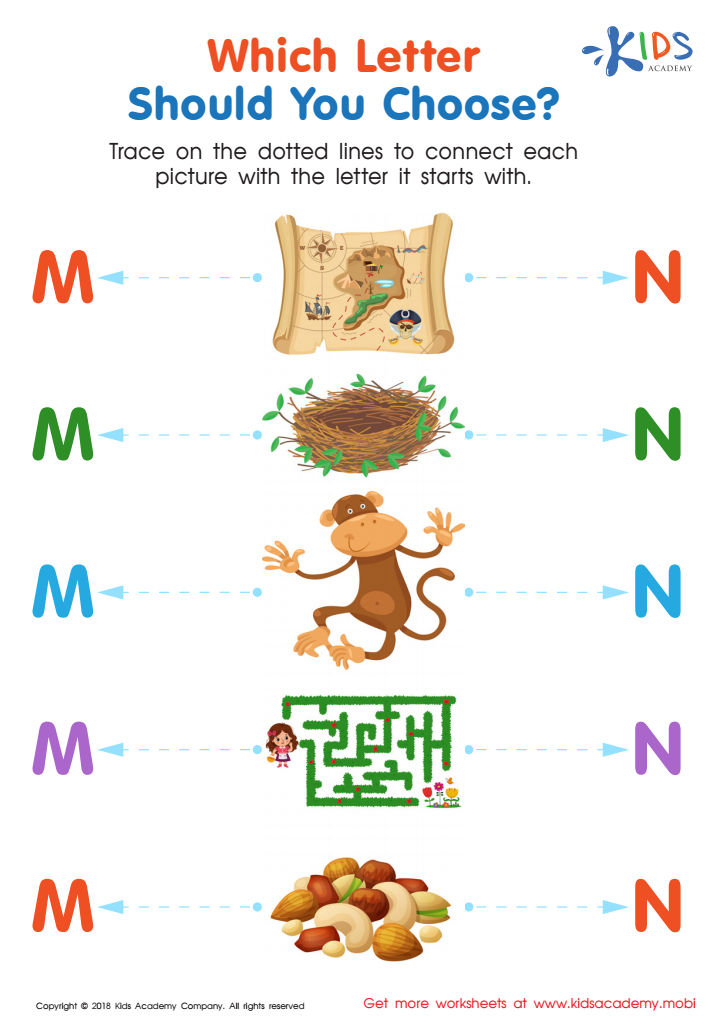
Which Letter Should you Choose? Worksheet






Parents and teachers should prioritize problem-solving skills for ages 5-6 because these skills are essential for holistic development. At this age, children are naturally curious and eager to explore their environment. Nurturing their problem-solving abilities fosters independent thinking, resilience, and creativity. By engaging young learners in activities that challenge their reasoning, such as puzzles and simple math games, educators cultivate critical thinking skills that are foundational for future academic success.
Moreover, problem-solving skills enhance social interactions; as children work together to solve challenges, they learn important teamwork and communication abilities. These skills not only improve academic performance but also prepare children for life outside the classroom. When faced with obstacles, effective problem solvers are more likely to approach situations with confidence and persistence.
Additionally, early problem-solving experiences encourage a growth mindset, where children understand that mistakes are part of learning. This mindset is crucial for lifelong success and adaptability. In sum, cultivating problem-solving skills in young learners sets the stage for both academic achievement and personal growth, equipping them with tools to navigate their world successfully. Therefore, it is vital for parents and teachers to engage children in developing these essential skills during their formative years.







