Visual discrimination skills Normal Upper & Lowercase Letters Worksheets for Ages 5-6
4 filtered results
-
From - To
Enhance your child's visual discrimination skills with our engaging Upper & Lowercase Letters Worksheets, designed for ages 5-6. These worksheets from Kids Academy focus on helping young learners confidently distinguish between normal uppercase and lowercase alphabet letters. Packed with fun activities, the worksheets promote letter recognition, reading readiness, and early literacy development. Through interactive exercises, children practice identifying, matching, and differentiating letters, laying a solid foundation for future reading and writing skills. Perfect for use at home or in the classroom, these resources shall keep children engaged while making learning enjoyable and effective. Download now to support your child's educational journey!
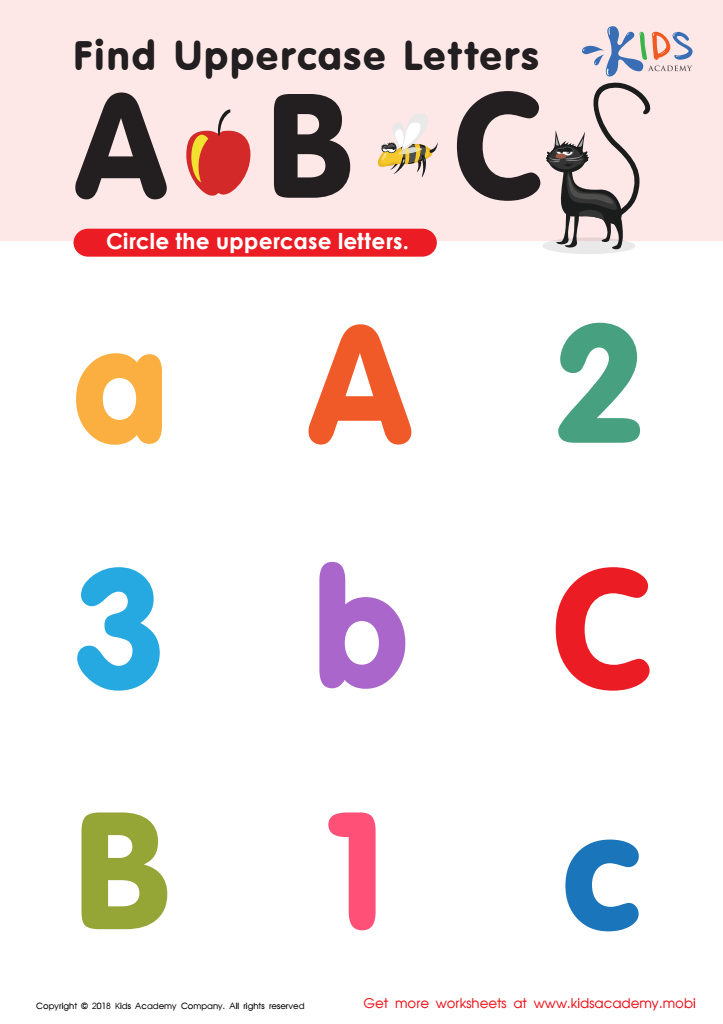
Find Uppercase Letters A, B, and C Worksheet
 Assign to My Students


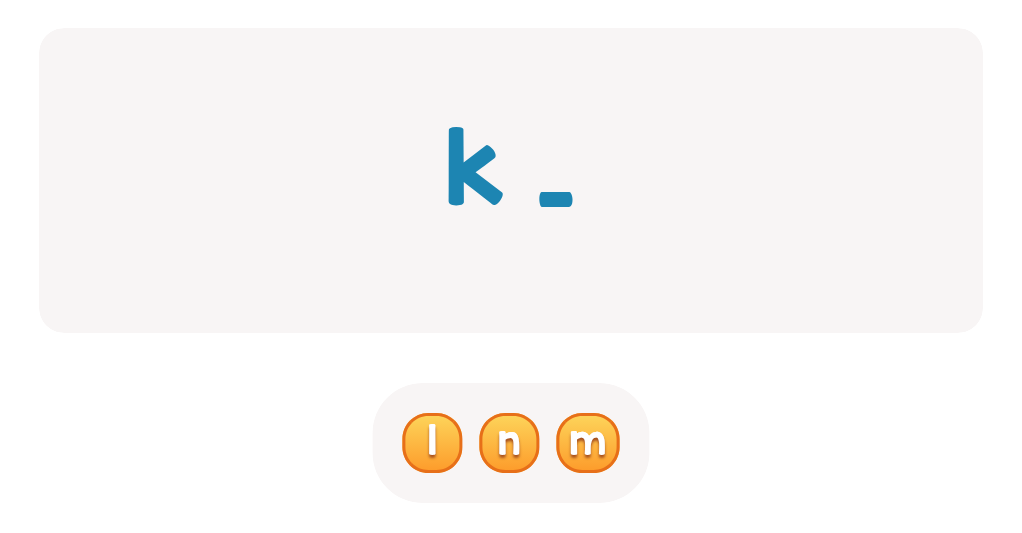
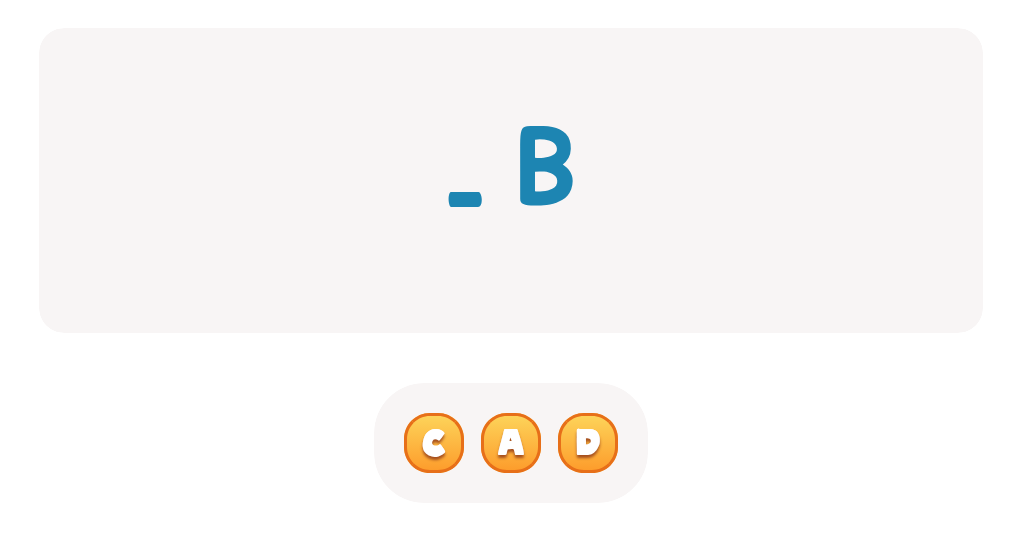



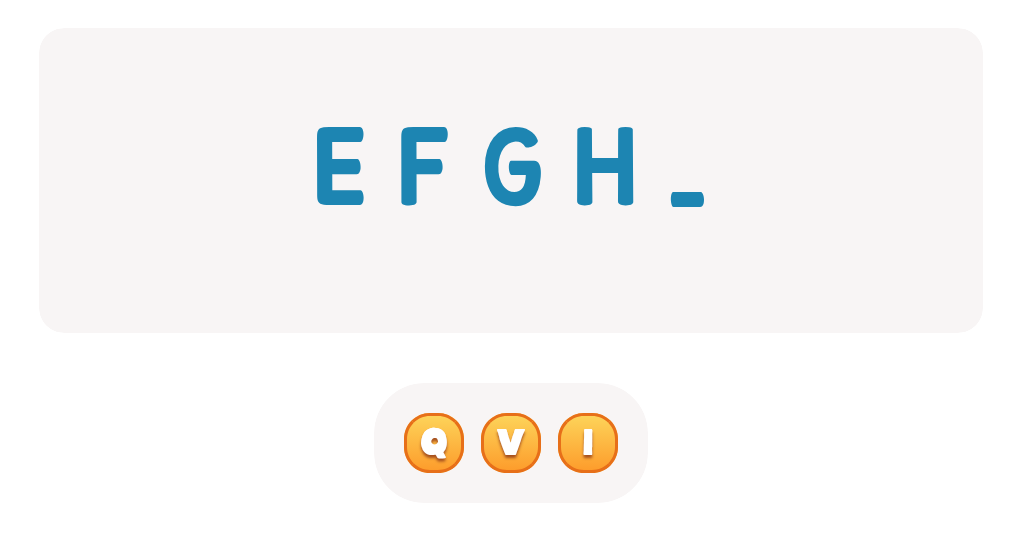

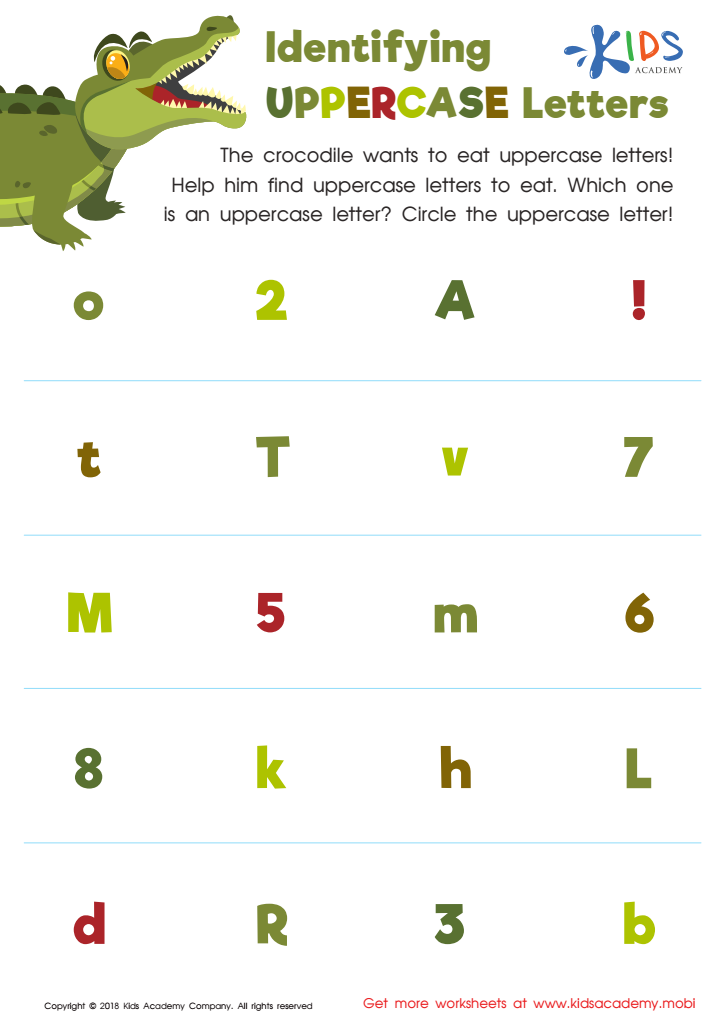
Identifying Uppercase Letters Worksheet
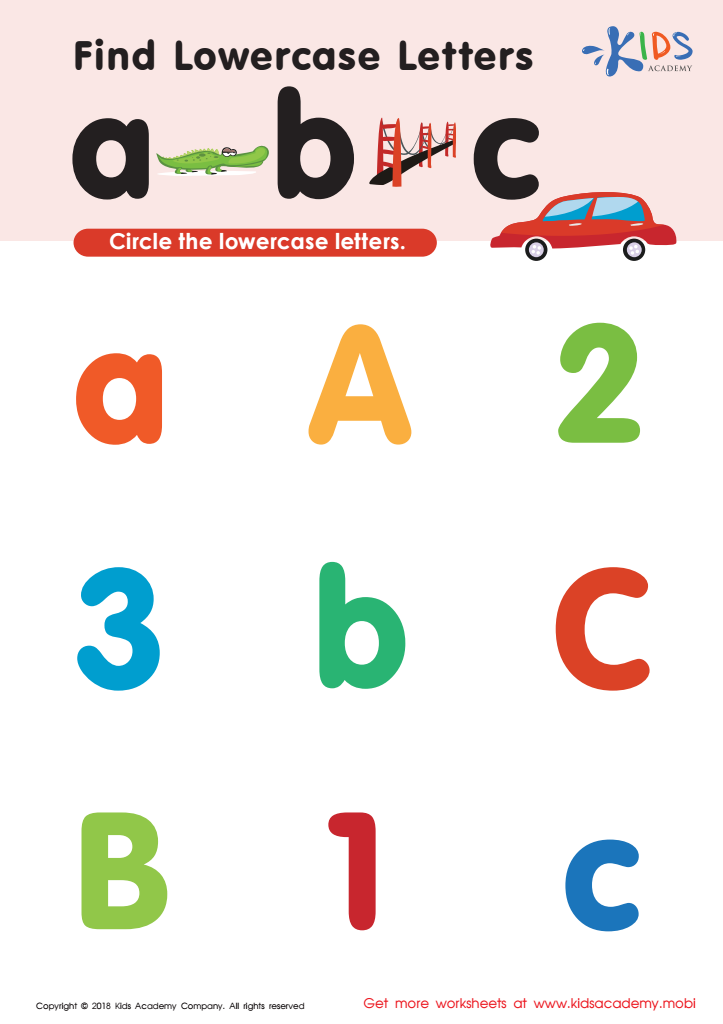
Find lowercase letters a b c Worksheet
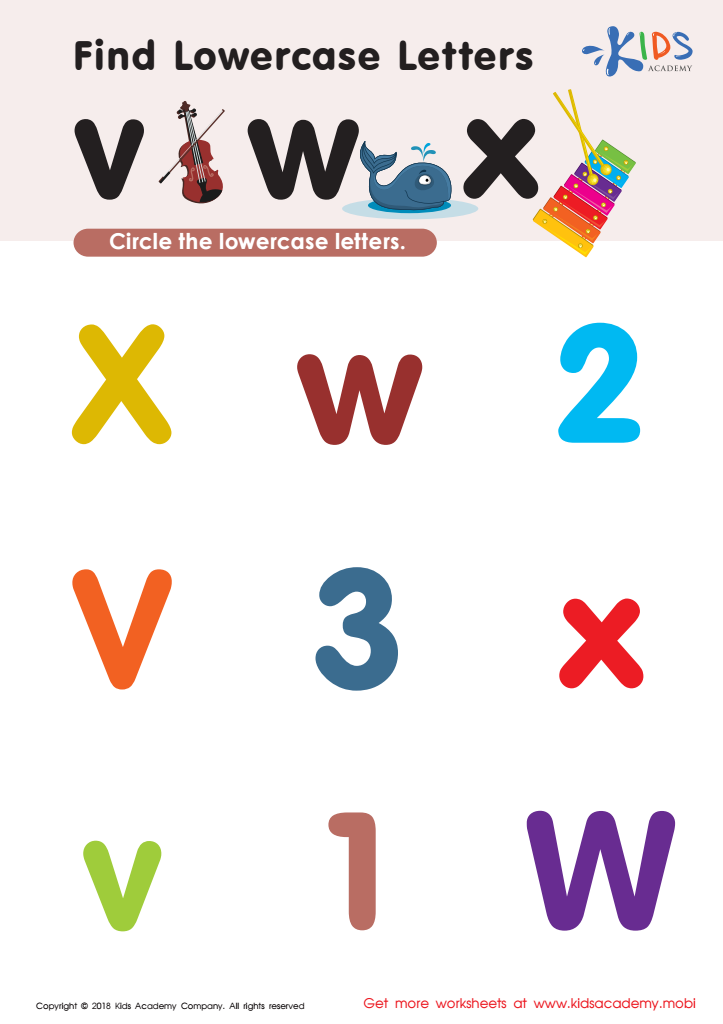
Find Lowercase Letters v w x Worksheet






Visual discrimination skills are the ability to notice and compare and contrast visual details, which for ages 5-6 are crucial when learning to differentiate between upper and lowercase letters. These skills are more than just recognizing the shapes of letters; they are the foundation for effective reading and writing.
Caring about visual discrimination means ensuring that children can correctly identify and reproduce all 52 characters in the alphabet. This precision directly influences a child's ability to interpret words and sentences rapidly and accurately, essential for fluent reading. Misrecognizing letters can lead to confusion and frustration, hampering reading comprehension and writing proficiency.
In first and second grades, children are introduced to more complex texts that rely on both uppercase and lowercase letters to convey meaning. Recognizing and using these letters correctly allows for better understanding and also aids in grasping other grammatical concepts. Moreover, boosting these skills at an early age promotes cognitive development, improves attention to detail, and fosters confidence. By strengthening visual discrimination, parents and teachers help lay a robust educational foundation that benefits a child's academic journey and overall intellectual growth. Engaging, age-appropriate activities such as matching games or tactile letter tracing can be instrumental in developing these vital skills.







