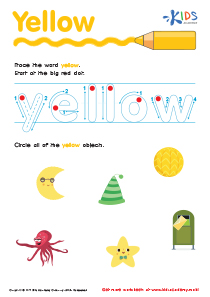
Alphabetical order understanding Normal English for Beginners Worksheets for Ages 5-6
3 filtered results
-
From - To
Introduce young learners to the fundamentals of alphabetical order with our engaging "Alphabetical Order Understanding Normal English for Beginners Worksheets for Ages 5-6." These fun, educational worksheets are specially designed to help children recognize and practice letter sequencing, a critical early literacy skill. Featuring colorful illustrations and simple exercises, the materials are perfect for kindergarteners and first graders, whether they're native speakers or learning English as a second language. Our carefully curated activities aim to make learning effortless and enjoyable, fostering a strong foundation for reading and writing. Get your little ones enthusiastic about encountering the alphabet in an exciting new way!
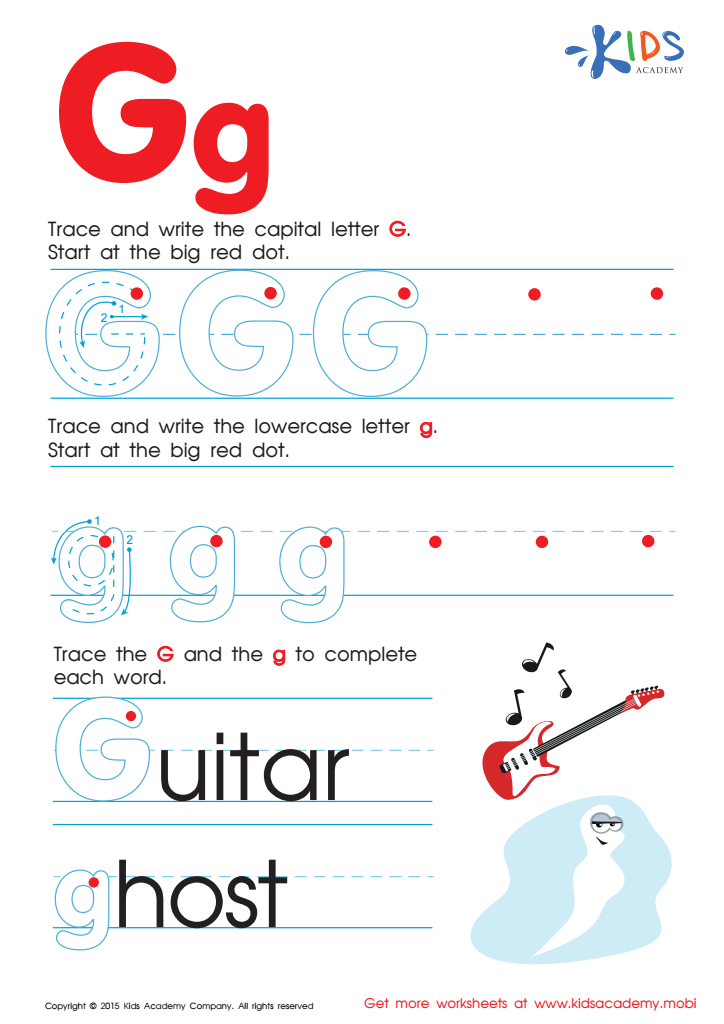
Letter G Tracing Page
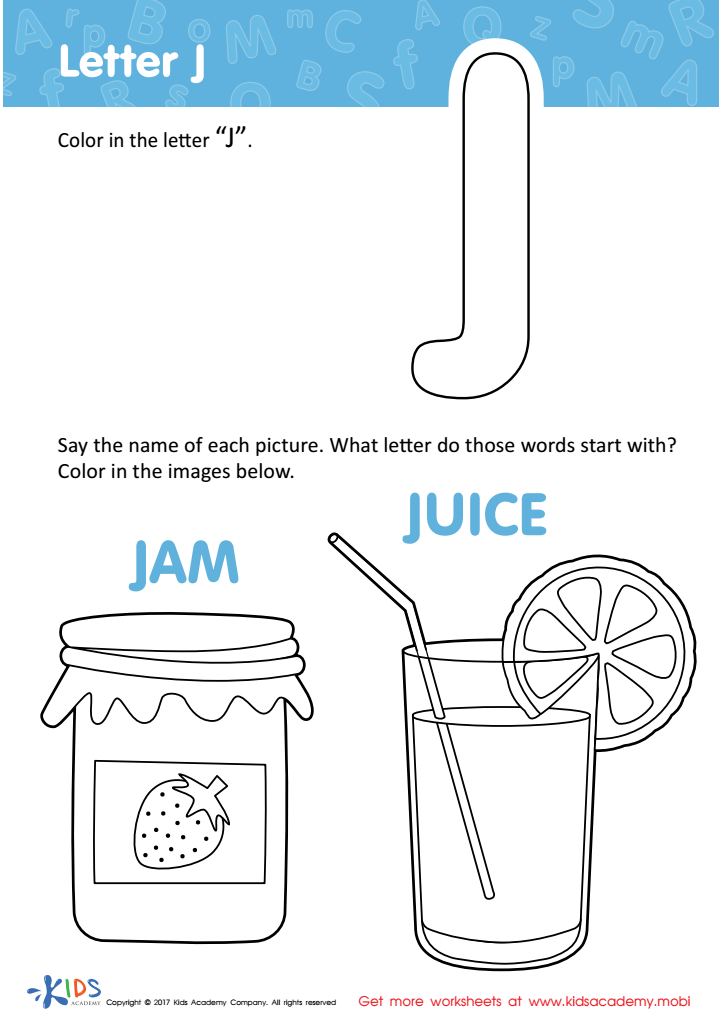
Letter J Coloring Sheet
 Assign to My Students
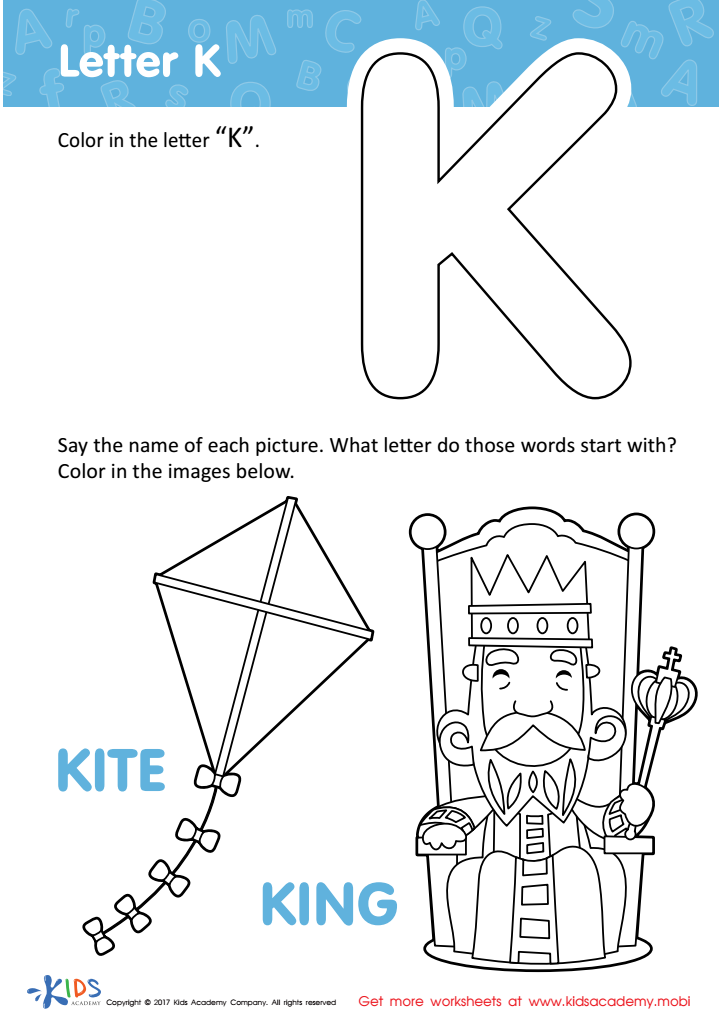
Letter K Coloring Sheet
Assign to My Students





Understanding alphabetical order is a fundamental skill for young children that plays a crucial role in their early development, particularly around ages 5-6. For parents and teachers, nurturing this ability is essential as it lays the groundwork for numerous educational benefits. Firstly, alphabetical order helps children become familiar with the sequence of the letters in the alphabet, which is the stepping stone for literacy. Knowing the sequence aids in vocabulary building, spelling, and even understanding dictionaries or index systems in the future.
Secondly, learning alphabetical order enhances children's cognitive skills like memory and logical thinking. It encourages them to recognize patterns and practice orderly thinking, which benefits problem-solving and organizational skills. Moreover, it introduces them to a systematic way of organizing information, a skill that will be vital throughout their education.
Lastly, mastering alphabetical order can boost children's confidence and independence in early reading and writing tasks. As they become able to find words in a dictionary or alphabetically-arrange items, they gain a sense of achievement and are likely to become more engaged in learning. Therefore, for young learners, understanding alphabetical order is not just an academic exercise but a life skill that supports their overall educational journey.