Fine Motor Skills Normal English for Beginners Worksheets for Ages 5-6 - Page 2
32 filtered results
-
From - To
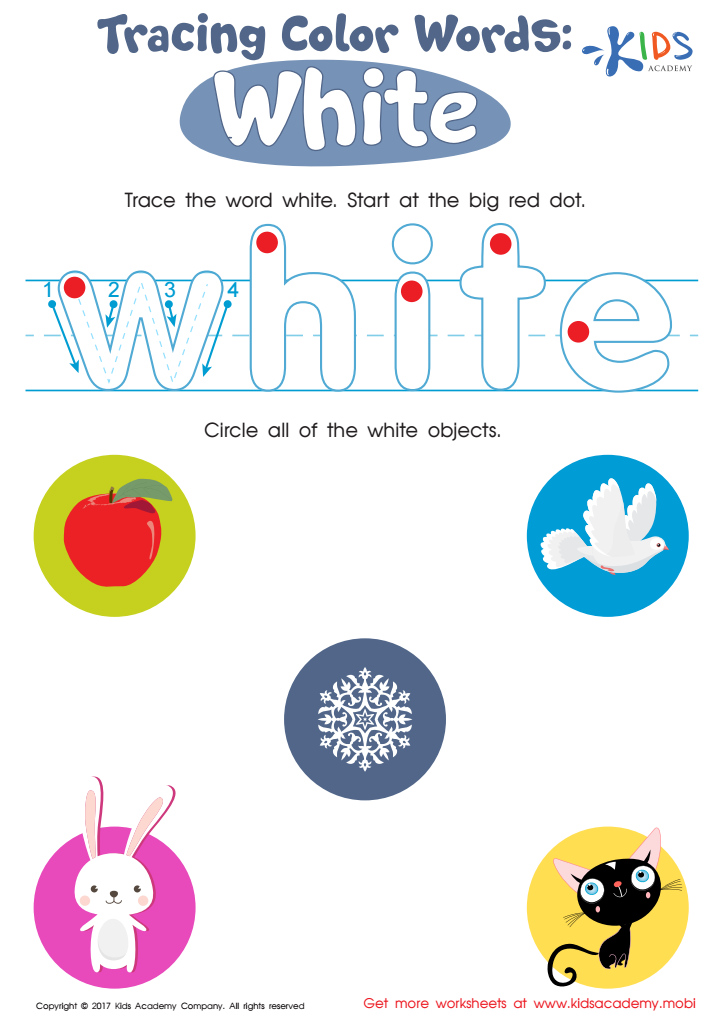
White Tracing Color Words Worksheet
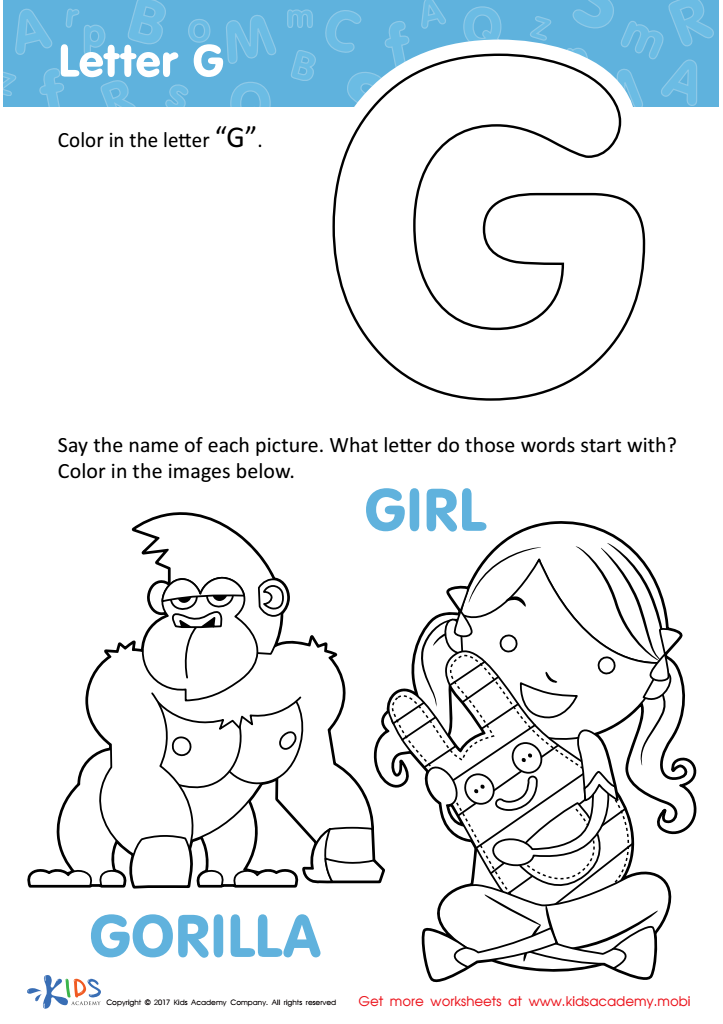
Letter G Coloring Sheet
 Assign to My Students
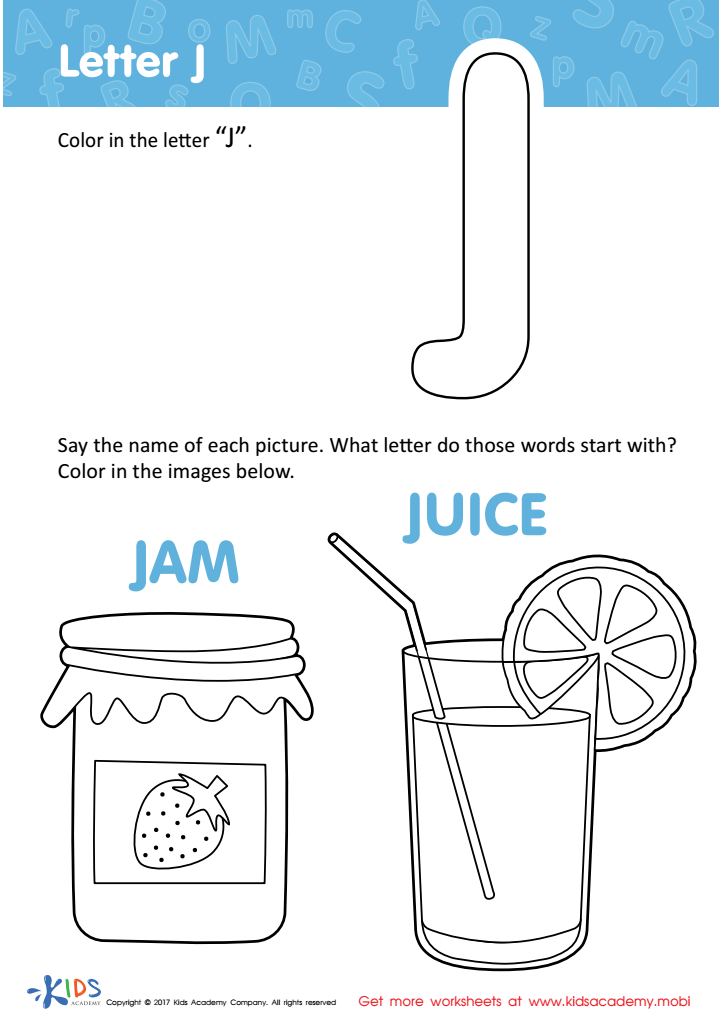
Letter J Coloring Sheet
Assign to My Students
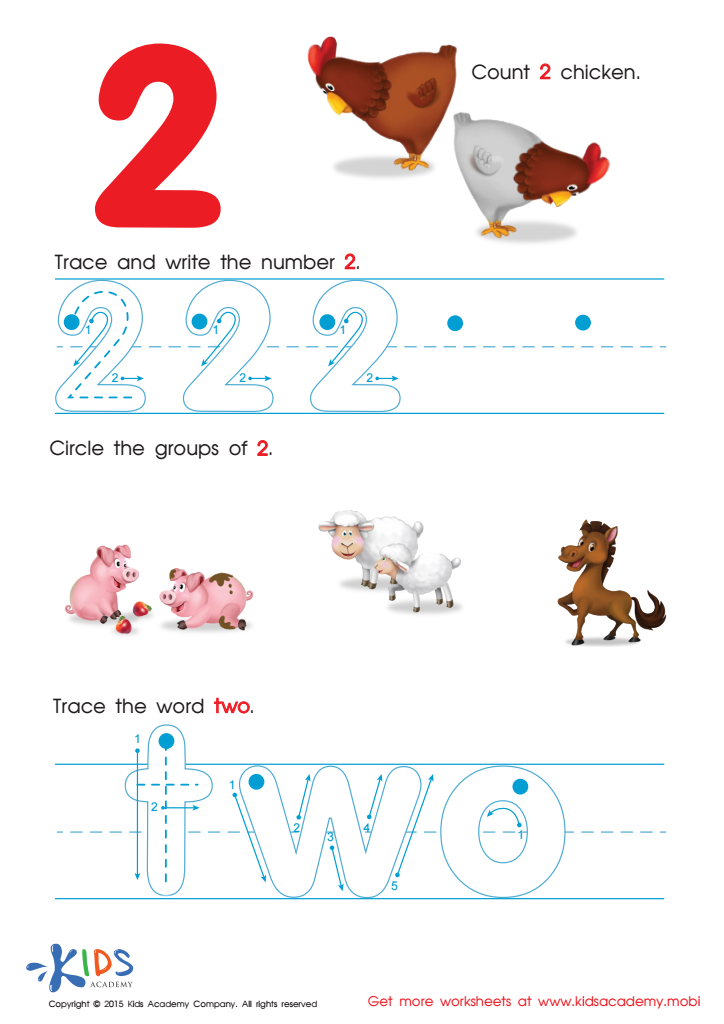
Learn to Write the Number 2 Worksheet
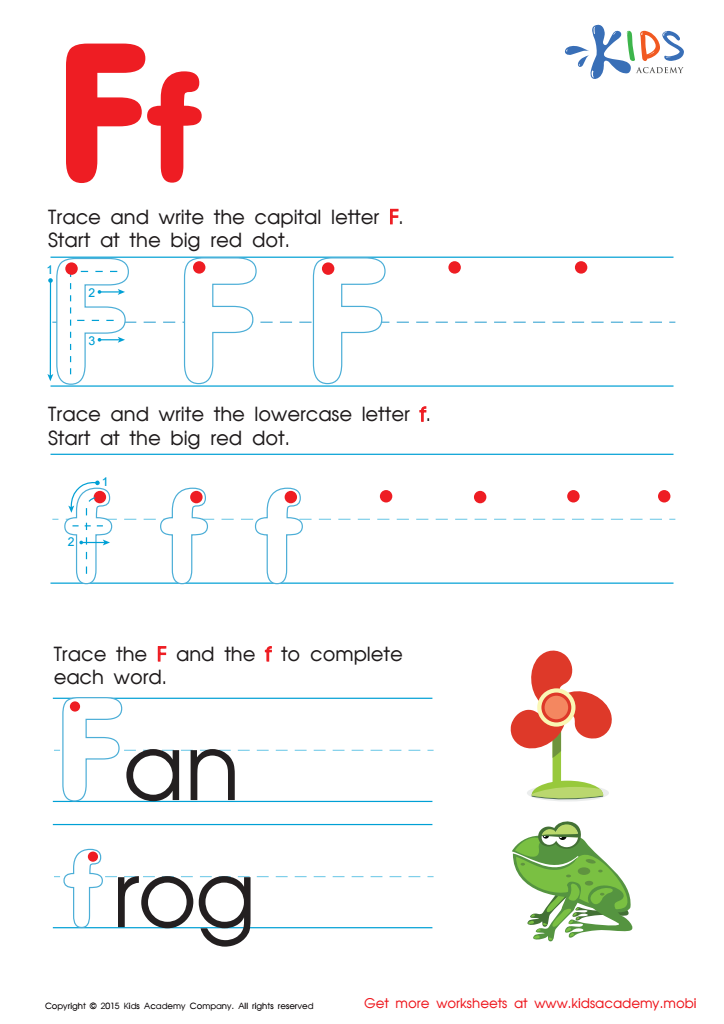
Letter F Tracing Page
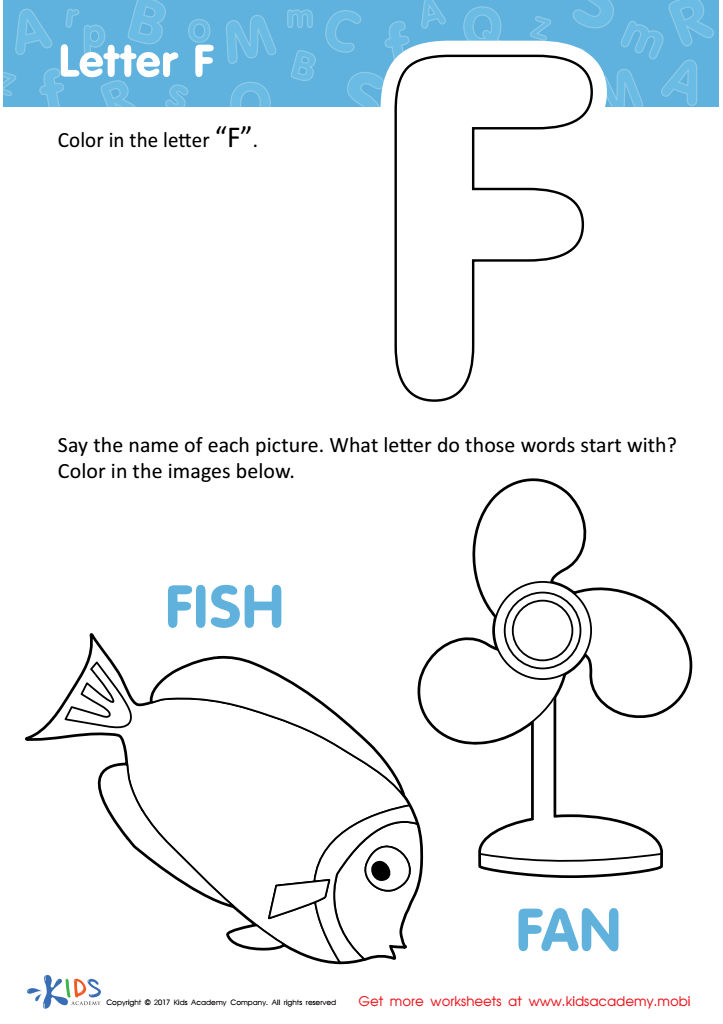
Letter F Coloring Sheet
Assign to My Students
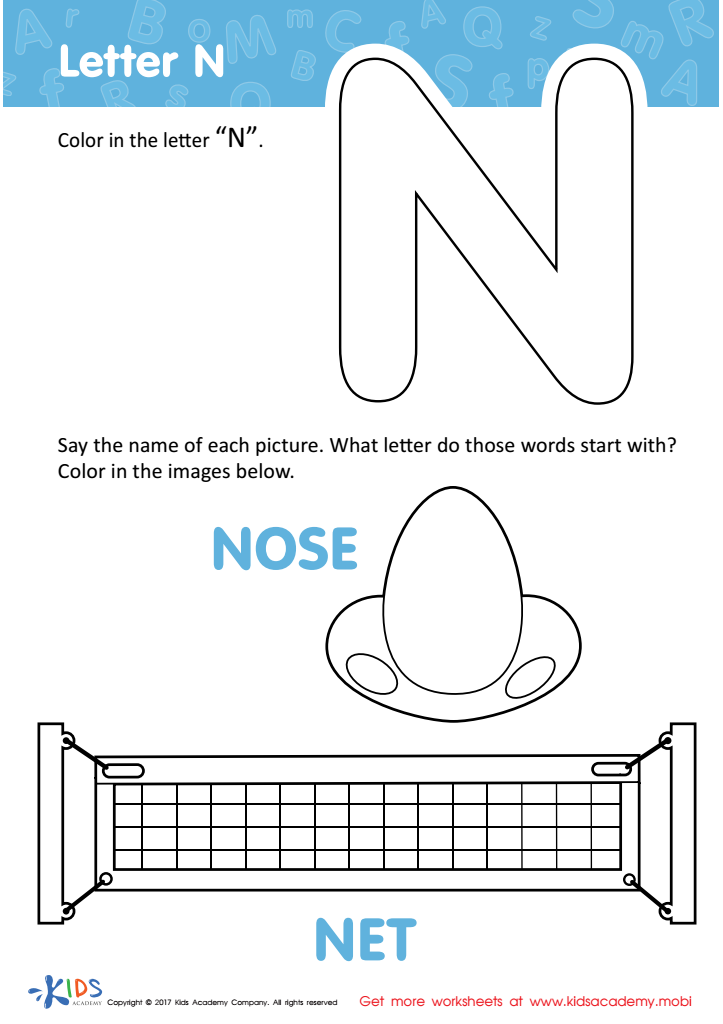
Letter N Coloring Sheet
Assign to My Students

Letter D Tracing Page





Fine motor skills are vital for young children, especially those aged 5-6. These skills involve the use of small muscles in the hands and fingers. They are important for performing everyday tasks like holding a pencil, buttoning a shirt, or tying shoelaces. When children develop fine motor skills, they gain confidence and independence.
Parents and teachers should care about fine motor skills because they are foundational for learning and self-care. For instance, being able to grip a pencil properly helps children learn to write letters and numbers, which is essential for their education. Similarly, buttoning a shirt or tying shoelaces fosters independence and self-reliance.
Good fine motor skills also play a role in a child’s overall development. They can improve hand-eye coordination, enhance concentration, and boost cognitive skills. Activities that strengthen fine motor skills include playing with building blocks, drawing, cutting with scissors, and using playdough.
If fine motor skills are neglected, children might struggle with simple tasks, affecting their self-esteem and academic performance. Therefore, parents and teachers should provide plenty of opportunities and activities to support and improve these important skills. This will help kids succeed both in and out of the classroom.