Enhancing categorization skills Normal Worksheets for Ages 5-6
3 filtered results
-
From - To
Boost your child's cognitive development with our expertly designed worksheets tailored for ages 5-6. Our "Enhancing Categorization Skills" worksheets promote critical thinking and organization abilities through engaging and interactive activities. Children will learn to identify, sort, and group items by various attributes, fostering their decision-making and problem-solving skills. Perfect for both classroom and home settings, our printables are crafted to support foundational learning in a fun and effective way. Witness the joy of learning as your child masters essential categorization skills with these simple yet powerful educational tools. Start enhancing your child's learning experience today!
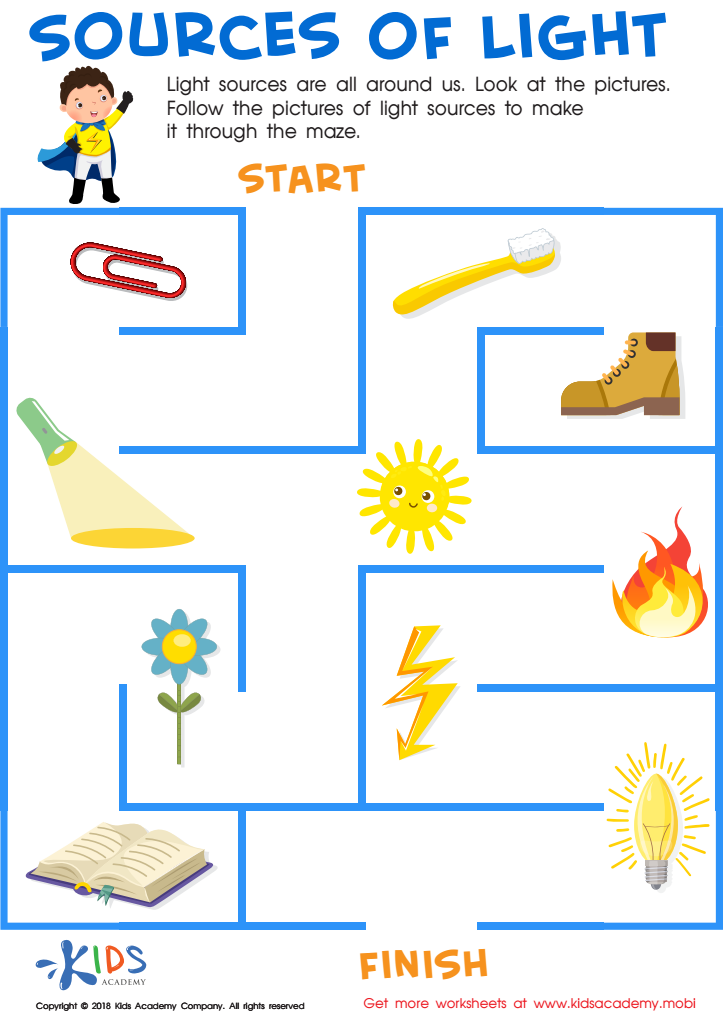
Sources of Light Worksheet
 Assign to My Students
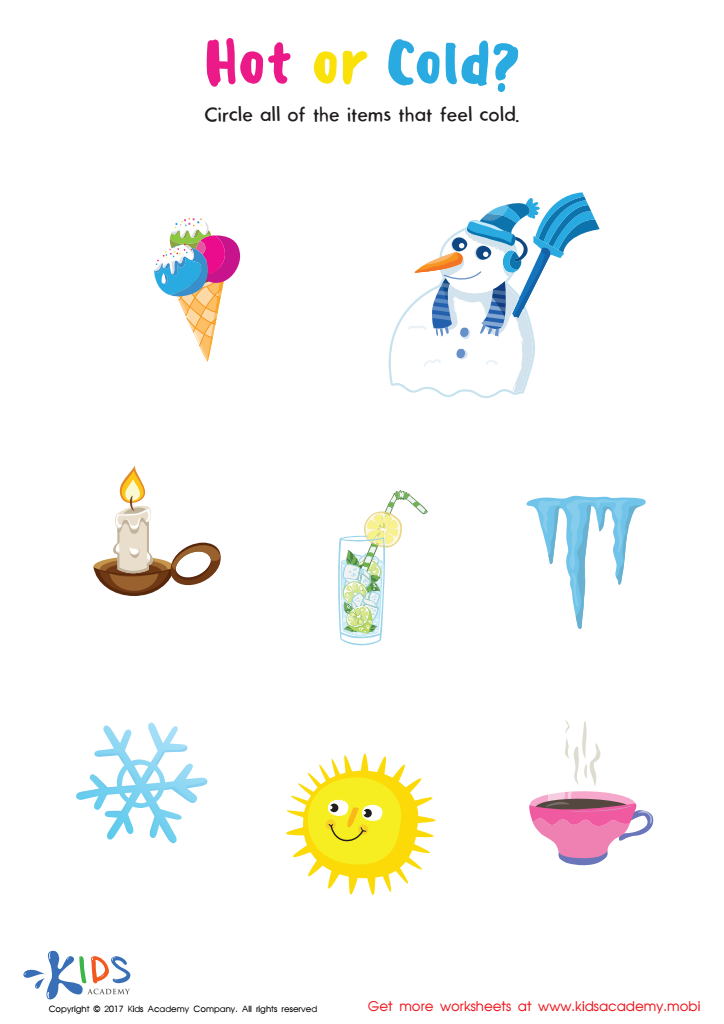
Hot or Cold Printable
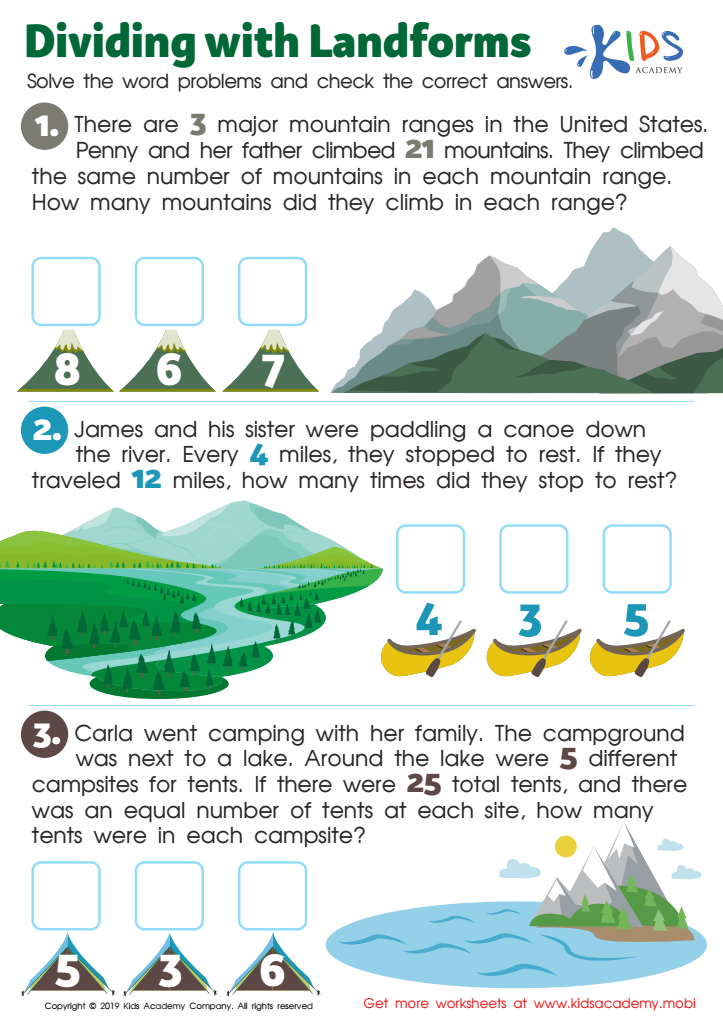
Dividing with Landforms







Enhancing categorization skills in children aged 5-6 is vital for their cognitive and academic development. At this stage, children's brains are exceptionally receptive to learning, and the ability to categorize helps structure their understanding of the world. Categorization is the process of grouping objects, ideas, or information based on common features, and this foundational skill underpins many aspects of learning.
For instance, in early literacy, children begin to categorize letters and sounds, enabling them to recognize patterns and develop reading skills. In math, they sort objects by shape, color, or size, which is crucial for understanding numbers, sequences, and more complex concepts later on. Categorization also enhances memory retention by allowing children to organize information logically, making it easier to recall and apply knowledge in various contexts.
Moreover, strong categorization skills support social development. Children learn to navigate social situations by categorizing emotions and understanding relationships and roles within a group. Teachers and parents who actively engage children in categorization activities—such as sorting games, matching exercises, and classification tasks—lay a foundation for lifelong learning and problem-solving abilities. By focusing on these skills, adults help children build the mental structures necessary for academic success and everyday reasoning.








