Understanding directions Normal Math Worksheets for Ages 5-6
3 filtered results
-
From - To
Discover our "Understanding Directions" Normal Math Worksheets for children aged 5-6, designed to enhance key pre-math skills! These engaging worksheets help young learners develop their ability to follow and understand directions while reinforcing foundational math concepts. Through fun activities, kids will practice counting, sorting, and recognizing patterns, all while gaining confidence in their comprehension skills. The thoughtfully crafted exercises promote critical thinking and improve retention, making learning enjoyable and effective. Ideal for homeschooling or classroom use, our worksheets make practicing essential math skills a breeze. Start your child's journey toward math literacy today with our delightful worksheets!
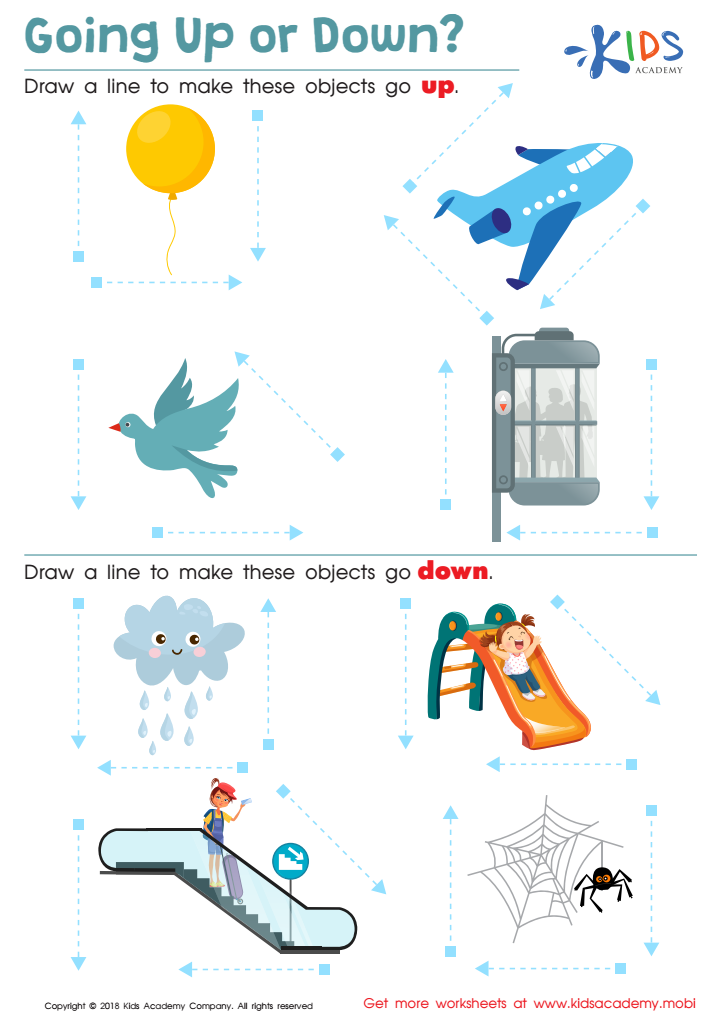
Going up or Down? Worksheet
 Assign to My Students
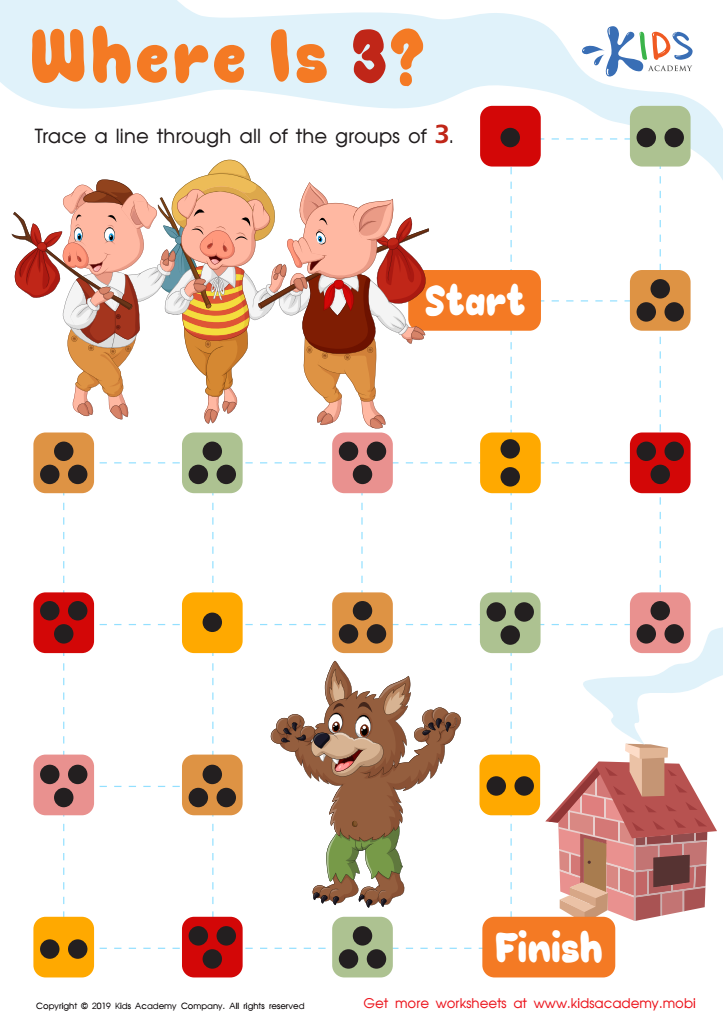
Where Is 3? Worksheet
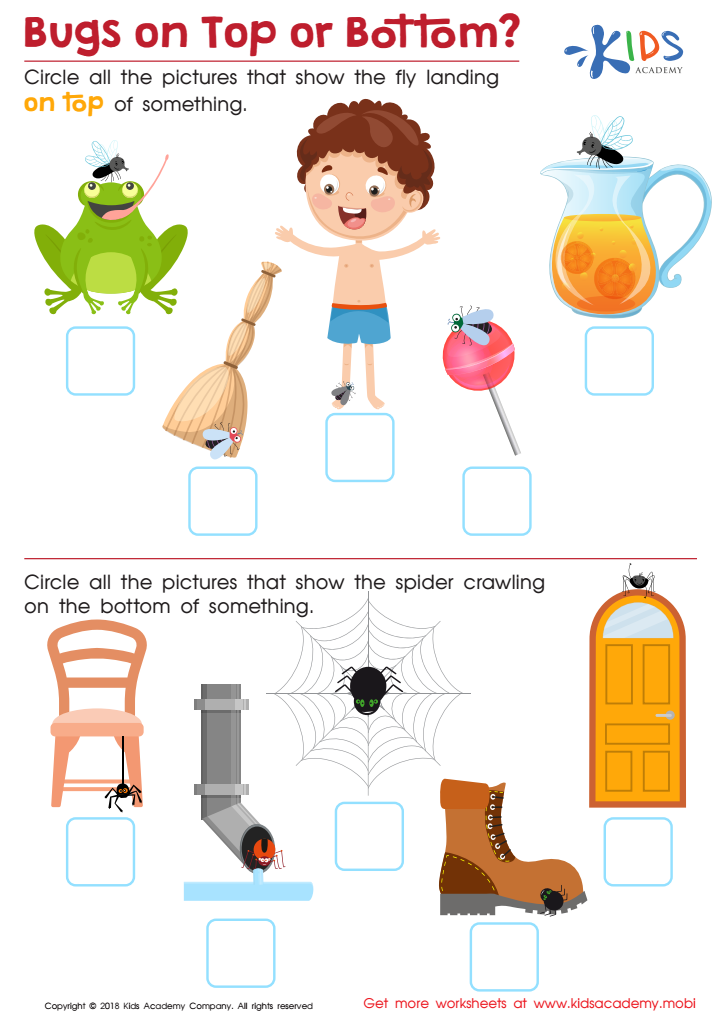
Bugs on Top or Bottom? Worksheet








Understanding directions in early mathematics is crucial for young learners aged 5-6, as it forms the foundation for future academic success. At this age, children are developing essential cognitive skills and the ability to follow instructions accurately. Mastery of directional language—such as "above," "below," "beside," and "between"—enables them to comprehend math concepts more fully, fostering spatial awareness and logical thinking.
Teachers and parents should care because these skills are integral to everyday problem-solving. When children grasp how to interpret and follow directions, they not only excel in math but also build confidence in their abilities. This reinforcement contributes to a positive attitude towards learning, making them more eager to tackle new challenges.
Moreover, understanding directions in math promotes cooperation and communication, essential social skills. Engaging parents in this process allows for interactive learning experiences, reinforcing concepts through play and real-life applications. Ultimately, acknowledging the importance of directional understanding in math equips children not only with essential skills for academic pursuits but also with practical tools for navigating the world around them. This foundational learning aids in shaping well-rounded individuals poised for long-term educational journeys.








